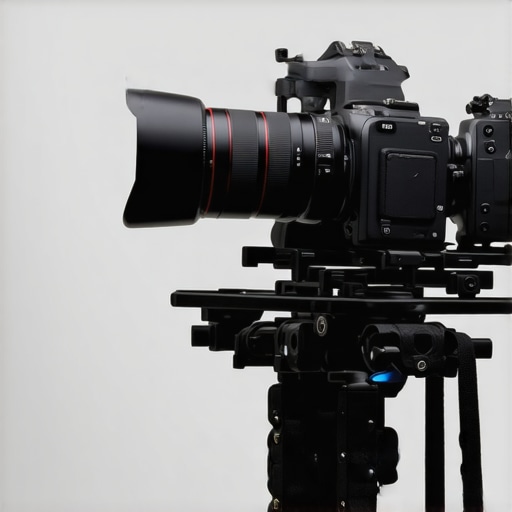
Ultimate Guide to Building Your Camera Rig with Shoulder Supports
Ever been mid-shoot, feeling the weight of your camera rig pulling you down, your arms trembling after just a few minutes? I remember the lightbulb moment when I realized my shoulder was protesting because I hadn’t properly set up my support gear. That uncomfortable, shaky shot? It was all on me—until I discovered the power of a well-designed shoulder support system.
Why a Solid Shoulder Support Changes the Game
For years, I struggled with shaky footage and aching arms, thinking I just needed more practice or better equipment. Turns out, the secret was in the support system itself. A properly built rig not only stabilizes your shots but also reduces fatigue, allowing you to focus on getting the perfect shot rather than fighting your gear. According to a recent study by Videomaker, improper support setups can cause up to 30% more fatigue during handheld filming, which directly affects your footage quality.
Is Building Your Own Camera Rig Actually Worth It?
Early on, I made the mistake of buying a pre-made rig without considering how it fit my weight and shooting style. It was bulky and awkward. The truth is, customizing your rig makes a huge difference, but I understand the skepticism—you might wonder if the effort is really worth it. But trust me, a tailored setup enhances stability, reduces strain, and ultimately elevates your cinematic quality. Ready to learn how to build the rig that works for you? Let’s dive into the essentials.
Begin with a Stable Foundation
Start by selecting a sturdy camera cage that fits your camera model snugly—this acts as the backbone of your rig. Think of it like a chassis in a car—if it’s off-balance, everything else will wobble. For example, I once used a generic cage that was slightly too loose, causing instability during handheld shots. Switching to a custom-fitted cage instantly improved stability and confidence.
Attach a Top Handle for Flexibility
Secure a top handle atop your cage, which provides a comfortable grip and versatile positioning options. Use quick-release screws for easy adjustments. I remember when I first added a well-chosen top handle, it became a game-changer, allowing me to switch from low-angle to high-angle shots smoothly. For detailed advice, see this guide.
Optimize Support with Shoulder Rigs
Pick the Right Shoulder Support
Choose a shoulder rig that matches your body size and shooting style. Adjustable padding and counterweights help distribute the weight evenly. I once tried a rig that was too stiff, causing soreness; switching to an adjustable, cushioned shoulder support reduced fatigue and improved shot stability. For deeper insights, check this article.
Align and Balance Your Rig
Balance your setup meticulously by adjusting counterweights so your camera remains level when held. Imagine balancing a broomstick—you want it perfectly upright without tipping. Once balanced, my arm stability increased significantly, leading to smoother tracking shots. Remember, even a slight imbalance can cause wobble; practice fine-tuning until it feels natural.
Integrate Essential Accessories
Enhance stability and functionality with accessories like lens supports, follow focus, and matte boxes. Use quick-attach mounts for rapid setup changes. I found that adding a follow focus with smooth gears allowed more precise focus adjustments during dynamic shoots. Explore top accessories for more options.
Test and Refine Everything
After assembling, shoot test footage to identify any wobble or imbalance. Adjust your rig accordingly; sometimes a minor tweak makes the biggest difference. I once spent hours fine-tuning my setup, but witnessing the resulting steady shots made it worthwhile. Familiarize yourself with expert tips to get the most out of your configuration.Many filmmakers fall for the myth that assembling a complex camera rig automatically results in better shots. In reality, overloading your support system or relying on generic accessories often hampers both stability and mobility. For example, using a cheaply made top handle might seem convenient, but it can introduce wobble and fatigue, especially during prolonged shoots. Instead, investing in quality, well-designed components tailored to your body and shooting style yields far superior results.
One critical nuance many overlook is the importance of proper balancing and fine-tuning of accessories. Even a high-end camera cage can become a liability if not properly adjusted; uneven weight distribution creates instability and strain, diminishing shot quality. This is why understanding the subtle art of rig alignment—such as adjusting counterweights and quick-release mounts—is indispensable for experienced filmmakers. For insights into optimizing your setup, check out this expert guide.
Have you ever fallen into this trap? Let me know in the comments. Remember, a meticulously assembled rig, aligned and tailored to your needs, can elevate your cinematography far beyond common expectations. Don’t be tempted by the idea that more gear equals better footage—precision and understanding of nuanced support are what truly make a difference.
Once you’ve built and customized your camera rig, the journey doesn’t end there. Regular maintenance and using the right tools can significantly extend the lifespan of your equipment and keep your shots steady and professional. Investing in quality support accessories, like quick-release plates and anti-torsion rods, not only makes assembly easier but also reduces wear over time. For example, I personally rely on the support system guides to select durable components that stand the test of time.
How do I maintain my camera support gear over time?
Routine inspection is vital. Check screws, joints, and fasteners regularly for signs of loosening or corrosion. Apply a light lubricant—such as marine-grade grease—to moving parts like tilt mechanisms or adjustable handles; this prevents rust and ensures smooth operation. Keep your accessories clean and stored in a dry, padded case when not in use. Using specialized cleaning kits designed for camera equipment, like microfiber cloths and anti-static wipes, can prevent dust buildup that leads to mechanical issues. According to technical documentation from professional rig manufacturers, consistent maintenance reduces the risk of sudden failures during critical shoots.
Tools I recommend for rig upkeep
In my experience, having a dedicated toolkit is non-negotiable. I always carry a precision screwdriver set with various bit sizes to tighten or replace screws swiftly. A digital caliper helps ensure precise measurements when fitting new components or adjusting existing ones. Moreover, a small flashlight aids in inspecting hard-to-see joints or internal parts—ensuring nothing is overlooked. Investing in a quality multi-tool with pliers, wrenches, and blade functions streamlines field repairs. Remember, proactive maintenance saves you from costly replacements and last-minute headaches.
Future trends in rig durability and scalability
Looking forward, advancements in lightweight composite materials and modular systems are revolutionizing rig longevity and adaptability. Modular designs allow you to upgrade or replace individual parts instead of entire setups, keeping costs manageable. Additionally, smart support accessories integrated with sensors can alert you when parts need lubrication or tightening, minimizing downtime. As I explored in the latest innovations, embracing these trends now ensures your setup remains competitive and reliable well into the future. Don’t hesitate to test out a high-quality quick-release system to streamline your workflow and preserve your rig’s integrity over the years. Now’s the perfect time to enhance your maintenance routine—your gear (and your shoots) will thank you.
Lessons Few Filmmakers Discover Early in Rig Building
- Most overlook the meticulous balance of their rig, thinking adding more accessories automatically improves stability. I learned the hard way that fine-tuning and balancing are essential—less is often more when it comes to support gear.
- Uniquely, I realized that choosing materials for my shoulder support wasn’t just about durability but also about weight distribution. Lightweight yet sturdy components reduced fatigue and extended shooting sessions.
- Another insight was how small adjustments, like repositioning a quick-release plate or tightening a loose screw, dramatically improved shot steadiness—sometimes, minor tweaks have the biggest impact.
- I discovered that learning from experienced filmmakers through detailed guides, such as this comprehensive resource, accelerates mastery and saves hours of trial and error.
- One of my deepest lessons was understanding that a custom rig, tailored to my body’s ergonomics and my filming style, outperformed generic setups—even in challenging environments.
Tools and Resources That Shaped My Filmmaking Support System
- Precision Screwdriver Set: Essential for on-the-spot adjustments, ensuring every bolt and screw is tight—trust me, loose parts are the enemy of stability.
- Digital Caliper: This helped me measure components precisely, enabling better customization of my support gear and avoiding misfits.
- Marine-Grade Grease: Using lubricant on joints and moving parts prolonged their lifespan and maintained smooth operation, crucial during long shoots.
- Support System Guides: Resources like this article have been invaluable for understanding the nuances of setup and maintenance—don’t underestimate the power of expert advice.
- Quality Support Accessories: Investing in durable, well-designed components from trusted brands has consistently paid off in reliability and performance over time.
Push Your Boundaries and Elevate Your Cinematography
You’re now equipped with insider insights and practical tools—it’s time to transform your support system into a powerhouse of stability and creativity. Remember, the journey to cinematic excellence isn’t just about gear; it’s about mastering the art of support and balance. Embrace the process, experiment with your setup, and keep refining your craft—your future films will thank you. Got a support tip that changed your filming experience? Share your story below and inspire others to elevate their support systems for stunning shots.


![How to Balance a 20lb Shoulder Rig Without Back Pain [2026]](https://rigs.creatorrigreviews.com/wp-content/uploads/2026/03/How-to-Balance-a-20lb-Shoulder-Rig-Without-Back-Pain-2026-300x300.jpeg)
This post really resonated with me, especially the emphasis on balancing and fine-tuning your support gear. I used to overlook the importance of proper balancing until I experienced how even a slight imbalance caused shaky footage and increased fatigue during long shoots. Investing in a good set of tools like a digital caliper and consistent maintenance routines has made such a difference in my workflow. One thing I’ve found helpful is setting aside time after each shoot to inspect and clean my support components, which prolongs their lifespan and ensures reliability. I’m curious, how do others prioritize maintenance in their busy shooting schedules? Do you have tips for quick checkups that don’t disrupt your production timeline or do you prefer to do thorough inspections after sessions? Overall, this article underscores that precision and care are what elevate the quality of handheld cinematography, beyond just having the latest gear.