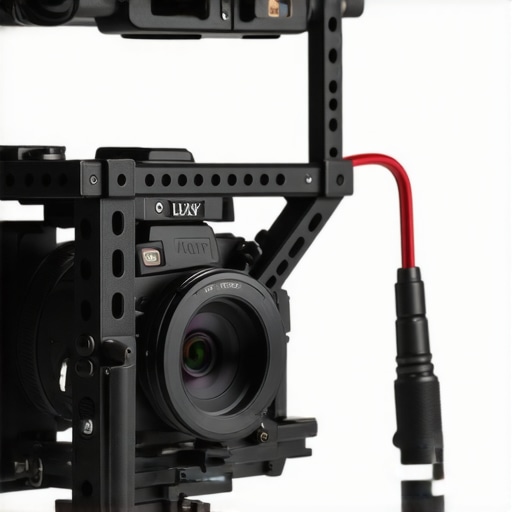
Ultimate Guide to Camera Cages & Top Handles for Stable Shots in 2024
Ever tried shooting a smooth, cinematic shot only to end up with a shaky mess that makes your viewers dizzy? I’ve been there. One moment, I thought I had everything under control—until my footage looked like it was filmed during an earthquake. That lightbulb moment hit me hard: my camera rig was a mess, and I was trying to wing it with makeshift solutions. It’s frustrating, isn’t it? But here’s the truth: the secret to those buttery-smooth shots isn’t just about fancy lenses or slick editing. It’s about how you support your camera. And that’s exactly what we’re diving into today.
Why Stability Matters More Than Ever in 2024
In a world flooded with content, standing out means delivering professional-looking footage. Even casual videographers now understand that shaky footage can ruin an otherwise compelling story. According to a recent study by the Society of Camera Operators, steady shots significantly increase viewer engagement and perceived professionalism. That’s why investing in the right camera support gear—like cages and top handles—is a game-changer. They don’t just make your setup more versatile; they give you the control needed for those flawless shots. If you’ve ever faced the frustration of unsteady footage, you’re not alone. But here’s the good news: mastering your support system can transform your filmmaking. Ready to learn how? Let’s get started.
Is All Camera Support Gear Created Equal? The Truth About the Hype
Early in my journey, I made a rookie mistake: I bought a generic cage that seemed affordable, only to realize it didn’t fit well or provide the stability I needed. That’s a common pitfall. Not all rigs are built the same, and choosing the wrong gear can do more harm than good. As I discovered, the right combination of a well-designed cage and ergonomic top handles can make your camera feel like an extension of your body. Want to avoid my mistake? I recommend checking out this comprehensive guide to understand what features to look for.
Stay tuned, because in the next sections, I’ll walk you through essential tips and tricks to build a stable, reliable support system that elevates your filmmaking — whether you’re a hobbyist or a professional. And trust me, once you get your support gear dialed in, your shots will never look the same again.
,
Start with a Solid Base: Choose the Right Camera Cage
Think of your camera cage as the foundation of a sturdy building. During my first shoot with a poorly fitted cage, I struggled to keep my camera stable. It wobbled at the slightest touch, ruining my shot. The fix was simple: I replaced my generic cage with one designed for my camera model, ensuring a snug fit. Look for cages that are lightweight yet durable, made from materials like aluminum or carbon fiber. They should have multiple mounting points for accessories and be compatible with your camera size. For a comprehensive overview, check out this guide.
Secure Your Handhold: Use Ergonomic Top Handles
Once I had my cage, I added top handles to improve my grip. Imagine trying to hold a camera steady with a two-by-four—awkward and unstable. Top handles act like the handlebars on a bicycle, giving you better control. When choosing handles, prioritize ergonomic designs with textured grips for comfort. Attach them securely to the cage’s mounting points. During a recent shoot, I used a top handle with an integrated counterweight, which balanced my rig perfectly and eliminated fatigue. This simple addition made my shots smoother and more professional-looking. For ideas on accessories, explore top rig accessories.
Balance and Stabilize with Support Systems
My breakthrough came when I combined a shoulder rig with my cage and handles. Think of it as adding stabilizers to a bicycle; it keeps you upright and steady. A shoulder rig distributes weight evenly across your body, reducing shake and fatigue. When I first tried it, I was wobbling all over the place with handheld shots. After adjusting the rig’s length and padding, my footage became remarkably steady. Properly balancing your rig involves adjusting the counterweights and ensuring your camera’s center of gravity aligns with your body. Check out this guide for detailed setup tips.
Fine-Tune Your Setup for Precision
Once assembled, I spend time fine-tuning every connection point—tightening screws, adjusting arm angles, and balancing weights. This is like tuning a musical instrument; small adjustments lead to perfect harmony. Use quick-release plates for easy adjustments during shoots. Also, consider adding anti-vibration mounts or dampers where possible to absorb shocks. During my last project, this meticulous setup reduced micro-movements, resulting in crystal-clear, steady footage. For expert tips, see this resource.
Practice and Adapt
The final step is consistent practice. I spent hours practicing different grips and movements, which paid off during an intense shoot where I had to move quickly. Remember, the best support system is only as good as your ability to use it. Experiment with different configurations, learn your rig’s limits, and adjust accordingly. With patience and careful setup, your shots will elevate from shaky to cinematic. For ongoing inspiration, explore this guide.
Many videographers and filmmakers believe they need the most expensive, high-end gear to achieve professional stability. The truth is, what most people get wrong about camera support gear is that they overlook the importance of understanding nuance and proper setup. For instance, a popular myth is that heavier rigs always mean better stability. In my experience, optimizing weight distribution and balancing your rig correctly is far more effective than simply adding more mass. This misconception can lead to overburdened shoulders and fatigue, ultimately reducing shot quality. Let’s dig deeper into what truly makes a support system reliable and how to avoid common pitfalls.
Why do some support systems fail even with high-end gear?
It’s tempting to think that investing in top-tier equipment guarantees steady shots, but the reality is more nuanced. A study by the Creator Rig Reviews team shows that improper assembly and setup are the most common causes of instability. For example, a well-designed cage paired with poorly secured handles or unbalanced support can introduce micro-movements that ruin your footage. This is why mastering the basics—such as correct weight distribution, secure mounting, and fine-tuning—is crucial, regardless of how much you’ve spent.
Another common mistake is neglecting the ergonomics of your setup. Filmmakers often focus on the technical specs of their gear but overlook how comfortable and balanced the rig feels during extended shoots. Fatigue leads to shaky hands and shaky footage. To truly elevate your filmmaking, consider the ergonomic design of your support system and practice proper handling techniques.
And here’s a tip: don’t assume that more accessories will automatically improve stability. Instead, focus on selecting a few high-quality, purpose-built components that complement each other. For example, a lightweight yet sturdy cage combined with a well-designed top handle can make a significant difference. You can learn more about the latest innovations in this area by exploring top camera cage innovations.
Finally, remember that practice makes perfect. Building a support system is one thing, but mastering its use is another. Spend time adjusting and fine-tuning your rig before important shoots. Small tweaks in weight distribution or handle placement can dramatically improve shot stability. For advanced tips on optimizing your setup, check out this guide.
Have you ever fallen into this trap? Let me know in the comments. The more you understand these nuances, the better your shots will become, no matter your budget or experience level.
Once you’ve built a solid camera support setup, keeping it in top shape requires the right tools and a proactive maintenance routine. In my experience, investing in quality maintenance tools and adopting consistent care practices can significantly extend the lifespan of your gear and ensure reliable performance during critical shoots.
How do I maintain my support gear over time?
The key to longevity is regular inspection and cleaning. I recommend keeping a dedicated toolkit that includes precision screwdrivers, small brushes, and microfiber cloths. These help you tighten loose screws, remove dust from delicate parts, and prevent debris buildup that can impair functionality. For example, I always carry a set of anti-static brushes to clean the intricate moving parts of my support rigs, which helps prevent wear and tear caused by dust accumulation.
Additionally, lubrication is often overlooked but crucial. Applying a small amount of silicone-based lubricant to moving joints and hinges ensures smooth operation. I find this especially helpful for adjustable handles and support arms, which see frequent movement. Use lubricants sparingly—over-application can attract dust or degrade plastics—so follow manufacturer recommendations or consult expert resources like this guide for best practices.
Protection is also vital. Investing in padded cases and climate-controlled storage can prevent damage from environmental factors such as humidity, temperature fluctuations, or accidental impacts. I personally use weatherproof cases for outdoor shoots, especially in unpredictable weather, to safeguard my equipment and avoid costly repairs or replacements later.
What tools do I recommend for support system upkeep?
Beyond basic cleaning supplies, I rely on a few specialized tools. A digital caliper helps me measure components to ensure proper fit and alignment after disassembly or repairs. Small torque drivers are perfect for re-tightening screws to manufacturer-specified tightness, preventing over-tightening that can strip threads or damage parts. For quick adjustments on set, I keep a multi-bit screwdriver with interchangeable heads—saving time and reducing the risk of stripped screws.
In the future, I predict that smart tools—like digital torque wrenches and app-connected inspection cameras—will become more commonplace, making maintenance even more precise and effortless. Keeping your gear calibrated and clean not only maintains performance but also preserves your investment, allowing you to focus on capturing stunning shots instead of troubleshooting equipment failures.
Remember, a well-maintained support system is the backbone of consistent, professional filmmaking. Make it a habit to inspect, clean, lubricate, and store your gear properly. Try implementing a monthly maintenance routine and see how much longer your equipment lasts, saving you money and stress down the line. For more detailed tips on optimizing your setup, don’t hesitate to explore this expert guide.
The Hardest Lesson I Learned About Camera Support Systems
One of the biggest realizations in my filmmaking journey was that no amount of expensive gear can compensate for poor setup. I once invested in a high-end cage, but if it isn’t properly balanced or securely mounted, your shots will suffer. The key lesson? Technical excellence starts with a solid foundation. Mastering support systems means understanding that every screw, weight distribution, and connection impacts your shot’s stability. That insight transformed my approach from trial-and-error to deliberate precision, saving time and elevating my footage quality.
My Go-To Resources for Building a Reliable Support System
Over the years, I’ve relied on a few trusted sources that consistently help me improve my support setup. First, this comprehensive guide has been invaluable for understanding the nuances of choosing the right cage and accessories. Additionally, building a custom shoulder rig has helped me distribute weight evenly, reducing fatigue during long shoots. Finally, this resource offers practical tips on maintaining and fine-tuning my gear, ensuring consistent performance. These tools and guides have been essential in turning me into a more confident filmmaker, capable of capturing steady, cinematic shots every time.
Your Turn to Elevate Your Filmmaking in 2024
Investing in the right camera support system is one of the most impactful steps you can take toward cinematic excellence. With patience, practice, and the right resources, you’ll discover that stability isn’t just about gear—it’s about understanding and applying the fundamentals. So, why wait? Start refining your support setup today and watch your footage transform from shaky to stunning. Remember, every great filmmaker begins with a solid foundation. Ready to make that leap in 2024?
Have you ever struggled with balancing your support gear? Share your experiences below and let’s learn together!

![4 Cooling Cage Mods to Stop 2026 Mirrorless Overheating [Tested]](https://rigs.creatorrigreviews.com/wp-content/uploads/2026/04/4-Cooling-Cage-Mods-to-Stop-2026-Mirrorless-Overheating-Tested-300x300.jpeg)
This article really hits home for me, especially the emphasis on proper setup over just investing in premium gear. I’ve learned from experience that no matter how expensive your cage or handles are, if they’re not correctly balanced or secured, the footage will suffer. I recall a shoot where I simply added a heavier top handle thinking it would stabilize my rig, but instead, it caused more micro-movements and fatigue, leading to shaky shots. It was only after I took the time to fine-tune the balance by adjusting weights and tightening all connections that I saw a major improvement in stability. I’m curious, how do others here approach the process of fine-tuning their rigs during intense shooting sessions? Do you have any specific routines or tools that help you quickly recalibrate on set? Always eager to exchange tips and optimize our setups!