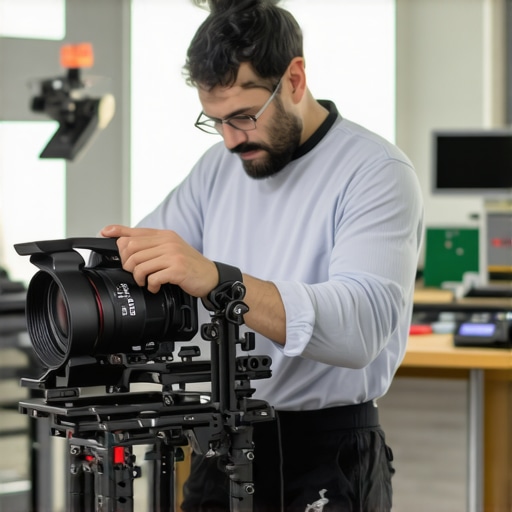
Ultimate Guide to Building Your Camera Cage & Shoulder Rig in 2025
Ever wrestled with a bulky, unstable camera setup that just refuses to cooperate? I remember the frustration of trying to shoot smooth, professional footage only to be held back by my gear. That lightbulb moment hit me hard—why struggle with off-the-shelf rigs that don’t fit my needs when I could craft something tailored, reliable, and efficient? Today, I want to share how building your own camera cage and shoulder rig in 2025 isn’t just a DIY project—it’s a game-changer for filmmakers who demand precision and comfort.
Why Custom Camera Rigs Make All the Difference
When I first started out, I relied on generic camera cages and rigs, thinking they’d serve me well enough. Turns out, they often hampered my creativity. Clunky setups, awkward angles, and shaky footage became my norm. That’s when I discovered the power of building a rig that’s perfectly suited to my shooting style. A custom rig not only enhances stability but also reduces fatigue and elevates your production quality. And trust me, in 2025, the technology and accessories available make it easier than ever to assemble a rig that feels like an extension of your vision.
Is Building Your Own Camera Cage and Shoulder Rig Really Worth It?
Early on, I made the mistake of rushing into assembly without understanding the importance of quality components. I bought cheap parts and ended up replacing them within months. It’s tempting to cut costs, but investing in the right support systems pays off in the long run. Building your own rig allows you to choose the best materials, ergonomic handles, and stabilizers tailored to your filming style. If you’ve ever faced shaky shots or sore shoulders after a long shoot, you’ll see why this effort is worth it.
By the end of this guide, you’ll have the confidence and know-how to assemble a robust, versatile camera cage and shoulder rig that will elevate your filmmaking in 2025 and beyond. Ready to get started? Let’s dive into the steps that will transform your gear and your shots.
Select Quality Components for Your Rig
Begin by choosing sturdy materials like aluminum or carbon fiber for your cage frame. I remember scouring online shops and settling on lightweight yet durable parts, which made a noticeable difference in handling and stability. Don’t skimp—cheap metals bend or break over time. Visit this resource to understand the best materials for your needs.
Assemble the Camera Cage
Measure and Cut with Precision
Start by measuring your camera model carefully. Use a tape measure and a marker to outline cut lines on your chosen metal or plastic. Think of it like tailoring a suit—precision is key. I once rushed this step and ended up with a cage that didn’t fit snugly, making mounting and balancing a nightmare. Take your time and double-check your measurements.
Secure the Frame
Use appropriate screws, bolts, and a screwdriver or Allen wrench to assemble the cage. Tighten each connection firmly but avoid overtightening, which can strip threads. Picture it like assembling furniture—each piece needs to be snug but not forced. If you’re unsure about screw types or torque settings, check this guide.
Add Stabilizers and Accessories
Once the cage is assembled, attach handles, top rods, or monitor mounts. I recommend starting with top handles from top handle accessories. These add comfort and control. Use the screw-in threads or quick-release plates to secure each component tightly. Think of this step like customizing a gaming controller—each addition should enhance your control.
Build Your Shoulder Rig
Choose the Right Shoulder Support
Select a shoulder pad that distributes weight evenly. I found that adjustable rigs, like those in this collection, help prevent fatigue. Attach the support rod to your cage’s base plate, ensuring it’s secure and level. Imagine balancing a broomstick—adjustments matter for stability.
Attach the Handles and Counterweights
Secure handles at comfortable positions for your grip. Consider adding counterweights if your rig feels front-heavy. I experimented with small weights and immediately felt the difference in reducing strain during long shoots. Use these tips for optimal balance.
Test and Fine-Tune Your Setup
Once assembled, mount your camera and test the rig in different angles. Move around, simulate shooting scenarios, and note any wobble or discomfort. Adjust handles, tighten screws, or reposition weights as needed. Think of this process as tuning a musical instrument—small tweaks lead to perfect harmony. If you encounter issues, this guide offers expert advice.
Maintain Your Rig for Longevity
Regularly inspect screws, bolts, and joints. Clean metal parts to prevent corrosion. I learned the hard way that neglecting maintenance led to unexpected failures mid-shoot. Keep a toolkit handy, and refer to this contact page for support if any component needs replacement. Building a custom rig is an investment—treat it like one.
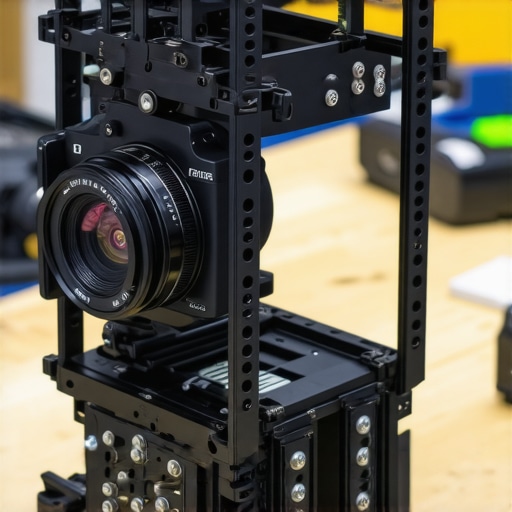
Many filmmakers assume that assembling a camera cage and shoulder rig is a straightforward task, but overlooking certain nuances can lead to costly mistakes. One of the most common misconceptions is that more accessories always mean better stability. In reality, cluttering your rig with unnecessary gear can increase weight and reduce maneuverability, ultimately compromising shot quality. Instead, focus on selecting only essential accessories that enhance your setup without overloading it.
Another frequent error is neglecting proper weight distribution. A rig that isn’t balanced correctly can cause fatigue and shaky footage, especially during long shoots. Fine-tuning the placement of counterweights and handles is crucial—think of it like balancing a scale. This detail often gets ignored by beginners eager to get started but can make a significant difference in the final output.
Many assume that building a rig with the cheapest components is a smart way to save money. However, low-quality materials tend to bend, break, or wear out quickly, leading to frequent replacements and potential equipment failure. Opting for durable materials like aluminum or carbon fiber, as recommended in this guide, ensures longevity and reliable performance.
What Advanced Filmmakers Need to Know About Rig Customization
For seasoned professionals, understanding the subtle interplay between accessories and ergonomics is essential. For example, the placement of top handles affects not only comfort but also shot stability. Small adjustments can significantly impact camera control, especially when shooting at unconventional angles or in tight spaces. Additionally, using modular components that can be reconfigured quickly allows for greater versatility on set, saving valuable time.
Furthermore, many overlook the importance of integrating their support system with their camera’s weight profile. This integration reduces strain on the operator and results in smoother footage. Experts like this resource emphasize the importance of fine-tuning your setup for optimal results.
Finally, even with a well-assembled rig, regular maintenance is often underestimated. Tightening screws, checking for corrosion, and replacing worn parts prevent unexpected failures during critical shoots. Remember, a quality rig is an investment—taking care of it preserves its performance over years of filmmaking. Have you ever fallen into this trap? Let me know in the comments.
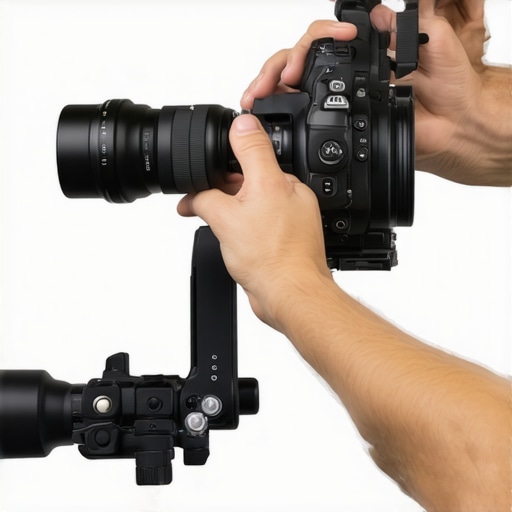
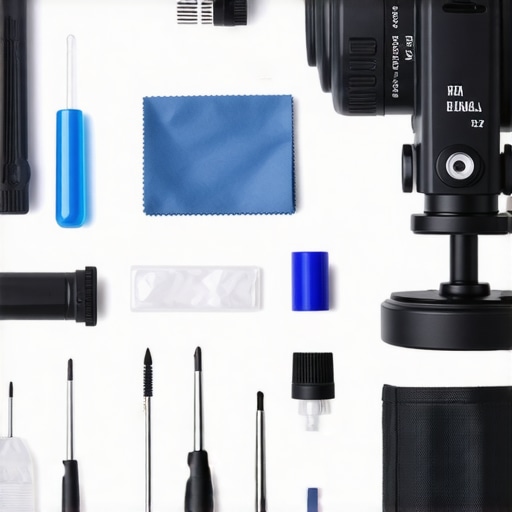
Keeping your camera rig functioning flawlessly over time requires more than just initial assembly; it demands consistent maintenance and the right tools. In 2025, the landscape of filmmaking gear has evolved, and so have the methods for ensuring longevity and optimal performance. As someone deeply involved in the scene, I recommend investing in high-quality tools like precision screwdrivers, Allen wrench sets, and a microfiber cloth for cleaning metal parts. These may seem basic, but they are vital for making fine adjustments and preventing damage during routine checks.
One of my go-to tools is a set of precision screwdrivers specifically designed for camera gear. Unlike generic screwdrivers, these prevent stripping delicate screws on your support systems. I prefer brands like Wiha or Wera because they offer durability and exact fitment, which is crucial when maintaining components that are often tiny and sensitive. Regularly tightening loose screws on handles, mounts, or support rods can prevent catastrophic failures mid-shoot. I schedule weekly inspections where I tighten all accessible fasteners to preempt any issues.
Cleaning is another critical aspect. Dust, sweat, and even the tiniest debris can corrode metal parts and cause wear over time. I use a microfiber cloth to wipe down aluminum or carbon fiber components after each shoot. For stubborn grime, a small amount of isopropyl alcohol on the cloth works wonders without risking damage. Remember, corrosion can be sneaky, so inspecting joints and screws regularly helps catch problems early. To keep everything in top shape, I also apply a light coat of lubricant to moving parts like hinges or adjustment knobs—just a tiny amount to ensure smooth operation without attracting dirt.
Looking ahead, I believe that smart maintenance tools equipped with digital diagnostics will become more prevalent. Imagine a maintenance app that connects via Bluetooth to your rig, offering real-time alerts when a screw is loose or a part needs lubrication. Companies like Crestron and FlexRadio are already experimenting with such integrations, which could revolutionize how we care for complex gear in the future.
How do I maintain my camera support system over time?
To keep your support systems in peak condition, dedicate time for regular inspections—at least once a month—checking for signs of wear, corrosion, or loose fasteners. Use the right tools to tighten or replace parts promptly. Keep all components clean and lubricated with appropriate products, and store your gear in a dry, dust-free environment. Adopting a routine like this not only extends the lifespan of your rig but also saves you money and frustration during critical shoots. For detailed guidelines on maintaining your camera rig, I recommend visiting this support page for expert tips and troubleshooting advice.
Make it a habit to keep a dedicated toolkit on hand, including spare screws, Allen keys, and cleaning supplies. This proactive approach ensures your gear remains reliable and ready to shoot any scene. Remember, your camera rig is an investment—treat it with care, and it will serve you well for years to come.
< >
>
Building your own camera cage and shoulder rig in 2025 is a transformative step that elevates your filmmaking craft beyond generic gear. The lessons I’ve learned along the way are invaluable, and I want to share some insider wisdom that can save you time, money, and frustration. From my first attempts, I realized that meticulous measurement and high-quality components make all the difference. Rushing through assembly often leads to shaky shots and discomfort, so patience and precision are your best allies. Also, don’t underestimate the power of modular accessories; they allow you to adapt quickly to different shooting scenarios, giving you a competitive edge. Lastly, regular maintenance isn’t just upkeep—it’s a crucial part of ensuring your rig performs flawlessly shoot after shoot, year after year.

Building a customized camera rig in 2025 is definitely a game-changer for my workflow. I’ve been experimenting with modular accessories and high-quality materials like carbon fiber, which really helps reduce fatigue during long shoots. I agree with the post that precise measurement and choosing durable parts can make all the difference—nothing worse than a cheap component failing mid-filming. One thing I’ve found helpful is color-coding screws and fasteners; it saves so much time when reassembling or tweaking my setup on set. Also, regular maintenance is so often overlooked. I’ve started using Bluetooth-enabled tools that remind me to tighten screws or check joints, which has kept my rig in top shape. How do others here balance the time spent building and maintaining versus actually filming? Would love to hear some tips on streamlining this process without sacrificing quality.
Building a custom rig in 2025 really resonates with me. I’ve also shifted towards more modular components that can quickly adapt to different shooting environments. One aspect I think is crucial, which the post touches on lightly, is the importance of ergonomic design—long shoots can really wear you down if your rig isn’t comfortable. I’ve found that investing in quality handles and adjustable support systems allows me to shoot longer without fatigue. Personally, I dedicate a bit of time weekly to maintain my rig, particularly checking screws and lubricating moving parts. This proactive approach has saved me from unexpected breakdowns during crucial shoots. The idea of integrating preventive maintenance with smart tools like Bluetooth sensors is fascinating; I wonder, do any of you use specific apps or tech to manage your rig’s health? How do you balance the time spent maintaining your gear with the actual filming, especially on tight schedules? Would love to hear some practical tips or experiences.
Building a custom camera rig in 2025 sounds like an incredible way to elevate filmmaking, especially when you can tailor it to your exact needs. I’ve done a few DIY rigs myself, focusing on modular pieces and lightweight yet durable materials like aluminum, which really streamlines setup and breakdown. One thing I’ve learned through trial and error is that precise measurement is critical—any small miscalculation can throw off balance or fit. I also agree that investing in good components pays off; cheap parts often lead to frustration and costly replacements.
In my experience, regular maintenance becomes second nature once you establish a routine, like weekly checks for loose screws and cleanings. I’ve also started tracking my gear’s condition using simple apps, which helps me stay ahead of potential issues. How do others prioritize their maintenance schedule, especially when juggling busy filming schedules? Do you have tips for efficiently balancing setup, maintenance, and shooting time without compromising the quality of your footage? Would love to hear the community’s best practices on this.