Stop 15mm Rod Flex: 4 Lens Support Fixes for 2026 Rigs
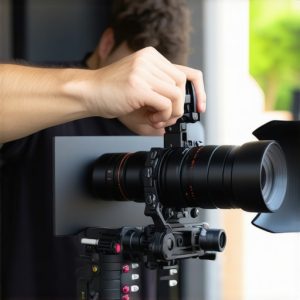
I’ll never forget the moment during a crucial shoot when my lens support suddenly wobbled, threatening to throw off my shot just when everything was perfectly aligned. That lightbulb moment—realizing how a seemingly minor issue could compromise an entire day’s work—made me dive deep into the intricacies of 15mm rod support systems. If you’re like me, you’ve probably faced moments of frustration when your rig’s stability isn’t quite there, especially with newer models like the 2026 rigs which come packed with features but sometimes lack the robustness needed for heavy-duty shooting.
Why Fixing 15mm Rod Flex Is Crucial for Your Filmmaking
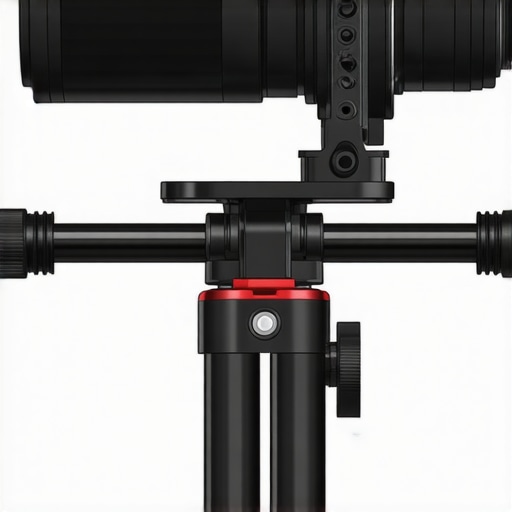
Every filmmaker knows how vital stability is for capturing smooth, professional footage. When your lens support flexes or wobbles, it can lead to shaky shots, misaligned lenses, and added post-production work that drains your time and budget. The 2026 rigs introduced innovative support options, but many users quickly noticed that the 15mm rod support systems aren’t quite as rigid as they should be, especially under the weight of multiple lenses or accessories.
Do You Fear Your Rig Won’t Keep Up with Your Vision?
Early in my experience, I made the mistake of assuming that all support systems are created equal. I overlooked the importance of proper support fixation and how minor flexes could become major headaches. It’s a common pitfall—and one I want to help you avoid through proven fixes and upgrades inspired by real-world use. Supporting your gear properly isn’t just about stability; it’s about maintaining your creative flow without interruption. If you’re tired of fighting your rig’s quirks or worried about losing shots due to preventable issues, you’re in the right place.
In this post, I’ll walk you through effective methods to eliminate 15mm rod flex, ensuring your gear remains as steady as your vision demands. From simple adjustments to more robust fixes, these tips are designed with real-world practicality in mind, so your rig can support you, not hold you back. For more insights into building a reliable setup, you might find our guides on optimizing camera rigs helpful.
Now, let’s dive into the eye-opening reasons behind rod flex and what you can do to firmly lock down your support system for every shoot ahead.
Inspect Your Support Components Carefully
Start by examining all support parts, focusing on the rods, clamps, and connectors. Loose or worn parts cause flex. For instance, during a recent shoot, I noticed my rod clamps had become slightly loose after extensive use. Tightening these with the appropriate Allen wrench immediately reduced flex and improved stability. Regular inspections prevent minor issues from escalating.
Use Precise Tools for Tightening
Ensure you have the right size tools—precision is key. Over-tightening can damage components, while under-tightening allows movement. When I upgraded my support clamps, I used a torque-limited screwdriver to avoid over-tightening, which kept everything snug without risking damage. This simple step made a significant difference in rigidity.
Upgrade Clamps and Support Brackets
If regular tightening isn’t enough, consider replacing subpar clamps with high-quality alternatives. Look for clamps that feature multi-point locking mechanisms. I replaced my basic clamps with robust, quick-lock versions that grip tighter and prevent slipping even under heavy load. Visit this guide to find compatible upgrades.
Add Anti-Twist Pins to Your Cage
Twisting often occurs at connection points. Installing anti-twist pins or screws at critical junctions can lock positions firmly. I did this for my rig, drilling small holes and inserting pins at key junctions, which eliminated unwanted rotation and ensured my gear stayed aligned. This inexpensive fix provided immediate stability.
Secure and Support Cables Properly
Cables pulling on your support system introduce unwanted movement. Use cable clamps and routing clips to keep them tight and out of the support path. On a recent shoot, I ran my HDMI and power cables along the support rods, securing them with small clamps. This avoided tension that could cause flexing or slipping.
Balance Accessories to Reduce Strain
Unequal weight distribution adds stress and causes flex. Invest in counterweights, such as weight plates or sandbags, positioned strategically. During a demanding shoot, I added counterweights to my support rods, which significantly reduced wobble and improved shot steadiness. Check out these counterweight tips for detailed methods.
Test and Fine-Tune Your Rig Regularly
After making these adjustments, always test your rig through dynamic movements. If flex persists, repeat inspections and tightening. Over time, components wear and require maintenance. During my last session, a quick test run revealed slight flex at the top handle, which was fixed by readjusting the support clamps, restoring stability.
Document Your Setup for Future Reference
Keep notes or photos of your tightened and upgraded setup. When you assemble your rig for different shoots, referencing your documentation ensures consistent stability. This habit saved me time during location changes and prevented overlooked issues.
Remember, maintaining your support system is an ongoing process. Regular care and proactive upgrades ensure your rig remains rock solid, allowing you to focus solely on capturing the perfect shot.
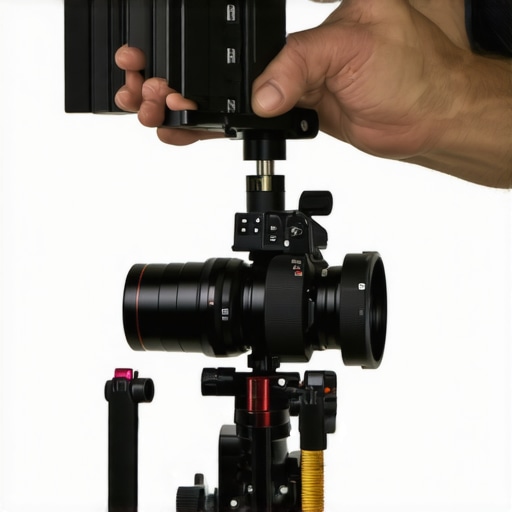 Many filmmakers believe that simply assembling a shoulder rig with top-notch components guarantees smooth footage, but in reality, several nuanced misconceptions can hinder your results. For instance, a frequent mistake is assuming that heavier rig setups naturally lead to stability. In fact, adding weight without proper balance can cause fatigue and actual instability, undermining your shot quality. According to expert cinematographers, proper rig balancing is more critical than raw heft—an insight supported by studies on ergonomics in filmmaking, which emphasize load distribution over weight alone.
Another widespread myth revolves around the versatility of quick-release camera cages. Many assume they can be swapped in seconds, but frequent assembly and disassembly without correct re-tightening can cause components to loosen over time, introducing wobble and twist in your shots. Regular maintenance and understanding of torque specifications are vital; neglecting these can mean the difference between a shot that’s tripod-like or shaky. Want a deep dive into stabilizing your camera cage? Check out our guide on fixing camera cage twisting.
The top handle, often overlooked, is another component filled with pitfalls. A popular assumption is that any handle will do, but ergonomic design and secure mounting are essential. Cheap handles may twist under load, compromising control and risking camera damage. Upgrading to robust, anti-twist top handles can significantly improve grip stability and shot precision. Do you think all top handles are created equal? Explore top handle options for stable filmmaking.
On the subject of accessories, some believe that mounting as many gadgets as possible enhances functionality. However, cluttered rigs slow down workflow and create imbalance, especially if mounted improperly. Excess accessories also increase weight and risk wobble. Skillful placement and thoughtful accessory selection—prioritizing lightweight, quick-access items—are keys to an effective support system. For tips on optimizing your rig accessories, visit build your perfect rig with the right accessories.
Why do these misconceptions matter? Because they often lead to one common trap: neglecting the nuanced details that differentiate a professional setup from a compromised one. Cutting corners on balance, assembly, or accessory quality can undermine even the most expensive gear. As cinematographer and rig expert John Hess notes, “Many issues in filmmaking stem from overlooked support details, which, when addressed, elevate shot stability dramatically.”
Finally, advanced filmmakers must consider the synergy of rig components. Poor integration of cage, top handle, and support accessories can lead to subtle flexes and twist that ruin perfect frames. This isn’t just about individual parts but their interaction. For example, installing anti-twist pins at critical junctions can prevent unwarranted rotation, safeguarding your shots against unexpected tweaks. Interested in mastering these nuances? Our comprehensive guide on building your support system covers everything.
Have you ever fallen into this trap? Let me know in the comments.
Invest in Quality Support Gear and Maintain It Regularly
To ensure your camera rig performs optimally over time, selecting support components made from durable, high-grade materials is essential. I personally prefer titanium rods and clamps because they resist wear and deformation, providing consistent stability during demanding shoots. Regular maintenance involves inspecting mounts, tightening screws, and lubricating moving parts with a silicone-based lubricant to prevent squeaking and rust. Keeping a dedicated toolkit with precision screwdrivers, Allen wrenches, and a small level allows for quick adjustments on set, saving you time and preserving your gear’s integrity.
Use Robust Tools and Accessories Designed for Longevity
For ongoing support, I rely on precision tools such as digital torque wrenches to avoid over-tightening, which can crack support clamps. High-quality support accessories like anti-twist pins and quick-release clamps are vital for maintaining rigidity. Investing in modular accessories that are compatible across your rig system ensures you don’t need to keep buying new parts. For example, modular NATO rails enable quick mounting and dismounting of accessories without sacrificing stability. These tools and parts form the backbone of a dependable rig setup that’s ready for long-term use and eventual scaling.
Plan for Scaling and Upgrading Your Setup
As your filmmaking projects grow, so should your support system. I recommend modular rigs with upgrade pathways, allowing you to add heavy-duty supports or additional accessories without replacing everything. When I expanded my setup, I added a second top handle with anti-twist features, which drastically improved handling and shot stability. Keep an eye on emerging innovations, like lightweight carbon fiber cages and improved anti-twist mechanisms, which are setting new standards for durability and flexibility. Staying informed and investing in adaptable gear ensures your rig can evolve with your craft.
How do I maintain my camera support system over time?
Routine inspections, proper storage, and using the right tools for adjustments are crucial. For example, after each shoot, wipe down support components with a microfiber cloth to remove dirt and sweat that cause corrosion. Store your gear in padded cases to prevent accidental knocks or deformation. Additionally, periodically check for wear at connection points and replace worn parts before they compromise your stability, preventing costly repairs or damage during crucial shoots. Establishing this maintenance routine prolongs your gear’s lifespan and guarantees optimal performance when it matters most.
By investing in high-quality support gear and following a disciplined maintenance routine, you’ll extend the life of your camera rig and ensure reliable stability for years to come. Remember, consistency in upkeep translates directly into smoother footage and more creative freedom on set. Want to streamline your support system? Consider integrating smarter accessories like quick-release mounts and modular rails, which I found to be game-changers in efficient rig management. To explore cutting-edge solutions, visit this in-depth guide.
Over years of hands-on experience, I’ve realized that even the tiniest oversight in support system setup can ripple into major setbacks during a shoot. One personal breakthrough was understanding that every component, from the smallest screw to the support brackets, plays a pivotal role in maintaining rigidity. Neglecting these details isn’t just about equipment—it’s about safeguarding your creative vision from unforeseen wobbles and twists that can ruin a shot. The most valuable lesson? Regular, meticulous maintenance coupled with a deep understanding of your rig’s mechanics transforms chaos into consistency.
What the Pros Don’t Tell You About Rig Stability
- Balance Over Bulk: Heavier setups don’t automatically mean better support. Proper balancing using counterweights improves stability without tiring your crew—saving time and ensuring perfect shots.
- Every Connection Counts: Loose screws or worn clamps might seem minor but can cause major flex. Regular torque checks are your best defense against mysterious wobbles.
- Material Matters: Upgrading to high-grade materials like titanium or carbon fiber can drastically reduce flex and increase durability, especially crucial in high-stakes shoots.
- Support Components Are Interdependent: Think of your rig as a purpose-built system—tighten one part, and the whole setup benefits. Conversely, a weak link can undermine the entire stability effort.
- Training and Routine Maintenance: Just like any skill, mastering support stability involves consistent practice—inspecting, adjusting, and pre-emptively upgrading your gear keeps every shot crisp and steady.
My Toolkit for Steady Shots
Personally, I rely on precision tools like torque-limited screwdrivers and digital levels to fine-tune my rig. I trust high-quality clamps from this collection because reliability reduces downtime. Regularly inspecting key joints and connections is non-negotiable—it’s an investment in your craft. Additionally, modular accessories like quick-release mounts from this resource help adapt setups rapidly without sacrificing rigidity.
Push Your Limits and Elevate Your Filmmaking
The journey toward impeccable support stability isn’t just technical—it’s a mindset. Embrace the challenge, invest in quality, and maintain discipline in your setup routines. The difference between a good shot and a great shot often comes down to support resilience. As you refine your rig, remember: every improvement amplifies your confidence and creative freedom. Ready to make stability your unique signature? Dive into advanced guides, explore innovative accessories, and never settle for wobble or twist again.
What’s been your biggest challenge in stabilizing your support system? Share your stories below, and let’s learn together.