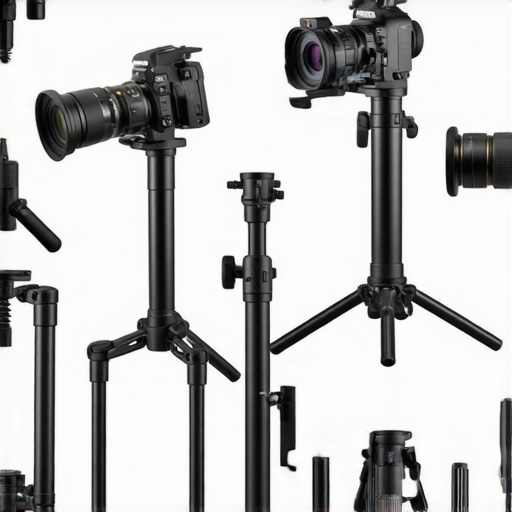
Essential Camera Rigs & Support Systems: Build Your Perfect Setup Today
Walking onto a busy set, camera in hand, I felt that familiar knot tighten in my stomach. Every flick of the handle, every tweak of the support system, seemed to add just a little more instability. My shots wobbled; my confidence wavered. That moment was a wake-up call—my rig, though packed with gear, lacked the stability and comfort I needed to shoot without worry. I realized that a poorly set up support system doesn’t just ruin a shot—it drains your energy and dampens your creativity.
Why Getting Your Camera Support System Right Matters More Than Ever
In the world of filmmaking, having a reliable, adaptable camera rig isn’t a luxury; it’s a necessity. The right setup can make the difference between a shaky clip and a cinematic masterpiece. Whether you’re shooting a quick documentary or an indie feature, your support system should serve your vision, not hinder it. As I experimented with different rigs, I learned that an optimal blend of accessories—like top handles, shoulder rigs, and cages—does more than stabilize your camera. It enhances your workflow, reduces fatigue, and empowers you to capture fluid, professional shots.
But here’s the kicker: it’s easy to fall into the trap of buying the fanciest gear without understanding how to assemble it for maximum benefit. Early on, I made the mistake of stacking accessories without considering their compatibility or ergonomics. That oversight cost me precious time and led to unnecessary frustration, which is why I now advocate for a thoughtful, personalized approach. If you’ve ever felt overwhelmed by the sheer number of options or doubted whether your setup is worth the investment, you’re not alone.
The good news? Building a capable, efficient camera rig doesn’t have to be daunting. With the right guidance, you can create a system tailored to your style and needs. Ready to learn how to optimize your gear for professional results? Let’s dive into practical tips and expert insights that will help you assemble a support setup that truly works for you. For a deeper dive into customizing your equipment, check out [this guide on building your perfect setup](https://rigs.creatorrigreviews.com/camera-rigs-support-systems-ultimate-tips-for-building-your-setup). Now, let’s get started!
Select the Right Support Accessories
Start by choosing a compatible camera cage that fits your gear and shooting style. Think of your cage as the skeleton that holds everything together, much like the frame of a building—sturdy and adaptable. When I first attempted this, I randomly picked a cage from a bulk order, only to find later that it didn’t fit my specific camera model well, causing instability. Research models that match your camera specifications and prioritize lightweight yet durable materials to prevent fatigue during prolonged shoots. For detailed guidance, check out this comprehensive guide.
Integrate Essential Accessories Thoughtfully
Add top handles and shoulder rigs to enhance control and comfort. Imagine the top handle as a steering wheel: it gives you precision and stability when maneuvering your camera. I remember deploying a top handle on my rig for a documentary shoot; initially, I attached it without adjusting for height, which led to wrist strain. Fine-tune each accessory’s position so it naturally conforms to your grip and posture. Use quick-release mechanisms where possible to switch configurations easily. For optimal results, explore shoulder rig options tailored for extended shoots.
Balance Weight and Ergonomics
Distribute weight evenly across your rig to prevent fatigue and maintain fluidity. Think of your setup like a bicycle: uneven weight distribution causes wobbling and makes steering difficult. During a recent shoot, I noticed my rig tip forward after adding my matte box and batteries—a nightmare on set. To fix this, I repositioned heavier accessories closer to the camera body and added counterweights at the rear. Secure all components tightly to avoid shifting during movement, which can destabilize your shot. This process echoes the advice found at this expert resource.
Adjust for Maximum Stability
Fine-tune each component’s position and tightness before rolling. Like tuning a musical instrument, small adjustments can dramatically improve stability. I recall tightening my shoulder rig’s rods one notch at a time, recording test shots to evaluate the impact. Ensure that your camera remains level, and the rig doesn’t sway during movement. Use mounting plates and quick-release grips that allow precise adjustments without fully disassembling your setup. For expert tips, refer to this detailed guide.
Test and Refine Before Shooting
Always run a few practice shots after assembling your setup. Think of it as a dress rehearsal—identify wobbliness, discomfort, or awkward angles and address them promptly. During one shoot, I spent additional time adjusting my handle angle and counterweights, which paid off in smoother footage. Move around with your rig, simulate camera motions, and make incremental improvements. This iterative process ensures your support system is optimized for the specific demands of your project. For more insights, explore this complete overview.
While many filmmakers focus on the flashy aspects of support gear, such as choosing the right camera cage or top handle, there’s a hidden nuance that often goes unnoticed—over-customization can hinder flexibility and mobility. A frequent myth is that heavier, more complex rigs invariably produce smoother shots; in reality, excessive accessories can lead to fatigue and reduced maneuverability, especially during dynamic shooting scenarios.
Is It Better to Invest in Versatile or Over-Configured Support Systems?
Advanced professional advice suggests prioritizing modularity and ergonomics over stacking multiple accessories without clear purpose. Overloading a rig with specialized components might seem beneficial but can cause unforeseen issues like increased setup time, imbalance, and strain, ultimately compromising shot quality. For instance, attaching too many counterweights or rigid connectors can diminish your ability to make quick adjustments on the fly—an essential skill in fast-paced environments. According to industry expert Peter McKinnon, “Striking the right balance between stability and ease of movement is crucial for capturing professional-grade footage without burnout.” Micro-adjustments are often overlooked; even minor shifts in weight distribution can lead to noticeable instability, which is why it’s vital to test and refine your setup meticulously before each shoot. Be wary of the ‘more is better’ mentality—sometimes, simplifying your rig enhances overall performance. Curious about the subtle details that separate a good support system from a pro-level setup? Dive into this expert guide. Remember, the goal isn’t just to stabilize your camera but to empower your creativity seamlessly. Have you ever fallen into this trap? Let me know in the comments.
To ensure your camera support system continues delivering smooth performance, regular maintenance and thoughtful tools are essential. Start by inspecting your rig before every shoot—check for loose screws, stressed joints, or worn-out pads. Using high-quality tools like precision Allen wrenches and torque screwdrivers helps tighten components without over-tightening, which could damage delicate parts. I personally rely on a small toolkit from Wiha because of their durability and precision, minimizing wear on fasteners over time.
How do I maintain my rig over the long haul?
Periodic lubrication of moving parts, like quick-release plates and joints, preserves smooth operation. I recommend using silicone-based lubricants sparingly on these points—avoiding excess that might attract dust and debris—much like the advice in this expert guide. Keep your accessories clean; gentle wiping with a microfiber cloth prevents grime buildup that could impair functionality. Additionally, when storing your gear, use padded cases and avoid extreme temperatures to prevent material degradation and warping.
Investing in modular components that are easy to replace or upgrade can save you headaches later. For example, upgrading to quick-release systems with secure locking mechanisms ensures your rig stays stable during shoots and simplifies breakdown for travel—saving valuable setup time. As I’ve found, sticking with reputable brands like this comprehensive support system support makes a notable difference in longevity and performance.
Future trends in rig durability and maintenance
Advances in lightweight, resilient materials such as carbon fiber composites are expected to revolutionize support gear longevity, offering increased strength-to-weight ratios. Additionally, smart tools equipped with digital torque sensors might soon provide real-time feedback on tightening levels, reducing risk of over-tightening. Exploring these innovations now and integrating them into your workflow could keep your setup reliable and ready for demanding shoots. Why not try out a precision torque driver and see how it improves your maintenance routine? Your future self will thank you for proactive care, ensuring your gear continues performing flawlessly for years to come. For more detailed insights, visit this resource on support gear maintenance.
Lessons That Surprisingly Changed My Rig Game
One of the most profound lessons I learned about camera support systems came from a simple realization: sometimes, less truly is more. Over-customizing my rig with every new accessory made me prioritize complexity over functionality, leading to setup delays and reduced mobility during shoots. It taught me that understanding the core purpose of each component can save time and improve stability.
Another insight was the importance of ergonomic balance. I once focused solely on adding heavy counterweights, assuming they would enhance stability. Instead, I discovered that distributing weight evenly and following natural ergonomic principles allowed for smoother camera movements and less fatigue. Listening to my body and rig feedback proved to be invaluable.
The biggest lightbulb moment was appreciating the value of regular testing and refinement. After building my perfect setup, dedicating time to test shots and adjust accessories meticulously paid off big time, turning shaky footage into cinematic excellence. This iterative process became a cornerstone of my workflow, reminding me that perfection is an ongoing pursuit—not a one-time setup.
My Personal Arsenal for Filmmaking Mastery
To keep my support system reliable and efficient, I rely on trusted tools like this comprehensive guide on supporting gear, which offers detailed insights into modular and ergonomic setups. My toolkit also includes high-quality quick-release plates from Manfrotto—their durability ensures quick adjustments under pressure. For ongoing education, I look at industry leaders such as Peter McKinnon, whose tutorials and reviews provide practical, experience-based advice that keeps me inspired and informed.
Your Next Step in Filmmaking Confidence
Now that you’ve seen how small shifts in your camera rig setup can lead to big improvements, it’s your turn to experiment and refine. Remember, building a support system tailored to your style empowers your creativity, minimizes fatigue, and elevates your footage to new cinematic heights. Don’t wait for perfect conditions—start making adjustments today, and experience the difference firsthand. Have you had a breakthrough moment with your rig that changed your shooting perspective? Share your story below and let’s learn together.

This post resonates deeply with my own experience of building a versatile yet lightweight support system for my indie films. I used to think that stacking as many accessories as possible was the way to go, expecting smoother shots and better stability. However, I quickly found that the added weight and complexity actually hampered my mobility and increased fatigue during long shoots. I started focusing on modular, ergonomic setups that allowed quick adjustments and less strain. It’s fascinating how small tweaks—like repositioning counterweights or choosing multi-purpose accessories—can significantly improve stability without overloading the rig. Have others found specific brands or configurations that offer the best balance between weight and stability? I’d love to hear your recommendations, especially for shooting in tight or dynamic environments where agility is crucial.
I completely relate to the pain points of trying to balance stability with mobility. In my experience, selecting the right materials for your support gear makes a big difference—not just in durability but also in managing weight. Carbon fiber cages and rods, though a bit pricier, tend to be lighter and more rigid, which can reduce fatigue without sacrificing support. I’ve also found that modular rigs that allow quick customization help immensely on tight setups where adapting on the fly is necessary. When it comes to brands, I’ve had good results with Tilta and SmallRig for lightweight accessories that don’t compromise on stability. Has anyone experimented with custom DIY solutions to modify standard rigs, perhaps adding or removing components based on the shoot needs? Sometimes small tweaks can make a world of difference when working in unpredictable environments. Would love to hear others’ approaches to keeping their rigs both sturdy and nimble.