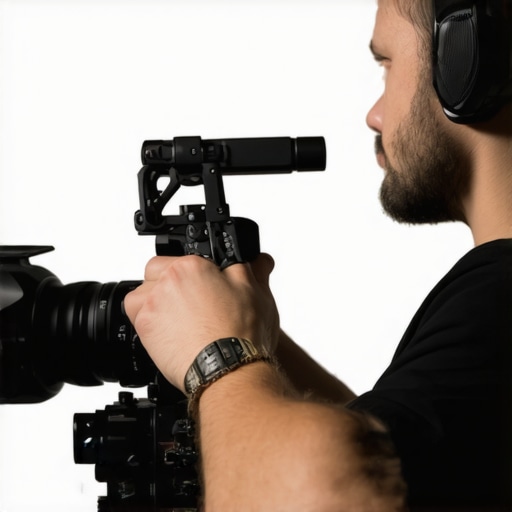
Maximize Your Camera Rig Setup with Shoulder Rigs & Top Handles
Ever been in the middle of a shoot, camera in hand, only to realize your rig feels more like a burden than a tool? That sinking feeling of shaky footage, awkward handling, and constant readjustments? Believe me, I’ve been there. I once spent hours trying to stabilize a shot only to find my shoulder rig was more of a hindrance than a help. It was a lightbulb moment—my setup was all wrong.
Why Your Camera Rig Can Make or Break Your Shots
If you’re serious about filmmaking or vlogging, you know that your gear isn’t just about having the latest camera. It’s about how well you support and maneuver it. A poorly configured rig leads to fatigue, unstable footage, and missed creative opportunities. But here’s the thing: with the right shoulder rig and top handle setup, you can elevate your filmmaking game almost overnight. I promise, the difference is night and day. Today, I’ll walk you through the essential tips to maximize your setup, based on my own trial-and-error journey—and a few expert insights, like those found in this guide to shoulder rigs for pros.
Is Overloading Your Rig Worth the Risk?
I used to think more gear meant better shots. Turns out, I was just adding weight and complexity. A mistake I made early on was cramming every accessory I could find onto my rig, which made it bulky and unwieldy. Now, I focus on essentials, choosing quality over quantity. This approach not only improves stability but also reduces fatigue. Want to avoid my rookie mistakes? Check out tips on optimizing your rig for smoother shoots. Ready to transform your setup? Let’s dive into the practical steps that will make your camera feel like an extension of your body, not a burden.
Secure Your Gear Properly
Start by choosing a lightweight yet sturdy shoulder rig that fits your camera’s size and weight. Use the quick-release plate to mount your camera securely, ensuring it doesn’t wobble or shift during movement. When I first tried this, I spent extra time tightening every screw and found my camera was much steadier, preventing unnecessary slips that could ruin a shot.
Balance Is Key
Adjust the rig so that the weight is evenly distributed across your shoulder. Think of it like balancing a bicycle — if one side is heavier, your ride becomes unstable. Use counterweights if necessary, and always test the balance before shooting. I once added a hefty monitor and realized my rig tilted forward; redistributing the weight solved the issue instantly.
Fine-Tune the Top Handle Position
Attach the top handle at the right height to give you comfortable control. Position it so your arm naturally rests at a 45-degree angle, reducing fatigue. I experimented with different heights during a long shoot and found that a slightly higher handle gave me better stability when moving around tight spaces.
Grip and Movement
Hold the top handle firmly but relaxed. Imagine you’re holding a delicate object — too tight causes fatigue, too loose risks losing control. Practice small, controlled movements; this minimizes shake and creates smooth footage. During my last shoot, steady grip combined with slow, deliberate movements resulted in professional-looking footage without post-stabilization.
Optimize Your Accessories
Only add essential accessories like a matte box, follow focus, or external monitor. Overloading makes your rig heavy and cumbersome, leading to fatigue and shaky shots. I once overloaded my rig with every accessory I owned, and my footage suffered. Focus on high-quality gear that enhances stability and usability. Check out this guide to rig accessories for ideas.
Secure Cables and Battery Packs
Manage your cables with velcro straps to prevent tugging or accidental disconnections. Use a reliable battery system that balances on the rig without adding bulk. During a recent documentary shoot, well-managed cables kept my focus on framing, not troubleshooting technical issues.
Test and Adjust Before Shooting
Always perform a quick run-through to check stability, balance, and control. Walk around, simulate your shots, and make small adjustments. I learned this the hard way when a last-minute tweak saved my shot from being unusable. Regular testing ensures your setup is optimized for every scene.
Remember, your camera rig setup isn’t a one-time task — it’s an ongoing process of fine-tuning. The effort pays off in smoother shots, less fatigue, and more creative freedom. Keep experimenting, and don’t be afraid to customize your rig until it feels like an extension of your body.
Many filmmakers and hobbyists alike fall into pitfalls when assembling their camera rigs, often believing that more gear or heavier setups automatically lead to better footage. However, the real nuance lies in understanding the common misconceptions and hidden pitfalls that can sabotage your shooting experience. Let’s dig deeper into what most people get wrong about camera rig setup and how to avoid these costly mistakes.
Why Overloading Your Rig Can Backfire
Contrary to popular belief, packing your rig with every accessory available doesn’t translate into higher quality shots. In fact, excessive weight and complexity can cause fatigue, instability, and slow down your workflow. Overloading can lead to shaky footage and increase the risk of equipment damage. A smarter approach involves selecting only essential accessories that truly enhance your setup. For example, a high-quality follow focus or external monitor can make a significant difference, whereas multiple unnecessary mounts or gadgets often complicate handling. To learn more about selecting the right accessories, check out this guide.
Misjudging Rig Balance and Weight Distribution
Many forget that proper balance isn’t just about weight—it’s about distribution. An unbalanced rig causes strain on your shoulders and arms, leading to inconsistent shots. A common mistake is to add counterweights without adjusting the rig’s overall balance, which can make handling awkward. Always test your setup by walking around or simulating shots to ensure the weight feels natural and balanced. Remember, a well-balanced rig will reduce fatigue and improve shot stability, ultimately saving you time in post-production.
Overlooking the Importance of Fine-Tuning
It’s tempting to assemble your rig and start shooting immediately, but overlooking the fine-tuning process can be a major mistake. Small adjustments in handle height, camera placement, or counterweights can dramatically improve comfort and stability. Regularly test your setup before each shoot—adjust, tweak, and refine until your rig feels like an extension of your body. This might seem time-consuming, but it’s a crucial step often skipped by beginners.
Are You Making These Advanced Setup Errors?
Even experienced users sometimes fall into subtle traps, such as neglecting cable management or ignoring the impact of environmental conditions on your gear. For instance, loose cables can cause accidental disconnections or create tripping hazards. Proper cable management with velcro straps and secure mounting points preserves your setup’s integrity. Additionally, consider how weather or temperature might affect your equipment—cold can make batteries drain faster, while heat can cause components to expand. Staying aware of these nuances can significantly enhance your shooting reliability.
By understanding these hidden nuances and avoiding common mistakes, you can transform your camera rig from a cumbersome burden into a seamless extension of your creative vision. Remember, mastery comes from continuous fine-tuning and learning from experience. Have you ever fallen into this trap? Let me know in the comments. For more advanced tips, explore this expert guide.
Maintaining your camera rig isn’t just about cleaning and occasional checks; it’s about adopting a proactive approach with the right tools and practices to ensure longevity and optimal performance. Over time, dust, vibrations, and wear can degrade your setup, leading to shaky footage or equipment failures. That’s why investing in specific maintenance tools and adopting disciplined routines can save you headaches and money down the line.
Invest in Quality Cleaning Supplies
Regular cleaning with high-quality supplies is vital. I personally swear by microfiber cloths and compressed air cans to keep dust and debris off delicate components like lens mounts and connectors. For moving parts, I use a small amount of contact cleaner on joints to prevent squeaking and corrosion. Avoid using harsh chemicals that can damage sensitive surfaces; instead, opt for products designed for electronic and camera gear.
Use Precise Calibration Tools
Over time, your focus pulls and stabilization settings may drift, affecting shot quality. I recommend investing in a focus calibration chart and a professional loupe to verify and adjust your settings periodically. This practice keeps your focus sharp and reduces the need for extensive post-production corrections. Regular calibration with these tools ensures your gear performs at its best, which is especially crucial for professional projects.
Implement Cable Management Systems
Loose cables are a common culprit for gear damage and operational hiccups. I use velcro straps and cable clips to keep everything tidy. This not only prevents accidental disconnections but also reduces wear on connectors and ports. Maintaining a clean cable setup minimizes troubleshooting time and keeps your rig ready for action at a moment’s notice.
Schedule Routine Inspections
Set a weekly or bi-weekly inspection routine to check for loose screws, worn-out parts, or signs of fatigue. I keep a checklist based on the support systems guide. Addressing small issues early prevents costly repairs and downtime. Remember, consistency is key; a little effort now extends the lifespan of your equipment significantly.
Stay Ahead with Up-to-Date Knowledge
Keeping your tools and techniques current is essential. I follow industry blogs and participate in forums to learn about emerging maintenance technologies and best practices. For example, recent advancements in anti-corrosion coatings for metal parts have improved durability in harsh environments. Staying informed allows you to adopt new methods that keep your rig performing flawlessly, season after season.
Future Trends in Maintenance
Looking ahead, I predict more smart diagnostic tools will become standard, utilizing sensors to monitor component health and alert you before failures occur. Integrating IoT devices into your rig could revolutionize how we maintain our gear, making routine checks more efficient and less guesswork. Embracing these innovations now will give you a competitive edge in professional filmmaking.
How do I maintain my gear over time?
Develop a disciplined routine that includes regular cleaning, calibration, inspections, and staying informed. Use specialized tools like microfiber cloths, calibration charts, and cable management accessories to keep everything in prime condition. Remember, the effort you put into maintenance directly correlates with the quality and lifespan of your equipment. Try implementing a weekly check-in process and see how much smoother your shoots become.
For more detailed tips on customizing your setup and choosing the right accessories, explore this comprehensive guide.
The Hardest Lesson I Learned About Rig Setup
One of my biggest lightbulb moments was realizing that a rig’s complexity can be a trap. I used to think more accessories meant better footage, but I quickly learned that overloading my setup only made handling cumbersome and unstable. Simplifying and focusing on essentials transformed my shots dramatically.
How Fine-Tuning Your Rig Can Save You Hours
It sounds obvious, but dedicating time to adjust handle height, weight distribution, and cable management before every shoot is a game-changer. I once skipped this step, only to spend hours fixing shaky footage later. Regularly tweaking your setup ensures your camera feels like an extension of your body, not a burden.
This One Tip Boosted My Stability Overnight
Using counterweights intelligently and testing balance by walking around with your rig can prevent fatigue and shaky shots. I found that a small adjustment in weight distribution made my footage noticeably smoother, saving me time in post-production and elevating my professionalism.
My Secret Weapon for Maintaining Your Rig Long-Term
Investing in quality cleaning supplies and performing routine inspections keeps your gear performing at its best. I swear by microfiber cloths and cable clips, regularly checking for loose screws or worn parts. This proactive approach extends your equipment’s lifespan and ensures reliable results every time.
Where to Go from Here
Explore the ultimate guide to rig accessories and refine your setup with expert tips. Remember, mastery isn’t a one-time achievement; it’s a continuous process of learning and adjusting. Keep experimenting, and your camera will become an even more powerful storytelling tool.
Your Turn to Try
Have you ever struggled with balancing your rig or fine-tuning your setup? Share your experiences below and let’s learn from each other’s journeys to better filmmaking with camera rigs.


![How to Balance a 20lb Shoulder Rig Without Back Pain [2026]](https://rigs.creatorrigreviews.com/wp-content/uploads/2026/03/How-to-Balance-a-20lb-Shoulder-Rig-Without-Back-Pain-2026-300x300.jpeg)
This post really resonated with me because I’ve experienced firsthand how a poorly balanced rig can turn a straightforward shoot into a real chore. I used to overload my setup with gadgets and accessories, thinking it would improve my footage, but all it did was cause fatigue and shakiness. Since I started focusing on essentials and fine-tuning my balance and handle placement, my shots are much smoother, and I can shoot for longer periods without discomfort. I’m curious—what are some effective ways to quickly check if your rig is still balanced during a shoot, especially when moving around in tight spaces or outdoors? I’ve found that periodically adjusting the counterweights during longer shoots really helps, but I’d love to hear if others have a more efficient method. Overall, this article is a great reminder that proper rig setup and maintenance can make all the difference in producing professional-quality footage without unnecessary strain or hassle.
This article really hits home because I’ve spent countless hours trying to troubleshoot shaky footage during shoots, only to realize the root cause was my rig setup. I used to think that adding more accessories would enhance stability, but all it did was make my rig bulky and tiring to handle. Lately, I’ve been focusing on core essentials and proper weight distribution, which has significantly improved my footage and reduced fatigue. One thing I found really helpful is periodically checking the balance by gently tilting the rig and feeling if it feels naturally balanced on my shoulder. Do others have quick methods for checking balance when moving through tight spaces or outdoor environments? Sometimes, I find that a simple visual or tactile check isn’t enough when I’m on the move. Also, I’m curious—has anyone experimented with quick-release systems for more efficient adjustments during long shoots? It might be a game-changer for workflow. Overall, this post is a great reminder that continuous fine-tuning and understanding your gear are key to better, more stable shots. Would love to hear other tips from the community on maintaining perfect balance on the fly.
This post really hits home because I’ve also learned the hard way how essential proper rig setup is. I used to be guilty of throwing on as many accessories as I could find, thinking that more gear would automatically lead to better results. But I quickly found myself exhausted after just an hour of shooting and shaky footage to show for it. What really made a difference for me was focusing on lightweight, high-quality essentials and dedicating time to fine-tune the balance and handle positioning before each shoot. I’ve found that even slight adjustments, like moving the top handle a little higher or lower, can drastically improve control and reduce fatigue. One question I have for others in this community is: how do you quickly verify that your rig is still balanced when moving through tricky environments like tight indoor spaces or outdoor trails? Do you have any tips or quick checks that can save time during a busy shoot? Sharing these little tricks could really help us all improve our craft and make longer shoots more manageable.
This post really hits home for me because I’ve gone through similar struggles with rig stability and fatigue. I’ve found that using quick-release plates has been a game-changer for making fast adjustments on the fly, especially when I need to switch between handheld and tripod modes quickly. Also, I often check the balance by gently tilting the rig and feeling how it rests on my shoulder—if it feels off, I make small tweaks before continuing. For outdoor or tight indoor spaces, I’ve learned that visual cues and a few simple tactile checks are my best tools for real-time adjustment without stopping long shoots. Has anyone experimented with adding quick-adjust tension controls to their top handle or counterweights? I believe these could further streamline the process of maintaining perfect balance during dynamic shoots. Overall, this article reminds me that continuous fine-tuning and smart accessories can significantly improve stability and reduce fatigue, paving the way for smoother, more professional shots.