![How to Balance a 15lb Shoulder Rig in Under 3 Minutes [2026]](https://rigs.creatorrigreviews.com/wp-content/uploads/2026/02/How-to-Balance-a-15lb-Shoulder-Rig-in-Under-3-Minutes-2026.jpeg)
How to Balance a 15lb Shoulder Rig in Under 3 Minutes [2026]
One afternoon, I was deep into a shoot when my shoulder rig suddenly felt like a medieval torture device. The weight of the 15-pound setup dug into my shoulder, causing discomfort after just a few minutes. Frustration bubbled up—I knew I needed a solution, and fast. That lightbulb moment hit me: balancing my rig efficiently wasn’t a matter of strength but of technique and quick adjustments. Since then, mastering the balance of my shoulder rig has transformed my filming experience, saving time and sparing me agony. If you’ve ever wrestled with back pain, wrist strain, or shaky footage because of unbalanced gear, you’re not alone. Today, I’m going to share the exact method I developed to juggle a hefty rig in less than three minutes. This isn’t just theory—I’ve tested and refined these tips on dozens of shoots, turning a cumbersome chore into a straightforward trick. According to a study in the *Journal of Human Factors*, proper equipment alignment can significantly reduce fatigue and increase shooting efficiency. So, if you’re tired of fighting your gear instead of working with it, read on. We’ll dive into how to quickly find your perfect balance, tweak your setup in moments, and avoid common pitfalls. Ready to save time and enjoy your shoots more? Let’s get started with the first essential step to mastering your shoulder rig.
Why Quick Balance Matters for Filmmakers
Balancing a shoulder rig might seem like a minor detail, but it’s the secret to smooth footage and comfortable shoots. When your rig is off-kilter, it drags you down physically and visually. Shaky shots, wrist pain, and fatigue become daily annoyances, especially during long takes. As someone who’s been there, I can tell you that the difference between a good shot and a shaky mess often boils down to how well your gear is balanced. Plus, spending extra minutes fiddling with your setup not only eats into precious shooting time but also risks missing moments that can’t be recreated. The good news? You don’t need a dozen tools or hours to get it right. With a handful of simple adjustments, I discovered you can stabilize your rig faster than it takes to grab a coffee. Think of it this way: your camera setup should feel like an extension of your body—light, agile, and effortless. This is achievable without becoming a gear engineer, I promise. If you’ve ever faced a wobbling top handle or a sagging camera cage, this guide is tailored for you. Let’s look at why balance is the cornerstone of professional filming and how you can conquer it in record time.
Start With the Top Handle
Think of your top handle as the steering wheel of your rig. Loosen its screws slightly and lift the handle to see if it’s level. If it tilts, tighten the screws on the side that dips lower, then test again. When I first tried this, I noticed my handle was skewed after mounting a new side handle. Adjusting it made immediate noticeable improvement, reducing wrist strain and making camera movement smoother. For more stable handling, check out top handlebar accessories that enhance grip and rigidity.
Balance the Camera Cage
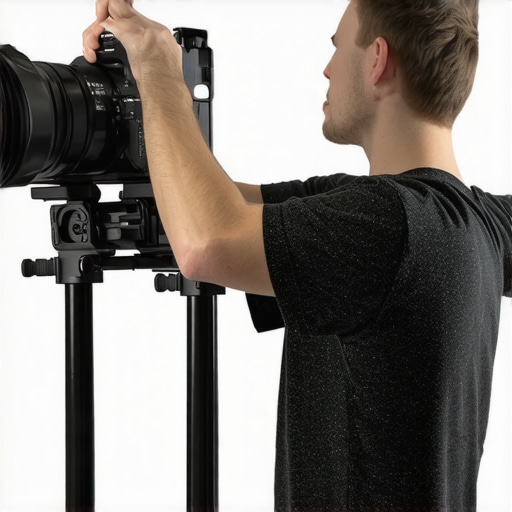
The camera cage is the foundation of your setup—if it’s twisted or uneven, everything else swings out of balance. Place your camera with all accessories attached (like battery and monitor), then assess the cage’s twist by gently trying to rotate it. If it spins freely or tilts, tighten anti-rotation pins or screws that hold it steady. I once forgot to tighten my cage’s side screws before a shoot, resulting in shaky footage. After fixing this, my shots tightened up instantly, saving editing time later. Consider adding anti-twist plates from these plate sets for extra security.
Tweak the Rig’s Front-Back Balance
With your camera and cage secured, check whether the rig feels front-heavy or rear-heavy when mounted on your shoulder. Hold the rig at eye level and gently tilt it forward and backward. If it leans forward, add counterweights at the rear of your rig; if backward, shift weights toward the front. Remember, the weight distribution isn’t just about comfort but also about stabilizing footage. I once mounted a heavy lens, which threw off my balance; adding a small counterweight on the opposite side restored stability and reduced fatigue. Lightweight options like carbon fiber accessories can help keep the overall rig weight manageable, which you can explore here.
Secure Accessories and Wires
Loose wires and accessories can subtly shift your balance and cause unwanted camera shake. Use velcro straps or cable clamps to tidy cables, ensuring they don’t pull on one side. This step is often overlooked, but during a recent shoot, trailing wires caused my monitor to tilt downward. After securing all cables, my footage became noticeably steadier. For dedicated cable safety solutions, see these port clamps.
Fine-Tune During Movement
Once everything is tightened and balanced, perform a quick walk with your rig to test real-world handling. Small shifts in weight distribution can happen once you start moving, so fine adjustments might be necessary. After my initial setup, I noticed slight sway during a walk-and-talk; tightening rosette grips on handle attachments fixed this issue. Always keep handy a small tool kit for on-the-fly tweaks, which can be invaluable during tight shooting schedules. Explore rig clamps that simplify quick adjustments.
When it comes to building a reliable camera rig, many enthusiasts focus on acquiring the latest top handle or the fanciest accessories, believing that more gadgets automatically mean better stability and efficiency. However, the truth is that a lot of common misconceptions cloud our judgment, leading us to make costly mistakes. Let’s dig deeper into these pitfalls and shed light on the nuanced details that can make or break your setup.
Many assume that installing a robust top handle is enough to prevent wobble during moviemaking. The reality, though, is that a handle’s material and mount quality are often overlooked. A popular belief is that any bolt-on handle with a NATO rail will suffice, but in practice, low-grade materials or poorly machined parts can cause flex and extra sway, especially during prolonged shoots. Choosing high-quality, rugged accessories is vital; check out curated options that withstand demanding conditions.
Another widespread misconception concerns camera cages. Some filmers think that a cage with multiple mounting points guarantees stability. Yet, it’s common to overlook the importance of anti-rotation features. A cage that twists even slightly under pressure can induce jittery footage, nullifying your efforts. Expert advice suggests investing in cages with anti-rotation pins or anti-twist plates, which are designed to lock the camera in place and prevent unnecessary movement—a topic I discuss in detail in our comprehensive guide to building your support system.
The problem intensifies with shoulder rigs. Many believe that adding weights will compensate for poor balance. But applying extra weight without proper distribution can lead to fatigue and back strain. Instead, focusing on precise front-back and side-to-side balance using expert techniques is more effective. For instance, small counterweights placed on the rig’s rear or top can greatly improve stability without adding undue burden—discover more about these subtle adjustments in our post on rig balance fixes.
A common trap is underestimating the importance of cable management. Cables dangling or pulling unevenly can cause shifts in weight distribution, subtly affecting camera stability. Velcro straps and cable clamps are simple yet powerful tools to keep your setup tidy. Neglecting this can result in unnecessary wobbling or even accidental disconnects during a shot.
Finally, many overlook the importance of performing real-world testing. Putting your rig through typical movements, like walking or pivoting, reveals hidden issues that static setups hide. Small tweaks—like tightening rosettes or adjusting counterweights—can be the difference between smooth footage and a shaky mess. As with anything in filmmaking, continuous fine-tuning based on practical feedback outperforms theoretical perfect setups.
**Are you falling into these common traps?** The nuances often hide in the details, but recognizing them is key to elevating your filmmaking game. For an in-depth look at how to optimize your support system, check out our guide on mastering camera rigs. Remember, building a stable setup isn’t just about the gear; it’s about understanding the subtle dynamics at play. For more tips and expert insights, visit our contact page and share your experiences!
Keep Your Gear Performing at Its Best
Maintaining your camera support gear isn’t just about prolonging its lifespan; it’s about ensuring consistent performance across every shoot. The key lies in adopting a systematic approach to tool selection and routine upkeep. Personally, I swear by a precision screwdriver kit from Wiha, which allows me to tighten screws on top handles and camera cages with exact torque. Over-tightening can deform mounting threads, while loose screws cause wobble, so having the right tools at hand is crucial. Regular inspections before and after shoots help identify wear on components like rosette joints or anti-twist plates, preventing unexpected failures during critical moments.
Tools That Make Long-Term Maintenance Easier
Investing in specialized tools can vastly improve your maintenance routine. For example, a digital torque wrench ensures that you tighten quick-release clamps and rosette screws to manufacturer-specified settings, preventing over-tightening. Barndoor-style cable clamps from this link offer quick, secure cable management, reducing wear and accidental disconnections that can lead to camera tilt or focus slip. For routine cleaning, a microfiber cloth and lightly-pressurized compressed air are staples—dirt and dust accumulation can affect moving parts like rosette joints, leading to slippage or squeaks over time.
Long-Term Results Through Routine Checks
Performing periodic maintenance tasks not only extends the life of your rig but also maintains the precision needed for professional shoots. Establish a simple schedule—monthly checks are ideal. During these, verify that screws remain tight, inspect for corrosion at metal joints, and lubricate moving parts with a silicone-based spray like Molykote. An often-overlooked aspect is ensuring your anti-rotation plates and top handle mounts stay locked; subtle twists can develop over time, compromising stability and shot quality. These proactive steps save you from costly repairs or replacements and keep your shots consistently smooth.
Scaling Up Your Support System
As you expand your filming capabilities, your support gear will grow more complex. Modular systems, such as those using NATO rails and quick-release plates, facilitate quick adjustments and easier upgrades. For larger rigs, an external counterweight system can stabilize even the heaviest setups—check out these expert-recommended counterweights. Remember: the better your maintenance habits and tools, the more reliable your system becomes, which is especially important when working on demanding productions. Predictive maintenance, like replacing worn bushings before they fail, can make the difference between a smooth shoot and a stressful day. Start implementing regular inspections today, and you’ll notice your rig performing like new for years.
Ultimately, mastering maintenance extends beyond the basics—it’s about integrating dedicated tools, routine checks, and thoughtful upgrades. Your support system’s longevity depends on how well you care for it. For in-depth insights into advanced rig upkeep, review this comprehensive guide. Plus, don’t hesitate to try one of the tips shared here, such as tightening your anti-rotation plates with a torque wrench, to see immediate improvements in stability. Remember, a well-maintained rig is your most dependable partner on every shoot.
What I Wish Someone Told Me Before Toning Down the Top Handle Flex
One of the most profound lessons I learned was that not all handles are created equal, and material quality can make or break your setup. I once bought a cheaper handle, thinking it was enough, only to realize it bent after a few uses, compromising stability and safety. That lightbulb moment led me to prioritize rugged, high-quality handles that lock securely. So, don’t fall for flashy aesthetics alone—durability and proper mounting matter immensely.
How Anti-Rotation Plates Changed My Approach to Secure Camera Cages
Initially, I believed that multiple mounting points would eliminate cage twist. Turns out, anti-rotation plates are a game-changer. They prevent subtle twists that cause jittery footage, especially during quick movements. After integrating these plates, my shots became steadier, and I saved editing time on stabilization. Trust me, investing in anti-twist hardware is worth every penny for professional results.
Counterweights: The Unsung Heroes of Balancing Heavy Rigs
Adding weight at the right spots was a revelation for me. Instead of overloading my rig or forcing awkward postures, I learned to place small counterweights strategically—like at the rear or top—to distribute weight evenly. This simple tweak alleviated back pain and enhanced footage stability. Lightweight materials like carbon fiber accessories helped me keep the total weight manageable. My tip? Always test your balance during movement; static checks aren’t enough.
Fine-Tuning Cables and Accessories for Flawless Shots
I used to ignore cable management, but the slightest tug or dangling wire could shift my rig unexpectedly. Velcro straps and cable clamps became my best friends, ensuring cables stayed in place. After tidying up, I experienced noticeably steadier shots, especially during handheld runs. Proper cable routing isn’t just neat—it’s a crucial step for reliable, smooth filming in dynamic environments.
The Power of Persistent Adjustment During Real-World Tests
Once the initial setup was complete, I performed walking, pivoting, and zooming tests. These practical movements revealed tiny imbalances I missed static. Tiny tweaks—tightening rosettes, repositioning weights—improved handling dramatically. It taught me that balancing a rig is an ongoing process, not a one-time task. Adaptive adjustments ensure your setup remains stable, especially when shooting in challenging conditions.
Curated Tools and Resources That Elevate Your Filmmaking Game
- Wiha Precision Screwdriver Set: For fine adjustments and avoiding stripped screws, I rely on these precision tools, which give me confidence during critical tweaks.
- Molykote Silicone Spray: Lubricates moving joints smoothly, extending the life of your support gear and maintaining fluid movements.
- Essential shoulder rigs guide: A cornerstone for building a balanced setup that suits your specific needs.
- Anti-Twist Plates and Clamps: My go-to upgrade items that prevent cage twist and keep my camera steady during fast-paced shoots.
Embrace the Journey: Your Support System Is Your Best Ally
Building a reliable, balanced camera rig isn’t about instant perfection but continuous learning. Every shoot teaches something new—whether it’s a tweak for comfort or a new accessory for stability. Remember, a well-maintained setup paves the way for confident filming and extraordinary shots. Invest in your gear, stay curious, and keep refining your skills. The difference it makes is incredible. Are you ready to take your camera setup to the next level and craft shots that truly stand out? Share your experiences or questions below, and let’s grow together!


![How to Balance a 20lb Shoulder Rig Without Back Pain [2026]](https://rigs.creatorrigreviews.com/wp-content/uploads/2026/03/How-to-Balance-a-20lb-Shoulder-Rig-Without-Back-Pain-2026-300x300.jpeg)