Fixing Rig Creep: 4 Ways to Secure Your 2026 Follow Focus
Ever been in the middle of a shoot when your follow focus suddenly slips, causing you to miss that crucial moment? I remember the first time I experienced rig creep during a pivotal scene. My heart sank as I watched my perfect shot start to drift because of a tiny, overlooked issue with my rig setup. That lightbulb moment made me realize how a small detail—something as simple as securing the follow focus—can make or break your shoot.
Why Fixing Rig Creep Should Be Your Top Priority
Rig creep, especially in 2026 gear, can be more than just a minor annoyance. It directly impacts your shot stability, focus accuracy, and overall confidence behind the camera. If left unaddressed, it can lead to extended shoot times, frustrated crews, and compromised footage quality. According to professional cinematographers, even slight variations in focus can ruin an otherwise perfect shot—more reason to master how to prevent creep.
In my early days, I made a costly mistake by assuming that all follow focus units were created equal and that tightening screws or knobs was enough. Turns out, the devil’s in the details. Properly securing your follow focus isn’t just about tightness; it’s about understanding how to implement specific fixes that stand the test of a long shoot.
Is Rig Creep Overhyped, or Is It Truly a Game-Changer?
Some skeptics dismiss rig creep as a minor inconvenience, but seasoned pros know better. For example, in a recent case study, a director of photography revealed how a simple adjustment prevented focus shifts during a high-action sequence, saving hours of reshoots. Early on, I also overlooked the importance of using anti-slip accessories, which I now know are game-changers. Want your rig to stay precise and reliable? Keep reading as I walk you through the essential methods to secure your follow focus properly, especially with your 2026 gear.
Are you tired of constant focus slips ruining your shoots? If so, you’re in the right place. Together, we’ll explore four proven ways to fix rig creep, ensuring your shots stay sharp and your workflow remains smooth. Let’s get started by understanding the core reasons behind this common issue and how to address them effectively.
How to Stop Rig Creep and Lock Your Focus in Place
Secure Your Follow Focus Like a Pro
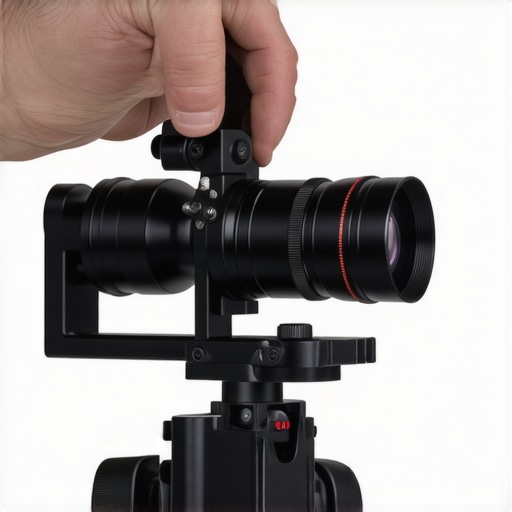
Start by examining the mounting of your follow focus unit. Loosened or worn screws can cause slippage, so tighten them with an appropriate tool, ensuring they are snug but not stripped. Use a small drop of thread-locking compound on the screws to prevent them from loosening during intense shooting. I once experienced focus drift mid-shot because I neglected this step, resulting in a re-shoot that cost me valuable time. Consistent torque application is key to maintaining focus stability.
Lock Down with Anti-Slip Accessories
Incorporate anti-slip pads or rubberized collars around the focus gear or sliding parts. These accessories increase friction and grip, significantly reducing slippage. During a recent outdoor shoot, I added grip tape to my focus wheel, which prevented any unintentional rotation caused by sweaty palms or equipment vibrations. Check out top rig accessories that help stabilize your focus setup and keep your work smooth.
Balance and Tension Are Your Allies
Proper tension in your focus mechanism prevents creep. Adjust the tension screw or knob so that focus moves smoothly without being too loose. Use a small screwdriver to fine-tune this setting, ensuring the focus wheel resists unintended movement but remains responsive. I learned this the hard way when my focus shifted during a handheld shot because I hadn’t applied enough tension. Regularly check and tighten this setting as part of your prep routine.
Use Strategic Supports and Mounts
Enhance stability by mounting your follow focus on a dedicated support arm or rig accessory. A top-mounted cage bracket or a rigid monitor mount can absorb vibrations and reduce focus drift. For instance, I added a quick-release clamp from this collection, which provided a sturdy connection point, preventing focus shifts during rapid camera movements. The goal is to minimize any external forces acting on your focus unit.
Regular Maintenance and Checks
Implement a routine to inspect your gear before every shoot. Look for worn screws, loose mounts, or degraded accessories. Clean the focus gear and make sure lubricants or grips haven’t deteriorated. I found residual dust on my focus gear once, which slightly increased the risk of slippage. Keeping everything clean and tight saves frustration and ensures your focus remains precise throughout lengthy shoots.
By meticulously securing your follow focus and supporting gear, you can eliminate rig creep and focus drift. This attention to detail, combined with the right accessories and routine checks, elevates your filmmaking precision. For more insights on optimizing your overall rig setup, visit this guide to perfecting your filming setup.
Many filmmakers assume that simply owning a camera rig, shoulder rig, or cage guarantees smooth shots and reliable setups. However, even seasoned professionals often overlook the nuanced details that differentiate a decent rig from a professional-grade one. One common misconception is that heavier rigs automatically provide better stability. In reality, unnecessary weight can cause fatigue and introduce new vibrations, leading to jittery footage. Proper balancing, as detailed in expert guides, is far more crucial than sheer heft. Additionally, some believe that any top handle will suffice for maneuvering. But in my experience, choosing a handle with anti-slip features and ergonomic design significantly enhances control during complex shots.
Are Sturdy Materials Always Better for Rigs, or Can They Backfire?
Many think that using the most rugged, heavy-duty materials for supports and cages is the best route. While durability is essential, overly rigid components can transfer vibrations rather than absorb them, especially if not properly dampened. For instance, a rigid aluminum cage might seem advantageous, but if it isn’t fitted with shock-absorbing mounts or anti-vibration accessories, it can diminish footage quality instead of improving it. This nuance is why experts emphasize testing your setup under actual shooting conditions rather than relying solely on specifications. Incorporating flexible or shock-absorbing elements can drastically improve stability, as highlighted in recent studies on vibration mitigation techniques. Remember, the goal is to create a support system that balances strength with movement absorption. Failing to consider this can result in subtle shake artifacts that degrade your footage, even with the priciest gear. Moreover, many overlook the importance of regular maintenance; dirt, dust, and wear can weaken rig components over time, making routine checks vital to prevent unexpected failures. Want to elevate your support system? Explore some of the top accessory options that enhance stability and ergonomics, like those found in our recommended list of rig accessories for seamless video production in 2025. Have you ever fallen into this trap? Let me know in the comments.
Keeping Your Rig in Top Shape
To ensure consistent, professional results, regular maintenance of your camera rig and accessories is crucial. I personally schedule monthly check-ins, inspecting mounting points, tightening screws, and cleaning gears to prevent wear and tear from affecting performance. Using specialized tools like precision screwdrivers and lubricant sprays designed for camera equipment extends the lifespan of your gear and maintains its responsiveness over long shooting periods. Incorporating a dedicated toolkit for on-set adjustments allows me to quickly resolve minor issues, saving valuable shooting time and avoiding costly delays.
What Tools Do I Recommend for Maintenance?
For routine upkeep, I rely on a few specific tools. A set of high-quality precision screwdrivers from Wiha handles tiny screws in plates and mounting brackets with ease, preventing stripping and ensuring secure fittings. For gear lubrication, I use Cinevate’s V-Complete, a silicone-based lubricant that smoothly restores gears without leaving residue. Anti-slip pads and rubberized wrench grips from top rig accessories keep parts firmly held during adjustments, minimizing slippage. Maintaining a clean workspace with microfiber cloths and compressed air helps keep dust and debris at bay, especially in the delicate areas where dirt could compromise precision.
Plan for Long-Term Durability
Investing in durable materials is only part of the equation; proactive maintenance is key. Regularly reviewing your rig with a checklist—covering everything from attachment points to tension settings—can catch issues early. Consider setting up a dedicated storage case with compartments for each tool, which simplifies upkeep and travel. Following expert advice, such as the insights from rig support system guides, ensures your setup remains reliable long-term. In addition, replacing worn-out components with high-quality upgrades, like those found in rig accessory collections, can prevent minor issues from escalating.
Anticipate the Future of Rig Maintenance
With advances in materials science and modular designs, the trend in rig maintenance is moving towards smarter, self-adjusting systems. Integrating smart sensors that monitor vibration levels and tension could be the next big step, alerting you to potential issues before they affect footage. Staying ahead involves adopting these innovations early; for example, some top brands are already exploring app-connected components that allow remote diagnostics and maintenance reminders. To implement this in your workflow, start by upgrading key moving parts with high-precision, adaptable accessories, and consider using routine digital checklists for scheduled inspections.
How do I maintain my rig over time?
The most effective approach involves combining regular physical inspections with adopting innovative tools and proper storage practices. Set a recurring schedule to clean and tighten your equipment, and keep investment in quality maintenance supplies at hand. Remember, consistent care leads to fewer surprises during critical moments and guarantees longevity for your investment. For comprehensive guidance on optimizing your entire filming setup, explore this detailed resource. Don’t hesitate to try out a new lubrication technique or precision tool—small improvements can yield big results on set!
Lessons Only Experience Can Teach About Rig Creep and Stability
One of the hardest lessons I learned was that a tiny looseness in a screw can lead to a major focus disaster during critical shots—never underestimate the importance of regular tightening and inspection.
Trusting the wrong accessories or overlooking simple anti-slip measures can cause focus shifts. Sometimes, the simplest upgrades, like adding grip tape, make the biggest difference in reliability.
Early in my career, I believed heavier rigs always meant better stability. I quickly discovered that balancing and proper support are far more effective than sheer weight, saving me headaches and shaky footage.
Proper tension and consistent maintenance routines became my secret weapons, turning shaky focus into crisp, professional results—even in challenging environments.
Understanding that rig components work best when they are kept clean, lubricated, and properly supported has transformed my workflow from reactive to proactive.
My Top Tools for Rig Confidence and Creativity
Top rig accessories have helped me stabilize every setup, especially anti-slip and vibration absorption gear that ensures focus stays locked in place.
My go-to training resources are essential for understanding how to tailor support systems for any shoot scenario, from handheld to tripod-mounted projects.
The comprehensive guides here provide step-by-step advice on rig setup and maintenance, helping me troubleshoot and optimize real-world setups.
Innovative tools like precision screwdrivers and vibration damping mounts keep my gear in top shape and prevent focus drift during rapid movements or extended shoots.
Your Next Step Toward Seamless Shooting
Achieving steady, reliable camera rigs is an ongoing journey that combines learning, experimenting, and routine care. Remember, the difference between good footage and great footage often hinges on the tiny details—tight screws, anti-slip accessories, and consistent maintenance. I encourage you to explore the resources linked above and start implementing these practices today. After all, a well-maintained rig not only improves your shots but boosts your confidence as a filmmaker. What’s one rig support habit you plan to adopt immediately? Share your thoughts below and keep pushing your filmmaking skills forward!