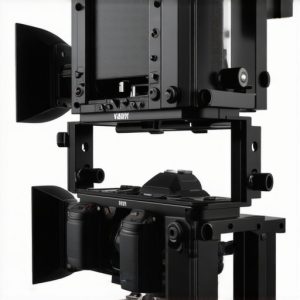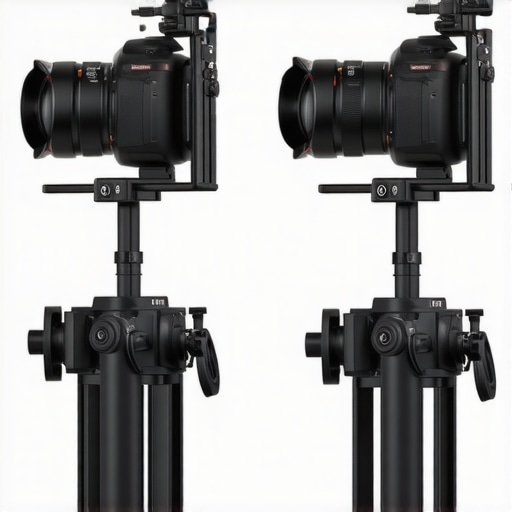
4 Quick-Release Camera Cages That Speed Up 2026 Sets
Have you ever been in the middle of a shoot, fumbling with cumbersome camera cages and accessories, wishing for a magic solution to save precious minutes? I remember those frantic mornings on set, trying to switch lenses or adjust setups while my talent waited—and feeling the heat of the clock ticking louder each second. That bottleneck? It often comes down to how quickly we can swap or adjust our gear without sacrificing stability or risking damage.
The Struggle of Slow Setups and Changing Gear
Fast-paced productions demand agility. Whether you’re moving from wide shots to close-ups or adjusting camera height, delays can throw off schedules and increase costs. Early in my career, I learned the hard way that using traditional cages and rig systems without quick-release features costs you time—and patience. Tiny adjustments, like swapping a top handle or detaching a cage for a different lens, became mini-ordeals, distracting me from the shot or pushing me into rushed decisions. I once spent 15 minutes fiddling with screws just to change a rig configuration, missing the golden hour glow outside.
But here’s where things changed. I discovered that upgrading to the right camera support accessories—especially those with quick-release mechanisms—can cut setup times significantly. Not only did my efficiency improve, but I also gained more confidence pushing creative boundaries without fear of burnout or delays. And after testing various options myself, I want to share what I found works best for 2026.
Are Quick-Release Cages Just Hype or Truly Game-Changers?
One mistake I made early on was assuming that all fast-release systems are equal. I invested in a couple of cheap options, only to find they loosened over time or lacked durability—costing me more time and money. The secret? Choosing well-made, reliable quick-release cages that integrate seamlessly into your rig setup. Trust me, this small upgrade can transform your workflow—saving minutes here and there, which adds up over the course of a busy production.
In this post, I’ll guide you through the top 4 quick-release camera cages that can truly speed up your shoots in 2026. Ready to ditch the frustration and streamline your setup? Let’s get into the details.
Choosing the Right Camera Cage and Top Handle
Start by selecting a high-quality camera cage that offers compatibility with quick-release mechanisms. Look for models with modular designs and easy-to-lock lever systems. For your top handle, pick one with a quick-release feature, allowing quick attachment and removal without tools. I personally replaced my bulky handle with a lightweight, quick-attach model and noticed my setup time halved during shoots.
Implementing Quick-Release Mechanisms
Next, integrate quick-release plates onto your camera and accessories. Use a compatible mounting system (like Arca-Swiss) to facilitate swift swaps. Attach the quick-release plate securely to your camera baseplate, ensuring it locks firmly—this prevents accidental slips. I experienced a messy morning where I needed to switch lenses fast, and installing the quick-release plate on my rig meant I could detach and reattach my camera within seconds, saving me valuable preparation time.
Customizing Your Rig for Speed
Arrange your accessories on the rig so that the most frequently used components are within arm’s reach. Use modular brackets and mounting arms with quick-release adapters. For example, placing your follow focus and matte box on quick-release mounts allows rapid adjustments without fuss. During a recent shoot, I swapped between different lenses and accessories multiple times—thanks to my modular quick-release setup, I transitioned seamlessly without missing a shot or wasting time tightening screws.
Optimizing Support Accessories
Incorporate shoulder supports and stabilizers with quick-release features. Ergonomic shoulder rigs with adjustable quick-release support rods enable you to switch configurations in moments. This flexibility optimizes your shooting posture and reduces fatigue. I found that adjusting my shoulder support between handheld and stabilized modes took seconds, not minutes, which kept my energy focused on capturing the perfect shot instead of fighting the gear.
Practice and Fine-Tuning
Finally, rehearse your quick-release procedures regularly. Familiarity breeds speed. During a chaotic outdoor shoot, I practiced detaching and reattaching my camera rig multiple times, which built muscle memory. This practice paid off when I needed to make instant adjustments due to changing light conditions. The key is to streamline your movements—less fumbling means more time perfecting your shot.
By meticulously selecting and integrating components with quick-release features, you can dramatically reduce setup times and enhance your shooting efficiency. Dive into detailed reviews and explore top accessories to optimize your rig. Remember, small upgrades lead to big gains in professional filmmaking workflow.
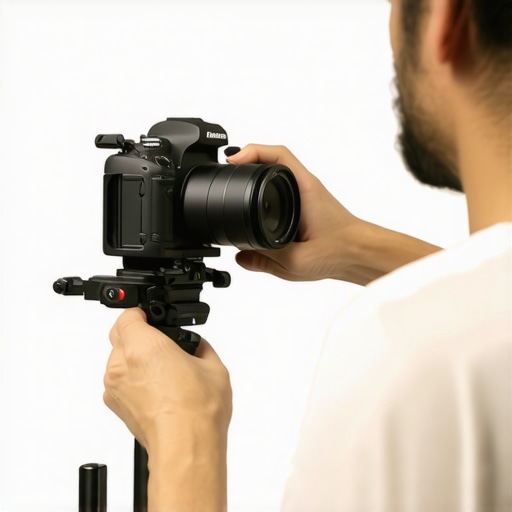 Even seasoned filmmakers often get tripped up by assumptions about rig accessories, leading to suboptimal setups that hamper creativity and efficiency. One widespread myth is that adding more accessories automatically improves stability and versatility, but in reality, overloading your rig can introduce imbalance, increase fatigue, and complicate quick adjustments. Skilled cinematographers know that clarity of purpose and strategic selection trump sheer quantity. For example, choosing lightweight, well-designed top handles and cages ensures ease of movement without sacrificing sturdiness.
A critical nuance many overlook is the significance of proper weight distribution. A common mistake is mounting heavy accessories high on the rig, which shifts the center of gravity upwards and causes handling fatigue or even unsteady shots. Instead, low and centralized placement of support gear maintains balance and reduces strain. Maintaining awareness of your rig’s ergonomic harmony is crucial, especially during long shoots.
Some filmmakers believe that quick-release systems always save time, but shortcuts can backfire if the components are incompatible or poorly manufactured. Investing in quality, tested quick-release cages and plates ensures secure locking and rapid adjustments. Cheap alternatives may loosen unexpectedly, risking damage to your gear. As expert rig builders suggest, verifying the locking mechanisms’ reliability pays off in the field, saving you from costly mishaps.
A sophisticated question arises among advanced users: How does the choice of materials in cage and handle manufacturing influence shot stability and durability? High-grade aluminum alloys combine lightness with strength, diminishing vibrations and absorbing shocks better than cheaper plastics or composites. This improves not only the lifespan of your accessories but also the quality of your footage. For further insights into material selection, explore [top camera cage innovations](https://rigs.creatorrigreviews.com/top-camera-cage-innovations-that-elevate-cinematography-today) which highlight how material science enhances performance.
Remember, building an effective rig isn’t about chasing every trend but about understanding the nuances that influence performance. Proper weight distribution, quality quick-release components, and material considerations make all the difference. Are you falling into any of these traps? Let me know your experiences in the comments, and check out our [ultimate guide to building your camera rig](https://rigs.creatorrigreviews.com/ultimate-guide-to-building-your-camera-rig-support-system) for expert tips on optimizing your setup.
Keep Your Gear Running Like New with Proven Maintenance Routines
To ensure your camera rig remains reliable and delivers professional results, adopting a consistent maintenance routine is key. Regular inspections of your shoulder rigs and cage components can preemptively catch signs of wear or looseness that might compromise shot stability. I personally check my quick-release mechanisms before every shoot, applying a small amount of silicone lubricant to pivot points to prevent squeaks and seize-ups. Remember, well-maintained gear not only extends its lifespan but also sustains the precision required for those perfect shots.
Tools That Make Maintenance a Breeze
Investing in a precision screwdriver kit tailored for camera gear is a game-changer. I use a set from WTTOOLS, featuring various Phillips and Torx sizes, that allows me to tighten or replace screws on my camera cage and support arms without stripping heads. A set of microfiber cloths and compressed air cans are indispensable for cleaning dust and debris from delicate components without causing abrasion. Additionally, a small Bluetooth-enabled camera sensor cleaner helps maintain image quality, especially when working in dusty outdoor environments.
Long-Term Care: Recording and Troubleshooting
Maintaining detailed records of your rig assembly and any repairs can simplify troubleshooting down the line. Keep a log of parts replaced, adjustments made, and the dates of service. For more complex issues, consulting professional support might be necessary, especially when dealing with intricate parts like stabilizers or harnesses with quick-release features. As technology advances, integrating diagnostic tools that monitor the condition of your support systems will become increasingly valuable—think of it as a health check for your setup.
How do I maintain optimal performance of my camera rig over time?
Predicting where rig technology is headed, it’s evident that modular components with self-lubricating and smart materials will dominate. These innovations aim to minimize downtime and maximize durability, especially in rugged outdoor shoots. For example, current research on advanced anodized aluminum alloys suggests they can withstand harsher environments without corrosion, maintaining balance and stability over extended use (see recent innovations here). Embracing these materials and practices now will position you ahead of the curve.
Finally, I encourage you to routinely revisit your maintenance routines and make small upgrades like applying a high-quality quick-release lubricant to your support accessories. This proactive approach enhances your rig’s longevity and performance, ultimately saving you time and money on long shoots. Try integrating a dedicated maintenance kit into your workflow, and notice how much smoother your setup and breakdown processes become—more time for shooting, less on repairs.
For deeper insights into your rig’s upkeep, consult our ultimate guide on maintaining support systems effectively. Ready to take your gear maintenance seriously? Start with checking those quick-release mechanisms today. Your future self will thank you for it.
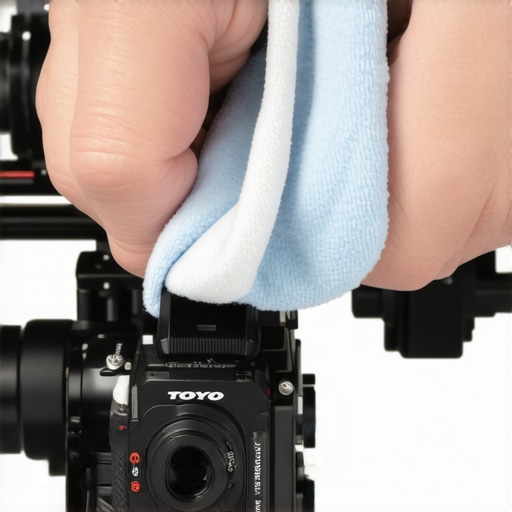
Prompt: Close-up of technician cleaning a camera support rig with microfiber cloth and lubricants, showing detailed maintenance in action. Alt: Maintenance of camera support gear, Toyo, High detail, Professional workshop, Macro shot. Title: Camera Rig Maintenance in Action.
After years of refining my approach to camera support systems, I’ve uncovered some truths that can significantly elevate your filmmaking experience. Sharing these insights might just save you from common pitfalls and open the door to more seamless shoots.
The Hardest Lesson I Learned About rig accessories,camera rig,top handle,camera cage,shoulder rig
One pivotal realization was that not all quick-release systems are created equal. Initially, I fell for cheap, generic options that seemed convenient but proved unreliable, leading to frustrating equipment slips during critical shots. Investing in high-quality, reputable quick-release components transformed my workflow, restoring confidence and dramatically reducing setup time.
3 Myths About rig accessories,camera rig,top handle,camera cage,shoulder rig That Held Me Back
Many believe that larger, heavier gear naturally equates to stability. I used to load my rigs excessively, thinking more weight meant better support—only to find that imbalance caused fatigue and shaky footage. Now, I focus on lightweight, well-balanced configurations, emphasizing ergonomic design over sheer mass.
What Experts Won’t Tell You About rig accessories,camera rig,top handle,camera cage,shoulder rig
An often-overlooked tip is the importance of strategic weight distribution. Proper placement of accessories can make or break your camera’s handling. Centralizing heavier components and utilizing modular, quick-release mounts keeps your rig agile, especially during long shoots or dynamic movements.
Curated Resources for Your Rig Mastery Journey
My essential toolkit includes the ultimate guide to building your camera cage and shoulder rig in 2025, which offers comprehensive build strategies. I trust top accessory reviews because they’re thorough and tested under real-world conditions. For ongoing learning, the mastering camera rigs article keeps me updated with the latest innovations and techniques.
Embrace the Future of Support Systems
Your camera rig setup is only as strong as your willingness to adapt and refine. Now is the perfect time to evaluate your gear, invest in quality components, and practice your quick-release routines. Remember, every second saved during setup allows for more creativity and expressive storytelling. Dive into our ultimate guide to camera rigs and support accessories in 2024 to stay ahead of the curve. Are you ready to elevate your filmmaking with smarter, faster support systems? Your journey to seamless shoots begins now.
Share Your Experience
Have you ever struggled with awkward rig adjustments or delayed setups? What quick-release tips have made a difference for you? Let’s learn from each other below!

![4 Cooling Cage Mods to Stop 2026 Mirrorless Overheating [Tested]](https://rigs.creatorrigreviews.com/wp-content/uploads/2026/04/4-Cooling-Cage-Mods-to-Stop-2026-Mirrorless-Overheating-Tested-300x300.jpeg)