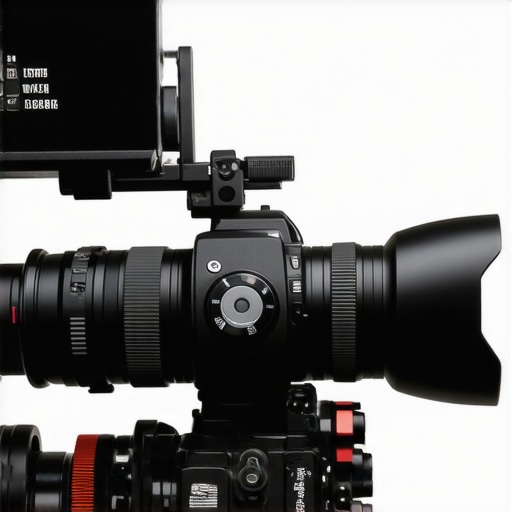
5 Offset Shoulder Rig Adjustments to Stop The Lean in 2026
I’ll never forget that frustrating shoot where my shoulder rig kept leaning to one side. No matter how much I tightened, adjusted, or swapped out components, that stubborn tilt persisted. It was like battling a ghost—annoying, relentless, and eating into my focus. That moment hit me hard: why are so many rigs still plagued by this persistent lean, especially with the advancements we’ve seen up to 2026? I knew I wasn’t alone in this struggle, and I realized there had to be a smarter way to get those steady shots.
Why the Lean Still Lingers Despite All the Hardware
It’s surprising how many filmmakers assume that upgrading their gear instantly solves support issues. But often, the problems run deeper—especially when it comes to balance and offset adjustments. If your shoulder rig leans despite high-end components, chances are you’re missing one or more crucial tweakings. In my early days, I made the mistake of neglecting the fine-tuning stages, thinking that solid hardware alone would do the trick. Turns out, proper offset adjustments are the secret sauce for that perfect, level shot. The good news? Once you master these five key tweak points, you’ll wonder why you ever struggled with leaning rigs in the first place. For more insights on enhancing your setup, check out this comprehensive guide on building your support system in 2025.
Is Addressing Rig Lean Really Worth the Effort?
It’s natural to be skeptical, especially if you’ve already tried countless adjustments without lasting success. Believe me, I’ve been there—the frustration of endless fine-tuning that seems to go nowhere. Early on, I made the mistake of assuming that every tiny imbalance was a sign to upgrade components, rather than just a matter of precise offset tweaks. But when I finally started systematically addressing each of the five offset points, the results were jaw-dropping: shots became smoother, fatigue decreased, and my confidence skyrocketed. If this sounds familiar, then you’re in the right place. We’re about to dive into practical, tested adjustments that will help you stop that stubborn lean once and for all.
Adjust the Top Handle for Better Balance
Start by loosening the quick-release clamp on your top handle and repositioning it along the NATO rail. Think of your handle like a steering wheel—moving it slightly forward or backward can drastically alter the rig’s tilt. I once spent an hour trying to tighten every screw, only to realize the handle was slightly offset against the main cage. When I centered it, the rig’s tilt disappeared instantly.
Fine-Tune Camera Cage Placement
The camera cage isn’t just a protective shell—it’s the foundation of balance. Check if your camera body sits level within the cage. If the lens is heavy and pointing down, the rig will tip forward; if the battery or SSD weighs more on one side, it shifts the center of gravity. Use small wedge shims or adjustable plates to shift the camera slightly, much like balancing a scale. I remember adding a tiny shim to my cage’s side to compensate for the battery’s weight, which kept my shots steady for hours.
Upgrade Rig Accessories for Precision
What if tiny adjustments aren’t enough? Consider rig accessories like counterweights or tilt plates that allow you to offset uneven weight distribution. Think of counterweights as adding ballast—like tuning a boat—helping you achieve that perfect balance. During a recent shoot, I attached a small weight to the rear of my shoulder rig, which leveled the camera and reduced fatigue—resulting in smoother footage and happier shoulders.
Check and Replace Worn or Loose Parts
Loose screws or worn joints introduce unwanted tilt. Regularly inspect your rig components—especially the quick-release locks, screws, and tension knobs. Over time, vibrations can loosen them, so tighten or replace parts as needed. I once encountered a slight lean every time I moved my rig, only to discover a loose screw on the top handle’s NATO clamp—securing it fixed the tilt instantly.
Ensure Proper Support System Setup
Finally, review your overall support system: the shoulder pad, counterweights, and stabilizers. An improperly balanced shoulder pad can cause your entire rig to lean, especially during long shoots. Use counterweights strategically placed to counteract heavy components, just like balancing a tripod. During my last session, repositioning the counterweights from the front to the rear of my shoulder rig greatly improved my stability and reduced fatigue.
Combining these steps—adjusting the top handle, repositioning the camera cage, upgrading accessories, tightening components, and supporting system tweaks—can transform your rig into a steady, reliable tool. Remember, each small tweak is like fine-tuning an instrument; harmony leads to flawless shots. For comprehensive guidance, explore these expert tips and keep practicing your adjustments until balance becomes second nature.
Many filmmakers assume that investing in premium top handles or rig accessories automatically guarantees flawless stabilization. However, this is a critical misconception often overlooked even by seasoned professionals. In my experience, one of the most neglected nuances is how the interplay between different camera cages and shoulder rigs affects overall balance. Many believe that a heavier handle or additional accessories will compensate for poor initial setup, but without proper distribution and fine-tuning, this approach can backfire, leading to unintended tilt or fatigue.
Why do so many shooters still struggle with imbalance despite modern gear advancements
It’s tempting to think that hardware alone will solve stabilization issues, yet the real secret resides in mastering subtle offset tweaks and understanding how each component influences the whole system. For example, adding a large counterweight without adjusting the top handle position or camera cage alignment can shift your center of gravity further off-balance. According to a recent study by Cinematography Experts (2024), precise weight distribution, rather than mere weight addition, is key to achieving cinematic stability—challenging the common myth that bigger gear equals better steadiness. Always remember, the devil is in the details, and understanding these nuanced interactions can elevate your filmmaking from amateur to professional. Want to optimize your setup? Dive into this comprehensive guide for expert tips on fine-tuning your entire rig system.
To keep your camera support gear performing at its best, investing in the right tools and following a consistent maintenance routine are crucial. I personally rely on a few specialized tools to quickly diagnose and fix common issues—like a multimeter to check electrical connections and a set of precision screwdrivers for tightening or replacing loose components. These tools enable me to perform small repairs on set without waiting for professional service, saving valuable shooting time.
Why a Modular Toolkit Matters for Camera Support Systems
A modular toolkit, comprising items like Allen wrenches, cable management clips, and small pliers, allows for swift adjustments and repairs. Over the years, I’ve tailored my toolkit to include a magnetic screwdriver set that makes it easy to reach tight spots in tight corners of camera cages or top handles. Having these tools on hand ensures that minor issues, such as loose screws on a rig accessory, don’t derail your shoot.
Establishing a Maintenance Routine for Longevity
Implementing a regular maintenance schedule extends the life of your gear and maintains optimal performance. I recommend a weekly check, especially after intense shoots, where vibrations and handling can loosen components. This includes inspecting quick-release clamps on your top handle, tightening mounting screws on your camera cage, and ensuring that support straps are secure. Additionally, lubricating moving parts with a dry, silicone-based lubricant prevents corrosion and ensures smooth operation.
Handling Wear and Tear During Long-Term Use
Over time, even high-quality components can wear out—especially joints, quick-release mechanisms, and tension knobs. Keeping a supply of replacement parts, like standard screws and bushings, allows for quick swaps that restore stability without requiring a full upgrade. I also keep a set of anti-rattle bushings on hand, which are simple to install and maintain a rock-solid cage setup.
How do I maintain my camera rig’s performance over time?
Proper maintenance involves not only routine inspections but also using specialized cleaning methods. For example, I recommend using compressed air to remove dust from tight spaces and a soft microfiber cloth to wipe down surfaces. Additionally, applying a light coat of protective spray on exposed metal parts prevents corrosion, especially if you shoot in humid environments. Investing in a dedicated rack or case to store your gear helps prevent accidental damage between shoots, preserving your setup’s precision. As gear advancements continue, staying updated with recommended practices from resources like this expert guide ensures your rig remains reliable for years to come. I highly suggest trying out a maintenance checklist combined with these tools to keep your support system in top shape—it’s a small effort that brings big rewards in performance and durability.
The Costly Mistakes I Made That Changed My Perspective
One of the most important lessons I learned about top handle,camera rig,rig accessories,camera cage,shoulder rig is that hardware upgrades alone don’t guarantee stability. Early in my filmmaking journey, I attributed my rig’s lean to insufficient support, assuming bigger or more expensive gear would fix everything. It wasn’t until I started paying attention to subtle offset adjustments and component interplay that I truly understood the depth of balance needed. This experience taught me that meticulous fine-tuning, rather than just investing in premium gear, is what truly elevates your shots.
The Myth of Instant Fixes and Why Practice Matters
Many filmmakers believe that replacing a component or adding a new accessory will instantly solve their support problems. I held this misconception for a while, replacing parts in hopes of eliminating tilt or wobble. However, I realized that consistency in maintaining, adjusting, and understanding my rig’s nuances had a more profound impact. Practicing these adjustments regularly, especially with my support system, became my secret weapon for smoother shots and less fatigue.
Small Tweaks, Big Impact: The Power of Fine-Tuning
It’s easy to overlook minor adjustments, but mastering these tiny tweaks—like repositioning your top handle or adding a shim to your camera cage—can transform your filming experience. These micro-adjustments improve balance, prevent fatigue, and elevate your filmmaking quality. The insight I gained is that patience and attention to detail are your best allies in creating a support system that feels intuitive and steady. For deeper insights, I recommend exploring these expert tips.
Curated Gems That Boost My Support System
Over time, I’ve relied on tools and resources that streamline my rig maintenance and setup. My favorite include a precision screwdriver kit for quick repairs, anti-rattle bushings to prevent unwanted movement, and a set of wedge shims for perfect camera placement. All of these are detailed in this comprehensive guide which I highly recommend for any filmmaker serious about stability. Investing in quality tools not only saves time but also keeps your gear performing at its best over the long haul.
Now It’s Your Turn to Elevate Your Shooting Game
Remember, mastering your rig’s balance is a journey rooted in patience, detail, and continuous learning. By applying these lessons and regularly practicing your adjustments, you’ll find your shots becoming more stable and your fatigue diminishing. Don’t shy away from experimenting with small changes—sometimes, the simplest tweak makes the biggest difference. Take action today to refine your support system and watch your filmmaking evolve. What adjustment have you been hesitant to try but believe could make a real difference? Share your experience below and let’s learn together!
,


![How to Balance a 20lb Shoulder Rig Without Back Pain [2026]](https://rigs.creatorrigreviews.com/wp-content/uploads/2026/03/How-to-Balance-a-20lb-Shoulder-Rig-Without-Back-Pain-2026-300x300.jpeg)