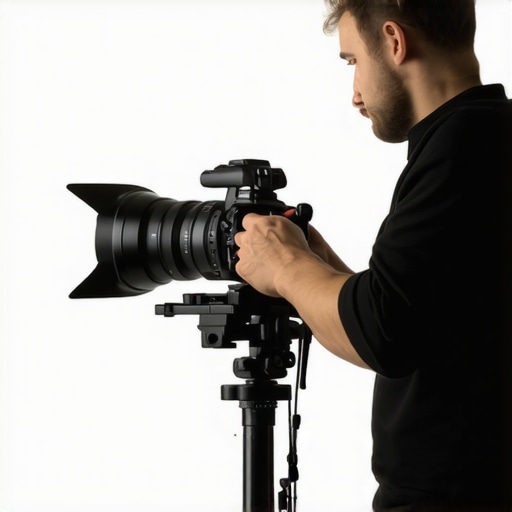
Top Camera Cages & Rig Accessories for Stable Filmmaking in 2025
I remember the exact moment I realized my camera rig was holding me back, not because of the camera itself but due to the unstable, unwieldy setup I was clinging to. After countless shaky shots and frustrating retakes, it hit me—my gear wasn’t just a tool; it was a barrier. That lightbulb moment led me down a rabbit hole of top-tier camera cages and rig accessories, and trust me, it transformed my filmmaking forever.
Why Your Camera Support System Could Be Sabotaging Your Shots
There’s a world of difference between a basic setup and a professionally optimized rig, especially in 2025 where technological innovations push the boundaries of stability and flexibility. If you’ve ever fought with unwieldy equipment, missed that perfect shot due to shaky footage, or felt drained from awkward camera handling, you’re not alone. Many filmmakers struggle because they don’t realize how critical high-quality accessories are to achieving smooth, cinematic shots. Building a robust, customizable rig isn’t just about gear—it’s about empowering you to focus on what’s important: your craft.
Studies show that even minor vibrations and poor ergonomics can drastically reduce shot quality, costing you time and resources. And here’s a kicker—many early mistakes are surprisingly simple to fix once you understand the right tools. For example, I used to overlook the importance of a quality top handle or shoulder support, only to find those were game-changers in stabilizing my camera for dynamic shots. Want to learn how to avoid rookie errors? Check out this guide.
In this post, I’ll walk you through the essential considerations for upgrading your support system, highlight the top accessories that can make or break your shoots, and share my personal experiences with the latest innovations. Whether you’re just starting out or aiming to elevate your filmmaking game, mastering your rig setup is the smartest investment you can make today.
Is Over-Engineering Worth the Hype?
I’ve been guilty of overloading my rig with unnecessary gadgets—trust me, interfering with your setup can turn a smooth shoot into a chaos zone. Early on, I thought every new accessory would improve stability or flexibility, but I learned that simplicity often wins. It’s all about choosing the right components that work harmoniously. Curious about the most effective upgrades? I recommend reviewing these expert tips.
Have you faced similar frustrations or invested in gear that didn’t quite deliver? Share your story with me—I understand the struggle, and together, we can troubleshoot your setup for optimal results.
Start with a Solid Foundation: Choosing the Right Camera Cage
Think of your camera cage as the sturdy frame of a house; it sets the stage for everything else. I recall my first attempt to upgrade my support system when I selected a cage that was too bulky, making maneuverability a nightmare. I fixed this by choosing a lightweight yet durable cage, like the latest top camera cage innovations. Measure your camera dimensions carefully and prioritize modularity—this way, you can add accessories without cluttering your setup.
Layer Stability with a Customizable Support System
Once the cage is in place, focus on the support system. Micro-adjustments in your rig can be the difference between a smooth shot and shaky footage. I once used an off-the-shelf shoulder rig that was uncomfortable over long shoots, which led to fatigue and unintended movement. I then built a customized shoulder rig, aligning it with my body’s ergonomics, using expert support system tips. Start by attaching a matte box and follow-focus to distribute weight evenly, then fine-tune your balance through trial and error. Remember, a balanced rig reduces fatigue and increases shot stability, even during extended filming sessions.
Enhance Flexibility with Top Handles and Accessories
Top handles are your control points, especially when capturing dynamic angles. My breakthrough came when I experimented with multiple top handles from top handle accessories. Mounting a handle close to the lens allowed for precise movements, while a secondary handle on the opposite side supported steady handheld shots. When selecting accessories, think of them as extensions of your hands—ergonomics matters. Secure them tightly, but also consider quick-release options for rapid adjustments on set.
Prioritize Ergonomics for Long Shoots
Comfort directly impacts stability; if you’re uncomfortable, your shots will suffer. I learned this the hard way during a 12-hour shoot when my rig’s weight distribution caused strain. To solve this, I incorporated adjustable shoulder supports and counterweights, following guidelines from shoulder rig expert advice. Always test your setup by simulating shooting conditions, adjusting straps, and placing counterweights until your rig feels like an extension of your body. This step minimizes fatigue and maximizes stability during those critical shots.
Fine-Tune for Perfection and Reliability
Finally, test your entire setup thoroughly before actual shoots. I once faced a scenario where a loose screw caused a lens drop, costing me hours. Use a torque wrench or Allen keys to tighten all connections, and consider adding quick-access safety pins on critical joints. Regular maintenance and checks keep your rig in peak condition, preventing technical hiccups. Remember, your support system should adapt as you evolve your filming style; don’t be afraid to revisit and upgrade components periodically for optimal performance.
By methodically selecting and assembling your camera cage, support system, top handles, and ergonomic accessories, you’ll create a rig that enhances stability, flexibility, and comfort. These concrete steps cut down on unnecessary mishaps and help you focus on capturing your vision with confidence.
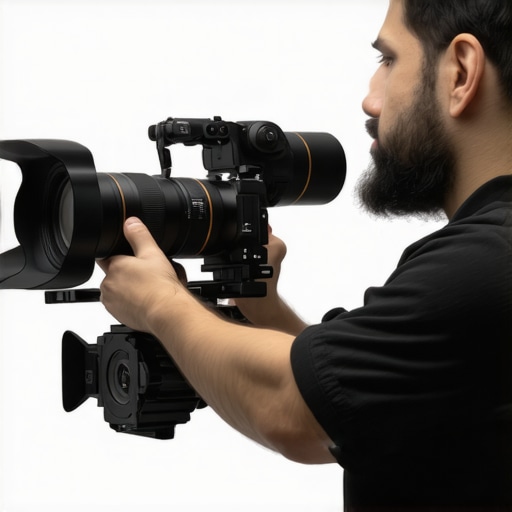 Many assume that investing in the most expensive camera cage or a plethora of accessories automatically elevates filmmaking quality. However, this belief overlooks nuanced details that can make or break a shot. For instance, a common myth is that heavier rigs always result in better stability. In reality, excessive weight can cause fatigue, leading to shaky footage—a mistake I’ve made early in my career. Instead, focus on ergonomic design and proper weight distribution, as emphasized in expert guides on support system optimization. Additionally, many filmmakers over-prioritize flashy accessories like top handles or shoulder rigs without understanding their true purpose. A well-chosen top handle should enhance control, not just add bulk. The key is selective upgrading based on specific shooting needs rather than following trends blindly. One often overlooked detail is the setup’s balance; even an expensive cage strapped improperly can cause unintended camera movements. Remember, precision in assembling your rig, regular maintenance, and understanding the interplay between components are crucial. For advanced users seeking maximum stability, consider the subtle difference that custom support adjustments can provide—small tweaks can significantly improve shot steadiness, especially during long takes. If you want to avoid common pitfalls, go beyond surface-level gear and study the biomechanics of your rig setup by referring to dedicated expert resources such as these support tips. Don’t underestimate the importance of proper ergonomic considerations; your physical comfort directly impacts shot quality. So, are you still falling for overspending on overhyped accessories? Let’s dig deeper, and if you’ve experienced this trap, share your story in the comments—I’d love to hear and troubleshoot with you.
Invest in Durable, Modular Components for Longevity
One of the best investments I made was upgrading to a high-quality, modular camera cage, which allows seamless attachment and detachment of accessories without compromising stability. Regular maintenance of these components is crucial; periodically check for loose screws, wear and tear, and corrosion. I recommend keeping a small toolkit and spare parts to address issues quickly on set—this proactive approach minimizes downtime and keeps your support system reliable over time. Modern materials like anodized aluminum offer durability without adding unnecessary weight, making your rig both robust and manageable.
Implement Routine Inspection and Cleaning Protocols
Over time, dust, dirt, and lubricant buildup can hinder the smooth operation of your rig’s moving parts, such as quick-release plates and joints. Establish a routine to inspect and clean your gear with appropriate tools—compressed air for dust removal and specific cleaning solutions for metal and plastic parts. This practice prevents corrosion and ensures that adjustments remain precise, preserving the rig’s performance for future shoots. Maintaining your shocks, mounts, and clamps consistently prolongs their lifespan and preserves your investment.
Utilize Compatibility-First Accessories for Expansion
When scaling your support system, prioritize accessories designed to integrate smoothly with existing gear. For instance, selecting top handles and support arms compatible with your camera cage ensures quick customization without costly modifications. Test mounting various accessories before purchase, and consider adjustable support systems that adapt to different shooting styles and camera weights. This flexibility allows you to evolve your rig according to project demands, keeping your setup adaptable over the years.
Predict Future Trends in Camera Support Technology
Looking ahead, I believe lightweight, smart-support systems with integrated stabilization and remote control capabilities will become standard. Continuous innovations will likely focus on materials that offer strength-to-weight ratios vastly superior to current options and on modular designs that facilitate rapid reconfiguration. Embracing these advancements early, by investing in compatible gear now, will ensure your rig remains cutting-edge and efficient for years to come. For a comprehensive review of upcoming innovations, check out this guide.
How do I maintain my support gear over time?
Consistent inspection and cleaning are key. Schedule regular check-ups to tighten bolts, lubricate moving parts, and replace worn components. Store gear in a dry, padded case to prevent corrosion and physical damage. Following manufacturer guidelines for maintenance prolongs lifespan and ensures reliable performance, reducing unexpected failures during critical shoots. Remember, a well-maintained rig not only lasts longer but also provides peace of mind on set.
Start by incorporating routine inspections into your workflow. Use a small toolkit to tighten loose screws and replace any damaged parts promptly. Document your maintenance schedule to ensure consistency. For detailed support system maintenance strategies, consider reviewing these expert tips and see how they can help you extend your gear’s life and performance. Ready to take your rig’s longevity to the next level? Try implementing a monthly check and cleaning routine—you’ll notice the difference in stability and ease of use over time.
3 Unexpected Revelations That Changed My Filmmaking Approach
One of the most eye-opening lessons I learned was realizing that more equipment doesn’t always equal better shots. It’s tempting to load up your rig with the latest accessories, but I found that simplicity combined with precise adjustments deliver far more consistent results. The subtle tweak of balancing your support system or choosing ergonomic handles transformed my shooting style, making every shot feel natural and controlled.
Another revelation came from understanding the importance of ongoing maintenance. Regularly inspecting and cleaning your camera support gear prevents unexpected failures during critical moments. This proactive approach might sound mundane, but it has saved me from costly re-shoots and lost footage, emphasizing that care equals performance in filmmaking.
Lastly, embracing adaptability over rigidity unlocked new creative possibilities. Adjustable support systems and versatile accessories allowed me to switch between shot styles swiftly, expanding my storytelling toolkit. It taught me that flexibility in your setup empowers spontaneity, capturing moments that rigid rigs might miss.
My Top Picks for Elevating Your Filmmaking Setup
To build a reliable and versatile rig, I rely on a handful of trusted resources. First, the latest camera cage innovations have significantly improved stability without adding bulk, ensuring smooth handheld shots. Second, top handle and accessory guides help me choose ergonomically sound options tailored to my shooting style. Lastly, for ongoing support and technical tips, I consult support system resources that keep my gear performing at its best.
Your Next Step Starts Here
If you’re committed to refining your camera support system, remember that the right gear combined with mindful maintenance and adaptability opens the door to consistent, professional-quality footage. Every shoot is an opportunity to learn and improve—your rig is the foundation to bring your vision vividly to life. Dive into these resources, experiment with different configurations, and trust that your skills will catch up to your ambitions. You’re capable of creating visuals that inspire—so gear up and make every shot count.
What has been your biggest challenge in setting up a camera rig? Share your experience below, and let’s troubleshoot together!
,


![4 Cooling Cage Mods to Stop 2026 Mirrorless Overheating [Tested]](https://rigs.creatorrigreviews.com/wp-content/uploads/2026/04/4-Cooling-Cage-Mods-to-Stop-2026-Mirrorless-Overheating-Tested-300x300.jpeg)
This article really hits home for me, especially the emphasis on selecting the right components rather than overloading the rig with unnecessary gadgets. I’ve experienced firsthand how a well-balanced, ergonomic support system can make a huge difference during longer shoots. One challenge I faced was maintaining stability while moving quickly through dynamic scenes, which I solved by investing in a lightweight yet sturdy cage and modular support supports that allow quick adjustments. It’s surprising how small tweaks—like repositioning a top handle or fine-tuning the counterweights—can drastically improve shot steadiness.
I’m curious, has anyone tried integrating smart stabilization tech into their rigs? I’ve read about some emerging systems that offer remote adjustments on the fly. Do you think these innovations will become essential for indie filmmakers aiming for professional results without massive budgets? Would love to hear your experiences and tips for balancing technology with practicality in rig setups.