Camera Rigs & Support Systems: Expert Tips for Building Your Setup
Ever been in the middle of a shoot, only to realize that your camera rig feels more like a burden than a tool? I remember a time when I was desperately trying to stabilize my shot with a shaky handheld setup, only to end up exhausted and frustrated. That moment was a lightbulb for me: a poorly configured rig can sabotage even the most promising shot. Since then, I’ve learned that building an effective camera support system isn’t just about adding gear; it’s about understanding what works best for your style and needs. Today, I want to share my journey from chaos to control — and help you avoid the same pitfalls.
Why Your Camera Rig Can Make or Break Your Shots
When I first started out, I thought more gear meant better stability and professional results. Turns out, that’s a quick recipe for clutter and confusion. I spent hours lugging around a heavy, mismatched collection of top handles, shoulder rigs, and cages, often feeling like I was fighting my equipment rather than working with it. The truth is, a well-designed rig enhances your ability to capture smooth, cinematic footage — but only if it’s tailored to your workflow. According to recent studies, camera stabilization systems can improve shot quality by up to 70%, which is a game-changer for filmmakers aiming for professional results. Yet, many beginners (including myself early on) make simple mistakes that undermine this potential.
Have you ever faced the frustration of a rig that’s too bulky or unstable, causing shaky footage or fatigue? If so, you’re not alone. The good news is, with a few expert tips, you can create a setup that feels natural, balanced, and reliable. That’s what I’ll guide you through today — from choosing the right accessories to understanding how to assemble a system that’s perfect for your projects. Whether you’re shooting a quick documentary or a high-end production, a smart rig setup will save you time, effort, and countless retakes.
Is a Fancy Support System Worth the Hype?
Early in my career, I believed that the most expensive gear automatically meant the best results. I invested in top-of-the-line cages and shoulder rigs, only to find out that I wasn’t utilizing them correctly. It was a costly mistake that taught me the importance of understanding your needs before splurging. Not every professional setup is suitable for every filmmaker. Sometimes, simplicity trumps complexity — and that’s why knowing what to prioritize is essential. If you’re skeptical about whether investing in a support system will truly improve your footage, I get it. But trust me, the right accessories tailored to your style can make an incredible difference. For a comprehensive look at must-have rig accessories, check out this guide on best rig accessories for seamless video production.
So, have you faced the dilemma of overloading your rig or under-investing in essential accessories? If yes, you’re in good company. The key is to strike a balance — and that’s exactly what I aim to help you do. Ready to transform your setup into a cinematic powerhouse? Let’s dive into the practical steps to build your dream rig today.
Start with Your Frame
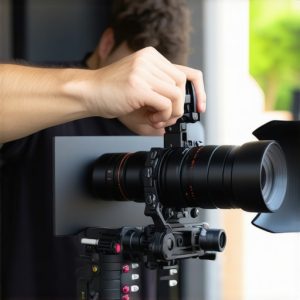
Think of your camera rig like building a sturdy house; the foundation is your camera cage. Select a cage that fits your camera model snugly, providing mounting points without adding unnecessary weight. I once used a generic cage that was too bulky, making handheld shots exhausting. After switching to a lightweight, customizable cage, my mobility improved instantly. For top-notch options, check out this guide.
Attach Your Handles Smartly
Handles are like the steering wheel in your rig—your control point. Use top handles for low-angle shots and side handles for steady handheld work. I once added a large, uncomfortable handle that caused wrist strain; switching to ergonomic handles made a huge difference. Always ensure handles are securely attached and balanced. For versatile handle options, explore this selection.
Balance the Setup
Imagine balancing a broomstick on your finger—that’s what your rig should feel like. Place accessories close to the camera’s center of gravity to prevent fatigue and shaky footage. I once overloaded my rig with accessories at the front, causing instability. Moving some gear to the rear and adding counterweights transformed my shots. Use a quick-release plate for flexibility. For tips on balancing, see this guide.
Choose the Right Accessories
Think of accessories as the tools that turn your rig from basic to professional. Microphone mounts, LED lights, and monitor brackets are essential. However, avoid cluttering your setup with unnecessary gadgets that add weight. I learned this the hard way by attaching too many accessories, making my rig unwieldy. Prioritize versatile, lightweight gear. For recommended accessories, visit this list.
Test and Tweak
Once assembled, take your rig for a test run. Walk, run, and do handheld shots to identify instability or discomfort. I once skipped testing and faced shaky footage on a shoot; after a quick tweak—adding a shoulder pad and adjusting handle positions—I achieved smooth shots. Regular testing and small adjustments ensure your rig works seamlessly for every scene. Remember, a well-tuned rig saves time in post-production and enhances your storytelling.
Many filmmakers assume that purchasing the latest or most expensive camera cage, top handle, or shoulder rig automatically guarantees professional results. However, this belief often leads to overlooked nuances that can hinder your workflow and shot quality. Let’s dig deeper into what most people get wrong about camera rigs and accessories, and how to sidestep these pitfalls for a more efficient setup.
Why Bigger Isn’t Always Better When Building Your Rig
One prevalent myth is that adding more accessories—like numerous monitors, lights, or multiple handles—will improve stability and flexibility. In reality, overloading your rig can cause imbalance, increase fatigue, and complicate your setup. A common mistake is attaching accessories without considering their placement relative to your camera’s center of gravity, which can cause shaky footage or discomfort during long shoots. Instead, prioritize essential accessories that enhance your specific shooting style, and always test the balance regularly. For advanced users, exploring this guide can help optimize your setup.
Beware of the Impulse to Upgrade Too Quickly
Many filmmakers fall into the trap of constantly chasing the newest rig component, thinking it will elevate their production quality. This approach often results in unnecessary expenses and a mismatched system. Instead, focus on understanding your workflow needs first—whether you’re shooting handheld, on a tripod, or with gimbals—and build your rig step by step. Remember, compatibility and ergonomics matter more than brand prestige or the latest features. For instance, a well-chosen top handle that suits your grip style can outperform an expensive cage that doesn’t fit your hand. For more insights, check out this comprehensive guide.
Mastering the Art of Rig Customization
One advanced mistake is neglecting the importance of customization. Off-the-shelf rigs often lack the flexibility needed for different shooting scenarios. Over time, experienced filmmakers learn that adapting and fine-tuning their rigs—adding or removing accessories, adjusting handle positions, and balancing weights—can make a world of difference. Rigidly sticking to a generic setup can limit your creative options and cause fatigue. To avoid this, experiment with different configurations and leverage essential accessories tailored to your projects.
Have you ever fallen into this trap? Let me know in the comments. Remember, the key to professional-quality footage isn’t just gear—it’s how you optimize it for your needs. With mindful choices and proper customization, your camera rig can become a powerful storytelling tool rather than a cumbersome obstacle.
How do I maintain my camera rig over time?
Maintaining your camera rig, especially when it includes essential components like the camera cage, top handle, and shoulder rig, is crucial for ensuring longevity and consistent performance. Regular inspections are the first step—check for loose bolts, wear and tear on rubber grips, and any signs of corrosion or damage. I personally dedicate 10 minutes after each shoot to tighten screws with a precision screwdriver, which prevents parts from loosening over time. Keeping your rig clean is equally vital; use a soft brush and microfiber cloth to remove dust and debris from all moving parts and connection points. For more detailed maintenance routines, you can refer to this expert guide.
Lubrication is often overlooked but essential, especially for moving accessories like quick-release plates and adjustable handles. I recommend using a light, non-greasy lubricant such as silicone spray on joints and threaded connections to prevent rust and ensure smooth operation. Always apply sparingly to avoid attracting dust or dirt, which can cause more harm than good. My favorite tool for this is a precision spray bottle, which allows for targeted application without overdoing it. Regularly checking for compatibility issues—like worn-out mounts or incompatible batteries—can save you from unexpected failures during critical shoots.
What are the best tools for maintaining and troubleshooting your rig?
For quick diagnostics and repairs, I swear by a multi-tool set that includes hex wrenches, screwdrivers, and pliers. Having these on set means I can tighten or replace parts on the fly without waiting for spare gear. I also keep a small digital caliper handy to measure thread diameters and mounting points, ensuring compatibility when upgrading accessories or replacing parts. For cleaning, I use a dedicated microfiber cloth and compressed air duster to remove dust from delicate components. Investing in a portable, organized toolkit helps me stay prepared for routine maintenance and unexpected repairs, which are inevitable as your rig ages.
Looking ahead, I believe the trend in rig maintenance will lean toward smart monitoring systems—think sensors that alert you when a part needs lubrication or has become loose. Companies are already developing IoT-enabled components that can send maintenance alerts directly to your smartphone, reducing downtime and prolonging the lifespan of your gear. As these technologies mature, staying ahead of wear and tear will become more automated and efficient, allowing you to focus more on shooting than fixing.
Don’t forget: consistent maintenance not only extends your rig’s lifespan but also guarantees that your shots remain smooth and professional. Make it a habit to schedule weekly checkups and keep a maintenance log—over time, this will pay dividends in reliability and performance. Try implementing a simple routine today, like tightening your top handle bolts or cleaning your cage, and notice how much more dependable your setup becomes. Your future self will thank you when every shot is as steady and flawless as you envisioned.
Over the years, I’ve learned that the true power of a camera rig lies in how well it’s tailored to your unique shooting style. One of the most eye-opening lessons was realizing that even a seemingly perfect setup can fall flat if it isn’t customized to your needs. From choosing the right support cage to adjusting handle positions, every tweak can make the difference between shaky footage and smooth, cinematic shots. My biggest breakthrough came when I stopped copying generic rigs and started experimenting with configurations that matched my workflow. This hands-on approach not only improved my stability but also boosted my confidence behind the camera.
One tip I wish I had known earlier is to think of your rig as an extension of your body. The more you adapt it to fit your grip, height, and shooting angles, the more natural your movements become. For instance, I often swap out handles for ergonomic options or reposition accessories to balance the weight better. These small changes significantly reduce fatigue and increase shot stability. Remember, the best rig isn’t the most expensive or feature-rich; it’s the one that feels intuitive and effortless to operate. If you want to dive deeper into customization, check out this guide for expert tips.
Another lesson learned the hard way is the importance of modularity. A rigid, one-size-fits-all setup can limit your creative options. Instead, I’ve found that investing in versatile accessories like quick-release plates or adjustable handles allows for quick reconfigurations on set. This flexibility is invaluable when switching between handheld shots, tripod setups, or gimbal work. By regularly reassessing and tweaking my rig, I stay aligned with the demands of each project and avoid unnecessary fatigue or instability. Remember, a well-customized rig isn’t just about comfort—it’s about empowering your creativity and efficiency.
Lastly, never underestimate the value of feedback from your own shooting experience. Spend time testing different configurations, recording short clips, and analyzing what works best. I often film a quick walk or run, then adjust based on what I observe. Small improvements, like repositioning a handle or redistributing weight, can have a profound impact on your shot quality. If you’re serious about elevating your filmmaking, embrace the process of continual refinement. Your future self will thank you for the seamless shots and boosted confidence that come from a rig built just for you.