Top Handles & Rig Accessories: Create Your Perfect Camera Cage Today
Ever found yourself fumbling with a bulky, poorly balanced camera rig during a crucial shot? I sure have. There was a shoot where my rig kept slipping, making me feel like I was wrestling a wild animal rather than filming a smooth scene. That lightbulb moment made me realize I was missing a crucial piece: a well-designed camera cage with the right top handle and accessories. It’s funny how such small upgrades can turn chaos into control.
Why Your Camera Setup Might Be Holding You Back
When I first started out, I thought all rigs were created equal. I threw on a generic cage, slapped on some cheap handles, and hoped for the best. The result? Shaky footage, sore arms, and a lot of frustration. It wasn’t until I invested in a quality top handle and tailored rig accessories that I saw a dramatic improvement. Reliable support and customization are the secrets to capturing steady, professional-looking shots without breaking your back.
Is Investing in a Custom Camera Cage Really Worth It?
Early on, I made the mistake of believing that a one-size-fits-all rig could do it all. Spoiler: it can’t. A poorly configured rig not only hampers your mobility but also risks damaging your gear. As I learned from experience, choosing the right components—like a sturdy, ergonomic top handle and modular accessories—can dramatically elevate your filmmaking game. Trust me, if you’re serious about your craft, this is an investment worth making.
So, are you tired of unstable shots or feeling limited by your current rig? If so, you’re in the right place. Today, I’ll guide you through the practical steps to build your own perfect camera cage setup. Ready to turn your rig into a seamless extension of your vision? Let’s dive in.
Build Your Foundation with a Solid Cage
Start by selecting a durable, lightweight camera cage that fits your camera model snugly. I remember the first time I upgraded to a custom cage; it felt like my camera had a new backbone, providing stability and protection. To ensure compatibility, check the cage’s specifications and consider a model that offers multiple mounting points for accessories. Once secured, you can add various attachments without worrying about damaging your camera or compromising balance.
Attach a Comfortable and Functional Top Handle
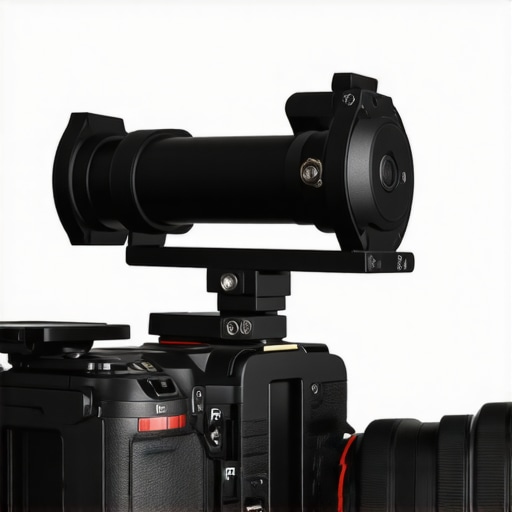
Next, focus on the top handle, which acts as your primary control point for handheld shots. Think of it as the steering wheel of your rig—precise control is essential. I recommend choosing a handle with ergonomic grips and multiple mounting options for accessories such as monitors or microphones. When I first added a top handle with anti-slip rubber, my grip improved significantly, allowing for longer shooting sessions without fatigue. Secure the handle tightly to avoid unwanted wobbling, and position it for optimal balance.
Position for Balance and Accessibility
Proper positioning of the top handle is crucial. For example, I adjusted my handle slightly forward to distribute weight evenly across the rig, which greatly reduced arm strain during long shoots. Use the cage’s mounting points to customize the height and angle, ensuring you can access all controls comfortably. Remember, a well-balanced rig minimizes vibrations and helps achieve steady footage.
Optimize with Rig Accessories for Stability
Accessories like side grips, shoulder pads, and counterweights transform your setup. I found that adding a shoulder pad made a huge difference when filming for extended periods, turning a tiring session into a manageable one. Visit this guide to explore the best options tailored to your needs. Mounting a follow focus or matte box can also enhance your control over focus and exposure, giving your footage a professional edge.
Secure Everything for Peace of Mind
Finally, double-check all connections: screws, mounts, and quick-release plates. Loose components can cause shaky footage or even gear damage. When I was rushing during a shoot, I overlooked a loose screw on my cage, which almost caused my camera to fall. Take a few minutes to tighten all bolts and test your rig’s stability before filming. For expert tips on fine-tuning your setup, visit this link.
Building your perfect camera cage rig isn’t just about equipment; it’s about customizing your support system for maximum efficiency and comfort. By selecting the right components and positioning them thoughtfully, you turn a basic setup into a reliable filmmaking partner.
Many filmmakers believe that choosing the right camera rig or accessories is simply a matter of selecting the most popular or the most expensive gear. However, this misconception often leads to suboptimal setups that can hinder your creativity and efficiency. Let’s dig deeper into what most people get wrong and how to avoid these pitfalls to elevate your filmmaking game.
Why Relying on One-Size-Fits-All Solutions Can Backfire
Everyone says that a universal camera cage or top handle will fit any camera, but in my experience, this is a trap. Ill-fitting cages can cause imbalance, add unnecessary weight, and restrict access to essential controls. Instead, consider customizing your setup with components that match your camera’s specific dimensions and your shooting style. For example, using a modular rig allows you to adapt quickly, reducing fatigue and increasing shot stability. This nuanced approach is often overlooked by beginners who focus solely on popular brands or generic kits. Explore this guide for insights into tailoring your setup effectively.
Beware of Overloading Your Rig with Accessories
It’s tempting to add every new gadget—monitors, follow focus, LED lights—to your camera cage. But more isn’t always better. Excessive accessories can shift your center of gravity, making handheld shots shaky and tiring your arms quickly. The key is to prioritize what truly enhances your workflow, such as a well-balanced top handle or a sturdy shoulder rig. A common mistake is neglecting the weight distribution, which can cause strain or even damage your gear over time. Always test your setup before shooting, and remember: quality support accessories, like those found here, are worth the investment.
Advanced Question: How Do You Fine-Tune Your Rig for Dynamic Shooting Conditions?
If you’re shooting in unpredictable environments—think unstable terrain or fast-paced scenes—your rig needs to be adaptable and resilient. This requires more than just securing screws and mounting points; it involves understanding the physics of weight distribution and quick-release systems. For example, integrating counterweights or quick-adjust handles can make a significant difference in maintaining stability and control. According to a study by the Motion Picture Association, optimized rigs can improve shot quality by up to 30% in challenging conditions. Regularly revisit your setup and make adjustments based on your shooting scenarios. For more advanced tips, check this resource.
In conclusion, the hidden nuance lies in understanding that your camera rig is a dynamic system that must be tailored, balanced, and fine-tuned for your specific needs. Avoid common myths like the idea that bigger or more expensive gear guarantees better results. Instead, focus on customizing your support system to match your workflow, shooting environment, and creative goals. Have you ever fallen into this trap? Let me know in the comments or reach out through this contact page. Remember, mastering your rig is an ongoing process that pays off in every shot you take.
Maintaining your camera rig and accessories is often overlooked but crucial for ensuring consistent performance and longevity. From cleaning and regular inspections to choosing the right tools, a proactive approach can save you time and money in the long run. I personally rely on a few specific tools and methods that have proven effective in keeping my rig in top shape.
Invest in Quality Cleaning and Maintenance Equipment
First, I always keep a microfiber cloth and a blower brush handy. These are essential for removing dust and debris from delicate components like the cage, top handle, and shoulder rig without scratching surfaces. For more stubborn dirt or grease, a small amount of isopropyl alcohol on a lint-free cloth works wonders. Regular cleaning prevents buildup that can impair functionality or cause wear over time.
Use Precision Tools for Tightening and Adjustments
My toolkit includes a set of high-precision screwdrivers and Allen wrenches specifically designed for camera rig components. Over-tightening can strip threads or crack mounts, so I always tighten screws just enough to secure the parts firmly. A torque screwdriver is a great investment if you want to avoid overtightening, especially when dealing with lightweight or delicate accessories. These tools help preserve the integrity of your rig while keeping everything secure.
Monitor Wear and Compatibility Regularly
Every few months, I perform a thorough inspection of all mounting points, quick-release plates, and connection points. Loose or worn screws can lead to instability, so I check for signs of fatigue or damage. If you notice any cracks or deformation, replace the part immediately. This proactive maintenance ensures your rig remains reliable during critical shoots. For compatibility checks, I always verify that accessories like monitors and microphones are securely mounted and functioning correctly, avoiding surprises on set.
Adopt a Preventative Maintenance Routine
Creating a routine, such as a monthly check-up, helps catch issues early. During these sessions, I also lubricate moving parts like shoulder rig joints or quick-release mechanisms with a small amount of silicone lubricant, which prevents sticking and ensures smooth operation. Remember to keep all your tools organized in a dedicated case or drawer, so you always have what you need when the time comes.
Future Trends and How to Prepare
Looking ahead, the trend points toward smarter, modular rigs with integrated sensors that monitor wear and alert you to potential failures. Staying updated with innovations like these can give you an edge. For now, sticking to proven tools and routines is the best way to keep your current setup working flawlessly. I highly recommend trying a torque screwdriver for precise adjustments—it’s a game-changer in maintaining tight, safe connections without risking damage.
How do I maintain my rig over time?
The key to long-term maintenance is consistency. Regularly scheduled inspections, cleaning, and gentle adjustments will extend the life of your gear and ensure your shots remain stable and professional. If you’re interested in more detailed routines or specific product recommendations, visit this guide for expert tips. Don’t wait for a failure—prevention is your best strategy. Start implementing a maintenance routine today and see your rig perform better for years to come.
Lessons I Wish I Had Learned Sooner
- One of the toughest lessons was realizing that a poorly balanced camera rig not only hampers shot stability but also drains your energy. Investing in a well-designed top handle and modular accessories transformed my workflow and boosted my confidence behind the camera.
- Another insight was that one-size-fits-all solutions often create more problems than they solve. Customizing your cage and support system to fit your specific camera and shooting style is the secret to seamless operation and professional results.
- I also discovered that overloading your rig with accessories can backfire, making handheld shots shaky and tiring your arms faster. Prioritizing quality and balance over quantity is crucial for consistent performance.
- Finally, regular maintenance and fine-tuning of your setup prevent surprises during critical shoots. Simple routines like tightening screws and cleaning components extend your gear’s lifespan and keep your shots steady.
My Favorite Tools and Resources for Camera Rigs
- Creator Rig’s accessories guide: A comprehensive resource to find support accessories that suit your needs. It helped me select ergonomic handles and stabilizers that truly enhance stability.
- Precision tools like torque screwdrivers: These keep your connections secure without risking damage, ensuring your rig stays reliable during long shoots.
- Regular inspection routines: Developing a habit of monthly checks and cleaning has saved me from unexpected gear failures. It’s a simple step that pays off in smooth filming.
- Advanced modular rigs: Staying updated with innovations like quick-release systems and integrated sensors can give you an edge. Check out this resource for future trends.
Keep Pushing Forward
Building a reliable camera rig isn’t just about equipment — it’s about cultivating a mindset of continuous improvement. Every shoot is an opportunity to refine your setup, gain confidence, and elevate your storytelling. Don’t be afraid to experiment, learn from mistakes, and invest in quality support gear that matches your creative vision. Remember, mastering your camera rig is an ongoing journey that pays off with every steady shot and professional result.
What’s the biggest challenge you’ve faced with your camera rig? Share your story below and let’s grow together!