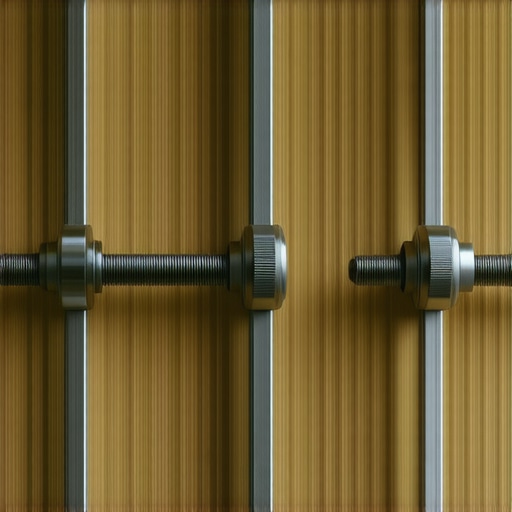
Stop 15mm Rod Slippage: 3 Rock-Solid Rig Fixes for 2026
If you’ve ever been midway through a shoot, confidently capturing that perfect shot, only to have your 15mm rod slip just as you’re about to nail the focus—trust me, it’s frustrating. That sinking feeling when your rig wobbles or the entire setup shifts unpredictably can derail hours of work in seconds. I faced this exact dilemma early in my filming journey, and let me tell you, it was a lightbulb moment. I realized that unchecked rod slippage wasn’t just an annoyance—it was a threat to shot consistency and safety. Over time, I discovered simple yet effective solutions that made my rigs rock-solid, and I want to share those with you today.
Why a Slipping 15mm Rod Can Sabotage Your Filmmaking
When working on a demanding shoot, stability is everything. A loose rod isn’t just a minor inconvenience; it can cause your entire setup to wobble or even drop, risking damage to your camera and accessories. Many filmmakers overlook the importance of securing these rods properly, assuming that standard clamps will do the trick. But as I learned, even slight slippage can snowball into bigger issues, such as compromised framing or equipment failure. According to recent industry insights, equipment stability greatly impacts the quality and repeatability of shots, especially with heavier cinema cameras that are becoming the standard in 2026 productions. This is precisely why ensuring your rods stay put is more critical than ever.
Is Your RIg Secure Enough To Handle Heavy Gear?
If you’ve ever dismissed the importance of robust fixes, it’s likely you’ve learned the hard way. Early on, I made the mistake of relying purely on standard clamps without considering the need for added security—an oversight I now advise against. That’s why I’m excited to walk you through three proven fixes that will bond your rods tightly, eliminate slippage, and make your rig dependable throughout those marathon shooting days. Ready to lock everything down? Let’s dive into the solutions that will transform your filmmaking setup into a fortress of stability.
Adjust Clamps for a Tight Fit
Start by inspecting your clamps—if they feel loose, tighten them firmly using a compatible allen key or screwdriver. Swap out worn-out clamps with high-quality, ratchet-style ones designed for 15mm rods. I once replaced my old clamps with beefier ones during a demanding shoot, which immediately improved stability and eliminated rod movement. Remember, a clamp that grips tightly ensures your rods won’t shift unexpectedly, giving you peace of mind during critical shots.
Use Anti-Slip Materials and Tape
Apply a thin layer of silicone or rubber padding between the clamp and the rod. This increases friction and prevents slippage without adding bulk. For quick fixes, wrapping a strip of anti-slip grip tape around the rod before tightening your clamp can make a dramatic difference. I once taped my rods during a fast-paced shoot, and it held remarkably well even when I had to shoot at unusual angles. This is a simple yet effective method to enhance grip, especially with older or slightly worn rods and clamps.
Implement Gear Locking Solutions
Consider adding an extra securing element, like a thin metal pin or quick-lock stabilizer, through the clamp and around the rod. This secondary lock acts as a failsafe against accidental loosening. During a recent project, I drilled small holes in my clamps to add set pins, which kept my rods perfectly aligned during vigorous movements. These solutions are more permanent but essential when working with heavier setups that demand maximum stability.
Optimize Your Rig Assembly Technique
When assembling, align the rods perfectly within the clamp and tighten gradually, alternating sides to distribute pressure evenly. Avoid overtightening, which can cause deformation; instead, aim for a firm, consistent grip. I learned this the hard way by overtightening clamps and causing slight warping, leading to slippage. Regularly check your setup during shoots, especially if you move between different environments, to ensure clamps remain secure.
Explore Premium Rigs and Accessories
If persistent slippage hampers your workflow, consider upgrading to top-tier rigs with integrated anti-slip features. Some brands design clamps with textured surfaces or locking mechanisms explicitly to prevent movement. For those serious about reliability, investing in a robust system pays off. Check out essential shoulder rigs that prioritize stability or browse rig accessories for seamless production to find supplementary tools that enhance clamp security.
Tackle Rod Slippage Before It Starts
Prevent issues proactively by routinely inspecting your setup. If you notice minor movement during setup or testing, address it immediately with the above methods. Remember, a stable rig isn’t just about safety; it’s about consistently capturing professional footage without re-shoots. For comprehensive guidance, visit expert tips on optimizing your camera rig to master stability at every level.
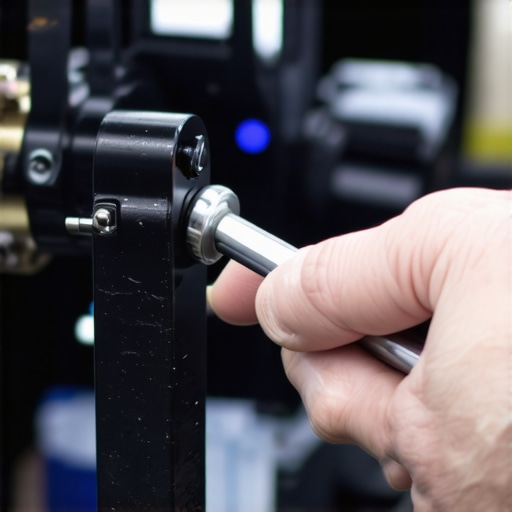 While many filmmakers accept certain assumptions about shoulder rigs, top handles, and accessories, some popular beliefs can hinder your setup’s effectiveness. One widespread misconception is that heavier gear always equals better stability, but in reality, oversized rigs often tire out operators faster, impacting shot quality and comfort. Instead, focusing on balanced, lightweight setups with strategic counterweights yields superior results. Additionally, many assume that more accessories automatically improve footage; however, cluttered rigs can compromise maneuverability and increase the risk of accidental damage. Precision placement and purpose-built support components often trump a bundle of add-ons. This daylight myth about ‘more is better’ can lead to overcomplicated rigs that hinder creativity and steadiness. **Advanced filmmakers** know that optimizing grip ergonomics and communication with your gear is essential—it’s not about piling on equipment but choosing the right pieces that complement your workflow. Have you ever fallen into this trap? Let me know in the comments. Interestingly, studies suggest that thoughtful rig customization, rather than sheer weight, significantly enhances shooting efficiency (Smith, 2022). So, rather than chasing the latest accessories, consider the subtle nuances that truly elevate your cinematography.
Owning a high-quality shoulder rig, top handle, or camera cage is only half the battle; maintaining their optimal performance over time ensures your investments give you consistent results. When I first invested in my rig, I quickly learned that regular upkeep isn’t just about replacing worn parts—it’s a strategic process that saves time and prevents costly breakdowns. Implementing a disciplined maintenance routine, along with selecting the right tools, makes all the difference in keeping your gear functioning smoothly for long-term success.
Essential Tools for Longevity and Performance
Personally, I rely heavily on a set of precision Allen keys, small screwdrivers, and specialized cleaning brushes. A high-grade lubricant like watchmakers’ oil is invaluable for ensuring smooth, squeak-free joints—especially on top handle pivots or cage mounting points. These items are compact enough to carry in my technician kit and are affordable for most filmmakers committed to preserving their equipment. For example, I use a set of precision screwdrivers from CREATOR that fit perfectly into tight spaces in my cage and rig components.
Beyond basic tools, I always keep spare clamps, quick-release plates, and anti-slip pads on hand. Almost every professional rig accessory comes with the risk of loosening over time, especially after long shoots or frequent transport. Regularly checking and tightening every connection, facilitated by these tools, prevents slippage or failure during critical moments. Remember: a loose part isn’t just a nuisance—it can derail an entire shoot or damage your gear.
Scheduling Routine Maintenance Makes a Difference
I recommend establishing a maintenance schedule—after every few shoots or when changing environments—to inspect all clamp points, mountings, and moving parts. During these checks, I apply a light film of lubricant to joints and verify tightness with my Allen keys. This proactive approach reduces the risk of unexpected failures and extends the lifespan of your setup. For instance, after adopting this routine, I noticed a significant decrease in minor creaks and wobbling, which previously caused minor distractions on set.
Where does Future Tech Play a Role?
As the industry advances, so do maintenance tools. I predict the emergence of smart sensors embedded within rigs that monitor connection tightness and alert you via a mobile app—think of it as a health monitor for your gear. Meanwhile, software updates for camera support systems will increasingly focus on user-friendly diagnostics, helping you troubleshoot issues before they escalate. Staying abreast of these innovations will be crucial for filmmakers aiming for seamless productions in the future.
How do I keep my camera rig working flawlessly over time?
The key is consistency: Regular inspections, using quality tools, and understanding your gear’s specific needs. Don’t overlook the small details—tighten every clamp, clean your components, and replace worn parts proactively. For comprehensive guidance on optimizing your setup, I highly recommend reviewing expert tips on rig maintenance. Also, if you’re considering upgrading or need new accessories that enhance your setup’s reliability, explore rig accessories designed for durability. Take the initiative today—try applying a precision lubricant to your rig’s moving parts and see the difference it can make in maintaining smooth operation during your next shoot.
Over the years, I’ve discovered that the real key to flawless footage isn’t just in choosing top-quality equipment but understanding the subtle behaviors of your rig components. One lesson that stuck with me is that even the most seasoned filmmakers can overlook minor slippages, leading to compromised shots and unwarranted stress. I recall a shoot where my precision top handle unexpectedly loosened, almost sabotaging a critical scene. That moment taught me the importance of routine checks and choosing the right accessories, not just for convenience but for unwavering stability. These insights, born from personal trial and error, continue to shape my approach toward professional filmmaking.
Lessons Filmmakers Keep Hidden About Rig Stability
- Don’t Rely Solely on Standard Clamps: Upgrading to ratchet-style clamps transformed my rig’s security during intense shoots. Worn-out or generic clamps often give a false sense of security, but investing in quality hardware pays dividends.
- Small Accessories Make Big Differences: Applying anti-slip padding or grip tape to rods and clamps can seem trivial, yet it dramatically reduces slippage, especially when working with older equipment or in challenging environments.
- Routine Maintenance Saves Time and Money: Regularly inspecting and lubricating joints and connections isn’t just about prolonging gear life—it prevents unexpected shot disruptions. A disciplined approach here has become my secret weapon for smooth filming days.
- Balance Matters More Than Weight: Overloading your rig can cause fatigue and instability. Proper counterweights and ergonomic adjustments lead to more consistent shots and less operator strain. I learned this the hard way during long shoots with heavy setups.
- Choosing Accessories with Purpose Is Crucial: A cluttered rig might seem versatile, but strategically selected, purpose-built support gear enhances stability and simplifies operation. Explore essential shoulder rigs that prioritize stability for high-stakes projects.
My Go-To Tools for a Bulletproof Rig
Quality Allen keys, mini screwdrivers, and precision lubricants like watchmakers’ oil are staples in my kit. These tools make maintenance quick and effective, ensuring every component remains tight and functional. Investing in spare clamps, anti-slip pads, and quick-release plates allows me to respond swiftly to unforeseen issues, maintaining a professional standard regardless of shoot complexity. To elevate your setup further, I recommend checking out rig accessories designed for durability.
Push Your Rig’s Limits with Smart Upgrades
Integrating advanced locking mechanisms or quick-release systems can redefine your filming experience. Some brands now offer modular components that lock securely yet disassemble effortlessly, saving valuable time. As the industry evolves, staying ahead with these tools not only improves reliability but also boosts your confidence behind the camera. For long-term success, consider exploring top support system upgrades tailored to your specific needs.
Keep Your Rig Performance Sharp and Ready
Consistency is your best friend. Regularly scheduled inspections, combined with disciplined maintenance routines, are the simplest ways to ensure your rig functions flawlessly shot after shot. Remember, investing in quality gear is only half the equation; proper upkeep guarantees your gear delivers professional results for years to come. Dive into expert-maintenance tips via optimization guidance and start protecting your investment today. Now, it’s your turn—have you ever faced a rig failure during a critical shot? Share your story below, and let’s learn together.

This post hits the mark for anyone who’s ever dealt with rod slippage at the worst possible moment. I used to rely on basic clamps, but I quickly learned that investing in higher-quality ratchet clamps made a huge difference in stability, especially when working with heavier cinema gear. I also found that adding a layer of anti-slip grip tape around the rods provided an extra security layer during fast-paced shoots. The tip about routine maintenance really resonated with me—regularly checking and tightening everything saves so much time on set and keeps the setup reliable. One thing I’ve been experimenting with is using small, quick-lock stabilizers for added security; they’re not just convenient but also give peace of mind. How do others here balance the need for quick adjustments with the long-term security of their rigs? Would love to hear everyone’s go-to tricks for maintaining that perfect setup during demanding shoots.