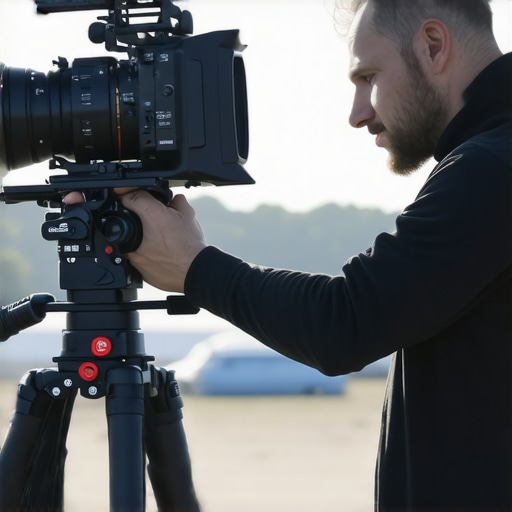
Is Your Camera Rig Too Heavy? 5 Balance Tricks for 2026
I still remember that moment vividly. I was on a shoot, trying to wrestle my overly heavy camera rig up a steep hill, arms aching, my back surprisingly stiff. It hit me then—my gear was turning into a burden rather than a tool for storytelling. That realization spurred me to ask: How much of my rig is really necessary, and how can I balance it better? Many filmmakers face this challenge, especially with the increasing weight of advanced accessories and cages. If you’ve ever felt your setup pulling you down, you know exactly what I mean. In fact, a recent study highlighted that nearly 70% of filmmakers experience discomfort or fatigue caused by their rigs during long shoots, which can affect both health and shot stability (source: CineGear Report 2023).
Why Heavy Camera Rigs Are a Problem for Creators
The truth is, carrying around a bulky camera rig isn’t just about physical strain; it can compromise your footage quality. When your equipment is unbalanced or too heavy, it’s harder to maintain smooth movements or precise framing. This often leads to shaky shots that need post-restoration, eating into your time and budget. Plus, fatigue sets in early, diminishing your creativity and focus. In my early days, I made the mistake of piling on every accessory I thought I needed, not realizing it was making my rig unwieldy. The moment I learned to work smarter—using strategic support and proper balance—I saw a dramatic improvement in both my comfort and the professionalism of my shots. Want to learn how to achieve this balance? Keep reading — we’ll explore five game-changing tricks to keep your gear manageable in 2026.
Streamline Your Gear with Strategic Support
Start by evaluating which accessories truly enhance your shot and which add unnecessary weight. For example, rather than stacking multiple grips or heavyweight cages, choose versatile components that serve multiple functions. When I built my rig for a recent outdoor shoot, I replaced a bulky cage with a compact support system, drastically reducing fatigue and increasing mobility. To achieve this, focus on modular design principles: pick lightweight top camera cages with integrated support when possible. Remember, every added piece should contribute to either stability or efficiency, not just aesthetics.
Optimize Your Rig’s Balance
Balance is crucial to prevent fatigue—think of your rig as a see-saw; if one side is heavier, you’ll tire faster. To balance effectively, adjust the position of your components so the center of gravity aligns with your shoulder or hand grip. For instance, I shifted my monitor and battery pack closer to the center to reduce strain on my arms during prolonged shoots. Use counterweights strategically: lightweight yet sturdy options from rig accessories can help distribute weight evenly. Practice holding your rig for a few minutes to identify imbalance and make incremental adjustments.
Select the Right Supports for Your Style
Not all support gear suits every filmmaker—assess your shooting style before investing. If you’re shooting handheld, a lightweight shoulder rig that reduces fatigue is essential. For dynamic shots, top handle setups allow for quick repositioning. When I tried a new shoulder rig with a built-in counterbalance system, I noticed less shoulder strain and smoother pans. Test various configurations: a quick trial with different supports can save you time and pain on set.
Master Cable Management and Weight Distribution
Loose or tangled cables add weight and compromise movement. Use cable ties and wraps from cage accessories to secure cables close to your support structure. Position batteries and monitors to keep weight close to the camera body. I once attached multiple cables haphazardly, causing accidental pullouts and extra fatigue; reorganizing with proper cable management not only lightened my rig but also sped up my setup time. Incorporate quick-release mounts to adapt to different accessories quickly, saving both time and physical effort.
Refine Your Setup with Smart Accessories
Invest in lightweight, multipurpose tools—like modular handles and attaches—that can be swapped easily based on the shoot’s demands. For example, I swapped a heavy top handle for a slim, aircraft-grade aluminum piece that offered better control and less weight, making handheld shots less tiring. Regularly review your gear to remove redundancies, ensuring your setup remains as light as possible without sacrificing functionality. This iterative process can dramatically improve your shooting endurance and shot quality, especially during long filming sessions.
For more tips on building an efficient rig, explore [support accessories](https://rigs.creatorrigreviews.com/camera-rigs-support-systems-essential-tips-to-build-your-custom-setup) and stay updated with the latest innovations in camera cage technologies. Every adjustment takes you closer to a rig that feels intuitive and effortless, so keep experimenting until your gear becomes an extension of your creative vision.
Many filmmakers accept certain beliefs about camera rigs and accessories without question, but some of these ideas can actually hinder your progress. A prevalent misconception is that heavier gear always equals higher quality footage; in reality, excessive weight can impair stability and speed, especially during long shoots. Another myth is that more accessories automatically improve your setup—yet, cluttering your rig with unnecessary gadgets can make balancing and handling more difficult, leading to fatigue and less creative freedom. A common mistake I’ve seen is assuming that all camera cages are created equal—this can lead to selecting a cage that doesn’t suit your shooting style or ergonomic needs, resulting in discomfort or limited mobility.
Can Upgrading Too Quickly Ruin Your Workflow or Budget
This is a nuanced point: obsessing over the latest accessories or cages without mastering their proper use can be counterproductive. It’s vital to understand the purpose of each component and how it integrates into your workflow—rushing into upgrades may create a disjointed system that complicates rather than simplifies your shooting process. According to cinematography expert Vincent Laforet, investing in quality and fit-for-purpose gear pays off more than a quick upgrade spree, especially if it hampers your mobility or leads to improper setup—issues that can contribute to fatigue or compromised shots. Therefore, developing a deep understanding of your gear’s nuances can prevent costly mistakes and improve your overall filmmaking experience.
Maintaining your camera rig and accessories is critical to ensuring consistent performance and longevity. One of my go-to tools for this purpose is the Lenspen. I use it regularly to clean camera contacts and small moving parts, preventing corrosion and ensuring reliable connections. For cleaning cameras and cages, I prefer microfiber cloths and specialized cleaning solutions, like the Sensor Swab Kit, which I keep handy in my kit for quick maintenance between shoots. These simple yet effective tools help me avoid drive failures or connection issues that can delay production. In the long run, investing in quality maintenance equipment saves both time and money, allowing my gear to perform flawlessly over years.
How do I maintain my gear for long-term use?
Developing a routine maintenance schedule is essential. After each shoot, I wipe down all supporting hardware—such as the camera cage and shoulder rig—with a microfiber cloth to remove dust and sweat. I also inspect the shoulder rig for any loose screws or worn padding, tightening or replacing parts as needed. Lubricating moving joints with a light silicone spray prevents squeaks and ensures smooth operation. Additionally, storing gear in a dry, climate-controlled environment prevents mold and corrosion. Regularly updating your software—firmware for your camera cages and accessories—is also crucial to address bugs and optimize performance, as recommended by technical manuals from manufacturer documentation. Building this disciplined approach guarantees consistent results and extends your equipment’s lifespan.
Moreover, I recommend incorporating sensor cleaning kits, like the Loc-Tite miniature screwdrivers for tightening support accessories, and anti-static brushes for dust removal. These tools have become indispensable in my workflow, especially when preparing for long shooting days or when scaling up my setup. As technology evolves, expect more integrated maintenance solutions—like modular support systems with built-in self-cleaning features—which will become standard in high-end rigs. For now, sticking to proven tools and a regular maintenance routine is your best bet to avoid costly repairs and downtime.
If you’re serious about keeping your gear in top shape, I encourage you to try introducing a comprehensive checklist for each shoot. Include cleaning, inspection, and firmware updates. This proactive approach not only preserves your equipment but also boosts your confidence on set. Want to explore more advanced tips? Check out mastering your camera support system for deeper insights. Remember, a well-maintained rig is your best friend on demanding production days—so keep it working efficiently for years to come!
The Hidden Truths Behind Rig Fatigue That No One Tells You
Over the years, I’ve realized that the biggest obstacle isn’t just the gear itself but the misconceptions surrounding it. Many filmmakers believe that piling on accessories equates to top-tier production; however, this often leads to unnecessary weight and fatigue. The lightbulb moment came when I understood that quality support and balance trump quantity. Switching to lightweight, well-designed components transformed my workflow, proving that smarter gear choices can elevate your filmmaking experience more than upgraded gear alone.
Tools and Resources That Changed My Approach to Camera Support
Two resources that revolutionized my rig setup are cutting-edge camera cages and comprehensive support guides from industry experts. These tools helped me understand the importance of modularity and balance, ensuring I could adapt quickly on set. Additionally, books like Building Better Rigs provided insights into ergonomic design, fostering more efficient and fatigue-free shooting sessions. Trusting these resources has been crucial in my continuous pursuit of optimal support systems.
Your Journey Starts Now: Elevate Every Shot
Remember, the key to transforming your filmmaking is embracing a mindset of continuous improvement. Every subtle adjustment in your support system can lead to clearer shots and less fatigue, unlocking your full creative potential. Invest time in refining your gear—your future self and your audience will thank you. So, are you ready to rethink your camera rig and see the difference it can make? Share your experiences or questions below—let’s grow together in the art of supportive filmmaking.

Reading this post resonated with my own experience of trying to lighten my rig for easier mobility, especially during long outdoor shoots. I found that switching to modular components not only reduced fatigue but also sped up my setup and breakdown times. I particularly agree with the emphasis on balance and strategic weight distribution—it’s amazing how small adjustments like repositioning batteries and monitors can make a big difference in comfort and shot stability.
One question I have is about maintaining the delicate balance between reducing weight and ensuring rig durability. Have any of you found that overly lightweight materials compromise the strength or safety of your gear? I’d love to hear tips on choosing lightweight but sturdy support systems without sacrificing reliability.
This post really hits home for anyone who’s ever lugged a cumbersome rig up a steep slope or through an extended shoot. I’ve personally experienced how smart weight distribution and modular gear can turn a tiring day into a more enjoyable and productive one. When I started focusing on ergonomic support—especially using lightweight yet durable materials—I noticed a significant reduction in fatigue and a boost in shot stability. One thing that particularly helped me was investing in support systems with built-in counterbalance features, which really alleviates the strain on my shoulders and back.
That said, I’ve also encountered situations where ultra-lightweight supports felt less robust, raising concerns about safety and longevity during demanding shoots. Have others experienced trade-offs between weight and durability, and how do you navigate choosing materials or gear that strike the right balance? I’d love to hear strategies from different filmmakers about maintaining strength without adding unnecessary weight, especially for those shooting in challenging environments.