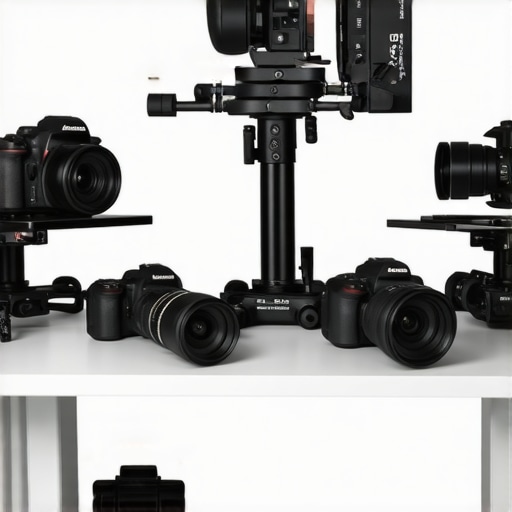
Essential Guide to Camera Cages & Support Gear for Filmmakers 2025
Ever felt that pounding frustration when your steady shot turns into a shaky mess because your camera rig just isn’t cooperating? I remember the moment I realized my equipment was holding back my creativity more than I expected. Countless hours of filming, trying to stabilize shots with makeshift solutions, only to end up with footage that’s less than professional. That lightbulb moment made me dig deeper into the world of camera cages, support gear, and how they can genuinely transform filmmaking in 2025.
Why Your Camera Support System Might Be Sabotaging Your Shots
Is the Hype About Support Gear Just Overrated?
Early in my journey, I made a common mistake—overlooking the importance of the right support system. I tried to cut costs by choosing cheaper rigs, assuming they’d do the job. Turns out, that decision cost me quality and efficiency—and taught me an invaluable lesson. Proper support gear isn’t just about looking professional; it’s about ensuring stability, reducing fatigue, and achieving cinematic masterpieces. According to a report by Creator Rig Reviews, the right support system enhances shot accuracy and reduces post-production cleanup.
Have you ever faced the embarrassment of footage so shaky it made viewers nauseous? Or maybe you felt weary halfway through, compromising shot quality? If so, you’re not alone. Fortunately, understanding the nuances of camera cages, shoulder rigs, and support accessories can make all the difference. In the next sections, I’ll share practical insights gathered from personal experience and industry best practices to help you elevate your filmmaking toolkit. Ready to learn how to transform your gear into an unstoppable support system for every shoot? Let’s dive deeper into the essentials that can revolutionize your 2025 projects.
Assembling Your Rig for Precision Shooting
Start by selecting a sturdy camera cage that suits your camera model, ensuring it offers ample mounting points for accessories. Secure the cage onto your camera, then attach a top handle to facilitate smooth movements and easy gripping. Use a micro-level to check alignment, securing all screws tightly to prevent wobble. During my last shoot, I replaced a flimsy cage with a robust one from the ultimate guide to camera cages, which immediately enhanced stability and comfort.
Enhancing Stability with Support Accessories
Utilize Micro-Adjustments with Rig Supports
Attach support rods and counterweights to balance your rig, especially when adding multiple accessories. Proper balancing reduces fatigue and enables smoother handheld shots. For example, I added a sliding support system and adjustable counterweights, which drastically reduced vibrations during a recent documentary shoot—making a noticeable difference in footage quality.
Optimize Grip and Handling
Incorporate handgrips, such as side handles or shoulder pads, to improve ergonomics. Position them for natural and comfortable handling, reducing strain during long takes. I found that attaching a shoulder pad and adjusting it to my shoulder’s contours allowed for longer, steadier shots without fatigue, especially after reviewing footage on top handle guides.
Fine-Tuning Your Support System for Professional Results
Regularly revisit the setup, checking tightness and balance before each shoot. Use a quick-release system for rapid adjustments or gear swaps. During a recent shoot, I rebalanced my rig between scenes to adapt to changing angles, which kept shots consistently stable. Remember, the key to reliable support gear is not just assembly but ongoing fine-tuning and adaptation to your shooting style.
Many aspiring filmmakers believe that choosing a top handle or camera cage is just about attaching accessories and grabbing the rig. However, in my experience, most get this completely wrong by overlooking critical nuances that can make or break shot stability and comfort. For example, a common myth is that heavier support gear equates to better stability, but what truly matters is the distribution of weight and balanced setup, which prevents fatigue over long shoots. An improperly balanced rig can lead to micro-shakes and introduce unintended vibrations, complicating post-production correction and sapping energy from the operator. Exploring this nuance is vital for those serious about professional results.
What Advanced Filmmakers Miss About Rig Customization
Many tend to standardize their rigs without considering the specific dynamics of their shooting style. Custom setups that account for the weight of accessories, ergonomic comfort, and the shooting environment dramatically improve footage quality. Industry experts emphasize the importance of modularity—being able to fine-tune your setup quickly during a shoot can save invaluable time and prevent mishaps. According to a study by Creator Rig Reviews, adaptive support configurations improve operator endurance and shot stability significantly. So, instead of sticking with a generic rig, invest time into tailoring your support system to your specific needs. Don’t forget that the quality of accessories, like quick-release plates and balancing plates, plays an outsized role in your efficiency and shot consistency, as discussed in our comprehensive guide on camera cages and handles. 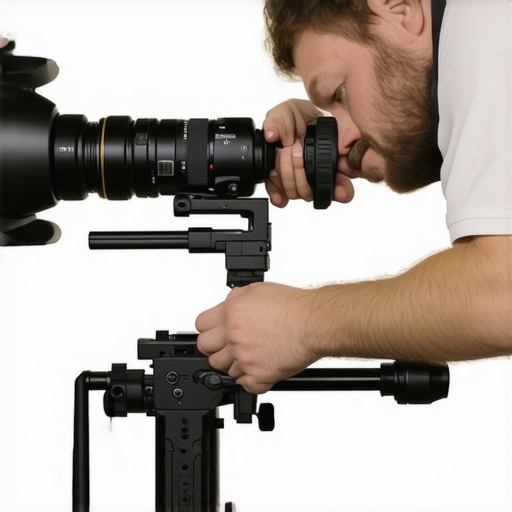
Adding a well-designed shoulder pad or custom support arm can prevent fatigue-induced micro-movements—something even seasoned professionals sometimes neglect. This isn’t just about comfort; it’s about maintaining the precision required for high-end productions. While many focus on the latest camera upgrades or lens quality, I advise filmmakers to prioritize their rig’s support system. Properly calibrated support gear enables smoother movements, provides reliable stability, and ensures your shots look polished every time. Investing in modular, adjustable accessories aligns with the advice from support system experts and can drastically elevate your filmmaking. Have you ever fallen into this trap? Let me know in the comments, and keep refining your gear for cinematic excellence.
To ensure your rig remains dependable during demanding shoots, investing in regular maintenance and choosing the right tools is vital. Start with high-quality lubricants, like silicone-based sprays, to keep moving parts smooth and prevent rust. Regularly inspect quick-release plates and mounting screws for wear and tighten or replace them as needed. When it comes to cleaning, using compressed air helps remove dust from delicate components such as your camera cage and shoulder rig supports, maintaining optimal performance. Additionally, storing your gear in weatherproof, padded cases shields it from environmental damage, prolonging its lifespan.
How do I maintain support components and accessories over time?
Personally, I rely on a combination of routine check-ups and specialized tools. Using calibration tools like digital levels ensures your setup stays perfectly aligned, especially after transport or extensive use. Applying protective coatings to metal parts prevents corrosion—particularly in humid environments—and periodically replacing worn-out parts keeps your setup functioning seamlessly. Remember, hardware fatigue can introduce micro-movements that compromise shot stability; thus, replacing or servicing supports like shoulder pads and handles when you notice looseness is crucial. These practices help safeguard your investment and uphold professional-quality results. Industry experts suggest mapping out a maintenance schedule using a checklist, which I find invaluable. For more detailed strategies, check out this expert guide on support system maintenance.
What future trends will shape support gear longevity and performance?
In my opinion, advancements in durable materials like carbon composites and anti-corrosion coatings will become mainstream, making rigs more resilient over longer periods. Modular designs that allow quick part upgrades instead of complete replacements will also gain popularity, reducing costs and downtime. As technology progresses, the integration of smart diagnostics into support gear could alert users to fatigue or potential failure points before issues occur, similar to automotive health monitoring systems. Trying out innovative materials and modular components today can set you up for seamless upgrades in the future, ensuring your support system remains reliable for years to come. Be sure to explore cutting-edge accessories and maintenance approaches in industry-leading content to stay ahead.
3 Lessons That Changed My Approach to Rig Support Systems
- Never underestimate the importance of balance—initially, I believed adding more accessories would improve stability, but I quickly learned that proper weight distribution is key to reducing fatigue and micro-movements, which are crucial for professional-looking shots.
- Customization beats off-the-shelf solutions—personal experience taught me that tailoring support gear to my specific shooting style and equipment made a significant difference, turning a bulky rig into a seamless extension of my creativity.
- Routine maintenance is a game-changer—regular checks, cleaning, and timely upgrades of my support components ensured consistent shot stability and prolonged the lifespan of my gear, saving me time and money in the long run.
My Essential Resources for Equipment Confidence
- Ultimate Guide to Camera Cages: I’ve relied on this comprehensive resource to select cages that offer optimal support and versatility for my shoots. It’s a cornerstone for understanding how to build a robust foundation.
- Expert Tips on Rig Optimization: This article helped me fine-tune my setup, emphasizing the importance of modularity and ergonomic design, which I now prioritize in my gear choices.
- Top Accessories for Seamless Filmmaking: I trust this collection for selecting accessories that enhance stability and ease of use, making complex shots more manageable and enjoyable.
Step Into Your Filmmaking Potential Today
Equipping yourself with the right camera support system isn’t just about gear—it’s about empowering your creativity and pushing your boundaries. As technology evolves, staying informed and adaptable will set you apart in the world of filmmaking. Remember, every great shot starts with a solid support system that lets your vision shine brightly. Don’t hesitate to experiment with different setups, learn from each experience, and build your confidence in creating cinematic magic.
What’s been your biggest challenge with support gear, and how did you overcome it? Share your stories below, and let’s grow together in this filmmaking journey.


![4 Cooling Cage Mods to Stop 2026 Mirrorless Overheating [Tested]](https://rigs.creatorrigreviews.com/wp-content/uploads/2026/04/4-Cooling-Cage-Mods-to-Stop-2026-Mirrorless-Overheating-Tested-300x300.jpeg)
Reading this post really resonates with my experience in indie filmmaking. I used to rely on lightweight support rigs to save on cost, but I found that sacrificing stability often resulted in longer editing times and less professional-looking footage. Since I invested in a modular cage setup and adjustable supports, my shots have become so much more steady, even during prolonged handheld scenes. The key was customizing my rig based on my shooting style, which involved balancing the weight of accessories and optimizing grip ergonomics. I’m curious, how have others here found the process of fine-tuning their rigs for different projects? Do you prefer quick adjustments for fast-paced shoots or more permanent setups tailored for specific types of filming? I believe that investing in versatile support gear has taken my work to the next level, and I’d love to hear more tips on maintaining and upgrading these systems over time.
This post really hits home for me, especially the part about balance and modularity in support rigs. I’ve personally found that investing in adjustable support systems makes a huge difference, particularly when switching between different shooting environments. For example, I use a combination of quick-release plates and modular accessories that allow me to reconfigure my rig quickly, saving valuable time on set. I remember a recent outdoor shoot where I needed to go from handheld to tripod-like stability in seconds, and having a modular setup really saved the day.
One thing I’ve struggled with is maintaining consistent balance as I add or remove accessories. Do others have tips or tools for ensuring your rig stays perfectly balanced during rapid adjustments? Sometimes a small misalignment can cause micro-shakes that are hard to correct in post. Overall, I believe customizing your support system to your workflow and needs is essential for professional results and can greatly reduce operator fatigue—something I always keep in mind during long shooting days.