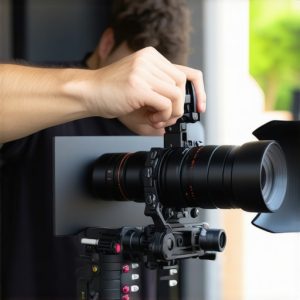
Camera Rigs for Filmmakers: Ultimate Guide to Support & accessories
Ever been in the middle of a shoot, only to realize your camera rig isn’t supporting your shot the way you envisioned? That sinking feeling of instability or awkwardness can really throw off your flow. I remember my first few shoots — I thought I had the perfect setup until I struggled to keep my shots steady or manage quick adjustments. It was a real lightbulb moment when I realized that a well-built rig isn’t just about gear; it’s about confidence and control.
In this guide, we’re diving into the essentials of camera support systems and accessories. The goal? To help you build a support setup that feels natural, reliable, and tailored to your filmmaking style. Trust me, investing time into your rig pays off—professional-looking shots become effortless when your gear supports your creativity, not hinder it.
Why Support Systems Make or Break Your Shots
Support systems are the backbone of smooth filmmaking. Whether you’re shooting a dynamic run-and-gun scene or a carefully composed interview, your rig’s stability and ergonomics can turn a good shot into a great one. But here’s the catch: many filmmakers underestimate the value of proper support gear. Early on, I made the mistake of relying solely on a basic shoulder rig, and the fatigue and instability it caused limited my shooting hours and compromised my footage.
Think about it — if your rig isn’t comfortable or balanced, your shots will suffer. Plus, quick adjustments become cumbersome, forcing you to compromise on shot quality or miss opportunities altogether. The good news? There are simple ways to optimize your support system, and I’ll show you how.
Support gear isn’t just about holding the camera; it’s about ergonomics, weight distribution, and versatility. High-quality accessories like top handles, cages, and support rigs can transform your filmmaking experience. For instance, a sturdy rig and well-placed accessories reduce arm fatigue and give you the freedom to shoot complex shots with confidence.
Research shows that improper ergonomic design can cause fatigue and even injury over time, affecting your ability to shoot good footage consistently (source: Creator Rig Reviews). That’s why investing in support gear that feels right for you isn’t just a luxury—it’s a necessity.
If you’ve ever struggled with shaky footage or sore arms after a long shoot, you’re not alone. The next step is understanding exactly what makes support systems truly effective and how you can tailor them to your needs. Ready to dive into the nuts and bolts? Let’s go.
Begin with a Stable Base
Start by selecting a quality camera cage compatible with your camera model. Think of it as the skeleton that holds everything together—choose one that offers multiple attachment points for accessories and mounts. I once used an off-brand cage that lacked proper mounting options, which led to instability during dynamic shots. Upgrading to a robust cage with reinforced points immediately improved shot stability and accessory versatility.
Balance Your Rig Like a Tripod
Adjust the placement of your camera and accessories to distribute weight evenly. Imagine balancing a bookshelf—if the weight leans to one side, it becomes unstable. Similarly, place heavier components closer to the center and lower on the rig to lower the center of gravity. I achieved smoother handheld shots by shifting my heavier battery pack down and center, reducing fatigue and sway.
Use Support Accessories to Fine-Tune Balance
Incorporate items like counterweights, follow focus, and matte boxes thoughtfully. Counterweights—think of them as the weights in a scale—help achieve neutral balance. A mishap I faced was overloading one side without counterbalancing, resulting in wrist strain and shaky footage. Adding a small counterweight on the opposite side stabilized my setup, making running and gunning feasible.
Leverage Top Handles for Control and Flexibility
Attach a quality top handle to your cage for better grip and maneuverability. Visualize it as the steering wheel of your camera system—gives you immediate control. During a shoot, I used a top handle to quickly switch to low-angle shots, which would’ve been cumbersome with just the main grip. It also helps when transitioning between handheld and tripod setups seamlessly.
Secure Your Handhold for Comfort
Use ergonomic grip tape or padding on your top handle. An uncomfortable handle can cause hand fatigue, similar to gripping a rough surface all day. I wrapped mine with anti-slip grip tape, which not only felt better but provided a more secure grip during fast movements, preventing slips that could ruin a shot.
Add Rigs and Supports for Enhanced Stability
Consider ancillarySupport systems like shoulder rigs or gimbal mounts if your shoot demands prolonged handheld operation. Think of this as adding suspension to a vehicle—smoothens out bumps and improves handling. I once integrated a shoulder support with my cage setup, which drastically reduced arm fatigue over a full day of shooting, resulting in more consistent shots and less post-production stabilization.
Customize Your Setup for Personal Comfort
Adjust straps, padding, and attachment points to fit your body dimensions. Every filmmaker’s ergonomics are different; what works for one may not for another. I experimented with different padding placements until I found a setup that allowed me to shoot for longer uninterrupted. Remember, a comfortable rig isn’t just a luxury—it’s a productivity booster.
Test and Iterate for Perfection
Once assembled, shoot some test footage to evaluate balance, mobility, and comfort. Small adjustments—like repositioning a handle or adding a counterweight—can significantly impact your workflow. I once spent an afternoon tweaking my setup; the improved stability and ease of movement made a noticeable difference in shot quality. Think of your support system as an evolving tool that adapts to your shooting style over time.
Many filmmakers assume that buying the latest camera cage or support accessories automatically results in professional shots, but this is a misconception. One of the most widespread myths is that more gear equates to better stability and control. In reality, excessive or poorly chosen accessories can introduce imbalance, complicate adjustments, and even lead to ergonomic issues. For example, adding too many counterweights without understanding proper distribution can create a front-heavy rig, increasing fatigue and decreasing shot stability, contradicting the common belief that heavier rigs are sturdier. Encumbrances can also trap you into a rigid setup that hampers quick repositioning, especially during dynamic shoots, which is a mistake many novices make. To avoid these pitfalls, prioritize understanding the nuanced balance and ergonomics of your support gear—it’s about intelligent customization, not just accumulating features. A secret few know is that subtle adjustments in the placement of your top handle or the addition of specific support support accessories can dramatically improve handling and reduce fatigue. Advanced filmmakers recognize that neglecting these details leads to subpar performance, no matter how high-end the gear. A useful resource is the article on optimizing your camera rig, which emphasizes that a well-balanced setup is crucial for stable footage and efficiency. Another common mistake involves underestimating the importance of modularity; relying on a fixed setup can prevent quick adaptations to different shooting scenarios. Instead, using flexible rig accessories and quick-release mechanisms allows for seamless transitions, enhancing your creative control. Remember, even the best gear won’t save a poorly planned setup—it’s a matter of understanding the underlying principles of support ergonomics and making informed choices. If you are tempted to add every shiny accessory you see, stop and question if it serves your workflow. Let’s take a moment to reflect: Have you ever fallen into this trap? Share your experiences in the comments. For tailored advice on building efficient support systems, consider visiting our contact page and continue elevating your filmmaking skills.
Staying Sharp with Your Support Gear
Maintaining your camera rig and accessories isn’t just about avoiding breakdowns—it’s about ensuring consistent performance and extending the lifespan of your equipment. Regular inspections should become part of your routine. Check for loose screws on your cage or top handle, especially after transport or heavy use. I personally keep a small toolkit with Allen wrenches and screwdrivers in my gear bag to tighten up any parts that loosen during shoots.
Cleaning is equally important. Dust, fingerprints, and moisture can degrade your gear’s performance over time. Use a soft microfiber cloth to wipe down your camera cage and support accessories after each session. For stubborn grime, a gentle cleaning solution safe for electronics can be applied. Remember, a clean rig functions smoother and looks professional on camera.
Tools That Keep Your System Running Smoothly
Investing in the right tools can save you a lot of headaches. A portable multi-tool kit — complete with screwdrivers, pliers, and Allen wrenches — is indispensable. I recommend the Leatherman Wave Plus for its versatility and durability. It allows quick adjustments on set without needing a full toolbox. Additionally, a silicone lubricant like this helps keep moving parts like gimbal plates or quick-release mechanisms functioning smoothly.
Using specialized cleaning sprays designed for camera components can prevent dust build-up in tight spots, especially on threads and joints. Regular lubrication and cleaning maintain optimal function, making your setup more reliable during demanding shoots.
Predicting Future Support Trends for Reliability
Looking ahead, support systems are increasingly incorporating modular designs and smart materials. Materials like carbon fiber promise lighter yet sturdier rigs, while modular components enable easier customization and repairs. I predict a rise in integrated maintenance indicators—tiny sensors embedded within rigs that signal when components need attention, much like your car’s warning lights. Embracing these innovations now can give you a head start in safeguarding your equipment.
How do I maintain my gear over time?
Establish a routine that includes visual inspections before and after shoots, regular cleaning, and lubrication of moving parts. Keep your tools organized in a dedicated kit and always follow manufacturer guidelines for specific maintenance instructions. Remember, a well-maintained rig not only lasts longer but also performs better, producing consistent, stable footage that elevates your filmmaking. For trusted resources and expert tips, check out this comprehensive guide. Don’t hesitate—try lubricating your support joints with a high-quality silicone spray today to experience smoother operation and prevent wear over time.
Lessons I Wish I Had Learned Sooner About Camera Rigs and Support Gear
- One of my biggest surprises was realizing how every tiny adjustment in support accessories could dramatically improve shot stability. I used to believe that investing in high-end gear alone would guarantee professional results, but I found that iterative tweaking and understanding my specific needs made all the difference.
- I used to overlook the importance of ergonomic design, thinking comfort was a secondary concern. But after experiencing fatigue that compromised my focus and shot quality, I learned that a well-designed setup isn’t just about gear—it’s about maintaining consistency and preventing injury over long shoots.
- My biggest lightbulb moment was discovering how modularity in support systems allows seamless adaptation to varied shooting scenarios. Rigid, non-configurable rigs limited my creativity, while flexible setups opened new possibilities and saved crucial time during fast-paced projects.
My Go-To Resources for Camera Rig Mastery
- Creator Rig Reviews’ comprehensive guides—Their expert tips on optimizing your camera rig, like this article on perfect shots, have been invaluable for understanding balance and ergonomics.
- High-quality support accessories—Products from trusted brands like on their accessory list consistently deliver durability and flexibility, simplifying my setup process.
- Community forums and filmmaker networks—Sharing experiences and troubleshooting tips in dedicated groups, such as those linked in their contact page, has accelerated my learning and provided fresh ideas to refine my rigs.
Your Next Step in Camera Support Excellence
Building an effective, personalized support system requires more than just gear—it demands understanding your workflow, experimenting with configurations, and prioritizing comfort and stability. Remember, the best rigs are those that evolve with your skills and projects. Don’t be afraid to invest time in fine-tuning and learning—from my experience, this approach unlocks the full potential of your filmmaking prowess. Ready to elevate your shots and confidence? Dive into the detailed guides and start customizing your rig today. Have you ever faced challenges with support gear slipping or causing fatigue? Share your stories below, and let’s learn together!
,