Camera Rigs & Cages: Essential Tips for Building Your Perfect Setup
Walking into my first shoot with a hastily assembled camera rig, I quickly realized that my setup was more of a frustration than an aid. The shoulder strap slipped, the top handle wobbled, and my shots felt shaky—literally. That moment was a lightbulb for me: a well-designed camera rig isn’t just a luxury; it’s a necessity for professional-looking footage. If you’ve ever struggled with stability, awkward handling, or gear that just doesn’t feel right, you’re not alone. I’ve been there, too. Today, I want to share how building an effective, reliable setup can transform your filming experience, saving you time, effort, and embarrassing footage.
Why Your Camera Rig Matters More Than You Think
Building a camera rig isn’t just about attaching accessories haphazardly—it’s about creating a cohesive system tailored to your shooting style. The right setup can help you achieve cinematic stability, reduce fatigue, and give you the flexibility to shoot from different angles seamlessly. Early in my journey, I made the mistake of blindly purchasing popular accessories without considering how they fit into my workflow. This led to bulky gear that added weight and compromised mobility. After a few failed shoots, I discovered that understanding the fundamentals—like how top handles, shoulder rigs, and support systems work together—is crucial.
Did you know that improper rig setup can cause even seasoned professionals to miss shots or produce shaky footage? According to expert filmmaker and creator of the “Camera Rigs & Support Systems” guide, the right combination of support accessories enhances both stability and ease of movement (see [here](https://rigs.creatorrigreviews.com/camera-rigs-support-systems-the-top-10-tips-for-filmmakers)). The good news? With some thoughtful planning and the right gear, you can turn your camera into a natural extension of your body.
Want to avoid repeating my early mistakes? Let’s dive into how to build a camera rig that feels like an extension of your creativity, not an obstacle in your path. Whether you’re a seasoned pro or just starting out, these tips will help you get the most out of every shoot.
Start with the Core Frame
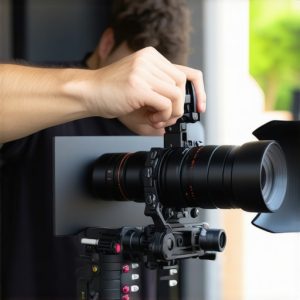
Choose a sturdy camera cage that fits your camera size; think of it as the skeleton that holds everything together, providing mounts for accessories. I once used a flimsy cage on a shoot, which resulted in shaky footage and frustration. Having a solid base prevents this and makes adding components seamless.
Attach Top Handles for Better Control
Secure a high-quality top handle to your cage, acting as the steering wheel of your rig. Unlike a cheap handle that wobbles, a well-designed handle offers stability and comfort, crucial during long shoots. Focus on handles with textured grips and multiple mounting points.
Configure Shoulder Support to Reduce Fatigue
Integrate an adjustable shoulder rig or support system to distribute weight evenly, so you can focus on your shot rather than aching muscles. I recommend a padded shoulder pad and balance through counterweights—imagine your rig like a bicycle; balance is key to smooth riding.
Fine-Tune the Balance
Adjust the position of your camera and accessories to achieve a center of gravity that feels natural. This minimizes fatigue and enhances shot stability. Experimentation here made a noticeable difference for me; I once misplaced my weights, leading to shaky handheld footage, which I later rectified by rebalancing.
Add Essential Accessories for Customization
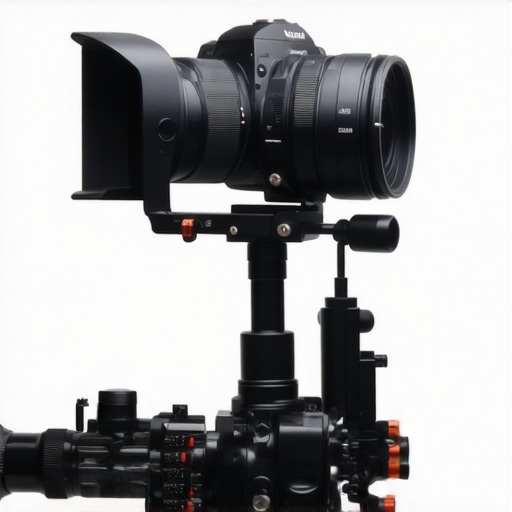
Incorporate grips, monitor mounts, or matte boxes tailored to your shooting style. Use the best rig accessories to enhance functionality.
Test Your Setup Before Shooting
Practice with your rig by recording test footage, checking for stability and comfort. This step is crucial, as it reveals unexpected issues like unbalanced weights or uncomfortable grips. Trust me—spending time here saves headaches during the actual shoot.
Refine and Maintain Your Rig
Regularly inspect your gear for wear and tear. Upgrade components as needed, especially if you push your setup to new shooting environments. Remember, a well-maintained rig is like a trusted partner—reliable and ready when you are. For latest innovations and tips, consider exploring advanced rig building.
When it comes to camera cages and support systems, many filmmakers buy into misconceptions that can hamper their progress. A prevalent myth is that more accessories always translate to better footage. In reality, excessive gear can lead to increased weight and complicate your setup, reducing stability rather than enhancing it. Mastering the art of minimalist yet effective configurations is crucial, and for expert insights, check out tips for optimizing your camera rig. Another common mistake is assuming that any top handle or shoulder rig will suit all cameras. The truth is, compatibility and balance are often overlooked, leading to shaky shots and fatigue. Investing in a custom-fit rig, tailored to your camera’s size and your shooting style, makes a significant difference. One hidden nuance many miss is the importance of proper weight distribution; improper balance can cause arm fatigue and unstable footage, regardless of how high-end your gear is. Additionally, you might hear that heavier rigs are more stable—however, excess weight can cause fatigue and reduce mobility, negatively affecting shot quality. Instead, focus on strategic weight placement and lightweight components where possible. Advanced users should consider how support systems can be fine-tuned for different shooting scenarios. For example, adjustable counterweights and quick-release accessories allow rapid adaptation, saving valuable time during shoots. For a comprehensive guide on assembling your ideal setup, explore mastering camera rigs in 2025. Always test your configuration thoroughly before shooting—what seems perfect in the shop might not perform well in the field. Remember, the goal isn’t just adding gear but creating a cohesive, ergonomic support system. Interested in more advanced techniques? Visit top tips for camera support systems.
Are custom rigs worth the investment over off-the-shelf options?
Many believe that ready-made solutions suffice, but tailored support can prevent common issues like imbalance and fatigue, ultimately improving shot stability. Don’t fall into the trap of choosing a one-size-fits-all rig; instead, consider your specific camera setup and shooting needs. Have you ever fallen into this trap? Let me know in the comments.Maintaining your camera rig’s performance over time is crucial for consistent, professional footage. Regular inspection of components like support cages, handles, and shoulder rigs ensures that wear and tear don’t compromise stability or safety. I personally recommend investing in a quality set of Allen wrenches and a compact toolkit—these are essential for quick adjustments and minor repairs in the field, preventing small issues from becoming major problems. Using anti-corrosion sprays on threaded connections extends the lifespan of your accessories, especially when shooting in humid or salty environments. For digital tack-ons, I rely on maintenance software such as [RigSupport Pro](https://rigs.creatorrigreviews.com/), which helps track usage and schedule preventative care. Predicting future trends, I believe modular and smart support systems with integrated sensors will become industry standard—allowing real-time alerts for wear and optimal maintenance scheduling.
How do I maintain my gear to ensure it lasts?
Establish a routine check every few shoots: tighten all bolts, verify the balance, and replace worn-out pads or grips. Proper storage is equally vital—keeping your rig in a padded case and avoiding extreme temperatures prevents deformation and corrosion. Also, setting up a ‘pre-flight checklist’ before each shoot—covering everything from quick cleanings to functional tests—can save precious time and avoid mishaps. As you upgrade your gear, check compatibility with your existing accessories; compatibility issues can cause unnecessary stress and potential damage. For more tailored advice, reviewing manufacturers’ maintenance guides, which often include detailed procedures and recommended toolsets, is invaluable. Consider scheduling periodic professional inspections if your rig is heavily used, especially before major projects. Reaching out to experts for advice tailored to your setup can make all the difference. This proactive approach not only preserves your investment but also guarantees consistent results, keeping your filmmaking smooth and worry-free. Remember, a well-maintained rig is your best partner on every shoot—reliable, safe, and ready to perform. Don’t forget to incorporate a maintenance routine into your workflow, and consider experimenting with smart sensors that alert you when components need servicing, a trend I see gaining traction in future rig setups. Dive into [Camera Rigs Support Systems](https://rigs.creatorrigreviews.com/camera-rigs-support-systems-the-top-10-tips-for-filmmakers) for expert tips on keeping your gear at peak performance and ensuring your investment pays off long-term. Try implementing a weekly visual inspection combined with digital tracking tools—small habits that will significantly extend your gear’s lifespan.
The Hidden Lessons That Transformed My Rig Experience
One of the most crucial lessons I discovered was that optimal stability isn’t just about high-end gear but understanding how each component interacts. I once believed that adding more accessories automatically improved shot quality, only to realize that excessive weight and poor balance made handling worse. The breakthrough came when I prioritized weight distribution and tailored my rig to my workflow, leading to smoother, more professional results.
Another insight was the importance of consistency. Regularly testing and tuning my setup before each shoot prevented surprises on set. It’s tempting to assemble and hope for the best, but deliberate checks save time and enhance reliability. These personal revelations underscored that a well-crafted camera rig is as much about ongoing refinement as initial setup.
Tools and Resources That Elevate My Filmmaking
For those serious about upgrading their camera support system, I recommend exploring the comprehensive guide on building your camera cage and shoulder rig in 2025. It offers in-depth insights into modular components and compatibility considerations. Additionally, essential shoulder rigs for 2025 helped me select lightweight yet sturdy options tailored to my shooting style. For accessory upgrades, the best rig accessories list has been invaluable for customizing my setup without unnecessary clutter.
Craft Your Path and Embrace Growth
Your next shoot is an opportunity to test what you’ve learned about building a versatile, ergonomic, and reliable camera support setup. Take pride in your progress and don’t shy away from experimenting with different configurations. Remember, the journey to cinematic excellence starts with a well-thought-out rig that fits your unique style. Invest in your skills, stay curious, and let your gear be a reflection of your passion for storytelling.
Venture beyond the basics and keep pushing your boundaries. How will you tweak your current setup to make your shots even steadier and more creative? Share your ideas or challenges below—your experience might inspire someone else to elevate their filmmaking game.