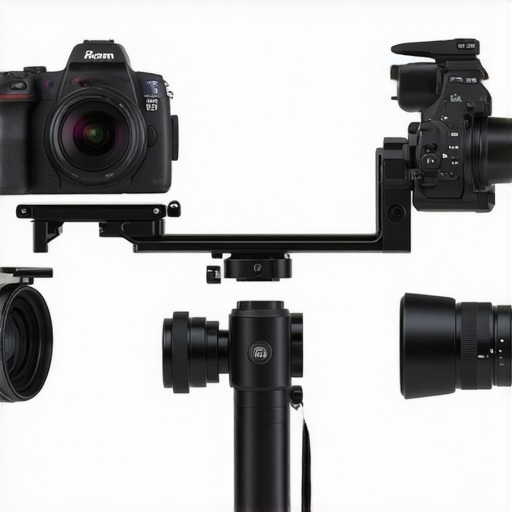
Build Your Perfect Camera Cage & Top Handle for Stable Filmmaking in 2025
Ever had that moment during a shoot when your camera wobbled just as you pressed record? I remember one particularly frustrating day, trying to stabilize my rig with a makeshift setup, only to realize that my gear was more of a hindrance than a help. That lightbulb moment made me dive deep into the world of camera cages and top handles, realizing how much a well-built rig could transform my filmmaking experience.
Why Investing in the Right Camera Support System Changes Everything
In 2025, the difference between shaky footage and smooth, professional shots is often down to the support gear you choose. A sturdy camera cage and top handle isn’t just about protecting your gear — it’s about giving you control. When I started upgrading my rig, I noticed immediate improvements in stability and ease of movement. The right setup allows for seamless transitions between handheld shots and tripod work, making your scenes more dynamic and engaging.
Feeling Skeptical About the Hype? Here’s Why It’s Worth It
I get it — it sounds like just another gear obsession. Early on, I made the mistake of assuming a cheap cage would do the trick. Spoiler: It didn’t. The extra weight, poor ergonomics, and flimsy materials only made filming more tiring. The truth is, investing in quality rig accessories and a top handle can save you hours of frustration and give your footage a professional edge. Supporting yourself with a well-designed rig isn’t just a luxury — it’s a necessity for serious filmmakers aiming for steady, cinematic shots.
So, have you faced the challenge of shaky footage or uncomfortable rigs? If so, keep reading. I’ll guide you through how to craft a support system that’s tailored to your needs, balancing weight, ergonomics, and flexibility. Trust me, once you get this right, your filmmaking will never be the same. For more insights, check out this comprehensive guide to camera cages and accessories.
Let’s get started on building your perfect setup — because your shots deserve it.
,
Start with Proper Assembly of Your Rig Components
Gather your camera, cage, top handle, shoulder rig, and accessories. Begin by securely attaching the camera to the cage, ensuring all screws are tight to prevent any wobble. When I did this for a recent shoot, I found that a loose connection caused jittery footage until I double-checked everything. Use the ultimate guide to building your setup for detailed assembly tips.
Align and Balance Your Camera Properly
Place the camera at the center of the cage, then balance it by adjusting the placement of accessories. Think of this step like balancing a bicycle; if the weight isn’t evenly distributed, your shots will suffer. I once spent an hour trying to stabilize a shot, only to realize I hadn’t balanced my camera correctly. Use a quick-release plate and a bubble level for precision.
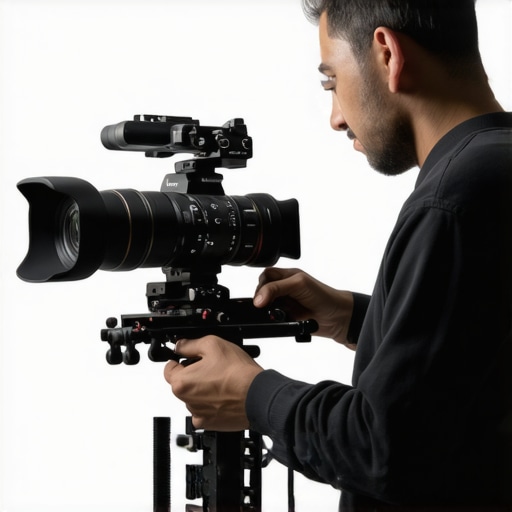
Attach and Adjust the Top Handle for Comfort
Mount the top handle onto the cage’s designated mounting points. Tighten the screws just enough to prevent slipping but not so tight that you can’t make adjustments. When I added a top handle for a handheld interview, I realized that adjusting the height and angle made a huge difference in comfort and stability. Use the top handle accessories to customize your grip.
Optimize Your Shoulder Support for Long Shots
Connect your shoulder rig, ensuring it’s snug but not restrictive. Adjust the padding and the length of the rods to fit your body. During a long shoot, I adjusted my shoulder pad to reduce fatigue, which allowed me to maintain steady shots for hours. Remember, a well-fitted shoulder rig distributes weight evenly, reducing strain and improving shot stability.
Configure Accessories for Flexibility and Stability
Attach monitors, microphones, or lights to the rig’s mounting points. Use quick-release clamps for easy adjustments. I learned that having a monitor on a swivel arm allowed me to see the shot clearly without straining my neck. For a comprehensive list of must-have accessories, check out best rig accessories.
Fine-Tune for Smooth Operation
Test the entire setup by moving the rig through typical shooting angles. Adjust the tightness of screws and the position of accessories until the rig feels balanced and easy to maneuver. Once I did this, my handheld shots became noticeably steadier, and I could switch between different angles seamlessly.
For more detailed tips on optimizing your setup, visit expert rig optimization tips.
Many filmmakers fall into the trap of oversimplifying or misunderstanding the nuances of camera rigs, cages, top handles, shoulder rigs, and accessories. While the basics are straightforward, the devil is in the details. Let’s dig deeper into what most people get wrong and how you can avoid costly mistakes that hinder your filmmaking progress.
Believing All Rigs Are Created Equal
A prevalent myth is that any camera cage or support system will do the job. In reality, not all rigs are designed with the same quality or purpose. Cheap, poorly made rigs might seem appealing initially due to lower prices, but they often lack the durability, precise balance, and ergonomic design necessary for professional work. Investing in a well-engineered setup, like the options discussed in mastering camera rigs, ensures longevity and better shot stability.
Overloading Your Rig Can Backfire
Many assume that adding more accessories—like monitors, lights, or microphones—will enhance their setup. However, excess weight and poor distribution cause fatigue, lead to unsteady shots, and even damage your gear over time. A common mistake is neglecting to balance the rig properly; mid-shoot adjustments can save you hours of frustration. Remember, the weight must be evenly distributed, and accessories should be added thoughtfully. Check out rig accessories for tips on balancing and customization.
Ignoring Ergonomics for Aesthetics
Another misconception is that a visually impressive rig automatically translates to better performance. In practice, ergonomics are vital. A rig that looks good but causes strain will reduce your shooting stamina and lead to shaky footage. Properly adjustable top handles and shoulder supports tailored to your body are crucial. For advanced insights, see this guide.
Are Rig Accessories Worth the Extra Cost?
Many believe that standard accessories are sufficient, but investing in quality gear can make a significant difference. High-quality mounts, quick-release systems, and modular components allow for faster setup and more stable shots. Be cautious of cheap knock-offs; they often lack the precision and durability needed. For expert recommendations, visit best rig accessories.
Have you ever fallen into this trap? Let me know in the comments. Remember, understanding these nuances will elevate your filmmaking, ensuring your shots are smooth, professional, and enjoyable to watch.
How do I keep my camera support gear running smoothly over time?
Maintaining your camera rig, cages, top handles, shoulder rigs, and accessories is crucial for longevity and consistent performance. From my personal experience, adopting a regular maintenance routine not only extends the lifespan of your gear but also ensures that your shots remain stable and professional. One indispensable tool I rely on is a high-quality contact cleaner and small brushes, which help remove dust, debris, and grime from moving parts and screw threads. This simple upkeep prevents wear and tear that can lead to wobbling or loose fittings over time.
For precision, I recommend using a small torque screwdriver to check and tighten screws periodically. Loose screws are often overlooked but can cause instability, especially after transport or frequent use. For instance, I once ignored a loose top handle screw, which resulted in shaky footage during a critical shot. Tightening and inspecting every connection with the right tools is a simple yet effective way to keep your rig in top shape.
Another tip is to apply a light lubricant—preferably a dry lubricant like graphite—to joints, hinges, and quick-release plates. This prevents rust and ensures smooth operation when adjusting your setup. Remember, avoid using WD-40 or oil-based lubricants on camera components, as they can attract dust and cause damage.
What advanced tools can help optimize your rig’s performance?
Investing in a digital caliper allows you to measure and verify the precise dimensions of your support components, ensuring compatibility and proper fit. This is especially useful when customizing or upgrading parts, as tight tolerances matter for stability. Additionally, a portable magnifying glass or a jeweler’s loupe helps inspect threads and contact surfaces for wear or damage that might not be visible to the naked eye.
For cleaning and maintaining cables and connectors, I recommend using an electronic contact cleaner spray. It’s effective at removing oxidation and ensuring reliable connections, which is vital for monitoring and power sources.
Looking ahead, the trend is moving toward smart maintenance solutions. Some brands now offer modular, tool-less rigs with quick-release systems that simplify adjustments and reduce wear. As these innovations become more widespread, I predict that future support gear will incorporate built-in diagnostics—think sensors that alert you when a component needs tightening or replacement. This proactive approach will help filmmakers avoid unexpected failures during critical shoots.
Try this tip to elevate your rig’s longevity today
Start by routinely checking and tightening all screws with a precision screwdriver, then apply a dry lubricant to moving parts. Making this a habit will save you time and money in the long run, and keep your shots steady and professional. For more insights on building and maintaining your setup, visit this comprehensive guide. Remember, a well-maintained rig is the foundation of great filmmaking, so don’t neglect this crucial step.
The Hardest Lesson I Learned About camera rig,camera cage,top handle,shoulder rig,rig accessories
One of my biggest surprises was realizing that not all rigs are built to last or support the weight of professional equipment. Early on, I bought a cheap cage, which quickly showed signs of wear and limited my ability to customize. The lesson? Investing in quality support gear isn’t just about durability but also about enabling creative flexibility without sacrificing stability.
3 Myths About camera rig,camera cage,top handle,shoulder rig,rig accessories That Held Me Back
I used to believe that a heavier rig meant better stability, but I discovered that proper balance and ergonomic design are far more critical. Also, I thought that more accessories always improve shots—turns out, they can do the opposite if not carefully balanced. Lastly, I assumed all support gear was interchangeable; however, tailored solutions dramatically enhance performance and comfort.
What Experts Won’t Tell You About camera rig,camera cage,top handle,shoulder rig,rig accessories
Many professionals keep their best-kept secrets close, but the real game-changer is understanding how to fine-tune your setup for your specific needs. Customizing support systems with the right accessories, maintaining your gear meticulously, and knowing when to upgrade can make all the difference. These insights come from years of trial and error—so don’t overlook the power of personal experience and continuous learning.
Curated Recommendations for Elevating Your Filmmaking Support System
My Essential Toolkit for camera rig,camera cage,top handle,shoulder rig,rig accessories includes the comprehensive guide to camera rigs—it covers everything from basic assembly to advanced customization, which I personally find invaluable. The shoulder rigs guide helped me understand how to distribute weight properly for long shoots. When I want to learn about the latest accessories, I turn to this curated list of top rig accessories. For troubleshooting and optimization tips, I rely on expert advice on setup fine-tuning.
Your Turn to Try
Building a reliable, comfortable, and versatile camera support system isn’t just technical—it’s a creative investment. When you master your rig, every shot feels more controlled and cinematic. So, what’s the first upgrade you’re planning? Remember, the right gear and maintenance routine can elevate your filmmaking to new heights. Share your plans or questions below—let’s grow together in this craft!
,


![4 Cooling Cage Mods to Stop 2026 Mirrorless Overheating [Tested]](https://rigs.creatorrigreviews.com/wp-content/uploads/2026/04/4-Cooling-Cage-Mods-to-Stop-2026-Mirrorless-Overheating-Tested-300x300.jpeg)
Reading through this post reminded me of my early days of filmmaking, where I often struggled with shaky footage due to unreliable support gear. Upgrading to a quality cage and ergonomic top handle truly transformed my workflow, giving me greater control and reducing fatigue during long shoots. It’s interesting how subtle adjustments—like balancing the camera properly or fitting the shoulder rig perfectly—can make such a difference. I’ve also found that maintaining my gear regularly, especially tightening screws and applying lubricant to joints, keeps everything running smoothly and prevents unexpected wobbling. My question is, how do you balance adding enough accessories to improve your shot without overloading the rig and compromising stability? I’d love to hear some practical tips or personal experiences from others on managing that balance effectively, especially when working on a tight schedule.
This post really resonated with me, especially the emphasis on proper assembly and balance. I’ve learned from experience that settling for a cheaper cage often leads to more hassle in the long run—think loose screws, uneven weight distribution, and shaky footage. Upgrading to a durable, ergonomic rig made a noticeable difference in the quality and steadiness of my shots. I also agree with the importance of regular maintenance; cleaning joints and tightening screws cannot be overlooked. What’s your approach for balancing a variety of accessories without adding excessive weight? Do you have favorite lightweight tools or tricks for keeping everything balanced during long shoots? It’s a constant challenge, but managing it well can truly elevate your filming. I’d love to hear others’ strategies for preventing fatigue and maintaining stability when working with complex rigs or tight schedules.