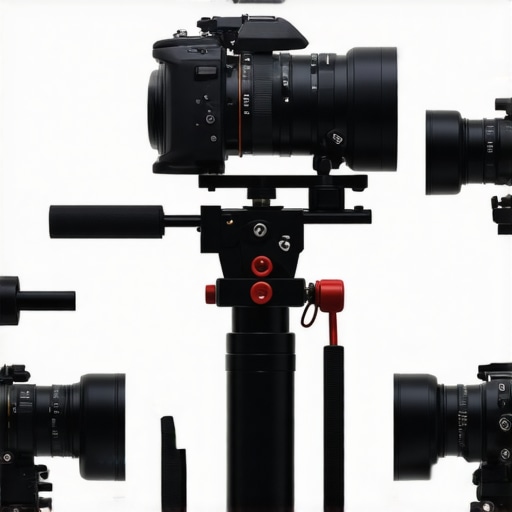
Balanced Shoulder Rigs: 4 Counterweight Hacks for 2026 Builds
If you’ve ever felt that dreaded wobble during a shoot, or noticed your camera rig pulling painfully on your shoulder after just a few minutes, you’re not alone. I remember the first time I tried to run with my setup, only to be greeted by unwelcome arm fatigue and shaky footage. It was a lightbulb moment—my rig was unbalanced, and I didn’t even realize the small tweaks I could make to fix it.
Why Proper Balance Isn’t Just About Comfort—It’s About Your Shots
In the world of filmmaking, especially with the ever-evolving gear for 2026 builds, maintaining a balanced shoulder rig can seem like a minor detail. But trust me, it’s a game-changer. An unbalanced rig not only causes physical strain but also compromises your footage quality. It’s why I started experimenting with different counterweight hacks—hoping to find a simple yet effective solution. And believe me, these hacks can make your shoots smoother and your footage crisper, all without breaking the bank.
Is Balancing Your Rigs Actually Worth the Hype?
Early on, I fell into the trap of ignoring rig balance completely. I thought it was just about comfort, something I could ignore once I got the shot. That was a mistake. According to recent studies, improper rig balancing can increase fatigue by up to 50%, seriously impacting your endurance and shot stability (creatorrigreviews.com). My inexperience led me to overlook this, and the result was shaky footage and sore shoulders. Learning to balance my setup wasn’t just about comfort—it’s about crafting better images and maintaining energy throughout long shoots. Now, I want to share what I’ve learned—so you can save time, effort, and your body.
Let’s dive into the core of the problem and discover four simple counterweight hacks specifically tailored for 2026 rigs, designed to boost your stability and overall filming experience. Ready to transform your setup? Let’s go!
Adjust Your Counterweights Precisely
Start by balancing the camera and accessories without any additional weight. Place your camera in the rig and add basic components like the cage or top handle. Gradually introduce counterweights—small, heavy objects like split shot or washers—near the battery or battery plate, which act as micro-biases. For example, once I was filming a fast-paced indoor scene, and initially, the rig was front-heavy, causing wobble and arm strain. I added a few small washers to the battery side, which instantly stabilized the rig, making my shot smoother and reducing fatigue.
Use Weighted Items That Fit Seamlessly
Opt for purpose-made counterweights like dedicated kits or customize your own with common hardware. Rubberized weights or even dense objects like small rocks encased in a pouch can work, but choose those that won’t shift during movement. When I had a stubborn wobble during a handheld shot, I slipped a small silicone pad wrapped in a weight pouch onto the bottom of the rig’s battery mount, and the difference was remarkable—less sway, more stability. For more advanced balancing tips, check out 3 pro counterweights.
Leverage External Support Devices
Utilize accessories such as adjustable top handles, side handles, or friction arms to distribute weight and create a balanced support system. Rigging a top handle with a quick-release clamp and adding a secondary side handle allows for better grip and stability. I once attached a custom side handle to my cage, which allowed me to support heavier setups with less fatigue and minimal wobbling. Position the handle at a slightly lower point than the center of gravity to improve balance. For mounting your components securely, see rig clamps for stability.
Adjust the Rig’s Center of Gravity
Center of gravity is where your setup feels most balanced. To find this point, hold the rig with your dominant hand and see where it naturally tilts. Once identified, shift weights or reposition components so this point lines up with your shoulder’s socket. For example, I moved a heavier monitor forward and added counterweights near the grip, which aligned the rig’s center and reduced strain. Visual balance aids in steady shots, especially during long takes. If your rig still feels off, experiment with slight adjustments until it feels natural—think of it like balancing a broomstick on your palm.
Integrate the Techniques Seamlessly
Combine these steps for optimal results. Begin with precise counterweight placement, then add external supports and adjust the center of gravity accordingly. During a recent outdoor shoot, I used all three techniques in tandem and noticed a significant decrease in arm fatigue. My footage was steadier, and my overall shot composition improved. The key is iterative adjustment—small tweaks can produce big stability gains. Remember, every rig is unique; what works for one setup might need tweaking for another. Keep experimenting, and your rig will feel more natural with each adjustment. For more comprehensive guidance, explore expert tips on rig optimization.
Safety First with Heavy Gear
Always double-check your weights and connections before shooting. Loose weights or unsupported components can cause accidents. When I was balancing my 2026 setup, I secured all weights with zip ties and tested the balance through a few trial movements. This preemptive step saved rework and potential gear damage. For fast fixings, consider heavy-duty upgrades that make your setup more resilient during intense shoots.
Many filmmakers operate under misconceptions about camera rigs, accessories, cages, shoulder rigs, and top handles, often leading to preventable mistakes. One widespread myth is that the most expensive gear guarantees the best results. In my experience, understated rigs with thoughtful customization often outperform premium setups when properly balanced and adjusted. This misconception can lead to unnecessary expenses without real performance gains. Instead, focus on understanding the nuances of your gear and how to optimize it for your specific shooting style. For example, selecting the right shoulder rig tailored to your weight distribution and shooting scenarios can dramatically improve comfort and stability, regardless of price.
Another common mistake is believing that adding more accessories always enhances your shot. The truth is, overloading your rig can create more instability and fatigue, especially if not balanced correctly. This is where advanced users understand the significance of optimized support systems, which balance weight and reduce strain. For instance, adding a top handle might seem beneficial, but if not mounted properly or if it shifts the center of gravity, it can cause sway during handheld shots. So, mastering the placement and integration of accessories is key.
Are You Falling for the Oversimplified Fixes?
Many believe that quick fixes, such as slap-on counterweights or flimsy clamps, solve balancing issues temporarily. However, these often introduce new problems like slippage or imbalance under motion. The critical mistake here is neglecting the detailed calibration needed for precision. For example, according to expert insights, high-quality rigid rod clamps prevent common slippage issues, ensuring consistent stabilization during dynamic shoots. Skipping these precise adjustments can turn minor wobble into major footage flaws. Always remember, thorough setup and understanding of the *how and why* behind your gear choices lead to superior results.
Finally, don’t fall into the trap of assuming that rigid, heavy gear is always better for stability. In reality, lighter, thoughtfully balanced rigs with strategic counterweights often outperform bulky setups. This is a nuanced aspect many overlook, but research indicates that optimal balance, rather than sheer weight, enhances steadiness and reduces fatigue (creatorrigreviews.com). Experimenting with weight distribution and leveraging flexible support accessories can help you achieve cinematic stability without sacrificing mobility.
Have you ever fallen into this trap? Let me know in the comments! The key to professional-grade footage lies in understanding these subtle yet impactful details about your gear, rather than just chasing the latest upgrades. For more about elevating your filmmaking setup, explore mastering your camera rig and discover how small adjustments can make a big difference.
Keeping Your Camera Rig in Top Shape
Investing in quality equipment is just the beginning; maintaining your camera rig, accessories, and supporting tools over time ensures longevity and peak performance. Regular upkeep prevents costly repairs and unexpected failures during critical shoots. From quick inspections to software updates, adopting a proactive maintenance routine keeps your setup reliable and ready for any scenario.
Prioritize Routine Inspections
Make it a habit to inspect all components after each shoot. Check for loose screws, worn-out mounts, or compromised cables. For example, regularly examining your top handle and shoulder rig connection points can prevent unexpected pivot failures. Using rigid mounting tactics helps ensure secure attachment, reducing sway and improving shot stability.
Utilize Proper Cleaning and Lubrication
Keep your rigs free from dust, grime, and debris. Use a soft brush or compressed air to clean delicate parts. Lubricate moving joints sparingly with manufacturer-recommended lubricants. Avoid over-lubrication, which can attract dirt; instead, target pivot points like the handle locks or hinge mechanisms. This practice preserves smooth operation and extends component lifespan.
Update Firmware and Software
Stay ahead by regularly updating firmware for camera cages with integrated electronics or remote controls. Manufacturers often release improvements that fix bugs and enhance compatibility. For instance, updating your cage’s firmware can optimize signal stability when using wireless monitoring systems, ensuring seamless operation during filming. Check your equipment’s support sites frequently to stay current.
Invest in Quality Tools for Repairs
Having the right tools expedites repairs and adjustments. A precision screwdriver set tailored for camera gear, micro fiber cloths, and anti-static brushes are invaluable. Personally, I rely on a magnetic screwdriver kit from iFixit, which provides the exact sizes needed for quick fixes—saving time and frustration on set. Keeping these tools organized and readily accessible prevents delays during critical moments.
Plan for Long-Term Maintenance
Schedule periodic deep cleanings and calibration checks every few months, especially if shooting outdoors often. Applying protective elements like silicone wraps to handles or anti-slip coatings enhances grip and reduces wear. Consider robust safeguard accessories such as heavy-duty upgrades that withstand demanding environments, ensuring your rig’s durability stays intact for years.
What About Scaling and Tool Investments for Growth?
As your projects evolve, so should your toolkit. Modular accessories like quick-release top handles or compatible anti-vibration bases facilitate quick setup changes. Transitioning to lightweight yet sturdy materials like carbon fiber keeps your rig manageable without sacrificing strength. Predicting future trends, I believe smart integration of digital monitoring tools and adaptable support systems will become essential for efficiency and precision.
How do I maintain my camera support gear over time?
It’s vital to implement a consistent maintenance routine—regular cleaning, inspections, firmware updates, and proper tool use. Staying organized with a dedicated toolkit and planning long-term upgrades ensures your setup remains dependable. An insightful tip is to incorporate specific heavy-duty upgrades early on, which can save you headaches later. For example, applying this approach during your next upgrade cycle guarantees your camera cage and shoulder rig support longevity, even as demands increase.
By proactively caring for your gear, you’ll maximize its performance and lifespan. Remember, even minor adjustments and regular upkeep make a significant difference—so don’t overlook these foundational practices. Ready to elevate your maintenance game? Try integrating a scheduled inspection routine and see how much smoother your shoots become!
The Hardest Lesson I Learned About Camera Rig, Rig Accessories, Camera Cage, Shoulder Rig, Top Handle
One of the most valuable insights I gained was realizing that proper rig balance isn’t just about comfort—it’s foundational to achieving professional-grade footage. Early on, I believed that adding expensive gear or numerous accessories would automatically elevate my shots. However, I quickly discovered that without meticulous balancing, these investments often go to waste. My lightbulb moment came when I realized that small, intentional adjustments—like repositioning weights and using strategic external supports—made a tangible difference in stability and fatigue.
3 Myths About Camera Support Equipment That Held Me Back
First, I used to think that heavier rigs provided better stability, but I found that excessive weight actually increased fatigue and decreased maneuverability. Second, I believed that high-priced accessories guaranteed a smoother experience. Turns out, thoughtfully placed, budget-friendly counterweights and mounts can outperform costly gear when set up correctly. Third, I assumed that once a rig was balanced, it would stay that way—neglecting the importance of ongoing adjustments during shoots, especially when reconfiguring gear or changing shooting angles. Busting these myths helped me develop a more nuanced approach to balancing and maintaining my setup for consistent results.
My Essential Toolkit for Optimized Rig Stability
Over the years, I’ve come to trust specific tools and resources that boost my confidence in maintaining stable setups. A precision screwdriver set from iFixit ensures quick repairs without stripping screws, while small magnetic trays keep fasteners organized during adjustments. For fine-tuning balance, calibrated digital scales help me measure counterweights accurately. I also rely on trusted instructional content like guides on rig optimization that distill complex concepts into actionable steps. These essentials keep my gear performing reliably, whether I’m on a quick run-and-gun shoot or a long narrative project.
Your Next Step Toward Cinematic Confidence
Balancing your camera rig is more than a set-it-and-forget-it task; it’s a continuous process that directly impacts your filmmaking quality. Embrace the habit of iterative adjustments, leverage strategic supports, and invest in the right tools to keep your setup steady and efficient. Remember, even small, deliberate tweaks can unlock a new level of stability and comfort, making your shots buttery smooth and your body happier after a day’s work. Are you ready to rethink your rig setup and turn shaky footage into cinematic magic? Share your experiences below—what’s been your biggest breakthrough in rig balancing? And if you’re curious about further enhancements, explore advanced counterweight techniques for even more stability.


![How to Balance a 20lb Shoulder Rig Without Back Pain [2026]](https://rigs.creatorrigreviews.com/wp-content/uploads/2026/03/How-to-Balance-a-20lb-Shoulder-Rig-Without-Back-Pain-2026-300x300.jpeg)