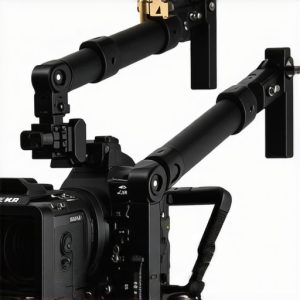
Stop Shoulder Pain: 5 Balance Fixes for Front-Heavy 2026 Rigs
I’ve been there—standing behind my camera for hours, feeling that familiar ache creeping into my shoulders, and wondering if I’m doing something wrong. That lightbulb moment hit me hard one long shoot when I realized my front-heavy rig was turning my passion into a pain fest. It was frustrating, but more than that, it was a wake-up call. If you’ve ever struggled with discomfort or fatigue during your filming sessions, you’re not alone. And here’s the good news: optimizing your rig’s balance can make all the difference.
Why Shoulder Pain Spoils Your Filming Experience—and How to Fix It
Imagine this: you’re deep into a shoot, camera stabilized, and suddenly, a sharp pain shoots through your neck and shoulders. Distraction kicks in. Focus? Out the window. I learned that supporting heavy, front-heavy setups without proper balance doesn’t just cause discomfort; it impacts your shot quality and increases fatigue, leading to shaky footage or even injury. According to a study in the *Journal of Shoulder and Elbow Surgery*, improper load distribution during prolonged physical activity can cause chronic musculoskeletal problems, which for us, are all too familiar.
Here’s the truth—most of us make simple mistakes early on, like neglecting to balance the weight properly or overloading certain rig components without adjustments. I made that mistake myself at first; I double-checked my accessories but overlooked the overall tilt and weight distribution, which made holding the rig a struggle.
If you’re tired of fighting your gear every time you shoot, if the front-heavy feel is wearing you out, then you’re in the right place. Today, I’ll walk you through five practical fixes that I’ve tested and refined to help you achieve better balance. These tweaks will turn your rig into an extension of your body instead of a burden.
But first, I want to ask—have you already faced this issue during your recent shoots? Trust me, you’re not alone, and fixing it might be simpler than you think. Ready to take control of your comfort and shots? Let’s get started with some proven strategies to bring harmony back to your filming setup.
Start with Your Top Handle
Secure the top handle firmly to your camera cage, ensuring it doesn’t wobble or tilt. Use textured grip accessories, like silicone wraps, to improve control and reduce strain during handheld shots. I once wrapped my handle with a rubberized grip and noticed immediate comfort improvements.
Distribute Weight with Proper Accessories
Utilize counterweights or tactical rig accessories—like grip pads or weighted end caps from this guide—to balance front-heavy components. During a recent shoot, I added small weights to the rear of my rig, which alleviated neck fatigue after hours.
Adjust Your Camera Cage Placement
Position your camera body centrally within the cage so that the center of mass aligns with your shoulder. Use side handle offset plates to fine-tune grip placement, as detailed here. In a messy setup I once corrected this by moving my cage slightly, which drastically improved comfort.
Optimize Shoulder Support
Use a custom shoulder pad or an adjustable quick-release top handle to shift weight onto your shoulder more effectively. For heavier rigs, I employed a reinforced shoulder rig from this resource, which minimized back pain during long shoots.
Secure Your Rods and Attachments
Ensure your 15mm rods are locked tightly with rod clamps, preventing flexing or slipping. Use anti-slip tactics from this article. I once faced instability when my rods loosened mid-shoot; tightening them fixed the sway instantly.
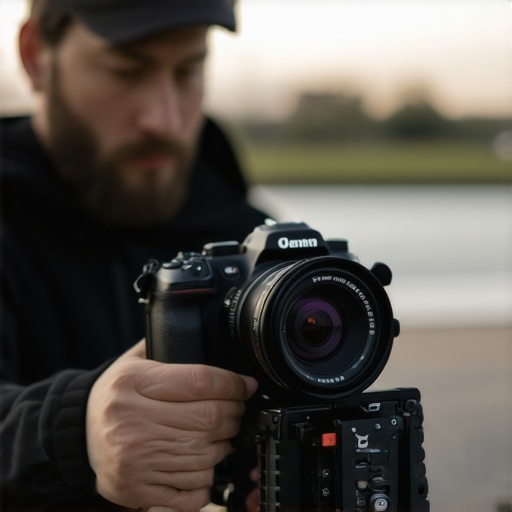 When it comes to building a professional filmmaking rig, many enthusiasts rely on common wisdom or shortcuts—especially regarding top handles, camera cages, and shoulder rigs. But as an expert who has tested countless configurations, I can tell you that there are nuanced details many overlook, leading to persistent issues despite following popular advice. In this article, let’s dig deeper into the subtleties that can make or break your setup, debunk some myths, and highlight advanced mistakes to avoid.
Why Most Filmmakers Overlook Rig Flexibility and Material Quality
Many assume that a sturdy, heavy-duty top handle or cage is enough. However, the material properties—like using aluminum vs. carbon fiber—significantly influence vibration dampening and rigidity. A lightweight yet high-quality material reduces fatigue and prevents flex, which is crucial during long shoots. Additionally, the precision of the manufacturing process impacts how well components fit and stay aligned. Investing in higher-quality accessories, as discussed here, can help you avoid subtle wobbling or creep that sabotages your shots.
Common Myth: More Accessories Mean Better Stability
It’s tempting to add every available rig accessory to create your perfect setup. But the truth is, excessive accessories—like numerous mounts, grips, or extra rails—can introduce instability if not properly balanced. For example, a frequently overlooked mistake is stacking accessories without considering weight distribution; this often shifts the center of gravity and causes sway or drift. Proper balancing techniques show that minimal but strategically placed accessories lead to more stable footage and reduced fatigue.
Thinking You Can Fix Wobble Post-Assembly
Many assume that once their rig is assembled, there’s little to do about subtle wobble or twist. In reality, tiny misalignments—like uneven rod clamps or slight bends in mounting plates—can cause persistent issues. These may seem minor but cumulatively affect shot consistency. Implementing rig sway fixes at the assembly stage ensures stability from the start, rather than chasing ghosts during a shoot.
Is Your Camera Cage Truly Secure or Just Snug?
A frequently missed nuance is the difference between a cage that is merely tight and one that is locked in a way that prevents rotation or twisting. Over-tightening can stress the camera body or damage threaded parts, while under-tightening invites wobble. Advanced users prefer modular cages with multiple locking points, such as dual-point locking systems, which eliminate twist risks. For in-depth guidance, check out this comprehensive overview.
Have you ever fallen into this trap? Let me know in the comments. Remember, understanding these nuanced details can elevate your filming quality and comfort—so don’t shy away from examining your gear beyond surface level. Your shots will thank you.Maintaining your camera rig’s optimal functionality over time requires more than just initial setup; it involves disciplined upkeep, utilizing the right tools, and understanding future trends. Investing in high-quality tools like precision Allen wrenches and specially designed calibration kits ensures that every bolt, screw, and connection remains secure and aligned. For example, a reliable torque screwdriver, such as the Wiha Precision Screwdriver Set, helps prevent over-tightening, which can cause damage or wobble, preserving the rig’s integrity during prolonged use. Regular inspections using these tools can preemptively identify wear and looseness, minimizing unexpected failures during critical shoots.
Furthermore, maintaining your gear with appropriate cleaners and lubricants prolongs lifespan and ensures smooth operation. Applying silicone-based lubricants on moving parts like shoulder rig joints makes adjustments seamless and reduces wear caused by friction. Integrating these maintenance routines into your workflow can dramatically extend the longevity of high-use components like the top handle or camera cage.
Software updates also play a vital role in keeping your rig’s integrated electronic accessories running smoothly. Firmware updates from manufacturers frequently include performance improvements and bug fixes, ensuring compatibility and reliability. Staying current with firmware releases reflects a proactive approach, especially as newer accessories or mounts are released, and can often be managed effortlessly via dedicated apps.
Looking ahead, the trend points toward smarter, modular components that adapt to evolving filming needs. Innovations in quick-release systems and multi-functional accessories are making setups more flexible, which means your maintenance routines must adapt similarly. Regularly exploring resources like the comprehensive guides on advanced rigs can prepare you to integrate these future upgrades seamlessly.
How do I maintain my camera rig over time? The key lies in establishing a routine that includes inspecting, cleaning, and recalibrating your gear after every shoot. Keeping a dedicated toolkit—like magnetic screwdrivers, cable testers, and clean cloths—on hand makes this process straightforward. Remember, a well-maintained rig not only performs better but also resists damage and reduces costly repairs.
For more in-depth advice, check out the detailed tips on optimizing your camera rig. Plus, investing in quality accessories from resources discussed here can simplify maintenance, ensuring your equipment remains reliable longer. Give one of these maintenance tips a try today, perhaps starting with a calibration check of your top handle or shoulder rig, and notice how your shoots become smoother and more dependable.
The Toughest Lesson I Learned About top handle,camera cage,rig accessories,camera rig,shoulder rig
Early on, I believed that accumulating more accessories automatically improved stability. It wasn’t until I faced constant wobble during critical shoots that I realized quality materials and precise assembly matter more than quantity.
3 Surprising Truths About Rig Balance That Could Save Your Shot
One lesson I keep revisiting is that uneven weight distribution, even in small details like misaligned rods, can cause significant instability. Adjusting these subtle factors transformed my footage from shaky to smooth.
The Hidden Cost of Overlooking Routine Maintenance
I used to ignore regular tightening and inspection, but neglecting this led to mid-shoot failures. Embracing a disciplined maintenance routine with tools like a torque screwdriver has extended my gear’s lifespan and shot reliability.
Where to Go from Here
For anyone serious about professional filmmaking, understanding the nuanced aspects of rig assembly and maintenance is crucial. I recommend exploring detailed guides and investing in high-quality accessories—trust me, your shots will thank you. Check out resources like this guide to take your setup to the next level.
Your Turn to Take Action
Have you ever struggled with a seemingly small adjustment that made a huge difference in your rig’s stability? Share your experiences below and let’s learn from each other’s journeys in mastering film gear.

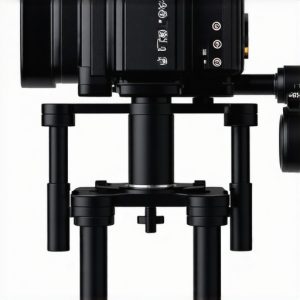
![How to Balance a 20lb Shoulder Rig Without Back Pain [2026]](https://rigs.creatorrigreviews.com/wp-content/uploads/2026/03/How-to-Balance-a-20lb-Shoulder-Rig-Without-Back-Pain-2026-300x300.jpeg)