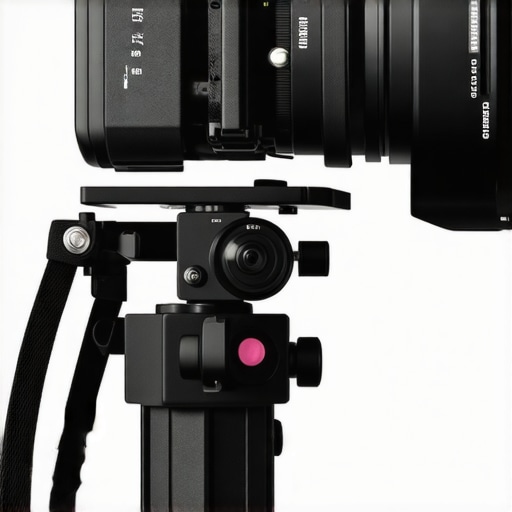
5 Shoulder Rig Balance Tweaks for Heavier 2026 Cinema Glass
I remember the moment clear as day. I was mid-shoot, trying to keep my cool as my shoulder rig started to feel like a medieval torture device. My arms trembled, my grip tightened involuntarily, and I couldn’t get the smooth shot I desperately needed. That was my lightbulb moment—that my trusty rig, designed for lighter setups, was simply not built to handle the weight of the latest 2026 cinema glass without some serious tweaks.
Why the Weight of Your Glass Matters More Than Ever
With the rapid evolution of camera technology, heavier lenses and accessories have become the norm. In fact, according to industry experts, the weight of modern cinema glass can exceed 4kg (around 8.8 pounds), pushing your rig to its limits and beyond if you’re not careful. Without proper balance and tweaks, you risk fatigue, shaky footage, or even injury—especially over long shoots. Trust me, I’ve learned the hard way that neglecting these adjustments hampers your creativity and impacts your health.
Is It Really Worth the Hype to Tweak Your Rig?
I used to dismiss small rig adjustments as minor nuisances—until I made a costly mistake early on. I ignored the importance of customizing my shoulder pad placement and counterweights. Suddenly, I was fighting a rig that kept shifting, causing fatigue and compromising shot stability. That mistake cost me precious hours of re-shoots and a sore shoulder that lingered for days. Since then, I’ve become a big believer that these simple yet critical tweaks can make all the difference—saving you time, effort, and potential pain. Want to see how? Check out my detailed guide on 3 shoulder rig balance tweaks.
In this post, I’ll share how to fine-tune your setup so it handles the weight of modern cinema glass effortlessly. Whether you’re a solo shooter or part of a team, mastering these adjustments will help you deliver smooth, professional footage without sacrificing your comfort or risking injury.
Ready to transform your heavy setup into a balanced, ergonomic system? Let’s dive into the practical tweaks that will elevate your filmmaking game for 2026 and beyond.
Fine-Tune Your Shoulder Rig for Comfort
Start by adjusting your shoulder pad to sit directly on your collarbone, not just your shoulder muscle. Use a spirit level or a simple bubble level app on your phone to ensure your rig is perfectly level on the horizontal plane. I once spent an entire shoot fighting a rig that kept tilting, only to realize I had it off by just a few millimeters. Correcting this instantly reduced fatigue and stabilized my shots. For more detailed ergonomic tips, visit this guide.”} , {Many filmmakers, even experienced ones, often fall prey to misconceptions about shoulder rigs, top handles, and other accessories that can undermine their craft. Let’s dig deeper into some of these pitfalls and reveal the nuanced truths that can elevate your setup beyond the basics.
Are You Falling for the Over-Simplified Rig Fixes? Think Again
It’s tempting to assume that adding more accessories or upgrading parts will automatically improve your footage. However, this often leads to the misconception that heavier, more complex rigs are better. In reality, excessive weight or overly intricate setups can cause fatigue, loss of control, and even camera shake. For example, investing in a high-end camera cage without considering your rig’s balance might lead to wobble issues that compromise shot stability. Rather than blindly adding accessories, focus on optimizing your existing setup for balance and ergonomics. Check out some expert tips on balancing your rig effectively.
Many assume that top handle upgrades alone can improve handling, but a poorly designed handle can introduce flex and wobble, especially when using larger cameras. Prioritize sturdy, well-rigidized top handles and ensure they are properly mounted to prevent twisting—see this article for detailed fixes.
Can Accessories Cause More Harm Than Good?
It’s a common myth that more accessories directly translate into professional results. In fact, cluttered setups can hinder quick adjustments and create points of failure. For instance, overuse of multiple cable clamps without proper routing can increase cable strain and cause connectivity issues. Be strategic: select essential accessories that serve a clear purpose. Consider exploring top accessories for seamless production to avoid unnecessary clutter.
Advanced shooters understand the importance of precision in rig assembly. Small nuances—like the difference between straight and offset baseplates—can dramatically impact your camera’s stability and ease of movement. This is where nuanced choices, such as selecting the right camera cage, come into play. For insights on how to enhance your rig with cutting-edge cages, see top-camera cage innovations.
How Do You Know When Your Rig is Perfectly Adjusted?
While a perfectly balanced rig might seem elusive, paying attention to small details makes a difference. A subtle wobble-resistant connection or a slight tilt correction can prevent long-term fatigue and improve shot quality. Remember, even with all the best gear, the key is in how you set it up. Regularly revisit and fine-tune your rig, especially when switching between different camera weights or configurations.
In conclusion, the real hidden nuance lies in understanding that rig accessories and setups aren’t just about adding features—they’re about fine-tuning for harmony, balance, and purpose. Misplaced priorities or neglecting these details can cost you time, effort, and quality. Carefully select and adjust your gear for optimal performance. Want to learn more? Explore mastering your camera rig today. Have you ever fallen into this trap? Let me know in the comments.
To keep your camera rig performing at its peak, investing in the right tools and establishing a consistent maintenance routine are crucial. Personally, I rely on high-quality torque wrenches like the Wiha Precision Screwdriver Set to tighten components accurately without over-tightening, which is a common cause of wobble and wear over time. Regularly inspecting and lubricating threaded connections with a small amount of silicone-based lubricant helps prevent rust and ensures smooth adjustments in the long run. These small but vital steps can significantly extend the lifespan of your rig and maintain optimal shot stability.
How do I maintain my rig over time?
Implementing a scheduled inspection process—checking for loose screws, wear, and cable strain—can save you from costly repairs and shoot disruptions. Visual cues such as frayed cables or cracked padding indicate it’s time for replacement. Building a toolkit that includes essential items like Allen wrenches, spare screws, and cable ties allows for quick fixes right on set. Additionally, keeping detailed records of your rig’s maintenance history helps identify recurring issues and plan upgrades accordingly.
As technology advances, so do the tools designed for rig upkeep. For example, newer modular components now feature quick-release mechanisms, making assembly and maintenance faster and more secure. Embracing these innovations not only enhances your efficiency but also reduces the risk of damage during disassembly.
Prediction for the future of rig maintenance
Looking ahead, I anticipate that smart diagnostic tools integrated with IoT (Internet of Things) will become standard. Imagine a rig equipped with sensors that monitor tension, vibration, and temperature, alerting you via an app when maintenance is needed. This proactive approach can revolutionize how we care for our gear, ensuring optimal performance and longevity.
To start, I recommend trying out a portable torque wrench with digital readouts for precise adjustments. It’s an investment that pays off by preventing over-tightening and component fatigue. Maintaining your rig meticulously today sets the foundation for consistent, professional results tomorrow—especially as weights increase with heavier lenses and accessories. For a deeper dive into optimizing your camera setup, explore mastering your camera rig. Remember, well-maintained gear is the backbone of cinematic success!
The Hardest Lesson I Learned About Shoulder Rigs and Accessories
- Early on, I believed that adding more gadgets and heavier lenses would automatically elevate my footage. Reality hit hard when I found myself battling fatigue and shaky shots after long days. The breakthrough came when I realized that true professionalism depends not just on the gear, but on how it’s tuned and balanced. Personal experience taught me that precise adjustments, like fine-tuning counterweights and grip positions, can make even a hefty camera setup feel effortless.
- Another uncomfortable truth was underestimating the importance of ergonomic setups. I used to ignore how small tweaks to my shoulder pad or top handle could drastically reduce strain. That oversight slowed my workflow and affected my creativity. Learning to optimize every connection and mounting point transformed my shooting experience, making heavy rigs feel surprisingly nimble.
My Essential Toolkit for Achieving Balance and Stability
- Investing in a high-quality torque wrench, like a calibrated Wiha Precision Screwdriver, has become a game-changer. It ensures every screw is tightened perfectly—preventing wobbles and wear—key when managing heavier lenses. Proper maintenance routines, including silicone lubricants and scheduled inspections, keep my rig in peak condition and ready for demanding shoots.
- For quick upgrades, I rely on modular components with quick-release features. Brands that emphasize quick swaps, such as those offering innovative baseplates or handle systems, streamline my setup process and reduce downtime. Combining these tools with detailed documentation of my rig’s maintenance history helps me catch recurring issues before they escalate.
Your Turn to Elevate Your Cinematography Skills
Embracing the nuances of rig setup and maintenance isn’t just technical—it’s a commitment to your craft. By refining these details, you’re not only boosting the stability and safety of your shots but also caring for your long-term well-being. Every filmmaker working with 2026 cinema gear has the opportunity to master these adjustments, turning tiring shoots into creations of effortless precision. Dive into this guide to unlock your full potential, and remember: a well-tuned rig is the foundation of cinematic excellence.
Have you ever struggled with balancing your rig when using heavier lenses? Share your experiences below and let’s learn together!
,


![How to Balance a 20lb Shoulder Rig Without Back Pain [2026]](https://rigs.creatorrigreviews.com/wp-content/uploads/2026/03/How-to-Balance-a-20lb-Shoulder-Rig-Without-Back-Pain-2026-300x300.jpeg)
Reading through this post really resonated with me, especially the emphasis on proper rig balance over just adding more accessories. I used to think that the heavier the setup, the better, but after a couple of long shoots with shaky footage and sore shoulders, I realized that ergonomic adjustments are far more crucial. I’ve personally started using a bubble level app to ensure my shoulder pad sits correctly and have noticed a marked improvement in stability and comfort. One tip I found helpful was adding a counterweight at the back to balance the lens weight, which significantly reduced fatigue. Has anyone experimented with different materials or weight distribution methods to optimize balance further? I’d love to hear what’s worked for others, especially when managing heavier lenses over extended periods. The scene where I was fighting gravity on set made me realize that investing time in these minor tweaks pays off in the long run. It’s amazing how such small changes can make a real difference in shot quality and physical well-being during demanding shoots.