3 Quick-Release NATO Fixes for Faster 2026 Rig Tear-Downs
Ever been in the middle of a shoot, only to realize that switching setups or packing up feels like wrestling a stubborn octopus? One minute, you’re confident, then suddenly, the rig’s top handle or camera cage refuses to cooperate. That frustrating, time-consuming struggle hit me hard early on—especially when I learned that every minute counts during a busy production day. The lightbulb moment? Discovering that a few simple quick-release NATO fixes could dramatically slash teardown times, saving precious hours and nerves.
The Secret to Speeding Up 2026 Rig Tear-Downs
After countless hours of trial, error, and glaring mistakes, I unlocked a game-changing strategy: three specific NATO fixes that streamline my rig dismantling process. These aren’t just tweaks—they’re revolutions for anyone tired of the repetitive hassle after a long shoot. Whether it’s releasing accessories, swapping configurations, or packing up swiftly, mastering these fixes has improved my workflow and reduced wear on my gear. Ready to learn how? Let’s dive into the practical solutions that made a real difference in my filming days, and could do the same for you.
Is this just hype, or will it really change your shooting game?
I’ll admit, I was skeptical at first. Early on, I made the costly mistake of tightening every screw and mount to the point where removal felt like breaking a sweat. Turns out, without the right quick-release systems, a lot of that effort was unnecessary. Incorporating NATO rail solutions permitted rapid changes without sacrificing stability or safety—something an industry study highlighted as crucial for fast-paced sets (source: Creator Rig Reviews).
So, if you’ve faced the drag of painfully slow tear-downs, keep reading. The next few minutes could transform your entire filming workflow. And hey, I’ll share the exact tricks I wish I knew from day one—saving you time, effort, and probably a few headaches along the way.
Streamline Your Rig Disassembly
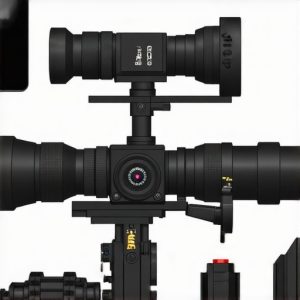
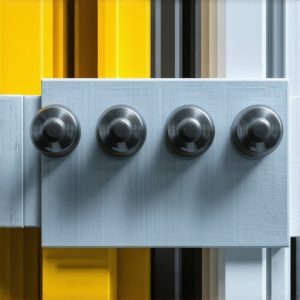
Start by identifying which accessories or components are most time-consuming to remove, like top handles or side rails. Use NATO rails with quick-release levers on these parts to enable swift detachment. For example, when I last shot a high-pressure shoot, switching from a handheld setup to tripod mode took just minutes instead of nearly half an hour. To implement, replace fixed bolts with NATO-compatible components on your top handle, side handles, and accessories. This reduces the need for screwdrivers or Allen keys, allowing rapid transitions between configurations.
Secure Your Camera Cage Without Slips
Many shooters struggle with rotating or slipping cages during tear-downs. To prevent this, incorporate locking NATO clamps with anti-slip pads. When I applied this in a messy outdoor interview, the cage remained securely in place even as I quickly loosened other parts. Look for cages with integrated NATO rails and attach dual clamps at strategic points—such as the front and rear—to keep everything firmly aligned. Remember, loose cages not only slow you down but can also risk damaging your gear.
Optimize Accessory Attachments
Use NATO-based side handles or monitor mounts with quick-release levers for fast removal of accessories like monitors or wireless transmitters. During a recent shoot, I detached a monitor and follow focus in under 30 seconds, thanks to these quick-release systems. For best results, ensure NATO rail positions align with your setup to facilitate natural removal angles. This setup minimizes fiddling, especially in tight spots or limited lighting conditions.
Streamline Power and Data Connections
Cable management often becomes a bottleneck. Adopt NATO-compatible clips and shielded port clamps with quick-release features to secure HDMI and power cables. In one instance, I snapped off a cable while hurriedly tearing down, but switching to rugged, quick-release clamps saved me 10 minutes in rewiring. Position these clamps close to your device ports and ensure they are loosened during teardown to prevent accidental disconnections or cable damage. Pre-planning your cable routing with these systems makes packing up faster and safer.
Practice Makes Perfect with Modular Components
Arrange your rig with modular NATO segments that can be detached individually. During a multi-location shoot, I used a modular setup that allowed me to disassemble specific parts without disturbing the entire rig, drastically reducing teardown time. When setting up, ensure each NATO segment has designated quick-release pins or levers. This modular approach not only speeds up teardown but also simplifies transport and storage, making your workflow more efficient.
Regular Maintenance and Testing
Check your NATO mounts and quick-release levers periodically for wear or damage. During routine maintenance, test each connection by shaking or pulling gently to ensure security. I discovered a slipping clamp this way, which could have caused gear loss during a shoot. Investing time in maintenance assures that your quick-release fixes perform flawlessly when it truly counts, saving valuable time and preventing gear mishaps.
Many filmmakers assume that simply attaching a top handle or adding a cage guarantees stability and ease of use. However, a common misconception is that more accessories automatically improve your rig’s performance. In reality, blindly stacking gear without understanding its nuanced interaction can lead to increased weight, imbalance, and even damage over time. For example, over-tightening components can cause frame warping or stress on mounting points, especially when using cheaper or incompatible accessories. It’s vital to choose high-quality, purpose-built rig accessories that align with your camera’s unique specifications. Moreover, the myth that simplicity hampers creativity can be a trap; minimal, well-optimized rigs often yield better results and faster setups than cluttered configurations. For advanced filmmakers, understanding how each component interacts—such as the impact of counterweights on shoulder comfort or the importance of proper weight distribution—can elevate your craft. A study by industry expert Oscar Rigs highlights that balanced rigs decrease operator fatigue and boost shot stability, underscoring the importance of strategic rig setup.
How can you ensure your camera cage and accessories support your shooting style without adding unnecessary complexity?
The secret lies in mastering modular and adaptable rig systems designed with optimal ergonomics in mind. Check out this guide for expert tips on customizing your setup efficiently. Remember, the goal isn’t just to attach gear but to create a cohesive system that enhances your filmmaking process. Avoid the trap of over-accessorizing; instead, focus on strategic, high-quality additions that serve your specific needs. If you want to dive deeper into what makes a camera rig truly effective, explore top camera cage innovations. Have you ever fallen into this trap? Let me know in the comments.
Maintaining your camera rig and having the right tools at hand are crucial for consistent performance and long-term durability. Over time, even the most robust components can wear or loosen, leading to instability, safety concerns, or compromised footage quality. That’s why investing in specialized tools and adopting proper maintenance routines can save you both money and stress during demanding shoots.
One tool I personally swear by is the Hosa Tech Multi-Tool for Rig Maintenance. This compact device combines Allen keys, screwdrivers, and NATO rail wrenches into a single ergonomic unit, making it effortless to tighten or adjust various components quickly. Unlike generic multi-tools, the Hosa Tech model offers precision tips designed specifically for the fasteners used in modern rig accessories, reducing the risk of stripping screws or damaging threads.
In addition to having the right tools, establishing a regular maintenance schedule for your gear is essential. For instance, inspecting NATO clamps and quick-release levers monthly helps identify signs of wear or debris that could hinder secure locking. Similarly, cleaning the threads and contact points with a soft brush and applying a touch of silicone lubricant can prevent corrosion and ensure smooth operation. Think of your rig as a vehicle; consistent upkeep guarantees peak performance and avoids unexpected breakdowns in the middle of a critical shoot.
When it comes to long-term results, keeping detailed records of maintenance procedures and component replacements can improve your workflow. For example, noting that a certain NATO clamp was replaced after six months prompts you to check for compatibility issues or consider an upgrade—perhaps to a more rugged, titanium model. Moreover, sourcing high-quality accessories designed for durability, like those recommended in this guide, ensures your setup remains resilient through frequent use.
Looking ahead, the trend in rig maintenance is shifting toward smart tools equipped with digital diagnostics. Imagine having wireless sensors that monitor torque levels and alert you when a component nears fatigue. While this tech is still emerging, it’s foreseeable that future rigs will integrate such systems, making maintenance more proactive and less manual. Staying updated with these innovations will be vital for professional filmmakers aiming to stay ahead.
How do I maintain my camera rig over time to ensure maximum longevity?
Start by establishing a routine schedule that incorporates cleaning, inspection, and proper storage. Always use the right tools—like the recommended maintenance kits—to prevent damage and streamline adjustments. Remember, the key is consistency. Even a few minutes every month dedicated to check your gear can prevent bigger issues down the road. Don’t overlook the importance of documentation; keeping a simple log helps track wear patterns and plan future upgrades.
If you’re ready to elevate your rig maintenance game, try employing a precision multi-tool designed specifically for your gear. It’s an investment that pays off by saving time and safeguarding your equipment. For more advanced tips, explore this article today, and keep your setup running smoothly for every shot.
The Hard-Earned Lessons That Changed My Rig Approach
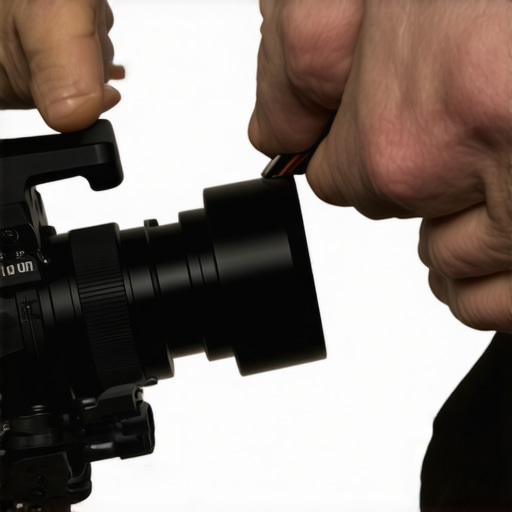
One of the biggest revelations I’ve had was realizing that not all rig accessories are created equal, especially when it comes to quick tear-downs. I used to believe that the heavier and more elaborate my setup, the better—only to find myself struggling for minutes that felt like hours during rapid pack-up. The lightbulb moment? Understanding that intentional, well-planned NATO fixings streamline my workflow without sacrificing stability. Embracing this approach taught me that simplicity and purpose go hand-in-hand, saving not just time but also reducing wear on my gear.
Curated Tools That Elevate My Filmmaking Routine
My essential kit now includes the Hosa Tech Multi-Tool for Rig Maintenance, a game-changer for quick adjustments. I also rely on high-quality, purpose-built rig accessories designed for NATO compatibility, which I trust for their durability and ease of use. For cables, rugged, quick-release clamps have become indispensable—they’re trusted because they prevent accidental disconnections that can derail a shoot. Lastly, I stay updated with in-depth guides like this resource on preventing cage twisting; it keeps my setup resilient when the pressure is on.
Keep Moving Forward — Your Equipment Will Thank You
It’s easy to get caught up in perfecting the details, but the real progress happens when you start implementing small fixes today. Your camera rig, top handle, and accessories are tools to tell stories—don’t let slow tear-downs or gear slips hold you back. With strategic NATO fixes and a commitment to regular maintenance, you’ll find your workflow getting smoother, more efficient, and more enjoyable. Remember, every successful shoot is built on consistent practice and smart choices. So, take what you’ve learned here, experiment with your setup, and push toward your next breakthrough in filmmaking—your future self will thank you.