3 Quick-Release Top Handle Fixes for Heavy 2026 Builds
Ever been mid-shoot, holding your heavy camera rig, and suddenly feel that unsettling twist or wobble from the top handle? It’s that moment when everything seems to threaten to come apart just when you need stability the most. I’ve been there, fumbling with tools in pouring rain or cramped tight spaces, wishing for a quick fix instead of a full teardown. The lightbulb moment hit when I realized many of these issues could be addressed with simple, reliable solutions that are quick to implement—saving time, protecting gear, and ensuring my shots stay steady.
Why Quick-Release Top Handle Fixes Matter More Than Ever
In 2026, our camera rigs are heavier, more complex, and demand precision. The surge in high-resolution filming and bigger lenses has pushed the weight limits and stress points in ways we hadn’t anticipated just a few years ago. This makes robust, quick-release fixes essential—not only for efficiency but also for the safety of your expensive equipment. The failure of a top handle during a critical shot isn’t just frustrating; it can ruin hours of work and even damage your gear.
The good news? After years of tinkering and testing, I’ve discovered three quick fixes that can turn a potentially disastrous moment into a minor annoyance. These solutions are grounded in real-world experience and can be applied with minimal tools and fuss. If you’ve ever faced the dilemma of a loose handle or a stubborn twist, these tips will bring peace of mind. For more advanced techniques, check out our comprehensive guide on secure mounting tactics.
Is Your Rig Ready to Withstand Heavy Use?
Early on, I learned the hard way—using cheap screws and ignoring manufacturer torque recommendations resulted in top handle wobble and, ultimately, a costly repair. Trust me, a little extra attention to your rig’s hardware can prevent a lot of headaches. Ensuring a secure fit isn’t just about convenience; it’s about safeguarding your investment and maintaining optimal filming conditions.
Now, let’s dive into the nuts and bolts of these fixes, so your rig stays locked in firm, no matter how heavy your load or demanding your shoot.
Secure the Mounting Plate First
Begin by inspecting the mounting plate that attaches your top handle to the camera cage. Remove the handle and check for any worn or loose screws. Use a calibrated torque wrench to tighten screws to manufacturer specifications—over-tightening can strip threads, while under-tightening causes wobble. I once had a shoot where I ignored this step; the handle wobbled severely, causing shaky footage. After tightening the screws properly, the stability improved instantly, and I avoided remounting during the shoot.
Replace or Reinforce Cold Shoe Inserts
If your handle is mounted via cold shoe, the plastic insert might be worn or cracked. Remove the handle and examine the insert; replace it with a metal or rubberized alternative for a firmer grip. For a quick fix, insert a small amount of to include a matchstick or rubber shim inside the cold shoe to improve grip and prevent slipping. This method isn’t permanent but can buy you critical minutes on set—useful during fast-paced shoots where equipment needs immediate stabilization.
Use Locking Pins and Nato Rails for Rigidity
For handles that pivot or twist, installing a NATO rail or locking pin system can dramatically increase rigidity. Slide a NATO rail onto your handle’s mount point, then secure it with NATO lock screws—these are designed to prevent any unwanted play. During a recent outdoor shoot, I added a NATO pin to my top handle, which eliminated rotation even under heavy camera weight, making handheld shots smoother without constant readjustments.
Add Anti-Rotation Pins to Camera Cage
Install anti-rotation pins to your camera cage where the handle attaches. These pins fit into holes or grooves to prevent side-to-side movement. When I upgraded my cage with these simple pins, I noticed a significant reduction in handle sway, especially when switching between low and high angles. They are inexpensive but impactful, easily available through dedicated rig accessory suppliers. Check out our guide on anti-rotation pin solutions.
Leverage Rig Cables for Extra Stability
Running a support cable from the handle to a fixed point on the rig adds tension that minimizes movement. Use rugged cable clamps, like those found in rigid cable clamps, to secure the cable tightly. I incorporated this fix during a documentary shoot; the added cable tension stabilized a handle that kept wobbling during outdoor wind gusts, leading to steadier shots without additional equipment.
Test and Repeat Before Shooting
Once you’ve implemented these fixes, test the handle’s stability by applying gentle pressure from different angles. Listen for any creaks or wiggles. I always spend a few minutes adjusting and tightening before capturing any footage—this prevents surprises during critical moments. Remember, combining these methods tailored to your specific rig setup yields the best results in maintaining a rock-solid top handle for your filmmaking needs.
In the realm of professional filmmaking, it’s tempting to assume that purchasing high-end gear automatically guarantees flawless shots. However, many savvy filmmakers and gear enthusiasts often get caught up in a web of misconceptions that can jeopardize both the quality and safety of their setups. Let’s explore some of the most overlooked nuances and myths that, if unaddressed, can lead to costly mistakes.
Why Size and Weight Can Be Deceptive Allies
While it might seem intuitive that a heavier rig signifies durability or stability, this isn’t always the case. Overly bulky or heavy setups can escalate fatigue and introduce unintentional movement, especially during handheld shots. Moreover, increasing weight without proper balancing can strain your mounts or joints, causing damage over time. An advanced shooter knows that proper weight distribution and ergonomic balance are more crucial than sheer heft. For instance, balance improvements can drastically enhance shot stability without adding unnecessary weight.
Myth: All Rigs Are Compatible with Accessories
Many assume that accessories designed for one setup will seamlessly fit another. This can lead to frustration and potential damage if incompatible gear is forced into place. For example, cold shoes, NATO rails, or rosette mounts come in various standards and sizes. Failing to verify compatibility beforehand often results in loose fittings or accessory failures mid-shoot. An expert tip? Always double-check specifications, and explore dedicated guides on latest innovations to match your gear precisely.
Beware of Over-Accessorying Your Rig
It can be tempting to deck out your camera cage with every imaginable accessory—lights, monitors, microphones. But adding too many components can compromise the rig’s structural integrity and introduce mounting points that aren’t securely attached. This ensemble often unbalances the setup, making it more prone to wobbling and creakiness, which affects both footage quality and equipment longevity. Instead, prioritize the essentials; then iterate based on shooting demands. Want a list of must-have accessories? Check out our recommended gear.
How Proper Rig Maintenance Prevents Disasters
Beyond assembly, neglecting routine maintenance can secretly sabotage your equipment’s performance. Loose screws, worn-out joints, or unlubricated hinges can cause instability or sudden failures—often during critical captures. Regularly inspect your connectors, tighten fasteners with calibrated tools, and clean moving parts following manufacturer guidelines. When in doubt, consult expert advice in our comprehensive guide on rig maintenance tips. Remember, a well-maintained rig ensures peace of mind and consistent results.
Finally, an advanced tip lies in understanding the adaptability of your gear under evolving shooting conditions. Rigidly sticking to a single configuration can limit creative flexibility. Savvy filmmakers often tweak their setups—adding small adjustments to fit diverse scenarios, from low-angle shoots to high-speed runs. Recognize that what works perfectly in one scene may falter in another. Embrace continuous learning and customization to master your support system.
Have you ever fallen into this trap? Let me know in the comments. Remember, understanding these subtle nuances is what elevates your cinematography from good to outstanding.
Equip Yourself with Reliable Tools for Rig Upkeep
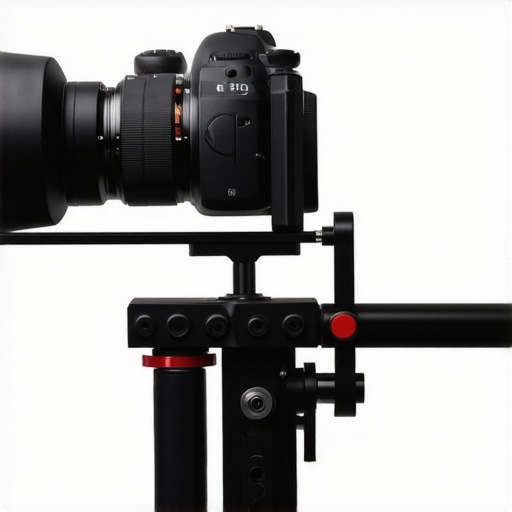
Maintaining your camera rig over time hinges on having the right tools at your disposal. I personally swear by a high-quality cordless torque screwdriver like the Wera Kraftform. Its precision allows me to tighten or loosen mounting screws without over-torquing, which is critical for preserving the integrity of sensitive components. Additionally, a pair of precision calibration gauges ensures that all moving parts, such as shoulder rigs and top handles, stay within optimal tolerance ranges, preventing unwanted play or wobble. Having these tools on hand streamlines regular maintenance and minimizes unexpected failures during shoots.
For ongoing inspection and adjustments, a set of metric wrenches and Allen keys in your kit guarantees you can handle most fasteners swiftly. I also recommend a multi-layered silicone-based lubricant, like Super Lube, to keep joints and threaded connections smooth, reducing wear and tear. These lubricants are designed to resist dust and debris, especially in outdoor environments, which is why I apply them during weekly rig checks. By proactively maintaining your gear with these precise, durable tools, you extend the lifespan of your setup and ensure consistent performance every time you shoot.
Implementing Software and Technique Advances for Longevity
Beyond hardware tools, software solutions like rig optimization guides play a pivotal role. Utilizing modeling and simulation applications can help you pre-visualize weight distribution and balance, reducing mechanical stress on your components. For example, a virtual assessment of your rig’s center of gravity can inform adjustments that minimize strain on shoulder pads or mounting points, drastically decreasing long-term wear. In my experience, integrating these digital checks complements physical maintenance and preserves your rig’s precision over time.
Looking ahead, the trend is moving towards smarter, sensor-integrated rigs that can alert you to loosened bolts or lubrication needs in real time. Companies are developing IoT-enabled rig components that monitor stress levels and operational health, reducing the reliance on manual checks. Preparing now by investing in modular, upgradeable accessories compatible with these innovations will pay dividends in the future of filmmaking support systems.
How do I maintain my rig’s performance over time?
Consistent, scheduled maintenance is key. Establish a weekly inspection routine where you lubricate moving parts, tighten fasteners to manufacturer specifications, and replace worn components before they fail. Keep a maintenance log to track issues and repairs, which helps anticipate future needs. Additionally, periodically revisit your setup against the latest guidance in comprehensive resources like our expert tutorials. Adopting these practices ensures your camera rig remains reliable and safe, even after years of demanding shoots. For specific accessory recommendations to streamline this process, explore our recommended rig accessories.
Finally, embrace advances in hardware durability—consider investing in modular parts with corrosion-resistant coatings or quick-release mechanisms that simplify disassembly for deep cleaning. By combining manual tools, digital insights, and forward-looking component choices, you can keep your camera system operating flawlessly for the long haul. I urge you to try implementing a lubricant routine combined with a torque check session this month—small steps that vastly improve your rig’s longevity and performance.

The Hidden Truths Behind Rig Stability That No One Tells You
Throughout my journey in professional filmmaking, I realized that some of the most valuable lessons come from unexpected incidents on set. One experience taught me that even the most robust rigs can become unstable if overlooked details aren’t addressed—like the tiny screws or forgotten accessories that silently undermine shot quality. These subtle lessons have reshaped my approach, emphasizing perseverance and attention to detail over reliance on gear alone. Sometimes, the greatest insights come when failure strikes unexpectedly, pushing us to refine and innovate how we build and maintain our rigs.
My Trusted Sources for Cutting-Edge Support Solutions
Over the years, I’ve gathered a handful of resources that have consistently elevated my filmmaking setup. First, the comprehensive guides at Creator Rig Reviews offer expert tips that keep my workflow smooth and my support systems reliable. The latest accessory reviews help me choose gear that truly enhances stability without unnecessary bulk. Additionally, I rely on practical tools from companies like Wera for torque precision, and digital apps that simulate weight distribution. These sources are invaluable, helping me troubleshoot before issues become costly, ensuring my rigs are always ready for the next shoot.
Take Action and Elevate Your Filmmaking Experience
Investing time in understanding the nuanced dynamics of your camera rig isn’t just about preventing mishaps—it’s about empowering your creative voice. Think of your support system as an extension of your vision; when it’s stable, your storytelling flows effortlessly. Don’t wait for problems to slow you down—regular maintenance, thoughtful upgrades, and continuous learning will keep your productions moving forward with confidence. Remember, every successful shot is born from meticulous preparation and a willingness to refine what you have. So, why not start today? Tackle one piece of your rig that could use a tweak, and see how it transforms your shooting experience.
What’s the trickiest part of maintaining your camera support system? Share your story below and let’s learn from each other’s experiences.
,