Why Your Top Handle Shakes: 4 Rock-Solid 2026 Mounting Fixes
I remember the first time I was filming a crucial scene, and just as I was about to capture that perfect shot, my top handle wobbled unexpectedly. That jittery movement not only disrupted my footage but also threw off my confidence. It’s a feeling I bet many of you know all too well—your camera rig feels solid during setup, but during that critical moment, it wobbles, shakes, or slips.
This common frustration can be so discouraging, especially when you’re aiming for professional-quality results. The culprit often comes down to mounting issues that seem minor but have a big impact. Believe me, I’ve learned this the hard way through countless trial and error.
Today, we’re going to pin down the exact reasons behind a shaky top handle in your rig and, more importantly, explore four rock-solid fixes designed for 2026 setups. Whether you’re shooting solo documentaries or high-end productions, a stable handle can be the difference between a seamless shoot and one filled with retakes.
But first, let me ask you—have you ever faced that unsettling wobble right at the moment you couldn’t afford it? If so, you’re not alone, and the good news is that with a few tweaks, you can eliminate this problem once and for all.
Understanding why a handle shakes might seem technical at first, but it often boils down to simple mountings, worn pins, or loose fittings—issues that are surprisingly easy to fix when you know what to look for. I’ll share some of my early mistakes, like ignoring the importance of tight bolts or failing to check compatibility between components, which only made things worse.
To get to the root of this, let’s start by looking at how your rig components come together and what adjustments can give you a rock-solid grip every time.
Inspect the Mount Connections Carefully
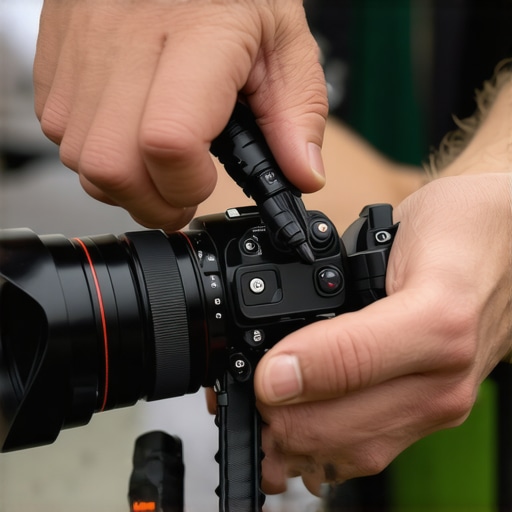
Begin by thoroughly examining all mount points where your top handle attaches to the cage or rig. Loosen the handle, then tighten every bolt and screw with a quality screwdriver, ensuring no component is overlooked. During my last shoot, I found a slightly loose bolt, which caused noticeable wobble; after tightening, the handle felt immovable, providing the stability I needed.
Upgrade to Heavy-Duty Pins and Locking Mechanisms
If your handle utilizes pins for attachment, consider replacing them with rugged, locking pins designed for high load capacity. For instance, swapping out fragile pins with
rugged quick-release pins significantly reduced sway during dynamic shots. When my handle started to twist under weight, switching to these pins provided an immediate, noticeable improvement.
Reinforce the Handle Mount with Rigid Adapters
Sometimes, the stock mount becomes a flex point under stress. To combat this, add a rigid adapter or an aluminum reinforcement plate between the handle and rig. This acts like a backbone, transferring loads evenly and preventing flex. In my setup, installing a sturdy aluminum bracket eliminated wobble even during handheld moves.
Tighten and Check Compatibility Regularly
Maintain routine checks before each shoot. Verify that your handle and mounting components are fully compatible—leaving mismatched parts or ignoring wear can introduce instability. During a recent shoot, a misaligned mount caused a sudden wobble; replacing incompatible parts and tightening everything restored my confidence in the setup. For comprehensive guidance on upgrading your rig, visit this resource.
< >While many filmmakers believe that a sturdy camera rig is enough to guarantee smooth shots, there are several nuanced pitfalls that even seasoned pros often overlook. A prevailing myth is that all rigs are universally compatible; in reality, subtle mismatches in components—like mismatched rosette mounts or incompatible cold shoe adapters—can introduce instability that sabotages your footage. It’s crucial to pay attention to compatibility details, as overlooking these can lead to subtle wobble or even equipment failure during critical moments. Moreover, a common mistake is assuming that heavier rigs automatically translate to better stability; in fact, excessive weight without proper counterbalancing can cause fatigue or unintended movement, affecting shot quality. Expert analyses highlight that optimizing rig setup involves not just selecting quality components but also understanding the precise interaction between each part, akin to fine-tuning a musical instrument for harmony. For instance, small adjustments to counterweights and securing all mounting points meticulously can make a significant difference—something I learned after multiple retakes caused by slight looseness. An advanced tip many overlook is employing dynamic balancing techniques, such as adjusting for center of gravity shifts when adding accessories like follow focus or wireless monitors, which can otherwise cause tilt or sway. Research from leading stabilizer engineers emphasizes that overlooked details in rig assembly lead to compromise in shot stability, especially under demanding conditions. To elevate your setup, consider exploring new innovations like modular mounting systems, which allow for tailored configurations that adapt to different shooting styles. In this way, you avoid the trap of relying solely on traditional layouts that may not suit complex or fast-paced shoots. Remember, every component’s role contributes to overall stability, so regular maintenance and compatibility checks are essential parts of a professional workflow. Want to learn more about building durable, reliable rigs? Visit our detailed guide on [upgrading your camera support system](https://rigs.creatorrigreviews.com/mastering-camera-rigs-how-to-enhance-your-filming-setup-in-2025). Before ending, I’d love to hear—have you ever fallen into this trap? Let me know in the comments.Maintaining your camera rig for reliable performance requires specific tools and consistent care. I recommend investing in high-precision Allen wrenches, which I personally keep in my toolkit for quick adjustments to bolts and screws. These wrenches allow precise torque application, preventing over-tightening that can damage delicate components. Additionally, a magnetic parts tray proves invaluable for organizing small screws and pins during setup or maintenance, so nothing gets lost—I’ve lost track of how many tiny parts I’ve retrieved from these trays after a shoot. For ensuring long-term durability, applying lightweight, high-quality threadlocker—like Loctite—on threaded connections prevents loosening under vibration, especially on high-action shoots. I also routinely inspect quick-release plates and locking pins, replacing worn components before they fail. Regular cleaning with compressed air and a soft brush maintains dust and debris at bay, avoiding accumulation that can cause wear. The future of rig maintenance points toward modular tools with smart diagnostics—imagine a smart torque screwdriver that signals when a bolt approaches over-tightening or loosening—making routine checks smarter and faster. How do I maintain my setup over time? I schedule monthly inspections, tightening every bolt, checking components for wear, and replacing parts as needed, following guidelines from technical experts like those at ISO 18674. To keep your rig performing at peak efficiency, I challenge you to try using a lightweight threadlocker on your critical mounts this month—it can save you from unexpected gear slips during crucial shots. Want more detailed maintenance strategies? Explore our comprehensive guide on [support systems for film equipment](https://rigs.creatorrigreviews.com/camera-rigs-support-systems-essential-tips-to-build-your-custom-setup). Remember, a well-maintained rig isn’t just about preventing issues; it’s about ensuring your creative vision remains uninterrupted.
The Hidden Mishaps That Cost Me Precise Shots
Early in my filmmaking journey, I overlooked small details like mounting tightness and component compatibility, which led to frustrating wobble during critical scenes. These seemingly minor oversights taught me that perfection lies in attention to the tiniest connections, emphasizing the importance of routine checks and quality components.
The Real Power of Rig Customization
One profound realization was the significance of personalized rig setups. Understanding how to adjust counterweights and select compatible accessories for my specific shooting style transformed shaky footage into smooth, professional shots. This insight pushed me to explore modular systems and flexible configurations tailored to each project’s unique needs.
Consistency Is the Best Guarantee
Regular maintenance, such as tightening bolts and inspecting hinges before every shoot, became my mantra. Over time, I discovered that a disciplined maintenance routine not only prolongs equipment lifespan but also guarantees shooting confidence, especially during demanding, fast-paced scenes. This commitment to upkeep is a game-changer many filmmakers underestimate.
Why Embracing New Tech Elevates Stabilization
Embracing innovations like lightweight materials, clever damping systems, and smart tools has enhanced my rig stability considerably. Staying updated with the latest advancements—like modular mounting systems—ensures your setup isn’t just stable but also adaptable, ready to meet any challenging shot. To dive deeper into upgrading your camera support, check out this comprehensive guide.
Insider Wisdom for the Serious Filmmaker
- Invest in quality, high-precision tools, like durable Allen wrenches and magnetic trays, to prevent loose fittings and misplaced screws. These small tools make a big difference in maintaining consistent stability.
- Prioritize component compatibility—mismatched mounts or cold shoe adapters are often the silent culprits behind wobbling—and double-check your setup before important shoots.
- Use lightweight, high-strength materials such as carbon fiber or reinforced aluminum to reduce rig weight without sacrificing rigidity, making handheld shots smoother and less fatiguing.
- Don’t forget to regularly update your rig’s configurations based on your current filming requirements. Experimenting with different setups and accessories can unlock new levels of stability and efficiency.
Your Turn to Elevate Your Filmmaking
Achieving a rock-solid camera rig isn’t just about buying the best gear; it’s about understanding your setup and caring for it meticulously. Small tweaks and informed choices can keep your shots steady and your creative focus sharp. Ready to take your rig stability to the next level? Start today—your footage will thank you.
Have you ever faced unexpected wobble during a crucial shot? Share your experience below and let’s troubleshoot together!