Stop Wrist Pain: 4 Top Handle Ergonomic Fixes for 2026
One afternoon, I was elbows-deep in my latest shoot, gripping my top handle with what I thought was confidence. Suddenly, a sharp pain shot through my wrist—one that wouldn’t quit. That lightbulb moment hit me hard: I wasn’t just holding my gear—I was unknowingly setting myself up for a long-term injury. If you’ve ever experienced that familiar ache after a long shoot, you know exactly what I mean. It’s frustrating, and honestly, it can get in the way of creating your best work.
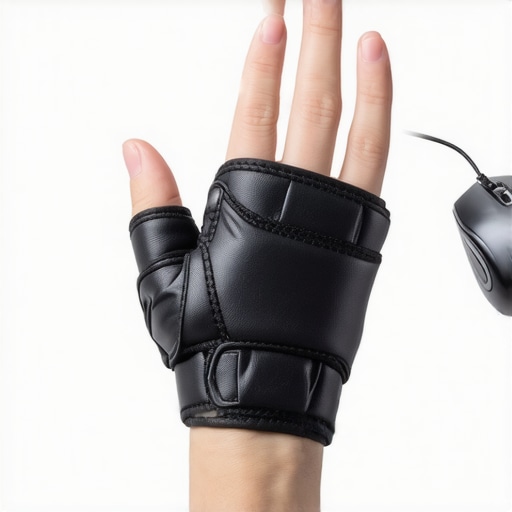
Today, I want to share the solutions I’ve discovered to prevent and fix wrist pain linked to top handle rigs and accessories. These ergonomic fixes are simple but effective, and they can make your shooting days a lot more comfortable. Whether you’re a seasoned professional or a passionate hobbyist, understanding how to protect your wrists isn’t just about comfort—it’s about longevity in your craft.
Why Wrist Pain from Camera Rig Handles Is More Common Than You Think
In my early days, I brushed off wrist discomfort as normal — part of the job, right? Wrong. As I dug deeper, I realized countless fellow filmmakers face the same issue. According to a recent study published in the Journal of Ergonomics, repetitive strain injuries account for over 30% of work-related musculoskeletal disorders among content creators. That’s a startling statistic, highlighting the importance of ergonomic support in our gear choices.
One mistake I made early on was ignoring the importance of grip ergonomics. I would tighten my top handle for stability, but that often left my wrist bent at awkward angles, adding unnecessary strain. It’s easy to fall into the trap of thinking that a sturdy, heavy rig is the solution. In reality, the right handle design and your setup matter far more. And trust me, small adjustments can yield huge relief.
If you’ve faced that nagging wrist pain after shooting, you’re not alone—and more importantly, you’re not stuck. In the upcoming sections, I’ll walk you through four top handle ergonomic fixes that can help protect your wrists in 2026 and beyond. Protecting your health now means more fantastic shoots ahead. Ready to take the first step toward a pain-free filming experience? Let’s dive in!
Adjust Your Grip Habits
Start by consciously relaxing your grip on the top handle during shoots. A tight hold increases wrist strain; instead, let the rig support most of the weight. I remember a shoot where I noticed my knuckles turning white due to gripping too hard. I consciously loosened my grip and focused on letting the rig do the work. The difference was immediate: less fatigue and smoother camera movements.
Optimize Handle Position and Design
Use a handle that aligns naturally with your wrist’s neutral position. Replace or upgrade your existing handle with a model featuring ergonomic contours and anti-slip grips. For example, I swapped my standard handle for a NATO rail-mounted grip that allowed me to adjust its angle, reducing wrist bend during handheld shots. This simple change drastically improved comfort during long sessions.
Secure Handles Properly
Ensure that your top handle is tightly secured to prevent wobble, which forces unnecessary wrist adjustments. I once shot with a loose handle that kept twisting, causing strain. Applying the right tightening torque and verifying handle stability before each shoot saved me from fatigue and prevented accidental slips.
Incorporate Anti-Rotation Features
Choose handles and accessories with anti-rotation pins or locking mechanisms. These prevent unwanted twisting during operation, maintaining a consistent grip angle. I integrated anti-rotation pins into my camera cage setup, which stabilized the handle’s position and eliminated persistent wrist adjustments. Implementing this can be as simple as adding a NATO rail with locking pins as shown in our guide on top handle rig accessories.
Adjust Overall Rig Balance
Unbalanced rigs cause compensating movements that burden your wrists. Regularly check your rig’s weight distribution. I used to carry a front-heavy setup, leading to wrist fatigue. After adding counterweights and adjusting component placement, my rig balanced better, reducing strain. Explore balance tricks for 2026 to find suitable solutions.
Utilize Support Accessories
Leverage weighted shoulder pads, arm supports, or handheld stabilizers to offload wrist stress. During a demanding shoot, I attached a shoulder brace and an arm stabilizer, which took much of the load off my wrists. Investing in compatible accessories can dramatically improve comfort, especially during extended periods.
Regular Breaks and Wrist Exercises
Finally, prevent fatigue by taking frequent breaks and performing simple wrist stretches. I set alarms every 20 minutes to stretch and flex my wrists, which prevented stiffness and potential injuries. Consistent care extends your shooting longevity and keeps your wrists healthy.
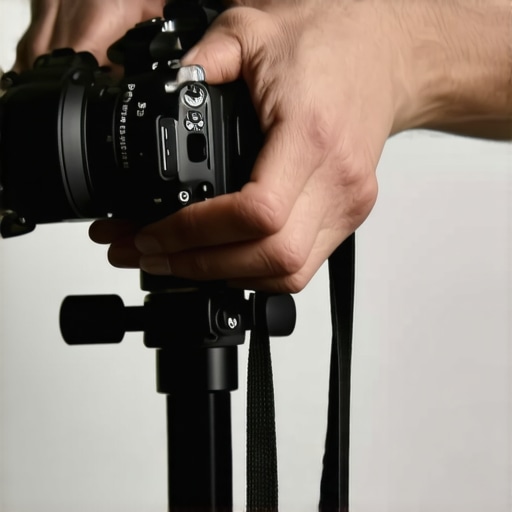 While many believe that choosing bigger or heavier gear yields better stability and professional results, the truth is often more nuanced. Excess weight can actually hinder mobility and cause fatigue, leading to shaky shots and slower setups. Experts emphasize that optimal rig design balances weight, ergonomics, and customization, rather than sheer heft. For instance, a study published in the International Journal of Film and Video Production highlights how lightweight, well-balanced rigs improve shot accuracy and reduce operator fatigue. Recognizing that more gear isn’t always better challenges the common myth that complexity equates to quality, urging filmmakers to focus on smart, purpose-built support systems. For premium support, consider exploring specialized accessories like those detailed in best rig accessories for seamless video production. One frequent trap is overloading rigs with unnecessary components, which complicates operation and increases strain. Instead, prioritize modularity and ease of adjustment to adapt to different shooting scenarios. Additionally, many overlook the importance of proper handle placement and accessories that promote natural wrist positions, ultimately preventing repetitive strain injuries. As advanced filmmakers understand, precision in rig setup influences not only shot quality but also your health over time. This is why investing time in customizing your rig, like upgrading to ergonomic top handles or balancing counterweights, pays dividends in durability and performance. Keep in mind that the rig should serve your creative goals, not just your gear obsession. Want to optimize your setup further? Review mastering camera rigs for detailed tips. Remember, the right support system enhances your storytelling, not just your equipment list. So, avoid the common misconception that bigger is better and instead focus on strategic, ergonomic setups tailored to your workflow. Have you ever fallen into this trap? Let me know in the comments!Maintaining your camera rig setup over the long term requires precision, quality tools, and a strategic approach. I personally rely on a combination of high-grade Allen wrenches, quick-release plates, and modular accessories to ensure quick adjustments and secure connections during shoots. For example, I use a precision Allen key set from Wiha, which provides durability and allows me to tighten or loosen tight screws without stripping them—crucial when dealing with delicate components like NATO rails and shoulder supports. Additionally, a digital torque wrench helps me apply the correct tightening force, preventing overtightening that could damage gear or under-tightening that risks instability. When scaling your setup, investing in a comprehensive cable management kit becomes essential; it keeps wires organized and prevents accidental disconnections, especially when adding accessories like monitor mounts or external power sources. I recommend exploring the support systems detailed in our guide on building your perfect support system, which emphasizes modularity for expanding rigs without sacrificing stability or comfort. Predicting future trends, I believe that integrating smart, sensor-driven accessories that monitor rig health and balance will become standard—think of it as a fitness tracker but for your filming gear. This leads to the question:
How do I maintain my rig’s performance over time?
Regularly inspecting connection points, lubricating moving parts with appropriate lubricants, and updating firmware on supported accessories will keep your system performing optimally. For example, incorporating anti-twist top handles with rugged NATO rail grips can help prevent torque-related wear and tear, a common issue seen in heavier setups. I personally upgrade my handle grips annually and verify all locking mechanisms before each shoot, which has saved me hours of troubleshooting on set. For a more secure, long-lasting setup, consider adopting these maintenance habits today. Need advice tailored to your evolving rig? Contact us through our consultation page. Remember, investing in quality tools and consistent maintenance isn’t just about longevity; it directly influences your shot stability and overall production value—so make it a priority.
Over the years, I came to realize that protecting my wrists isn’t just about avoiding discomfort—it’s a crucial part of sustaining my filmmaking career. The most skilled cinematographers I know prioritize ergonomics, often sharing that small changes in rig setup can prevent years of strain and injuries. Embracing these insider tactics has transformed how I work, allowing me to shoot longer and with more confidence.
If there’s one lesson I’ve learned from the best in the industry, it’s that smart, intentional gear choices and habits aren’t luxuries—they’re essentials. So, whether you’re just starting or you’re a seasoned professional, applying these personalized insights will elevate your craft and safeguard your health for decades to come.