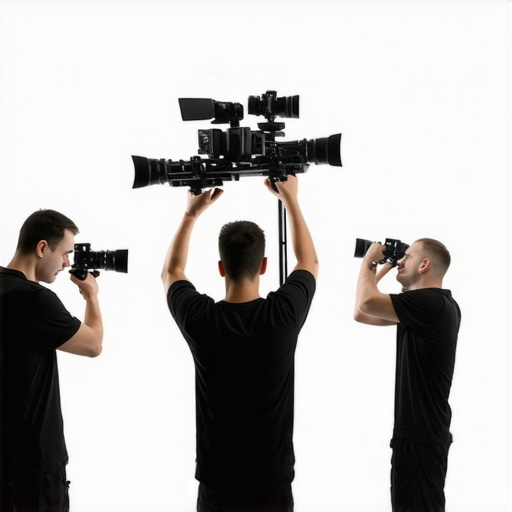
5 Shoulder Rig Balance Adjustments for Heavier 2026 Cinema Cameras
I’ll never forget that tense moment on set when my heavy cinema camera suddenly tilted forward mid-shoot. My first thought? Did I forget to tighten that last bolt? But no, it was a classic case of improper balance—something I underestimated in my early days. That lightbulb moment hit me hard: if your rig isn’t perfectly balanced, especially with heavier 2026 models, your shots suffer, and so does your body. These cameras are powerful tools, but their weight can transform a simple shoot into a grueling ordeal without the right adjustments.
Why Proper Balance is the Game-Changer for Heavy Cameras
Today, I want to share my experience and insights to help you avoid my rookie mistakes. When dealing with the substantial weight of modern cinema cameras, even the slightest imbalance can cause fatigue, shake, and compromised shots. Properly tuning your shoulder rig ensures stability, reduces strain, and elevates your filming quality. Trust me, once you master those adjustments, filmmaking becomes not just easier but genuinely enjoyable again. If you’ve faced that moment where the weight pulls your focus from creativity to discomfort, you’re not alone. And the good news? It’s fixable with some practical techniques. For extra tips on building your support system, check out this comprehensive guide.
Is Overlooking Balance Really Harmful for Your Shots?
I used to think that as long as my camera was mounted, the rest didn’t matter much—until my back was aching after just a few hours and my footage was shakier than intended. Early on, I made the mistake of ignoring the importance of balance, assuming that heavier gear meant just more effort. That was a costly assumption. Proper balance isn’t just about comfort; it’s essential for professional-quality footage and long-term health. If you’re hesitant about tweaking your rig or worried that balancing might be too complicated, rest assured—small adjustments make a world of difference. And remember, a well-balanced rig can prevent common issues like camera shake or back pain, which are all too common on set. To streamline your setup, consider updating your accessories with the best options, like those listed at this resource.
Adjusting Your Shoulder Rig for Perfect Balance
Start with the basics: loosen all adjustable parts on your shoulder rig, then position the camera so it sits level when mounted on your shoulder. Tighten only after the camera’s weight feels evenly distributed. I once spent an hour tweaking mine during a shoot, removing and shifting counterweights until the rig felt almost weightless on my shoulder, which greatly improved stability and comfort.
Use Counterweights Wisely
Adding or redistributing counterweights is like balancing a see-saw—bring the heavier end closer or farther to find that sweet spot. I attached small weights to the bottom of my rig’s baseplate, which prevented the front-heavy wobble on long takes. Experiment with different weights and positions to see what works best for your gear setup.
Optimize the Top Handle Placement
The top handle acts as a pivot point; positioning it correctly can correct tilt imbalance. I moved my top handle slightly forward, which corrected a persistent leaning issue during handheld shots. Think of it as adjusting a steering wheel—small shifts can drastically change your control and comfort.
Fine-Tuning Accessories for Ultimate Stability
Mounting options, such as quick-release plates and anti-twist pins, prevent unwanted movements. I once used anti-twist pins on my cage to stop rotations that caused shaky footage, especially during dynamic scenes. Use high-quality mounts and regularly check for loose screws—loose fittings are like loose bolts on a bike, risking crashes and shaky footage.
Manage Your Cables to Prevent Tugging
Cabling can inadvertently shift your rig or cause imbalance. Use spiral wraps or Velcro straps to route cables along the rig frame tightly. During a recent shoot, properly secured HDMI cables prevented accidental pulls that could have derailed my shot, ensuring smooth operation throughout demanding scenes.
Test and Record Your Adjustments
Always double-check your setup by filming test shots. I once thought my rig was perfect until reviewing footage revealed slight tilt due to an overlooked weight shift. Make small adjustments, record a short clip, and review for signs of imbalance like tilting or wobbling. This iterative process saves time and avoids fatigue during critical shoots.
Leverage Quality Accessories for Consistent Results
Invest in sturdy, compatible gear like top handles, cage mounts, and support systems. For heavier setups, consider professional-grade options like those listed at this resource. Proper accessories help distribute weight evenly and provide multiple grip points, making handheld filming less strenuous and more stable.
#Many filmmakers believe that investing in high-end rig accessories automatically guarantees smooth shots and comfort, but the truth is, there’s a nuanced art to choosing and using these tools effectively. One common misconception is that more accessories always mean better stability, yet cluttered setups often hinder mobility and increase weight, counteracting your efforts. Instead, focus on selecting essential accessories from trusted sources like this curated list, and learn to integrate them thoughtfully into your rig.
Another pitfalls many fall into involves underestimating the impact of a poorly chosen top handle. People often see it as just a grip, but a poorly mounted or incompatible top handle can introduce unwelcome sway and imbalance, especially in 2026 models with heavier payloads. Advanced users understand that the top handle should be positioned to optimize weight distribution and control, not just for convenience. In fact, experts suggest that adjustable top handles, like those discussed in this guide, can significantly improve shot stability.
The ‘oops’ factor here is often taking accessories at face value—believing that the most expensive or newest gear is automatically the best fit. This can lead to overcapitalizing on unnecessary upgrades, adding weight, and complicating your rig without actual benefit. A common trap is to equip with multiple mounts and cages when a minimal, well-tuned setup would suffice. Remember, accessories like camera cages are tools to enhance your setup, not ornaments. Review your needs realistically and select compatible, durable gear to build a resilient system.
Let’s address a question often pondered by advanced filmmakers: How do I balance the desire for versatile accessories with the need for a lightweight setup? The key lies in understanding the advanced nuances of weight distribution and modularity. For instance, using modular supports allows you to adapt quickly without adding excessive bulk. Integrate accessories that serve multiple functions, like combined handles and mounting points, to keep your rig nimble. Also, expert advice highlights that proper rig balancing, including counterweight placement and accessory arrangement, reduces fatigue and enhances footage quality. For comprehensive tips, check out this resource.
Remember, clarity about the purpose of each accessory and strategic selection makes all the difference. Making informed choices prevents costly mistakes and saves time in post-production. Have you ever fallen into this trap? Let me know in the comments and share your experiences. For a more detailed approach to optimizing your entire setup, visit this comprehensive guide.
Keep Your Rig Running Smoothly: Essential Tools and Maintenance Strategies
Maintaining your camera rig over time isn’t just about cleaning and occasional checks; it requires a strategic approach with the right tools to ensure reliability and longevity. Personally, I rely on precision torque screwdrivers, like the Wiha 26197, which allows me to tighten screws without over-tightening, preserving the integrity of delicate components. These tools are vital for regularly adjusting and securing accessories such as top handles or cage mounts, preventing unwanted sway or rattles during shoots.
Another must-have is a set of high-quality thread lockers, like Loctite 242, which I apply to threads prone to loosening due to vibrations or repeated assembly and disassembly. These small steps drastically reduce the chance of parts coming loose mid-shoot, especially when working with complex setups involving multiple support accessories.
For ongoing monitoring, a digital caliper helps me measure bolt tensions and component clearances, ensuring parts remain within optimal specifications. Such precision is crucial when scaling your setup with new accessories or upgrading to heavier models, where uneven weight distribution can lead to wear or imbalance over time.
How do I maintain my camera rig as it ages?
Regular lubrication of moving parts like quick-release clamps, pivot joints, and top handle mounts prevents corrosion and wear. I prefer using a dry PTFE spray, which doesn’t attract dust while providing smooth operation. Incorporating annual inspection routines, where I disassemble and check each component, helps catch potential issues early. This proactive care extends the lifespan of your accessories and keeps your filmmaking process seamless.
Using quality storage solutions, such as foam-lined cases, protects your components during transport and prevents accidental damage. Additionally, labeling and organizing cables and small parts streamline setup and teardown, saving valuable time on set.
Built for the Long Run and Ready to Scale
Investing in durable, scalable accessories is key. As your workflow evolves, tools like modular support systems, including quick-attach top handles and adjustable cages, enable you to adapt without replacing entire setups. When considering scaling, prioritize lightweight yet sturdy options that won’t add unnecessary strain, such as the latest top handle designs that incorporate ergonomic grips and improved balance dynamics. Trends suggest that future innovations will focus on materials like carbon fiber to reduce weight while maintaining strength, further easing long shoots.
Adopting an organized maintenance routine not only preserves your gear but also ensures consistent performance, making scaling your rig feasible and less stressful. For detailed advice on expanding your setup, I recommend reviewing this comprehensive guide.
The Hardest Lessons I Learned About Rig Accessories, Shoulder Rigs, Camera Rigs, Camera Cages, and Top Handles
- One crucial lesson was realizing that even small misalignments in rig setup could lead to significant fatigue and compromised footage. It’s easy to overlook tiny adjustments, but overlooking them can cost you comfort and quality in the long run.
- I discovered that not all accessories are created equal. Investing in modular, adjustable components allowed me to fine-tune my setup swiftly, saving time and reducing frustration during shoots. Quality gear truly is an investment in both durability and performance.
- Initially, I believed heavier gear meant sturdiness, but I was wrong. Excess weight without proper balance can cause more harm than good. Mastering proper weight distribution transformed my shooting experience from painful to passionate.
- One invaluable insight was the importance of test-shoots after each adjustment. Reviewing footage for signs of imbalance helped me catch issues early, preventing costly re-shoots and improving shot stability over time.
- Finally, consistency in maintenance—cleaning, tightening, and periodically reviewing my setup—keeps the rig performing at its best. It’s easy to neglect, but disciplined upkeep is key to long-term success.
My Essential Toolkit for Rig Mastery
- High-Quality Support Accessories: I trust the top-rated accessories that distribute weight evenly and withstand the rigors of daily filming, making my setup both reliable and comfortable.
- Precision Tools: A set of torque screwdrivers like the Wiha 26197 ensures I tighten screws without damaging delicate parts, preserving the longevity of my gear and maintaining optimal balance.
- Measurement Devices: Using digital calipers helps me monitor bolt tensions and component clearances, crucial for scaling my rig and avoiding imbalance or wear over time.
- Protective Storage: Foam-lined cases and organized label systems safeguard my gear during transport, respecting both my investment and my workflow efficiency.
Keep Pushing Your Filmmaking Boundaries
Remember, achieving perfect rig balance is an ongoing journey. Every shoot teaches you something new, and your commitment to refining your setup will elevate your craft. Don’t be afraid to experiment, learn from your setbacks, and seek out community tips—you’re building not just a rig, but a mastery of filmmaking. Now, I want to hear from you: Have you ever struggled with balancing your camera rig? What tips made the biggest difference in your shooting experience? Share below and let’s grow together!
,


![How to Balance a 20lb Shoulder Rig Without Back Pain [2026]](https://rigs.creatorrigreviews.com/wp-content/uploads/2026/03/How-to-Balance-a-20lb-Shoulder-Rig-Without-Back-Pain-2026-300x300.jpeg)
Reading this post really resonated with me because I’ve experienced that sudden tilt of my camera rig during a shoot and the chaos that ensued. It’s clear that balancing a heavy cinema camera isn’t just about comfort but also about preserving shot quality and preventing fatigue. I’ve found that spending extra time on pre-shoot balance checks, especially with heavier payloads, makes a huge difference—small tweaks can save hours of frustration later. Interestingly, I’ve also started experimenting with adjustable top handles to shift weight distribution mid-shoot depending on shot angles, which adds a level of flexibility that’s invaluable.
Have any of you tried quick-adjust counterweights or modular support systems that help you fine-tune balance on the fly? I’d love to hear what’s worked best in your recent projects, especially if you’ve faced similar challenges with the evolving weight of 2026 cameras. Proper rig setup has genuinely transformed my approach to handheld filming, making it more sustainable over long hours.
I completely relate to the importance of proper rig balance, especially with the new 2026 cinematic cameras that continue to get heavier and more complex. I’ve found that incorporating adjustable counterweights and quick-release mounting systems has really helped me adapt quickly on set. It’s also smart to routinely revisit those adjustments during shoots, as certain angles can shift the balance unexpectedly. One trick I’ve used is marking positions where my weights and handles are optimized; it saves me time during critical moments.
Has anyone explored lightweight yet sturdy materials like carbon fiber for support arms? I’ve heard it can significantly reduce overall weight without sacrificing strength, making long shoots less tiring. Also, I’m curious—what’s been your go-to setup for balancing on uneven or slippery surfaces? I’d love to hear others’ experiences on maintaining stability for dynamic scenes varying in terrain and shot angles.
This post hits home for me since I’ve struggled with rig imbalance multiple times, especially during long shooting days. It’s amazing how small tweaks, like repositioning counterweights or adjusting the top handle, can turn the entire shooting experience around. I’ve personally started using a quick-release system for weights, which makes on-the-fly adjustments much easier when changing shot angles. Has anyone else found that using modular support arms helps streamline balancing? I’ve noticed that integrating lightweight materials like aluminum or even carbon fiber supports reduces fatigue without sacrificing stability. Also, I’ve been experimenting with different cable management techniques to prevent tugging and shifting, which can throw off your balance. What’s your go-to method for keeping your rig steady on uneven terrain or during rapid movements? Would love to hear more insights from filmmakers who’ve mastered the art of balancing those hefty 2026 cameras—any tips or tricks are welcome!