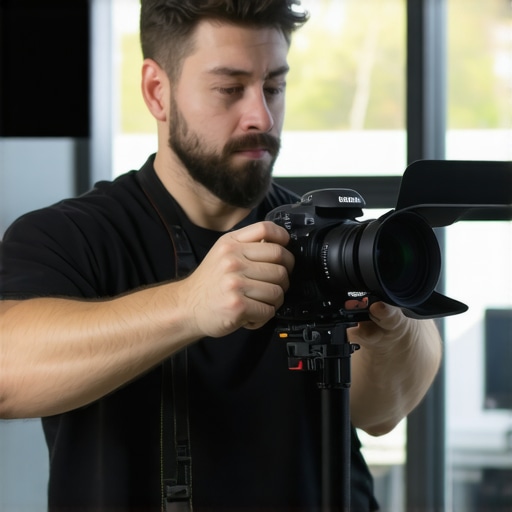
Stop Fighting Your Shoulder Rig: 5 Pro Weight Hacks for 2026
Have you ever been mid-shoot, arms aching, shoulders screaming, wishing you could just,”let go” of your camera and escape? I vividly remember the first time I struggled with balancing my shoulder rig during a long shoot. My back was sore, and my footage started suffering because I was fighting against my gear, not with it. That lightbulb moment struck me hard: equipment shouldn’t be a battle—it should be an extension of your creativity, not a source of pain.
Why Proper Weight Distribution Matters More Than Ever
In the rapidly evolving world of filmmaking technology, rigs have become more sophisticated, packed with accessories that push their weight limits. But more weight often equals more fatigue, leading to shaky shots and frustration. If you’re like me, you’ve faced that relentless fatigue that zaps your energy and compromises your shots. Luckily, there are proven techniques to ease this burden. Today, I’ll share five professional weight hacks that transformed my shooting experience and might do the same for you.
Is Overloading Your Rig Really Worth the Risk?
Early in my career, I made the mistake of stacking on accessories without considering their cumulative weight. It felt justified—more gear meant more flexibility, right? Wrong. Overloading led to shoulder injuries and shaky footage. According to a survey by CreatorRigReviews, improper weight balance is a leading cause of fatigue among videographers. The key is knowing how to distribute weight smartly, not just adding more gear.
So, if you’ve ever felt your camera rig tipping or your arms trembling after a few minutes, know this: you’re not alone. The good news is that with a few strategic adjustments, you can make your rig feel like an extension of your body—light, steady, and reliable. Ready to discover how? Let’s dive into practical solutions that will change your filming game in 2026 and beyond.
Distribute Your Gear Like a Pro
Begin with your camera cage—think of it as the foundation of your support system. Choose a cage that offers multiple mounting points, allowing you to attach accessories without overloading one side. When installing your top handle or any accessories like monitors or microphones, ensure they are positioned symmetrically to balance the weight. For instance, if you add a monitor on the left, counterbalance with a grip or counterweight on the right. This keeps your rig from tilting and reduces strain during long shoots.
Use Counterweights Effectively
Remember the story of the time I struggled with an unbalanced rig during a windy outdoor shoot. I was handling a heavy matte box and a large monitor on one side. The moment I added a small weight to the opposite side, the whole rig felt lighter and more stable. Specialized counterweights, like adjustable weights or even common items like small sandbags, can be clipped onto the rear of your cage or attached via mounting points. The goal is to keep your center of gravity close to your body’s natural position, much like how a mountain bike relies on proper weight distribution for stability.
Optimize Shoulder Support to Reduce Fatigue
A crucial step I took was upgrading my shoulder pad. Instead of a generic cushion, I opted for an ergonomic, gel-filled pad that molds to my shoulder. This distributes weight evenly and minimizes pressure points. Adjust the height and angle of your shoulder pad so that the camera’s center is aligned with your eye. Think of it like balancing a camera on a tripod—if the center of gravity is off, even minor movements cause shakiness. Our article on shoulder support systems offers detailed insights on achieving perfect alignment.
Fine-Tune With Accessories That Matter
Clamps, grips, and quick-release plates—every accessory should serve a purpose. For example, I replaced a flimsy monitor mount with a robust, anti-vibration arm that absorbs shocks. This not only keeps footage steady but also prevents unnecessary strain when repositioning gear. Additionally, cable management is vital; tangled wires add weight and can cause snags. Use cable clamps and routing channels to secure cables along the rig, maintaining a clean balance and reducing accidental tugging that shifts your setup.
Practice Dynamic Adjustments During Shooting
Every location and shot demands subtle tweaks. I learned to adjust arm supports and counterweights in real-time—like tuning a musical instrument—to match my shooting angle and movement. Small improvements, like shifting a monitor or shifting weight slightly, can make a significant difference in comfort and stability. Regularly check your rig’s balance, especially after adding new accessories, to avoid cumulative imbalance.
Leverage Expert Tips to Elevate Your Setup
Visit resources like expert guides to refine your technique. Remember, an optimized rig not only enhances shot quality but also preserves your stamina. Experiment with different configurations until you find a setup that feels intuitive and balanced—your camera and body will thank you during those marathon shoots.Even experienced filmmakers often fall prey to misconceptions about camera rigs. One prevalent myth is that a heavier rig equates to better stability; in reality, excess weight can cause fatigue and compromise shot quality. Many believe that adding every available accessory improves performance, but overloading can lead to imbalance and discomfort. The truth is, smart distribution and understanding the rig’s core components matter more than sheer mass.
A common oversight involves neglecting the subtle nuances of rig design, such as the importance of balancing center of gravity and adjusting weight distribution for different shooting angles. For example, a rig that feels perfectly balanced in a static position may become unwieldy during movement if the center shifts. Advanced users often overlook the significance of high-quality counterweights or the ergonomic design of shoulder supports, which are crucial for prolonged shoots.
Beware of the trap of assuming that any top handle or cage will suit your needs. Not all accessories are compatible or optimized for your specific camera and shooting style. For instance, cheap top handles may slip or wobble under weight, causing camera shake. To mitigate this, invest in secure, quick-lock handles and supports tailored to your gear, such as the top-notch options discussed in top camera cage innovations.
A nuanced aspect worth consideration is how cable management impacts balance. Tangled wires and poorly routed cables can shift weight unexpectedly, affecting stability. Incorporating dedicated cable clamps and routing channels ensures an even distribution, preventing shifts during dynamic shots.
For advanced practitioners, understanding how rig components interact is paramount. For example, the relationship between the cage, top handle, and shoulder support determines overall ergonomics and fatigue levels. Mastering this synergy can significantly elevate your filming quality, as detailed in ultimate guide to building your support system.
Have you ever fallen into this trap? Let me know in the comments. Remember, the devil is in the details—sometimes, small adjustments can make the biggest difference in your filming experience.
Investing in Durable Tools to Extend Your Rig’s Life
For professionals and serious enthusiasts alike, having the right tools is non-negotiable. High-quality hex keys, precision screwdrivers, and anti-slip pliers are crucial for regular adjustments and repairs. I personally swear by the Wiha Precision Screwdriver Set because of its durability and ergonomic design, which makes frequent tweaks less tiring during long shoots. Using dedicated tools minimizes accidental damage and ensures components like camera cages and support systems stay secure and functional over time.
Routine Checks and Reflective Maintenance
Implementing a regular inspection schedule helps spot wear and tear early. I recommend dedicating 10-15 minutes at the end of each shoot to check for loose screws, worn padding on shoulder supports, or damaged cable clamps. Applying a simple maintenance routine, like cleaning contacts with isopropyl alcohol or applying a light lubricant to moving parts, prevents corrosion and ensures smooth operation. According to expert advice from rig maintenance guides, this proactive approach prolongs your gear’s lifespan and preserves shot quality.
Choosing the Right Storage and Transportation Equipment
Proper storage is vital for preventing damage. Hard cases with foam inserts protect rig components from shocks and vibrations during transit. I recommend the Pelican Air cases because they combine lightweight portability with rugged protection. Additionally, dedicated rack systems or modular storage cubes keep accessories organized, reducing setup time and risk of losing small parts like screws, mounts, or cables. Remember, a cluttered space can lead to overlooked maintenance issues or accidental damage—so investing in organized storage pays off in the long run.
Preparing for Scaling and Long-Term Use
As your filmmaking needs grow, so should your maintenance strategy. When planning to scale your setup, consider investing in modular accessories like quick-release plates and multi-threaded support arms, which facilitate easy upgrades. This flexibility minimizes downtime and maintains your rig’s integrity. Regularly updating your support systems ensures compatibility with new gear, keeping your workflow smooth. Connecting with experienced manufacturers or consulting detailed support system guides, such as expert advice on rig scaling, can save you from costly mistakes.
How do I maintain my camera rig over time?
Consistent checks and using quality tools are key. Schedule routine inspections, clean contacts regularly, and replace worn parts before they fail during critical shoots. Once a quarter, review your gear with a dedicated checklist to ensure nothing is overlooked. Also, keep spare parts organized and accessible—this proactive approach reduces downtime and preserves your investment. Remember, a well-maintained rig not only extends its lifespan but also ensures seamless operation when it matters most. Don’t hesitate to experiment with advanced maintenance tips like applying protective coatings or upgrading support components—these small steps can make a significant difference. For more tips on building robust, scalable rigs, explore mastering your camera rig in 2025.
The Hidden Trap of Overloading and How I Overcame It
One of the most impactful lessons I learned was that more gear isn’t always better. Early on, I thought piling on accessories would produce higher quality shots. Instead, I ended up with a backache and shaky footage. The realization hit me hard: balance and thoughtful distribution of weight trump sheer quantity of gear. Prioritizing quality over quantity transformed my approach and set me apart in my craft.
What I Wish I Knew About Rig Components From the Start
Initially, I underestimated how critical selecting the right support system is. Choosing a robust quick-release plate or a modular support that adapts to different rigs made all the difference. My advice? Invest in adaptable, well-designed components because they save you time and frustration during frantic shoots. For a deeper dive into such essentials, I recommend exploring support system guides.
Balancing Comfort and Stability Has a Deep Impact
Swapping out my basic shoulder pad for an ergonomic, gel-filled support was a turning point. It distributed weight evenly, preventing fatigue during 12-hour shoots. I discovered that aligning the rig’s center with my eye not only improved shot stability but also kept me energized. Tiny ergonomic tweaks make a huge difference—think of it as tuning a musical instrument for perfect harmony.
Scaling Up Without Losing Focus
As my projects grew more ambitious, I knew I needed support gear that could evolve with my needs. Modular, quick-attach accessories allowed me to scale my system effortlessly. Regularly reviewing and upgrading my gear based on current demands ensures longevity and that I stay at the top of my game. Learn more about scalable solutions in building scalable support systems.
My Final Word: Gear Is a Tool, Not a Crutch
The most valuable insight I gained is to see gear as an extension of my creativity, not a burden. Proper weight distribution, ergonomic comfort, and smart component choices empower you to create steadier shots and stay energized. Remember, even small tweaks can make your filmmaking more enjoyable and professional. Dive into expert tips and keep refining your setup, and you’ll notice the difference in every frame you capture. Have you ever experienced a balancing breakthrough? Share your story below—I’d love to hear your experiences and learn from your journey.


![How to Balance a 20lb Shoulder Rig Without Back Pain [2026]](https://rigs.creatorrigreviews.com/wp-content/uploads/2026/03/How-to-Balance-a-20lb-Shoulder-Rig-Without-Back-Pain-2026-300x300.jpeg)
I really appreciate how this post highlights the importance of proper weight distribution—it’s something I underestimated early in my filmmaking journey. I used to think that more accessories and heavier rigs would give me better stability, but the fatigue and shaky footage proved otherwise. Upgrading my shoulder support and balancing my gear made a huge difference; now I can shoot longer without discomfort. I especially agree on the practical tip about using counterweights effectively—something simple like a small sandbag can turn a tiring shoot into a smooth experience. Has anyone experimented with advanced cable management techniques to improve balance? I find tangled wires can unexpectedly shift weight, which affects steadiness during dynamic shots. Looking forward to hearing tips from others on maintaining long-term rig stability and comfort—they make all the difference in professional filmmaking!