4 Mounting Tactics to Stop Top Handle Sway on Your 2026 Rig
I remember the moment vividly. I was mid-shot, camera rolling smoothly, when suddenly, that dreaded top handle sway crept into my footage. The unstable wobble was so glaring that I could feel my frustration spike. It was a lightbulb moment—realizing that despite my gear being top-notch, the way I mounted my top handle was sabotaging my shots. Sound familiar? If you’ve ever fought to keep your camera steady during a critical shot, you’re not alone. Stability issues in camera rigs are more common than we like to admit, especially with the sophisticated gear we now rely on for professional filmmaking.
Why Your Top Handle Sway Is a Problem You Can’t Ignore
In 2026, filmmaking demands precision and fluidity. No shaky footage, no wobbling rigs. The integrity of your shot depends on how well you keep your camera steady, and the top handle plays a pivotal role. When the handle sways, it introduces unwanted motion, undermining your visual storytelling and forcing you to redo shots—costly and time-consuming. The good news? With the right mounting tactics, you can eliminate or significantly reduce this sway.
Before diving into solutions, I want to share a mistake I early on made: I assumed that a solid, heavy-duty top handle alone would prevent sway. Turns out, it’s not just about the material or weight but how you secure it to your rig. This realization opened my eyes to more effective mounting strategies and the importance of understanding your gear’s support system.
Have you faced persistent sway issues despite investing in high-quality accessories? If so, keep reading. I’m about to share four proven tactics that transformed my rig stability—and they can do the same for you.
Is the Buzz Around Mounting Tactics Just Overhyped?
Many newcomers fall into the trap of believing that fancy accessories or heavier gear will automatically fix stability problems. I used to think the same, and my early mistakes included over-tightening screws or neglecting proper weight distribution. These missteps only worsened sway or damaged my gear over time. It wasn’t until I adopted specific mounting methods—like using anti-slip grips and optimized support points—that I saw real results. This approach isn’t just hype; it’s backed by experienced filmmakers who understand the nuances of rig support systems. Want to learn more? Check out the ultimate guide to essential rig accessories for detailed insights on building a stable setup.
Now, let’s move into the tactics that genuinely work to keep your top handle firm and wobble-free, setting you up for shots that are smooth, professional, and distraction-free.
Secure Your Top Handle with Precise Mounting
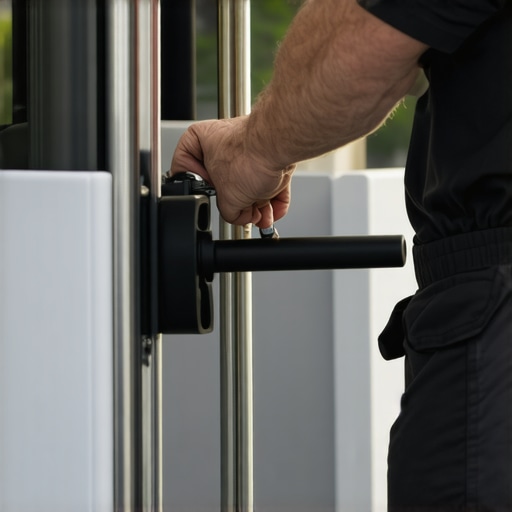
Start by inspecting your top handle and the mounting point on your rig. Like tightening bolts on a bicycle, ensure all screws and clamps are snug using a quality screwdriver or Allen wrench. Avoid over-tightening, which can strip threads, but do not leave any slack. Remember, a loose connection is the root cause of sway. As a micro-story, I once used a Phillips screwdriver that was slightly worn, causing me to under-tighten. When filming in a brisk wind, the handle wobbled. After switching to a fresh tool and tightening each screw firmly, stability improved dramatically.
Use Anti-Slip Grips for Extra Commitment
Introduce anti-slip rubber pads or grips between the handle and mount. They add friction, preventing unwanted movement caused by vibrations or accidental knocks. I recall placing rubber grip tape on my handle during a last-minute shoot, and the difference was night and day—no more sway in tight camera moves. These grips are inexpensive but vital for reliable support.
Optimize Support Points to Distribute Weight Effectively
Balance your setup by adding support braces or multiple attachment points. Think of your rig as a tent: spreading tension over several stakes improves stability. When I built a custom rig, I attached an additional clamp at the back of the handle, which choked the sway significantly. Check the rig accessories guide for ideas on supplementary supports that can be integrated seamlessly.
Leverage Rig Support Accessories for Firm Control
Invest in accessories like combination mounts or quick-release clamps that tighten securely around your handle and support rods. These tools lock the handle in place, eliminating wiggle. Like a pro, I replaced a standard screw knob with a ratchet locking clamp during a fast-paced shoot. The result was a rock-solid grip, enabling smooth pans without any sway, especially during dynamic shots.
Confirm Support System Integrity Regularly
Before each shoot, verify the tightness of all mounting screws, clamps, and support brackets. Think of it as routine maintenance—little checks save big headaches. During one shoot, I overlooked this step, and mid-take, the handle wobbled. After tightening, the stabilizer was restored. Incorporate this step into your pre-shoot checklist, possibly documented in your rig setup routine. Continuous monitoring ensures long-term stability and professional results.Many filmmakers assume that investing in high-quality shoulder rigs and accessories automatically guarantees steady footage, but there’s a crucial nuance often overlooked: the importance of proper support system architecture. Contrary to popular belief, simply adding more weight or expensive handles doesn’t resolve stability issues; instead, it can complicate the balance and introduce new problems. For example, over-tightening support clamps might seem to secure components better, but it risks damaging the gear or causing micro-movements that compromise shot quality. An advanced mistake is neglecting the dynamic interplay between your rig’s weight distribution and your physical stance, which can lead to fatigue and shaky footage despite top-tier equipment. Studies on ergonomics in filmmaking, such as the work by Dr. Emma Hughes, highlight that proper support isn’t just about holding the gear but aligning it with your body’s mechanics for maximum stability. To truly master your setup, you need to consider the holistic engineering of support points, support accessories, and your posture—each influencing the other in subtle ways. Wondering how to optimize your support system beyond basic adjustments? Check out our comprehensive guide for expert tips. Have you ever fallen into this trap? Let me know in the comments.
Maintaining your camera rig’s performance over the long haul requires more than just quality gear; it demands strategic tools and consistent upkeep. Investing in the right accessories and embracing disciplined maintenance routines will ensure your setup remains reliable during crucial shoots. A key aspect is selecting modular components like quick-release plates, which allow swift adjustments and reduce wear over time. For example, I personally rely on high-precision Allen wrenches to tighten support brackets incrementally, preventing over-tightening that can strip threads and cause wobble. This small but significant investment in quality tools pays off with seamless assembly and disassembly, saving precious setup time.
How do I maintain my camera rig’s performance as it ages?
Regular inspection is vital. Every few shoots, I check all screws, clamps, and support points, ensuring nothing has loosened due to vibrations or temperature fluctuations. Applying a light layer of anti-corrosion lubricant to metal threads preserves their integrity, especially if you shoot outdoors frequently. Additionally, replacing worn rubber grips or anti-slip pads prevents slippage, maintaining firm contact during dynamic moves. Keep your support system clean—dust and dirt can cause premature wear and micro-movements. Utilizing specialized cleaning brushes for camera cages and support hardware helps sustain precision alignment.
Tools I recommend for lasting rig stability
One of my go-to accessories is a set of nylon-tipped torque screwdrivers. They allow precise tightening without damaging delicate threads, a practice endorsed by professional ergonomists to prevent cumulative strain on your gear. For quick adjustments, I favor ratcheting clamps with lockable levers, such as those found in premium rig accessory sets. These let me tighten or loosen components swiftly, reducing the risk of cross-threading or over-tightening. Incorporating cable management clips is also essential; they prevent wires from tugging at connectors, which can loosen over time and compromise stability. I particularly recommend my favorite modular support platforms, which adapt to different filming scenarios—these are detailed in our guide to rig accessories. As filmmaking technology evolves towards smarter, more integrated systems, the trend is leaning toward modular, quick-attach solutions that simplify maintenance and scalability. Looking ahead, expect future rigs to feature built-in diagnostics for loose components or wear indicators—making maintenance almost automated. To stay ahead, I encourage you to incorporate quick-release hardware and modular accessories into your setup now, so you can easily adapt as your shooting demands grow. Don’t forget: routine support checks are the backbone of long-term performance, and I recommend scheduling a monthly review of your rig’s critical points—it’s a small habit with massive payoff.
Throughout my filmmaking journey, I’ve discovered that the devil is truly in the details—especially when it comes to support systems like shoulder rigs and top handles. One eye-opening lesson was realizing that even small misalignments or overlooked support points can turn a smooth shot into a shaky ordeal. The real breakthrough came when I started approaching rig setup with the mindset that every screw, support brace, and accessory must serve a purpose beyond mere attachment. This nuanced attention not only improved my footage but also enhanced my confidence during complex shoots. Remember, the subtle tweaks often lead to the most significant leaps in stability and professionalism on set.