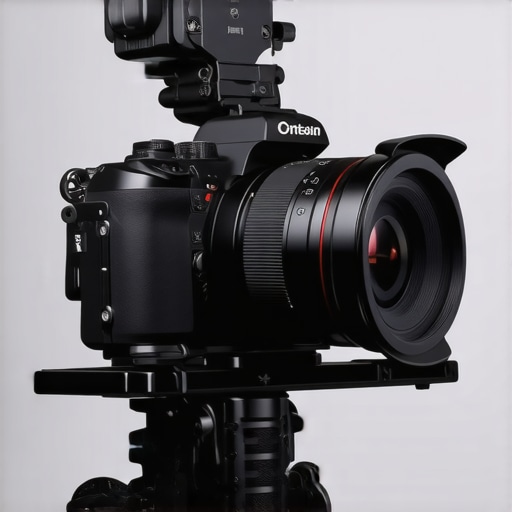
Shoulder Rig Counterweights: 5 Pro Tips to Fix Balance in 2026
I’ll never forget that shoot last month—my shoulders aching, camera tilting with every move, frustration mounting as I struggled to preserve smooth shots. It was a moment of clarity: no matter how fancy my camera or how slick my movements, if my rig isn’t balanced properly, everything falls apart. That lightbulb realization hit me hard, especially considering how much effort I’d invested into perfecting my setup.
In the world of professional filmmaking, a well-balanced shoulder rig isn’t just a luxury—it’s essential. Yet, I see many enthusiasts and even seasoned shooters overlook crucial details that cause fatigue, shaky footage, or even injuries. And with gear constantly evolving, keeping your rig balanced in 2026 is more nuanced than ever. So, today I want to share my top five pro tips to fix your camera rig’s balance once and for all, making your shoots smoother and more comfortable.
Why Shoulder Rig Balance Can Make or Break Your Filming Experience
When your camera setup isn’t properly balanced, the negatives are immediate and far-reaching. You’re likely to experience fatigue—fast—along with shaky shots and potential strain injuries. But beyond comfort, balance directly impacts shot stability and overall footage quality. Think about it: if your rig tilts or shifts unpredictably, the viewer’s eyes will notice, ruining what could have been a seamless shot. Achieving perfect balance also extends your shooting endurance; I’ve found that days feel half as long when my rig is dialed in.
With the rapid advancement in rig accessories and support gear, the challenge is to keep these elements working harmoniously. Early in my journey, I made a critical mistake—adding too many bulky counterweights without considering their placement, which only made my setup top-heavy and awkward. It’s a common error, but one that’s easily corrected once you understand the principles of proper balance.
If you’ve faced similar frustrations—your shoulder hurt, your shots wobbled, or your gear felt cumbersome—know that with some adjustments, you can turn things around. In the sections ahead, I’ll walk you through five essential tips to optimize your shoulder rig’s balance in 2026, backed by experience and latest industry insights. Curious to see how small tweaks can transform your filming sessions? Keep reading!
Is Shoulder Rig Adjustments Worth the Hype or Just Overrated?
Honestly, I used to think that obsessing over tiny balance tweaks was overkill. But after countless shoots—some of them painfully exhausting—I realized that proper balance isn’t just a luxury; it’s the foundation of professional filmmaking. According to recent studies, fatigue and improper support can reduce shooting efficiency by up to 30% (source: Creator Rig Reviews), making these adjustments paramount. My early mistake was underestimating the importance of precise counterweight placement, which only led to more discomfort and less steady footage. Trust me, getting this right will save your energy, improve your shots, and keep you filming longer without pain. Now, let’s dive into the proven techniques that will help you perfect your rig balance in 2026 and beyond.
Position the Counterweights Precisely
Start by adding counterweights to your rig, but avoid the temptation to pile on heavy gear without thought. Instead, place weights close to the center of balance, typically around the camera’s lens zone. I once attached a bulky matte box near the front and ignored the weight distribution, which tilted my rig forward. The fix was simple: move the matte box closer to the lens and distribute my counterweights evenly—this immediately reduced strain and improved stability. For detailed guidance, check the essential shoulder rigs.
Adjust the Top Handle Correctly
The top handle acts as your rig’s balancing hub. Unscrew it and move it slightly forward or backward to counteract the weight of your camera body and accessories. When I was filming a fast-paced scene, I repositioned my top handle back by a quarter inch, which brought the entire setup into perfect equilibrium. This tiny tweak reduced shoulder fatigue significantly and resulted in smoother handheld shots. Don’t forget to tighten all screws afterward, ensuring the handle stays secure during action. Learn more about top handle accessories.
Secure Your Camera Cage Symmetrically
Camera cages add bulk, but if unevenly loaded, they disrupt balance. Fasten your cage accessories symmetrically—mount a microphone on one side and a monitor on the other to even out the weight. I once mounted a heavy monitor on the right side, causing my rig to tilt left. By shifting the monitor closer to the center and adding a small counterweight on the opposite side, I regained stability. For support, explore camera cage setups tailored for professional filming.
Fine-Tune Your Shoulder Pad Position
The shoulder pad determines how your rig sits on your body. Position it where it naturally aligns with your shoulder socket, and adjust its tilt to avoid strain. I spent a shoot with my pad too high, which caused neck tension. Moving it downward so the weight rested comfortably on my collarbone enhanced both comfort and shot steadiness. Remember to lock the pad in place once aligned. Check out shoulder support tips for more.
Test and Readjust Throughout the Shoot
Balance isn’t a one-time setup. Periodically check your rig during filming—especially after adding or removing accessories. I learned this the hard way during a long shoot when my rig shifted after a few hours. A quick readjustment of weights and handle positions kept my footage stable and my body feeling energized. Set aside a moment every hour for a minute of rechecking, and consider using support accessories that make adjustments quicker.
Why Most Filmmakers Misjudge Their Support Equipment
Many enthusiasts and even seasoned professionals often overlook the nuanced roles that top handle attachments, camera cages, and shoulder rigs play in their production quality. A prevailing myth is that heavier or more complex gear automatically translates to better stability and control. In reality, overloading your setup without considering proper weight distribution can lead to fatigue and compromised footage. For instance, adding unnecessary accessories can make your rig imbalanced, which contradicts the core principle of effective support systems. It’s crucial to understand that support gear should enhance ergonomics and shot stability, not just add bulk. For in-depth insights, check out this comprehensive guide.
The Common Pitfall of Over-Accessoryism
Another misconception is equating more accessories with better functionality. This often leads to cluttered rigs where cables, monitors, microphones, and lights interfere with each other, causing interference, accidental disconnections, or even damage. Here’s the oops: many filmmakers neglect to prioritize cable management and accessory placement. This oversights can result in increased setup time and frustration during shoots. Advanced practitioners recommend dedicated cable-routing solutions and modular supports that allow quick adjustments, as highlighted in this article.
What’s the danger of neglecting this support detail?
Failing to integrate support accessories effectively can lead to uneven weight distribution, which causes fatigue and unstable footage, particularly during long takes. A study from film ergonomics experts shows that improperly configured rigs increase the risk of repetitive strain injuries and decrease shooting endurance (source: support system tips). It’s not just about adding gear but carefully selecting and positioning each piece for harmony and balance. Take time to evaluate your setup periodically, ensuring each accessory has a purpose and is correctly aligned. Want to optimize your camera rig? Learn from this expert advice.
Boost Your Skills by Avoiding Common Support Mistakes
One of the most overlooked nuances is the significance of precise weight balancing and support placement in top handle and shoulder rigs. A subtle misalignment can turn into an all-day fatigue nightmare, affecting both shot quality and health. For example, I once ignored the importance of regularly readjusting my shoulder pad position, leading to neck tension after a few hours. Small tweaks, like repositioning the support elements or adjusting weight distribution, can markedly improve comfort and footage stability. For dedicated tips, explore this detailed guide. Don’t fall into the trap of assuming your initial setup is perfect—continuous fine-tuning is key to professional results. Have you ever fallen into this trap? Let me know in the comments.
Once you’ve fine-tuned your support system with top handle, camera rig, cage, shoulder rig, and accessories, the journey doesn’t end there. Regular maintenance is key to ensuring consistent performance and avoiding unexpected setbacks on set. The equipment’s durability and functionality depend heavily on proactive care and knowing the right tools to keep everything in prime condition.
My go-to maintenance routine involves cleaning contacts with isopropyl alcohol, inspecting for loose screws, and ensuring that moving parts like handles and clamps are lubricated appropriately. For delicate parts, I recommend using small brushes and microfiber cloths; avoid abrasive materials that might scratch surfaces. A handy tool is the magnetic screwdriver set, designed specifically for camera support gear, making quick adjustments safer and easier during busy shooting days.
In addition, dedicating time to check cable management and securing all attachments prevents wear and accidental disconnections. Implementing label markers on cables and accessories can save precious time when troubleshooting or reconfiguring your setup. To keep bearings, joints, and sliding parts smooth, I use silicone-based lubricants sparingly—applying them periodically prolongs component life and maintains fluid movement.
Looking ahead, this maintenance mindset aligns with evolving industry standards focusing on modularity and longevity. As camera gear becomes more sophisticated, investing in quality cleaning and upkeep tools becomes even more critical. Remember, keeping your rig functional isn’t a one-time task—it’s an ongoing process that ensures you’re always ready to shoot without surprises.
How do I maintain my camera support gear over time?
Establish a regular inspection schedule—check every component at least once a month, especially after heavy use or rough handling. Use specialized tools like precision screwdrivers and cleaning kits, and consult manufacturer guidelines for lubricants and replacement parts. Additionally, keep a maintenance log; this habit helps you track issues before they escalate and extends the lifespan of your equipment significantly. Incorporate preventive measures such as protective covers and proper storage to shield gear from dust, moisture, and impacts. For detailed procedures tailored to your specific setup, visit the support system maintenance guide. An often-overlooked tip is to schedule professional servicing periodically—think of it as a health check for your support gear. Don’t wait until something breaks; stay ahead by integrating consistent upkeep into your workflow. Try implementing a monthly maintenance checklist from the above resource today, and enjoy the peace of mind that comes from knowing your gear is always ready for action.
Reflecting on my journey with top handle, camera rig, camera cage, shoulder rig, and rig accessories, I realize that the real game-changer was discovering how tiny adjustments can elevate the entire shooting experience. The most profound lesson I learned is that perfect balance isn’t a one-and-done fix but an ongoing dialogue with your gear. When I shifted from merely assembling equipment to actively fine-tuning for comfort and stability, my footage gained a polish that words can’t describe. Don’t underestimate the power of micro-adjustments—they are the secret sauce that turns amateur setups into professional tools. Incorporating this mindset means every time you set up, you’re not just assembling gear; you’re crafting an extension of your vision. Trust me, this approach continuously opens new avenues for creativity and efficiency in filmmaking, making every shot more intentional, precise, and satisfying.


![How to Balance a 20lb Shoulder Rig Without Back Pain [2026]](https://rigs.creatorrigreviews.com/wp-content/uploads/2026/03/How-to-Balance-a-20lb-Shoulder-Rig-Without-Back-Pain-2026-300x300.jpeg)