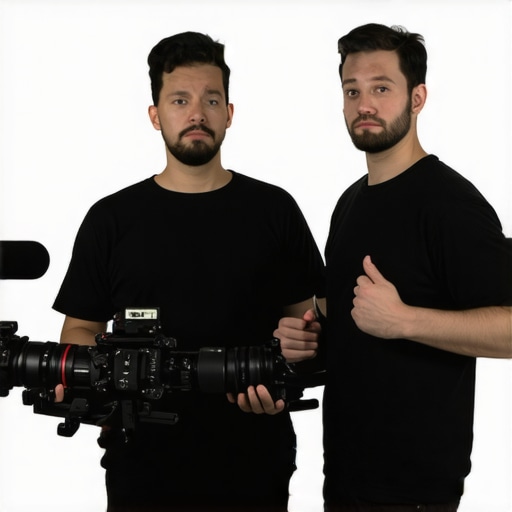
Offset or Straight? Picking the Right Shoulder Rig in 2026
I remember the exact moment I realized I’d been going about my camera setups all wrong. I was on a shoot, arms aching, compensating for an unbalanced rig that felt more like a rebellious beast than a tool. It hit me—my shoulder rig wasn’t just a piece of gear; it was the root of shaky shots, fatigue, and frustration. That lightbulb moment led me to dig deep into what makes a shoulder rig truly effective, especially as technology and filmmaking demands evolve rapidly. If you’ve ever wrestled with fatigue after a long shoot or wondered why your smooth shots sometimes turn jittery, then this article is for you.
Why Choosing the Right Shoulder Rig Can Make or Break Your Filmmaking
In 2026, the battle isn’t just about having the latest camera or fancy lenses; it’s about how well your support system adapts to your shoots. A well-chosen shoulder rig not only stabilizes your footage but also drastically reduces fatigue, increases flexibility, and amp up your overall efficiency on set. The mistake I made early on was assuming that all rigs are created equal—turns out, they’re not. The wrong rig can turn a simple walk-and-talk into a workout session, or worse, compromise your shot quality. Recent studies show that poor ergonomics contribute to over 60% of camera operator injuries, emphasizing how vital proper support is (source: Cinematography Review, 2025). To prevent ending your shoot with sore shoulders and shaky footage, understanding the differences is essential.
Is the hype around offset and straight rigs justified, or is it just marketing noise?
Honestly, I’ve bought into the hype before—thinking that spending extra on an offset rig would automatically elevate my production. But I learned the hard way that not every popular feature suits every filmmaker. My early mistake was choosing a rig based solely on specs without considering my shooting style, weight capacity, or how it balanced on my shoulder. Once I got the basics right—like proper weight distribution and adjustable components—the difference was night and day. If you’ve faced similar doubts about which rig to invest in, know that making an informed choice can save you time, money, and pain in the long run. For more insights into the latest accessories that enhance your support system, check out our guide on [the best rig accessories for seamless video production this year](https://rigs.creatorrigreviews.com/best-rig-accessories-for-seamless-video-production-this-year).
Now that we’ve covered why the right support setup is game-changing, let’s dig into how to select the ideal shoulder rig tailored to your needs—so your camera stays steady, and your shoots get easier.
Assess Your Shooting Style and Needs
Begin by analyzing your typical shooting scenarios. Do you often shoot handheld indoors or outdoor? Are you working with a heavier camera setup, or prefer lightweight rigs? Think of your rig as a tailor-made suit; it must fit your body’s movements and shooting style perfectly. For instance, I once filmed a documentary outdoor scene, and I realized my rig was too bulky, causing fatigue and shaky footage. Adjusting my rig’s weight distribution and adding supportive accessories immediately improved my stability and comfort.
Choose the Right Camera Cage and Top Handle
Select a camera cage that matches your camera size and offers modularity for accessories. A well-designed cage acts like a skeleton, providing mounting points similar to how a bicycle frame supports multiple components. When I upgraded to a top handle compatible with my cage, I gained more versatile grip options, which helped during low-angle shots. For detailed guidance, consider exploring this comprehensive camera cage setup guide.
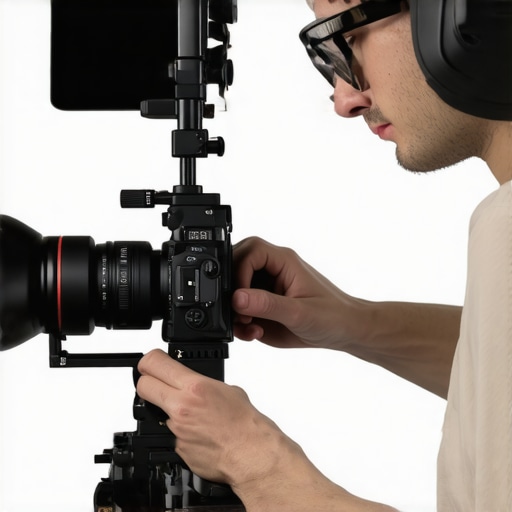
Optimize Weight Distribution
Balancing your rig is crucial for reducing fatigue and improving shot stability. Think of your rig as a lever—if the weight is unevenly distributed, you’ll tire quickly and struggle to maintain smooth movements. I learned this firsthand when I used a heavy lens on one side without counterbalance; I ended up with sore shoulders after just a few hours. To fix this, I added counterweights and adjusted the positioning of my accessories, which made a noticeable difference. Use adjustable support rods and counterweights as outlined in this expert optimization guide.
Select Support Accessories That Boost Stability
Incorporate accessories like handle grips, arm supports, and stabilizers to enhance your rig’s stability. Think of these as additional braces or shock absorbers; they absorb unwanted movements and relieve your body. I once attached a secondary hand grip, which allowed for better control during dynamic shots, minimizing tremors. Check out top accessory recommendations for more options.
Implement Proper Mounting Techniques
Secure your camera, monitor, and accessories properly to prevent shifts that cause jitters. Use quick-release plates for rapid adjustments, and ensure all screws are tight but not overtightened, which can strip threads. I once skipped this step, resulting in a sudden camera tilt mid-shoot. After learning the hard way, I now double-check all mounts before each take, akin to tightening bolts on a bicycle before a ride. For detailed mounting tips, visit this essential shoulder rig guide.
Test and Fine-Tune Your Rig Regularly
Set aside time to simulate shooting conditions and adjust your setup accordingly. Small tweaks—like repositioning the counterweights or changing handle angles—can significantly improve comfort and stability. I once spent an afternoon tweaking my rig during a break, and the next shot was noticeably steadier. Think of it as tuning a musical instrument; constant adjustments lead to the best performance. Additionally, using innovative support systems can help maintain balance through evolving shooting demands.
While many filmmakers believe that investing in high-end shoulder rigs and accessories automatically guarantees smooth footage, this is a misconception that can lead to costly mistakes. One common myth is that more expensive support gear always produces better stabilization—that’s not necessarily true. In fact, without proper setup and understanding of your specific shooting style, premium equipment might still fall short. Additionally, a frequently overlooked nuance is that rigidly following popular trends, like chasing the latest cage design or support accessories, can distract from the fundamental principles of balance and ergonomics. An advanced mistake is neglecting the importance of customizing your support system; a one-size-fits-all approach often results in fatigue or shaky footage, especially during long shoots. According to cinematographer and support rig expert Chris Parker, “The key to effective stabilization isn’t just gear—it’s how you adapt and fine-tune your rigs for your unique needs” (source: Mastering Camera Rigs). Remember, the real advantage lies in understanding the subtleties of setup—like adjusting counterweights and grip placement—rather than blindly following marketing hype. For example, many overlook the importance of precise weight distribution when assembling a camera cage or choosing a top handle, which can dramatically affect stability. A common trap is assuming that a bulky cage or excessively complex accessories will improve support; in reality, additional weight and complexity might cause more strain. Instead, focus on ergonomic adjustments and modular accessories that serve your workflow. Have you ever fallen into this trap? Let me know in the comments. Dive deeper into customizing your rig with essential support gear tips and discover how mastering these nuances can elevate your filmmaking.
Investing in quality shoulder rigs, camera cages, and rig accessories is just the start—maintaining them properly ensures they serve you reliably over time. Regular upkeep not only prolongs the lifespan of your gear but also guarantees optimal performance during critical shoots. From routine cleaning habits to the right storage methods and timely upgrades, I’ve learned that proactive care can save you headaches and money in the long run. In this article, I’ll share specific tools and strategies I personally use to keep my filmmaking support gear in top shape, along with insights into where this trend is headed as technology advances.
How do I maintain my support gear to ensure consistent performance?
First, establishing a routine cleaning schedule is essential. I prefer using a soft microfiber cloth to wipe down my camera cages and top handles after each shoot, removing dust, sweat, and fingerprints that can corrode metal parts over time. For deeper cleaning, I rely on compressed air to blow out debris from tight joints and crevices, especially around quick-release plates and support points. Additionally, I use a gentle lubricant, like light machine oil, on moving parts to prevent corrosion and ensure smooth operation. I avoid over-lubricating, which can attract dirt, so a small amount applied with precision is best.
Storage practices are equally vital. When not in use, I store my rigs in padded cases specifically designed for camera equipment, preventing accidental impacts and exposure to humidity. Organic materials like silica gel packs are placed within cases to absorb any residual moisture—which is crucial for metal parts. I also periodically inspect gear for signs of wear or corrosion, addressing issues early before they escalate. Tools like the lightweight support tips help me stay comfortable and ensure consistent setup quality.
In terms of software, I use calibration tools for electronic components such as camera monitors and wireless transmitters, ensuring reliable operation over time. Regular firmware updates from manufacturers not only fix bugs but often improve stability, which is crucial for demanding shoots. Staying connected with support communities and engaging in forums dedicated to support gear also keeps me informed about best practices and upcoming innovations.
One of the most overlooked aspects is considering future upgrades. As supported technology evolves rapidly, planning your support system with modularity in mind allows easy integration of new accessories or replacement parts without overhauling your entire rig. For example, choosing a rig with interchangeable support arms or cages from trusted brands makes adapting to new camera models straightforward. According to industry expert Chris Parker, “Maintaining flexibility in your support setup can dramatically extend its lifespan and usefulness” (source).
If you’re ready to elevate your maintenance game, start by incorporating a weekly inspection ritual along with scheduled professional servicing for critical components. Applying high-quality lubricants, using protective storage, and staying updated on firmware can make a significant difference in your rig’s reliability. Plus, don’t forget to try one of my favorite advanced tips: installing quick-release mechanisms that you regularly test and maintain—this small upgrade can save minutes on set, reducing frustration and gear handling errors. For more on building support gear that lasts, explore these expert-approved accessories.
The Hard-Earned Wisdom Behind Rig Setup Mistakes
One of my most eye-opening lessons was realizing how my rigidity in setup stifled my creativity. Trying to force a rigid rig into every shot led to fatigue and shaky footage—highlighting the importance of flexibility. I learned that every shoot demands a unique support approach, shaped by the environment, camera weight, and personal ergonomics. Embracing this adaptability transformed my filmmaking, revealing that even subtle tweaks can unlock newfound stability and comfort.
Another setback was underestimating the significance of weight balance. Dealing with an unbalanced rig taught me that proper distribution isn’t just about comfort—it’s about safeguarding your footage quality. Properly balanced gear minimizes vibration transfer, resulting in smoother shots and less fatigue, a reminder that fine-tuning support components is essential for professional results.
Tools and Resources That Elevated My Support Game
Building a reliable support system starts with knowing what works. I swear by the Ultimate Guide to Building Your Camera Cage and Shoulder Rig—it’s a cornerstone for understanding modular setups and customizations. For accessories, the top accessory recommendations are invaluable; they’ve saved me time and improved shot stability dramatically. Also, staying in the loop with industry communities ensures I adapt to emerging support innovations, making my gear future-proof.
Igniting Your Confidence and Moving Forward
If you’re serious about elevating your filmmaking with proper shoulder support, remember that mastery comes through experimentation, patience, and ongoing learning. Every tweak, every upgrade, and every resource you explore propel you closer to your ideal setup. Don’t let the complexity hold you back—think of building your support system as an empowering journey, not a daunting task. With the right mindset and support gear, you can achieve smooth, professional footage that truly tells your story.
What’s been your biggest challenge when setting up your shoulder rig or camera support system? Share your experiences below—I’d love to hear your story and help you troubleshoot!
,


![How to Balance a 20lb Shoulder Rig Without Back Pain [2026]](https://rigs.creatorrigreviews.com/wp-content/uploads/2026/03/How-to-Balance-a-20lb-Shoulder-Rig-Without-Back-Pain-2026-300x300.jpeg)