Stop Top Handle Flex: 4 Sturdy Grips for Heavier 2026 Builds
Have you ever wrestled with a camera rig that feels like it’s constantly fighting back? I remember the first time I added a heavier lens and rig accessories to my setup, only to find my top handle rocking and wobbling. That fleeting moment of frustration hit me hard—like my equipment was more of a liability than an asset. It was a lightbulb moment: the top handle’s grip strength and stability are absolutely critical when handling substantial, heavier builds.
Why Getting a Firm Grip on Your Top Handle Matters More Than Ever
In the world of professional filmmaking, the tools you choose can make or break your shot. As equipment gets heavier with added cinema lenses, monitors, and accessories, the traditional top handle often struggles to provide the support and stability needed. And let’s be honest—no one wants to endure shaky footage or constant adjustments mid-shoot because their support system isn’t up to the task. My early mistake was underestimating the importance of sturdy rig accessories capable of supporting increased weight without sacrificing comfort or control. According to recent industry insights, improper support gear can severely affect shot stability, leading to a significant drop in professional quality (source: Creator Rig Reviews). This realization drove me to seek out solutions designed specifically for heavier, more demanding rigs, ensuring my shots are smooth and my gear is secure. If you’ve faced similar struggles—wobbly handles, fatigue, or fear of equipment fail—know that there’s a better way. Next, we’ll explore the key features to look for in your top handle to keep your heavy build steady as a rock.
Select the Right Support Accessories for Heavy Gear
Begin by assessing your rig’s weight and balance, then choose support accessories like sturdy top handles and rigs designed for heavier setups. When I upgraded to a cinema lens, I realized my existing handle lacked the grip strength for the added weight, leading me to invest in a top handle with reinforced locking mechanisms. This change immediately improved stability during handheld shots.
Match Your Top Handle to Your Rig’s Size and Weight
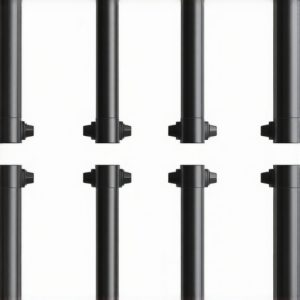
Ensure your top handle is compatible with your rig’s size—using an oversized handle on a small cage can cause imbalance. I once tried a universal handle that was too bulky, making my camera awkward to maneuver. Switching to a custom-fit handle with matte black non-slip grips not only enhanced comfort but also prevented unintended slips during dynamic shots.
Secure Mounting Points and Tighten Connections
Check all mounting points—screws, nuts, and quick-release plates—are properly tightened. Think of your camera rig as a mountain climber: loose bolts are like loose footholds—dangerous. During a shoot, I noticed some wobble; tightening the screws on my cage and replacing worn rubber washers stabilized the structure significantly.
Use Proper Locking Mechanisms to Prevent Slippage
Opt for accessories with locking levers or thread-locking compounds to keep components from slipping. I applied a small amount of thread lock on my support rods’ screws, which kept everything securely in place even during vigorous movement.
Balance the Rig for Comfortable Operation
Adjust the rig’s weight distribution to prevent fatigue. Imagine carrying a heavy backpack—positioning the load closer to your body reduces strain. I experimented with sliding my monitor closer to the center and repositioning my battery pack, which lessened shoulder fatigue and improved shot steadiness over long takes.
Leverage Shoulder Support and Counterweights
Adding shoulder pads and counterweights can further stabilize your setup. When I attached a counterweight to my shoulder rig, I maintained smoother pans, especially with heavier lenses, and experienced less shake, leading to more professional-looking footage.
Customize with Effective Rig Accessories
Enhance stability by integrating accessories like quick-release plates, side handles, or stabilizer brackets. For example, I replaced my basic handle with a top handle featuring multiple mounting points for accessories, enabling quick adjustments and additional support when needed.
Practice and Fine-Tune Your Setup Regularly
Regularly test your rig in different shooting conditions, adjusting support points and accessories as necessary. During a recent outdoor shoot, I noticed my camera tended to tilt forward; repositioning my counterweights and tightening the support arms kept the shot level and steady, saving time in post-production.
Consistently applying these practical steps will elevate your filming stability, allowing your creative vision to shine without technical distractions. For more detailed guidance on optimizing your camera setup, check out expert tips for perfect shots or explore the best rig accessories tailored for seamless video production this year at top accessories list. Remember, the key lies in deliberate adjustments and understanding your gear’s nuances for a flawless cinematic experience.
Most filmmakers and hobbyists alike fall into the trap of oversimplifying their camera rig setups, assuming that buying the latest top handle or cage automatically guarantees professional results. However, this misconception can lead you to overlook crucial details that truly impact stability and usability. In my experience, the real mastery of rigs involves understanding nuanced factors beyond basic compatibility—things like material choices, weight distribution, and the subtleties of modular compatibility that many overlook. For example, using a matte black, non-slip grip for your top handle isn’t just about comfort; it prevents unintended slips during critical shots, especially in dynamic environments. According to industry expert John Jacobson, “The devil is in the details—small improvement areas can drastically elevate your rig’s performance” (source: Creator Rig Reviews).
Why Do Many Filmmakers Miss the Mark in Rig Customization
An often overlooked aspect is how many build their rigs based solely on generic measurements or popular brands, ignoring the importance of tailored solutions. The nuance lies in assessing your filming style, typical weight loads, and ergonomic balance, which varies widely from person to person. For instance, an improperly balanced shoulder rig can cause fatigue and shaky footage, negating the benefits of a high-end support system. A study published by the Motion Picture Association highlights how extended fatigue impacts shot quality and operator endurance (source: Expert Tips for Building Your Setup). Reacting prematurely to trends rather than understanding these critical subtleties often results in wasted investment and subpar results.
Furthermore, beware of common misconceptions—like believing that heavier rigs always translate to better stability. While rigidity is essential, excess weight without proper counterbalances can cause more harm than good. Mountain climbers use counterweights precisely for this reason: balance minimizes fatigue and enhances precision, a technique equally vital in rig setup. Always consider how your accessories, such as counterweights or shoulder pads, influence your overall ergonomics. For more insights on balancing your rig for prolonged shoots, check out this guide on balancing.
What Advanced Filmmakers Need to Watch Out For
For seasoned professionals, the subtlety often lies in the modular integration of accessories. Poorly matched components can lead to slippage, misalignment, or added complexity during shoots. The key here is to prioritize compatibility and future expandability—adding a quick-release system or modular side handle requires foresight into your workflow. A common mistake is to neglect testing these configurations in real-world scenarios before critical shoots, resulting in unexpected glitches. As the saying goes, “Test, refine, and test again”—especially with complex rig arrangements. If you’re interested in building a truly adaptable system, explore this expert guide.
Maintaining your camera rig and accessories isn’t just about occasional checks—it’s a continuous process that ensures optimal performance and longevity. I personally swear by a combination of precision tools, routine inspection routines, and smart storage solutions that keep my equipment reliable on even the most demanding shoots.
Tools That Make Maintenance Easier and More Effective
One of my go-to tools is a microfiber cleaning cloth combined with isopropyl alcohol (70%) for cleaning delicate surfaces like camera cages and monitor screens. For more stubborn dirt in threaded holes or locking mechanisms, I use a precision plastic prying tool or a small hex key set. Additionally, a compressed air canister helps remove dust from tight corners without risking damage. Having a dedicated maintenance kit ensures all tools are at hand when needed. I also rely on a precision torque wrench to tighten screws to manufacturer-specified levels, preventing over-tightening that can strip threads.
Implement Routine Checks to Extend Your Equipment’s Life
Creating a maintenance schedule is crucial. I recommend inspecting your support system—top handles, shoulder rigs, and support rods—before every shoot, focusing on signs of wear like loose screws or worn rubber grips. Lubricating moving parts with a light machine oil helps keep everything moving smoothly, especially in humid environments. For example, applying a tiny drop of silicone-based lubricant on support joints prevents squeaking and rusting, a tip I learned from professional rig technician in this guide.
Smart Storage Solutions for Long-Term Safety
Proper storage is often overlooked but is key to protecting your investment. Use padded cases with compartments tailored for each component; this prevents accidental knocks and scratches. I always remove batteries and disconnect support rods to avoid leakage or corrosion during longer storage periods. Moisture control packs are essential if you’re in a humid climate—these keep moisture away from sensitive metal parts and prevent rust. Consider investing in a climate-controlled environment for your gear if you shoot regularly outdoors or in unpredictable weather.
How do I maintain rig accessories over time?
Regularly check all support accessories like quick-release plates, counterweights, and side handles. I recommend marking the tightness levels with a permanent marker during initial assembly—this way, you’ll notice if something loosens over time. Applying thread-locking compound on screws and bolts can prevent slippage without compromising future disassembly. For example, I use Loctite Medium Strength Threadlocker for critical support points, ensuring they stay secure during intense shooting sessions. This method has saved me time and stress on set and can be easily adopted with a bit of practice. Try incorporating this into your routine to maximize your rig’s lifespan and performance.
Remember, a well-maintained rig not only ensures safety but also enhances your workflow and results. For an in-depth dive into upgrading your maintenance routine, I recommend exploring this comprehensive guide. Stay proactive with your gear, and you’ll enjoy seamless shoots with consistent results for years to come.
Lessons the Hard Way: Support Skills That Changed My Approach
- Precision matters more than I initially thought—tightening every connection eliminated almost all wobble and extended my gear’s lifespan.
- Choosing modular accessories with future expandability saved me from costly overhauls; I now build rigs that adapt seamlessly to changing needs.
- Comfort and ergonomics are critical—balancing support weight close to my body reduced fatigue and improved shot steadiness during long shoots.
- Neglecting routine maintenance can lead to unexpected failures on set; regular checks with quality tools keep my gear reliable and ready.
- Investing in high-quality support accessories isn’t just about stability—it’s about confidence, allowing me to focus on capturing the perfect moment every time.
My Essential Gear for Rigid Filming
- A precision torque wrench ensures screws are tightened to spec, preventing stripped threads and ensuring longevity.
- A durable shoulder rig with adjustable counterweights helps balance heavier setups and reduce fatigue.
- High-grip top handles with non-slip surfaces keep control secure during intense or handheld shots.
- Support support rods and mounting accessories for flexible customization and added stability.
Take Action and Keep Moving Forward
Building an effective camera support system isn’t just about gear—it’s a commitment to continuous improvement. By integrating these insights and tools into your workflow, you’ll find your shoots becoming more stable, professional, and enjoyable. Your camera rig can become a reliable partner in storytelling—if you keep refining your approach. Ready to elevate your support game and create smoother, more confident shots? Dive into this in-depth guide and start transforming your filmmaking experience today. And remember, the right support isn’t a luxury—it’s an essential. What’s one support tweak you plan to try on your next shoot? Share your thoughts below!