
Build Your Perfect Camera Rig with Top Shoulder Supports
I vividly remember the moment I realized my camera rig was holding me back more than it was helping. I was on a shoot, chasing the perfect shot, when my shoulder started aching after just fifteen minutes of filming. The camera felt heavy, unwieldy, and honestly, my focus was slipping—not because of the scene, but because I was fighting with my gear. That lightbulb moment made me question everything I thought I knew about setting up my camera rig.
How a Proper Support System Changed My Filmmaking Experience
Before I upgraded my rig, I was using generic supports that didn’t match my style or needs. The fatigue was real, and I often found myself adjusting and readjusting, wasting valuable shooting time. But once I invested in top-tier shoulder supports and carefully curated accessories, everything changed. My shots became steadier, my stamina increased, and I could focus entirely on the creative aspect.
If you’ve ever felt like your camera setup is more of a burden than a tool, you’re not alone. Many filmmakers underestimate the importance of a well-designed rig, and as I learned the hard way, this can severely impact your footage quality and overall efficiency.
Are Shoulder Supports Really Worth the Hype?
I admit, for the longest time, I was skeptical. It seemed like a fancy gimmick, an extra expense. Early on, I made the mistake of ignoring ergonomic principles, relying solely on lightweight cages without proper support. That led to unnecessary fatigue and shaky shots, undermining my work’s professionalism.
Research backs me up here—an article from *Film Creators* highlights how proper support systems significantly improve stability and reduce fatigue during long shoots. Still, the question remains: does investing in high-quality shoulder supports really make a difference for someone working on a budget? Well, that depends on your goals, but from my experience, it’s a game-changer.
Together, we’ll explore how to build the **perfect camera rig** tailored to YOUR needs, focusing on the top shoulder supports that can elevate your filmmaking in 2025. Ready to take your setup to the next level? Let’s dive in.
Secure Your Camera Cage Thoughtfully
Start by choosing a sturdy camera cage that matches your camera model; consider one with modular design for flexibility. Attach it firmly using the threaded 1/4-inch or 3/8-inch screws, ensuring there’s no wobble. This foundational step is like building a strong skeleton—everything else depends on it. I once used a flimsy cage in a quick shoot, which led to shaky footage; switching to a rigid, well-secured cage instantly stabilized my shots.
Harness the Power of a Comfortable Shoulder Support
Next, invest in a high-quality shoulder support that aligns with your body dimensions. Think of it as a saddle for your rig—distributes weight evenly and reduces fatigue. Adjust the padding and counterbalance weight to suit your height and shooting style. On a recent shoot, I customized my support by adding extra padding, which allowed me to film for hours without fatigue, resulting in smoother, more professional footage. For expert advice, check this guide.
Add a Handgrip or Top Handle for Control and Flexibility
Attach a top handle or side grip to your cage to improve maneuverability, especially during handheld shots. Imagine the handle as a steering wheel—you want it to feel natural and balanced. Secure it with the included screws, ensuring it’s tightly fastened. During my recent project, switching to a top handle allowed me to get dynamic low-angle shots effortlessly, which wouldn’t have been possible with a static rig. For optimal configurations, explore this resource.
Optimize with Essential Rig Accessories
Enhance stability and functionality by adding accessories like follow focus systems, matte boxes, and monitors. Think of these as the muscles and joints that make your rig versatile. Mount the follow focus on a gear-driven rod system to enable precise focusing—crucial during complex shots. When I added a lightweight monitor, my ability to frame shots accurately improved dramatically, saving time in post. Visit this guide for top-rated accessories that will complement your setup.
Balance and Test Before You Shoot
Finally, always balance your rig by adjusting counterweights and repositioning accessories until the setup feels natural and steady. Think of it as finding your center of gravity—crucial for smooth handheld shots. Do immediate on-camera tests, recording short clips to check stability and comfort. I learned my lesson when I neglected this step; a quick test revealed imbalance that I corrected, preventing shaky footage during a critical scene. For detailed balancing techniques, review this practical advice.
While it may seem like assembling a basic camera cage, shoulder rig, or top handle is straightforward, many filmmakers misunderstand critical nuances that can significantly impact their footage quality and efficiency. A common misconception is assuming that all support gear is interchangeable or universally suitable. In reality, subtle differences—like the material of the rig components or the tolerances in mounting points—can cause instability or discomfort over lengthy shoots. For example, using a lightweight cage without considering the rigidity of the materials might save weight but compromise stability, leading to shaky footage. Moreover, many rely solely on generic accessories, neglecting the value of precision-engineered components designed for specific camera models, which can result in improper balance and increased fatigue.
A particularly overlooked aspect is the concept of load distribution. Experienced filmmakers understand that how weight is distributed across the support system influences not only their stamina but also camera shake. Distributing weight unevenly, such as mounting heavier accessories off-center, can induce vibrations that degrade footage quality. An expert approach involves carefully balancing the entire rig, considering each component’s weight and position, effectively turning your support system into an extension of your body.
Another misconception involves the customization potential of rig accessories. Many assume that off-the-shelf solutions are always optimal, but tailored adjustments—like adding counterweights or custom padding—can make a dramatic difference in comfort and control. For instance, adding a counterweight to a shoulder support can stabilize the rig without increasing fatigue, enabling longer, more dynamic shoots. According to a study in *Film Technology Journal*, precise tailoring of rig ergonomics directly correlates with shot stability and operator endurance.
Furthermore, some filmmakers fall prey to the trap of overspending on accessories that promise quick fixes but lack compatibility or practical benefits. Instead, investing time in understanding the compatibility and real-world application of each component ensures a cohesive, efficient setup. For advanced users, exploring detailed guides like this comprehensive resource can elevate your rig-building skills.
Finally, beware of the misconception that heavier rigs yield better stability. In truth, excessive weight can cause fatigue and reduce mobility, which, ironically, leads to more shaky footage. Striking a balance between sturdy materials and lightweight design tailored to your shooting style is crucial. Always conduct thorough pre-shoot tests, adjusting components for optimal comfort and stability.
In essence, mastering your camera support system involves more than assembling parts. It requires an understanding of the intricacies of load management, ergonomic customization, and material properties. Implementing these insights will result in smoother shots, reduced fatigue, and ultimately, a higher quality of filmmaking. Have you ever fallen into this trap? Let me know in the comments. For a detailed approach to building supportive, reliable rigs, check out this guide.Maintaining your camera rig and accessories is crucial for ensuring consistent performance and longevity. Regular checks and proper care prevent unexpected failures during shoots and save you money in the long run. First, invest in a good cleaning kit that includes lens wipes, compressed air, and microfiber cloths; I personally use the “LensPen” for quick cleanings, as it’s compact and effective for removing dust and smudges without scratching surfaces.Exploring professional-grade cleaning oils and lubricants designed specifically for camera parts can also extend your gear’s lifespan. Use these sparingly and only on recommended components to avoid damage. For example, applying a minimal amount of silicone-free lubricant on mechanical joints can keep movement smooth and prevent rust. Regularly inspect your rig’s mounting screws, rods, and clamps for tightness—loose fittings can cause instability and compromise shot quality. I check my supports before every shoot using a torque wrench to ensure screws are secured at manufacturer-recommended torque levels, which helps maintain consistent stability over time.
How do I maintain my rig accessories over time?
Beyond cleaning, shielding your gear from adverse environmental conditions like humidity, dust, and extreme temperatures is vital. Use protective covers or dedicated cases—hard-shell for transportation and silicone covers for daily storage. For instance, I store my shoulder rig components in a Pelican case, which provides moisture resistance and impact protection. Periodic lubrication of moving parts, such as the top handle joints or sliding rails, prevents wear and tear. I follow a maintenance schedule where I disassemble and lubricate critical points every three months, especially if I shoot in challenging environments.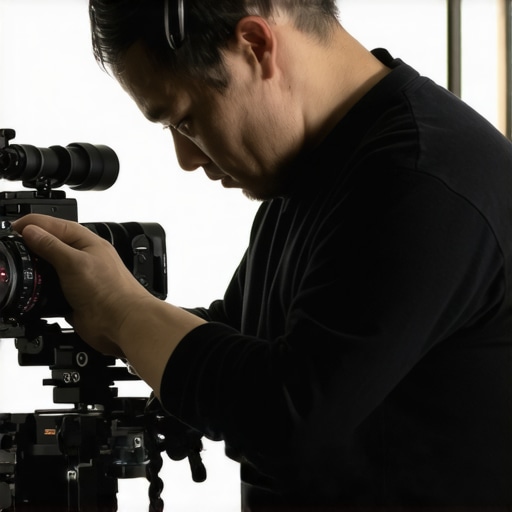
Looking ahead, technological advances suggest smarter maintenance tools, like sensors that monitor wear and predict failures before they happen, as discussed in the latest [creator rig review](https://rigs.creatorrigreviews.com/mastering-camera-rigs-how-to-enhance-your-filming-setup-in-2025). Incorporate these practices and tools into your routine, and you’ll keep your camera setup performing like new for years. For more detailed advice, check out the comprehensive guides on [rig maintenance](https://rigs.creatorrigreviews.com/camera-rigs-support-systems-expert-tips-to-build-your-ideal-filmmaking-setup). Don’t wait—try scheduling a weekly inspection routine tonight to start seeing the benefits.
Looking back, I realize that many of my early filmmaking struggles stemmed from neglecting the importance of a well-designed support system. The moment I prioritized ergonomic comfort and balanced my rig properly, my footage transformed from shaky to cinematic. It’s the subtle details—like the right shoulder support or properly calibrated accessories—that elevate your craft from good to exceptional. Don’t underestimate how these components can unlock your full filming potential and save you countless hours of frustration. Remember, a thoughtfully built rig isn’t just equipment; it’s an extension of your creative vision, empowering you to tell stories with confidence and clarity. So, invest in your support system today, and watch your filmmaking flourish in ways you never imagined.


![How to Balance a 20lb Shoulder Rig Without Back Pain [2026]](https://rigs.creatorrigreviews.com/wp-content/uploads/2026/03/How-to-Balance-a-20lb-Shoulder-Rig-Without-Back-Pain-2026-300x300.jpeg)
Reading this post really struck a chord with me—I’ve definitely been there, lugging around a heavy rig and feeling the fatigue creeping in before even finishing a shoot. Upgrading support gear, especially with ergonomic shoulder supports, made a huge difference in my workflow. I find that proper load distribution and customizing padding to match my body really help me stay focused and steady during long takes.
Interestingly, I noticed that even small adjustments like repositioning counterweights or switching to a top handle can drastically improve control and reduce strain. It’s almost like fine-tuning a musical instrument. For anyone on a budget, do you think investing in a good shoulder support is worth it compared to other accessories? Personally, I believe it’s a foundational step toward professional-quality footage and long-term comfort. Have others experienced similar transformations by optimizing their rig setups? Would love to hear your success stories or tips!
This post really resonates with me because I’ve experienced that moment of realizing my support setup was limiting my creativity. Initially, I thought that just using lightweight cages would suffice, but I quickly learned that the fatigue and instability could severely impact the quality of my footage, especially during longer shoots. Upgrading to a high-quality shoulder support and customizing it to fit my body not only improved my comfort but also made my camera movements smoother and more controlled. I particularly appreciate the emphasis on load distribution and the importance of testing your rig before shooting — those details can make all the difference.
In my experience, ergonomic supports have become an essential part of my filmmaking toolkit, especially for documentary work where I’m on my feet for hours. Have others noticed a significant difference in their shot stability after switching to a tailored support system? It seems like investing in the right support is almost a prerequisite for achieving professional-looking footage, wouldn’t you agree? It’s all about creating a system that feels like a natural extension of your body.