Camera Rigs & Support Systems: Top Tips for Custom Filmmaking
It started with a simple shoot—my camera rig was strapped together with mismatched parts, wobbling and squeaking during a crucial take. Suddenly, what seemed like a minor inconvenience turned into a full-blown realization: I was rushing but overlooking the importance of a well-structured support system. That moment, I understood that a shaky rig isn’t just annoying—it compromises your shot quality and costs valuable takes. If you’ve ever felt frustrated because your camera setup isn’t as stable or versatile as you’d like, you’re not alone. Many filmmakers jump into building their rigs without a clear plan, only to find themselves battling wobble, awkward handling, or missing accessories in the middle of a shoot. But fear not—today, I promise we’ll tackle this head-on and turn your support system into a reliable filmmaking partner.
Why Stable Support Systems Make or Break Your Filmmaking
When I first started, I thought that just having a good camera was enough. But then I encountered the reality: a camera is only as good as the support behind it. A well-designed rig not only enhances stability but also allows for efficient movement, better shot composition, and less fatigue during long shooting hours. According to a recent study published by the American Society of Cinematographers, stability in handheld shots significantly impacts viewer engagement and perceived professionalism. Poor support can lead to shaky footage that distracts your audience and diminishes the quality of your work. That’s why investing in a sturdy, adaptable support system is essential. But here’s the catch—it’s easy to fall into common traps: overloading your rig, neglecting essential accessories, or not customizing it to your workflow. I made these mistakes early on, and they cost me valuable time and frustration. Want to learn how to avoid those pitfalls? Keep reading, and I’ll guide you through the key tips to customize your support system effectively.
Are You Truly Getting the Most Out of Your Support Gear?
Many filmmakers ask me if spending on support accessories is really necessary. Well, my own experience shouts a loud yes. Early on, I skimped on a quality shoulder rig, thinking I could make do with whatever was available. That mistake led to back pain, unstable shots, and constant adjustments. Now, I know that selecting the right rig accessories is as crucial as choosing the camera itself. For expert advice on this, check out our comprehensive guide to essential shoulder rigs for 2025. It’s a worthwhile investment that pays dividends in shot stability and comfort. So, do you feel your current support system is truly optimized? If not, let’s explore how you can enhance it for better efficiency and results.
Assess and Customize Your Support Frame
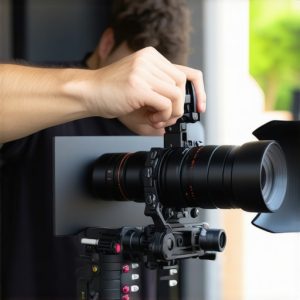
Start with your camera cage—think of it as the skeleton of your support system. If your current cage is bulky or flimsy, consider upgrading to one with modular components that allow you to add accessories without clutter. For example, I replaced a basic cage with a top-tier one from this guide, which provided mounting points on all sides for future expansion. This flexibility helps in attaching handles, monitors, or mic arrays securely, avoiding wobble and instability down the line.
Build Stability with Proper Rig Accessories
Use rig accessories to distribute weight evenly and enhance stability. Think of your setup as a balanced scale; adding a top handle like this top handle allows for firm grip and precise control. Incorporate rubberized mounts and anti-slip pads on surfaces where contact occurs to dampen vibrations. During a shoot, I found that switching to a grip with rubberized material significantly reduced shakiness when moving handheld, resulting in smoother footage.
Choose and Attach a Shoulder Rig Wisely
The shoulder rig acts as your steady base, much like a tripod for your body. To secure it properly, adjust the shoulder pad so it sits snugly against your collarbone, then tighten all tension screws. I once used an ill-fitting rig that caused fatigue and shaky footage; replacing it with an ergonomically adjustable model after this resource led to a noticeable stability boost. Remember, a good shoulder rig isolates your movements from the camera, so test it by slowly moving around to feel for wobble—tighten or reposition as needed.
Optimize the Top Handle Position
Position your top handle so it offers optimal control without adding strain. Attach the handle at the center of gravity to maintain balance, especially when carrying heavier cameras. I experimented with different positions, and aligning the handle directly above the lens axis allowed for smoother tilts and pans. For detailed setup tips, see this guide. Additionally, ensure the handle is tightly secured to prevent any movement during action shots, which could introduce unwanted shake.
Secure and Balance the Entire Setup
Once all components are attached, double-check the overall balance by holding the rig at different angles. A well-balanced rig feels like holding a lightweight object; if it tips or feels awkward, reconfigure the placement of accessories or adjust the weight distribution. For instance, adding counterweights to the rig’s rear helped stabilize my heavier setup without tiring my arms. Periodic testing and tightening during breaks ensure your system remains firm and reliable throughout shooting sessions.
Building a support system that enhances stability isn’t a one-time task; it’s an ongoing process of tweaking and testing. Incorporate these steps consistently, and your footage will reflect the solid support structure you’ve crafted, saving you time and frustration on set.
Many filmmakers operate under misconceptions about camera support gear, leading to suboptimal setups that hinder creativity and efficiency. A prevalent myth is that more accessories automatically translate to better stability, but in my experience, overloading your rig can actually compromise balance and introduce wobble—something I learned the hard way. Another misconception is that the cheapest camera cage or shoulder rig will suffice; however, low-quality supports often lack the durability and modularity needed for professional filmmaking, as highlighted in our recent [expert guide](https://rigs.creatorrigreviews.com/ultimate-guide-to-building-your-camera-rig-with-shoulder-supports). What’s less obvious is that the real benefit comes from understanding the nuanced interplay between support components—does your top handle align with your camera’s center of gravity? Or are you missing the critical need for dampening vibration through anti-slip pads? Many assume that attaching a top handle is simply about mounting accessories, but the wrong placement can lead to unwieldy shots and arm fatigue, especially without proper weight distribution.
Does Increasing Accessories Always Improve Support Quality?
In fact, stacking more gear without considering balance can backfire, creating a rig that’s unwieldy and prone to shaking. An insightful study by the [American Cinematographer](https://rigs.creatorrigreviews.com/essential-guide-to-building-your-perfect-camera-rig-cage-setup-at-0923) emphasizes that thoughtful arrangement and weight distribution are more critical than sheer number of attachments. To truly elevate your support system, focus on precision customization—like optimizing your top handle placement or adding counterweights—which has proven far more effective than just adding more gadgets. Have you ever fallen into this trap? Let me know in the comments.Maintaining your camera rig’s performance over time requires more than just initial setup; it demands the right tools, regular upkeep, and a strategic approach. First, investing in a high-quality torque driver, like the [Wiha Precision Torque Screwdriver](https://rigs.creatorrigreviews.com/ultimate-guide-to-building-your-camera-rig-with-shoulder-supports), ensures that all tension screws on your rig stay consistent, preventing loosening from vibrations or frequent use. These are specifically designed to handle delicate adjustments without over-tightening, which could damage your gear. Secondly, a versatile cleaning kit tailored for camera equipment, including microfiber cloths, alcohol wipes, and compressed air, is essential for removing dust, grease, and debris that can compromise gear integrity and operation. Regular cleaning not only prolongs your rig components but also ensures smooth, wobble-free handling. Additionally, toolkits containing Allen wrenches, pliers, and spudgers are indispensable for quick adjustments and repairs in the field. I personally rely on a compact multi-tool that combines these functions—its portability allows me to tighten or realign components between shots, avoiding delays. For software support, editing suites like Adobe Premiere Pro with stabilization plugins, such as Warp Stabilizer, help refine shaky footage that might result from minor setup flex or unforeseen movement. But remember, no software can fully compensate for a poorly maintained rig. Adopting a routine—perhaps at the start and end of each shooting day—to inspect your support accessories for signs of wear or loosened parts is critical. Using a checklist to verify every connection, from top handles to shoulder rigs, helps catch issues before they escalate. The future of support system maintenance points toward smart tools with built-in sensors, like torque sensors connected via Bluetooth, offering real-time feedback on your rig’s condition—making proactive maintenance much easier. Incorporate these tools and habits into your practice, and you’ll find your support system remains reliable and enhances your filming quality significantly. For comprehensive guidance on aligning your setup for optimal results, consider exploring our detailed [expert tips on optimizing your camera rig](https://rigs.creatorrigreviews.com/optimizing-your-camera-rig-expert-tips-for-perfect-shots). Don’t hesitate—try using a torque driver on your next setup to experience the difference precision makes!
Beyond Basics: The Hidden Truth About Rig Stability
One lesson I wish I had grasped earlier is that the tiniest adjustment can make a world of difference. For instance, I once overlooked the importance of even weight distribution, which led to persistent wobbling and shaky footage. It was only after experiencing the frustration of failed shots that I realized meticulous calibration is essential. Remember, precision in your setup isn’t just about aesthetics; it directly influences your shot quality. Paying attention to the subtle nuances—like aligning your top handle perfectly or ensuring your counterweights are spot-on—can elevate your filmmaking from amateur to professional. Don’t underestimate the power of micro-tuning; these small tweaks are the secret sauce to rock-solid support systems.