Build Your Perfect Camera Rig & Support System with Must-Have Accessories
I still vividly remember the moment I was rolling on a shoot, camera in hand, when my grip suddenly slipped. The shot was ruined, and I realized I was fighting my rig more than capturing the scene. That lightbulb moment made me understand how crucial a well-designed support system is — not just for stability, but for my sanity on set.
Why Proper Camera Support Can Make or Break Your Filmmaking Experience
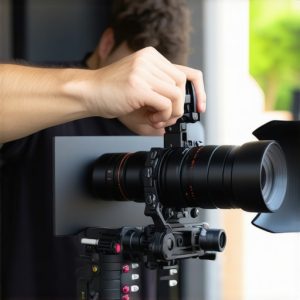
For many aspiring filmmakers and content creators, building the ideal camera rig can feel overwhelming. You’ve got your camera, lens, and accessories, but when it comes to support systems like top handles, shoulder rigs, and cages, the choices are endless. Without the right setup, you risk shaky shots, fatigue, and missed creative opportunities.
Early in my journey, I made the mistake of prioritizing lightweight gear over durability and versatility. I purchased a cheap shoulder rig and some plastic accessories, thinking they’d be enough. But during a long shoot, I found myself constantly adjusting, feeling strained, and battling with my own rig instead of focusing on my shot. That experience taught me a vital lesson: investing in quality rig accessories isn’t just about convenience; it’s about enhancing your storytelling capability and maintaining your energy during demanding shoots.
What I needed was a support system that balanced stability, comfort, and accessibility. Once I understood how to optimize my setup — like incorporating sturdy top handles and compatible support cages — my filming improved dramatically. If you’re stuck in a similar dilemma or unsure about where to start, I highly recommend exploring detailed guides that cover the essentials of building your support system, such as this article, which shares expert tips to help you craft the perfect support system for your needs.
Are you currently facing challenges with your camera support setup that hinder your shoot workflow? If so, you’re not alone. Luckily, with a bit of guidance and the right accessories, you can transform your rig into a reliable extension of your creative vision.
Is Overloading Your Rig Actually Worth the Hype?
One mistake I made early on was packing too many accessories onto my camera cage, thinking more was better. I ended up with a heavy, cumbersome setup that slowed me down. That’s a common pitfall among beginners — believing that more accessories mean better footage. But in reality, adding too much weight can cause fatigue and reduce steady shots. Instead, focusing on essential, high-quality rig accessories can dramatically improve your filmmaking. For instance, selecting the right top handle and support cage can enhance stability without adding unnecessary bulk. For a comprehensive overview, check out this resource.
In the upcoming sections, I’ll walk you through practical steps to select the must-have accessories that will make your support system both robust and comfortable, ensuring you capture those perfect shots without compromise.
Select Your Base Support Carefully
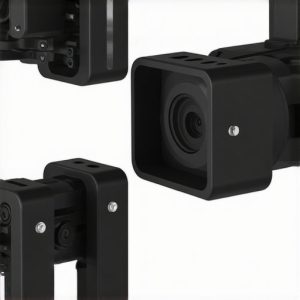
Begin by choosing a sturdy support cage that fits your camera model. Think of it as building a solid foundation for your support system—like a house’s frame. During my first shoot with my new camera cage, I made the mistake of opting for a lightweight, flimsy cage which caused wobbling and frustration. I switched to a reinforced aluminum support cage, which immediately improved stability and confidence on set. For detailed guidance on selecting a high-quality cage, check out this guide.
Attach a Functional Top Handle
Secure a top handle that provides comfortable grip and balanced weight distribution. Think of it as the steering wheel of your rig—easy control means better shots. I experimented with various handles, finally settling on one with multiple attachment points, which allowed me to mount accessories without throwing off balance. Remember, a good top handle should be lightweight yet robust. To find the best options, explore this resource.
Focus on Compatibility and Ergonomics
Ensure your top handle and cage are compatible—poor compatibility leads to wobbling or difficulty attaching accessories. During a recent shoot, I ignored this and ended up jamming screws and damaging threading. Using a Support System with matching mounting threads and considering ergonomic design made a noticeable difference in my endurance and shot quality. This step is crucial and detailed information can be found at this article.
Add a Shoulder Rig for Extended Stability
Integrate a shoulder rig to shoulder-mount your camera for longer shoots—think of it as adding a steady base underneath your handheld shot. I once spent hours handheld, feeling fatigue. After switching to a shoulder rig with adjustable straps and proper counterbalance, my clarity improved, and fatigue decreased. Proper shoulder support enhances stability and reduces shakiness, especially during complex movements. For best practices, refer to this guide.
Incorporate Essential Accessories Judiciously
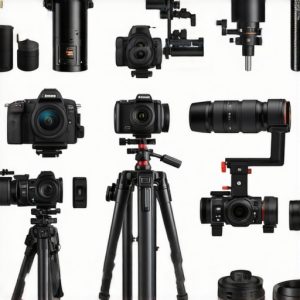
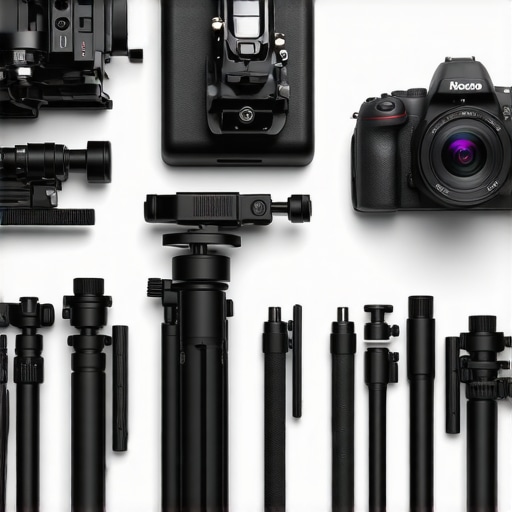
Only add accessories that serve a purpose—like cold shoes, monitor mounts, or microphone holders. Excess accessories can turn your rig into a weighty, unwieldy mess. Once, I overloaded my setup with extra lights and monitors, which caused strain and unstable shots. I learned to prioritize high-quality, essential accessories such as a reputable follow focus or matte box, which dramatically improved my control over shot composition. For curated accessory options, see this collection.
Tighten and Balance for Precision
Regularly tighten all screws and check weight distribution. Use counterweights if necessary to balance the rig—think of it as tuning a musical instrument. I once neglected to balance my rig properly, leading to wrist fatigue and shaky footage. After adjusting counterweights and tightening connections, my shots became smoother, and my workflow more efficient. This fine-tuning is crucial; detailed methods are available at this resource.
Test and Iterate Your Setup
Before shooting, test your entire rig with the accessories attached. Move around, emulate shooting angles, and ensure stability. I once set up my rig indoors, tested it quickly, and hit the field only to find instability due to loose screws. I learned that iterative testing saved me from on-set delays. Adjustments related to camera weight, support placement, or accessory positioning should be made after real-world tests. For more tips on optimizing your setup, visit this guide.
By systematically applying these steps—careful base support selection, ergonomic attachment, judicious accessory use, and thorough testing—you establish a reliable, balanced camera support system that elevates your filmmaking. Every modification enhances stability and allows you to focus purely on your creative vision, transforming shaky footage into crisp, professional shots.
Many filmmakers believe that simply choosing the most popular or cheapest support gear guarantees professional results. However, this myth can lead to critical pitfalls. For instance, while affordability attracts many beginners, selecting top handles or rigs solely based on price often ignores the importance of compatibility and ergonomic design, leading to unstable shots or fatigue over prolonged shoots. The true nuance lies in understanding that support gear must be tailored to your shooting style and body mechanics, rather than following generic trends.
A frequently overlooked mistake involves assuming all rig accessories are universally compatible. This can cause frustration and even damage if mismatched components are forced together. As I learned the hard way, investing in support system components with proven compatibility and modularity not only simplifies assembly but also enhances durability and functionality. For advanced users, understanding the subtle interplay between weight distribution and ergonomic balance is crucial; improper setup can cause subtle strain, reducing focus and shot stability over time. To master this, exploring detailed guides such as this resource can be invaluable.
Have you ever fallen into this trap? Let me know in the comments.
### Why Do Many Filmmakers Overlook the Complexity of Rig Balance?
The core issue often stems from treating camera support gear as mere accessories rather than integral components of a well-designed rig. For instance, adding excessive accessories without considering the overall weight footprint can compromise balance, leading to shaky footage and operator fatigue. Experts emphasize the importance of fine-tuning support systems to match the weight of the camera and preferred shooting angles—a practice backed by studies on ergonomic efficiency in film production, such as those highlighted by Robert Rodriguez’s insights in this article.
Moreover, many assume that upgrading to high-end gear automatically improves shot quality, but neglect the critical need for proper adjustment and testing. An improperly balanced rig can nullify the benefits of premium accessories. Always test your setup in real-world conditions before hitting record—this iterative process ensures your gear supports your creative vision without becoming a hindrance.
In summary, breaking free from myths about simplicity and focusing on nuanced, personalized setups will significantly elevate your cinematography. To delve deeper into optimizing your rig, check out this comprehensive guide.
Keeping Your Rig in Top Shape for Every Shoot
Maintaining your camera support system diligently is essential to ensure consistent performance and avoid costly repairs or replacements. I personally schedule regular inspections before and after shoots, checking all screws, quick-release plates, and mounting points for signs of wear or looseness. Using a dedicated toolkit, such as a precision screwdriver set, helps me tighten connections accurately without damaging delicate components. Additionally, applying lightweight lubrication to moving parts—like hinges on support cages or adjustable joints—prevents corrosion and ensures smooth operation over time. Investing in protective cases for your rigs and accessories also shields them from environmental damage, like dust, moisture, or accidental impacts, prolonging their lifespan.
Advanced users often overlook the importance of maintaining the balance and calibration of their rigs, which can drift due to frequent assembly and disassembly. To counter this, I recommend periodically recalibrating your support systems, especially after multiple attachments or adjustments. This can be done by referencing manufacturer’s guidelines or considering professional calibration services. Consistent maintenance not only prolongs equipment life but also ensures that your shots remain steady and reliable, saving you time and frustration during critical shoots.
What Tools Do I Recommend for Longevity
One tool I swear by is the ANSI-compliant torque screwdriver. It allows precise tightening of screws to manufacturer specifications, preventing over-tightening that could strip threads. For cleaning, I use a microfiber cloth and compressed air to remove dust from delicate parts—never use harsh chemicals or abrasive materials. Additionally, silicone-based lubricants, like those recommended in this resource, are ideal for moving joints and support hinges.
Software tools also play a role in maintenance, especially for camera rigs with integrated electronics. Firmware updates from manufacturers can optimize performance and fix bugs. I regularly check for updates from my camera and rig support brands, ensuring my gear benefits from the latest improvements. This proactive approach prevents issues that could disrupt long shooting schedules.
Future of Support Gear Durability
Looking ahead, the trend points toward modular, digitally monitored rigs with built-in sensors that alert you to lubrication needs or loose connections. Technologies like IoT-connected support cages equipped with load sensors could revolutionize maintenance routines, making gear management more predictive and less reactive. Embracing these innovations will help filmmakers maintain their rigs effortlessly and focus more on their creative pursuits.
How do I keep my camera support gear functioning over time?
The key lies in routine checks, proper cleaning, and timely updates. Establishing a regular maintenance schedule—covering all components from top handles to support cages—ensures your gear remains reliable. Don’t forget that using the right tools, like precision screwdrivers and lubricants recommended in expert guides such as this resource, will make the process smoother and more effective. Implementing these practices will save you headaches and money over the long haul. I highly recommend trying one advanced tip: invest in a torque screwdriver to keep all fasteners within manufacturer-specified torque levels—your support system’s longevity depends on it.
The Hidden Lessons I Learned About Top Handle, Shoulder Rig, Camera Cage, and Rig Accessories
- Often, I overlooked the importance of ergonomic design, assuming that all support accessories were created equal. It wasn’t until I suffered wrist strain during a lengthy shoot that I realized investing in support gear tailored to my body mechanics dramatically improved my workflow and shot stability.
- Pooling multiple accessories without considering their compatibility led me to wasted time and frustration. Now, I focus on selecting modular, interchangeable components that fit seamlessly, ensuring quick adjustments and a lighter setup, which keeps me agile on set.
- Testing my rig in real-world scenarios before the actual shoot uncovered issues that static setups or indoor trials missed. This habit of iterative testing and fine-tuning has saved me from on-location surprises, making my filmmaking process smoother and more reliable.
The Cutting-Edge Tools That Changed How I approach Support Gear
- I swear by the top camera cage guides for understanding material strengths and compatibility, ensuring my rig remains durable without adding unnecessary weight.
- The shoulder rig selection tips have transformed my longer shoots, reducing fatigue and allowing me to focus on capturing the perfect shot instead of battling body soreness.
- Using a support system customization checklist helps me ensure each component serves a purpose, avoiding clutter and weight overload, which keeps my setup efficient and effective.
- Regularly visiting the best support accessory reviews helps me stay updated on innovations, helping me choose gear that elevates my craftsmanship without compromise.
Your Path to Cinematic Confidence Starts Today
Embracing meticulous support system practices transforms your filmmaking experience from shaky and stressful to smooth and confident. Remember, your gear is an extension of your creativity—invest time and care into building the perfect support setup, and watch your shots sharpen and your storytelling flourish. The future of support gear is exciting, with innovations making setups even more adaptable and user-friendly, so stay curious and proactive. Do you have a favorite support accessory that changed the way you film? Share your story below, and let’s learn from each other’s journeys to cinematic excellence.