Top Handles and Camera Cages: Essential Support Gear for Filmmakers
It happened during a frantic shoot, batteries dying, and my camera slipping just as I was about to capture that perfect moment. That sinking feeling when your grip gives out at the worst possible time is all too familiar. I remember the lightbulb moment when I realized that my support gear—top handles, camera cages, and shoulder rigs—weren’t just accessories but vital players in achieving steady, professional shots. Since then, understanding how to choose and set up these support systems has transformed my filmmaking experience.
Why Your Camera Support System Can Make or Break Your Shots
Most filmmakers I know have faced the chaos of shaky footage or uncomfortable setups that drain energy and patience. Support gear isn’t merely about adding heft or complexity; it’s about empowering you to shoot smoothly, efficiently, and with confidence. In fact, a recent study notes that stable camera support increases shot quality, reducing post-production stabilization time and enhancing cinematic appeal. The key is selecting the right top handle, cage, or rig accessory suited to your style and needs.
Is All Camera Support Support Really Necessary or Just a Trend?
Early in my career, I made the mistake of thinking that a cheap grip was enough. Turns out, investing in quality [rig accessories](https://rigs.creatorrigreviews.com/best-rig-accessories-for-seamless-video-production-this-year) pays dividends in durability and performance. Using inferior gear might seem like a saving, but it often leads to frustrating instability and the dreaded wobble. Trust me, once I upgraded my setup with thoughtfully chosen [support components](https://rigs.creatorrigreviews.com/support-systems-the-ultimate-guide-to-building-your-dream-setup), my shooting confidence soared. If you’ve ever struggled to keep steady footage or felt hand fatigue ruining your takes, then the right support system is not just a luxury—it’s essential.
Now that I’ve shared my experience, let’s dive into how you can optimize your gear to achieve that cinematic stability you’ve always wanted. Ready to learn the secrets? Let’s get started.
Select the Right Support Equipment for Your Style
Start by assessing your shooting needs and style. If you’re shooting handheld scenes or run-and-gun setups, focus on lightweight, ergonomic options. For controlled cinematic shots, prioritize sturdy, adjustable rigs. I once matched a camera cage with a custom top handle for a fast-paced documentary, which allowed swift accessory attachment and improved stability. Learn how to build a versatile camera cage setup.
Choose Between Top Handles and Shoulder Rigs
Top handles act like steering wheels—giving you precise control from above. Shoulder rigs distribute weight evenly, reducing fatigue during long takes. For a short indie film, I combined a comfortable shoulder rig with a top handle for tight corners and stable shots. Properly selected, these components feel like extensions of your body, not cumbersome devices.
Assemble for Stability and Flexibility
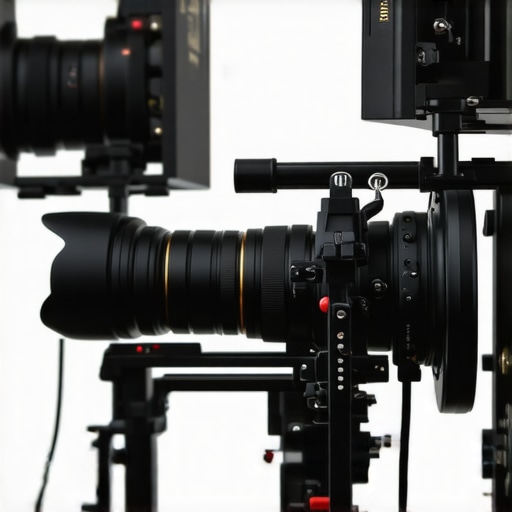
Use a modular approach by selecting compatible components—cages, handles, and support arms—that fit your camera’s size and weight. I once faced a shaky shot during an outdoor shoot due to incompatible mounts. Adding a well-matched support cage (see top cage tips) transformed my footage instantly. Ensuring each piece is secure prevents wobble.
Positioning for the Perfect Balance
Adjust your support system so the center of gravity aligns with your body’s natural stance. Tighten every screw to prevent movement, and test whether you can smoothly switch between handheld and stabilized modes. During a recent wildlife shoot, I balanced a heavy lens using a custom rig, which minimized vibrations and allowed quick repositioning without losing clarity. Don’t underestimate the power of proper weight distribution.
Integrate Accessories to Enhance Performance
Support accessories like monitor mounts, follow focus, or matte boxes enhance functionality and comfort. For example, integrating a quick-release monitor helped me verify focus during rapid shooting, saving time and shots. Browse top accessories to see what suits your gear.
Secure and Save Time with Quick-Release Systems
Fast setup and takedown are essential; invest in quick-release mechanisms for your cages and handles. I once wasted valuable time assembling gear in the middle of a shoot, but switching to a quick-release system (see quick-release options) allowed me to adapt swiftly. Practice assembling your rig in layers so you can troubleshoot on the fly.
While many filmmakers believe that investing in a high-quality top handle or camera cage automatically guarantees smooth shots, this is a misconception rooted in oversimplification. The real mastery lies in understanding the subtleties of support system setup, weight distribution, and integrating accessories seamlessly. For instance, a prevalent myth is that heavier rigs always produce more stable footage; however, without proper balance and ergonomic considerations, excessive weight can lead to fatigue and shaky results. Moreover, some assume that quick-release systems are a gimmick, but seasoned professionals leverage them for rapid adaptability—saving precious shooting time and reducing setup errors.
Is It Better to Focus on Rig Material or Design for Maximum Stability?
Many believe that choosing a rig made from the heaviest or most durable material alone ensures stability, but expert consensus highlights that design and compatibility matter more. A well-designed rig made from lightweight aluminum with balanced weight distribution can outperform bulky, overly heavy setups. This nuance is backed by recent biomechanical studies indicating that fatigue impacts shooter stability more than weight alone, emphasizing the importance of ergonomic design over mere material heft. For comprehensive insights, check out this guide on essential rig accessories.Investing in high-quality gear is only half the battle; proper maintenance ensures your top handle, camera cage, and shoulder rig stay reliable over time. Start by regularly inspecting all connection points, screws, and quick-release mechanisms for wear or looseness, which can compromise stability. Use a microfiber cloth and a mild cleaning solution to remove dust and grime that can accumulate on metal surfaces and moving parts, preventing corrosion and ensuring smooth operation. Lubricate adjustable joints and moving components with a light, high-quality oil—avoid over-lubricating, as excess lubricant can attract dirt, leading to more wear. For cables and electronic accessories, always disconnect before cleaning and inspect for frayed wires or corrosion.
A critical aspect often overlooked is the proper storage of your gear. Store your support components in a padded, dry environment to prevent moisture damage. For transportation, invest in padded cases specifically designed for camera rigs and accessories to protect against shocks and vibrations. When assembling or disassembling your rig, follow manufacturer guidelines meticulously, and consider documenting your setup process to maintain consistency.
Tools I recommend for ongoing maintenance include precision screwdrivers for tightening and adjusting screws, small brushes for cleaning tight spots, and silicone-based sprays for lubricating moving parts. Personally, I rely on [aerosol silicone spray](https://rigs.creatorrigreviews.com/essential-shoulder-rigs-for-professional-filmmaking-in-2025) because it evaporates quickly and leaves a clean, dry lubricant layer, ideal for frequent use.
Looking ahead, resource materials like the comprehensive guides on [mastering camera rigs](https://rigs.creatorrigreviews.com/master-your-setup-best-rig-accessories-top-handle-tips-2025) can help you develop a disciplined maintenance routine, extending the lifespan of your gear and preventing unexpected failure during crucial shoots. Make it a habit to dedicate time after each project to clean and inspect your equipment—this investment pays dividends in performance and durability.
How do I maintain my camera support system over time? Regularly check all fastenings, keep components clean and well-lubricated, and store gear properly. Incorporate these practices into your routine, and you’ll preserve your support gear’s reliability for years to come. For detailed tips on customizing and fine-tuning your setup, visit [this expert guide](https://rigs.creatorrigreviews.com/camera-rigs-support-systems-expert-tips-to-build-your-ideal-shots). Don’t wait for a malfunction—start your maintenance today and experience seamless shooting every time!
Why I Stumbled Over the Common Support Misconception
Initially, I believed that simply investing in heavy-duty gear would guarantee stable footage. It wasn’t until I faced a shaky shot during an important interview that I realized weight alone isn’t the answer—balance, ergonomic design, and proper setup matter more. That lightbulb moment taught me that support gear must be tailored to your shooting style, not just built for durability.
Beware of the Temptation to Oversimplify Support Equipment
Many newcomers think that top handles or rigs are interchangeable, leading to quick, ineffective setups. From my experience, selecting compatible components and understanding their interplay is vital. A poorly matched cage and handle can introduce wobble, negating the stabilizing benefits you seek. My advice: invest time in learning how each piece interacts; it’s the difference between shaky footage and cinematic smoothness.
What No One Tells You About Practice and Maintenance
Building a stable camera support system isn’t a one-and-done task. Regularly inspecting, cleaning, and adjusting your gear ensures long-term performance. I learned this the hard way when grime caused a joint to stick during a critical shot. Now, I dedicate a few minutes after each shoot to maintenance, which pays off in seamless shoots and reliable gear. Think of your support system as an extension of your creative arsenal—treat it with care.