Ultimate Guide to Camera Cages & Top Handles for Filmmaking Success in 2024
I remember the first time I tried to shoot a dynamic scene with my camera mounted on a shaky, makeshift rig. The result? Unsteady shots, a sore back, and hours of frustration. It hit me then—without the right support gear, even the most talented filmmaker is fighting an uphill battle. Over time, I learned that investing in quality camera cages and top handles isn’t just about convenience; it’s about elevating your entire filmmaking game.
Why Your Filmmaking Setup Might Be Holding You Back
If you’ve ever felt like your footage just isn’t as smooth or professional as you want, you’re not alone. The truth is, much of what separates amateur from pro lies in the support equipment we choose. A well-designed camera cage and ergonomic top handles can transform awkward, shaky shots into fluid, cinematic movements. But here’s the thing: not all gear is created equal. The market is flooded with options, and picking the wrong one can be a costly mistake.
Is Overhyped Gear Actually Worth It?
Early in my journey, I bought a popular rig accessory based on hype alone. It looked flashy but lacked durability and comfort. I learned the hard way that investing in quality, proven support systems—like those reviewed in our comprehensive Ultimate Guide to Camera Cages & Rig Accessories—makes all the difference. And trust me, your future self will thank you for making informed choices rather than chasing trends.
In this guide, I’ll walk you through the essentials of selecting the right camera cages and top handles for 2024. Whether you’re a seasoned pro or just starting out, understanding the nuances can save you time, money, and a lot of headaches. Ready to build a support system that truly elevates your filmmaking? Let’s dive in.
Assess Your Shooting Style and Needs
Start by analyzing the types of shots you most frequently shoot. Do you need smooth handheld footage, static shots, or dynamic movements? For instance, I once aimed to shoot a fast-paced chase scene, which required a sturdy support system to keep shots steady during rapid movements. Identifying your specific requirements helps in selecting the right gear, such as a versatile shoulder rig or a lightweight cage.
Choose the Correct Camera Cage and Top Handles
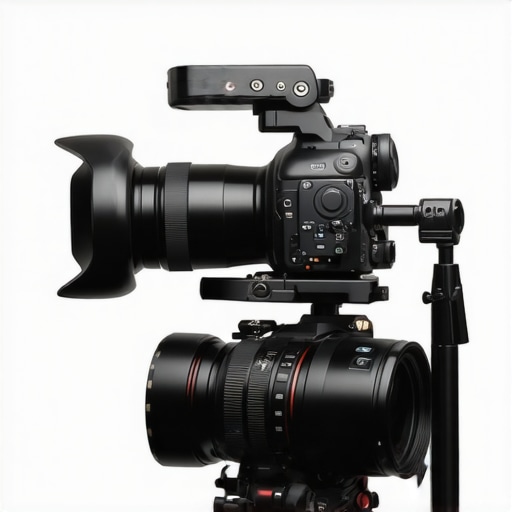
Pick a camera cage that fits your camera model perfectly. Ensure it offers multiple mounting points for accessories and is made from durable materials. When selecting top handles, prioritize ergonomics—look for handles with comfortable grip surfaces and adjustable positions to suit different shooting angles. I once replaced a generic handle with an ergonomic one from a trusted brand, which immediately improved my stability and comfort during long shoots. For innovative options, check out top handle accessories.
Optimize Your Rig Assembly
Assemble your rig systematically: attach the cage to your camera, secure the top handles, and add accessories like monitors or microphones as needed. Use quick-release plates for easy adjustments and ensure all screws are tight to prevent wobbling. I once struggled with a loose handle during a shoot, causing shaky footage, but after tightening all connections, my shots became noticeably steadier. For detailed setup techniques, visit rig optimization tips.
Balance and Test Your Setup
Balance is key. Distribute weight evenly across the rig to avoid fatigue and improve handling. Test your setup by simulating typical shots—walk, run, or tilt—and observe stability. Adjust the positioning of handles and accessories accordingly. I once added a heavier monitor on one side, which threw off the balance, so I repositioned it closer to the center, resulting in more controlled movements. For comprehensive balancing techniques, see rig balancing advice.
Practice and Fine-Tune
Continuous practice helps you get comfortable with your support system. Record test footage, review for shakiness, and adjust your grip, handle positions, or accessory placements. Over time, small tweaks lead to big improvements. I remember spending an afternoon fine-tuning my setup, which ultimately made my cinematic shots smoother and more professional. For more expert insights, explore support system optimization.
Many filmmakers assume that investing in high-end camera cages and top handles automatically guarantees perfect shots. However, even seasoned professionals fall into nuanced traps that can undermine their setup’s effectiveness. Let’s dig deeper into what most people get wrong about camera support systems and how to sidestep these pitfalls to elevate your filmmaking game.
Why Overconfidence in Support Gear Can Backfire
One widespread myth is that a robust support system will compensate for poor technique. While quality gear provides stability, relying solely on it without mastering proper handling can lead to shaky footage. For example, a heavy, well-built cage won’t prevent your hand from trembling if your stance is off. The key is integrating good technique with your support gear—think of it as a symbiotic relationship. Remember, even the best equipment can’t fix fundamental filming mistakes, so practice smooth movements and proper weight distribution alongside your gear investments. For advanced tips, visit rig optimization tips.
Common Mistakes in Rig Assembly and Balancing
Another trap is neglecting proper assembly and balance. It’s tempting to quickly attach accessories and start shooting, but an unbalanced rig can cause fatigue and unstable footage. For instance, placing a bulky monitor on one side without balancing the weight can lead to wrist strain and shaky shots over time. Always test your setup by mimicking your typical shooting motions—walk, tilt, and run—and adjust accordingly. Distributing weight evenly across your support system enhances stability and reduces fatigue. For detailed assembly strategies, check out rig balancing advice.
Are Cheap Accessories Ever Worth It?
Many beginners fall into the trap of buying cheap, generic accessories that promise compatibility but lack durability. These low-quality parts may seem like a cost-saving measure initially, but they often fail during critical moments, risking damage to your equipment or ruining a shot. Investing in reputable accessories designed specifically for your camera model ensures longevity and reliability. For example, a well-designed top handle with ergonomic grips not only feels better but also provides better control. When selecting accessories, prioritize quality over price and consult trusted reviews, such as those in our ultimate guide.
Have you ever fallen into this trap? Let me know in the comments. Remember, the devil is in the details—mastering support systems involves understanding these nuances to truly improve your footage quality.
Maintaining your camera support system is crucial for ensuring consistent, high-quality footage over time. I’ve learned from years of experience that even the most robust rigs require regular checkups and a few trusted tools to stay reliable. Investing in quality maintenance practices not only prolongs the lifespan of your gear but also saves you time and money during critical shoots.
How Do I Maintain My Rig Over Time
The first step is establishing a routine inspection schedule. After each shoot, I carefully wipe down all components with a soft, lint-free cloth to remove dust, sweat, and grease. This simple habit prevents buildup that can cause corrosion or wear. I also check all screws and mounting points, tightening any that have loosened—particularly after transporting gear over rough terrain. For precision, I use a small hex key set (preferably one designed for camera gear) to ensure all fasteners are secure without over-tightening, which can damage threads.
Next, I examine the integrity of the support materials. For example, rubber grips on top handles tend to wear out faster; replacing them before they crack is essential for safe handling. For cage frames made of aluminum or magnesium, I inspect for any dents or bends that could compromise stability. When in doubt, I consult the privacy policy to understand warranty and repair options from manufacturers.
Tools I Recommend for Long-Term Care
My go-to toolkit includes a high-quality precision screwdriver set tailored for camera and support gear. I prefer models with magnetic tips to hold small screws securely, reducing the risk of losing parts during maintenance. Additionally, a clean, microfiber cloth is indispensable for routine cleaning, and a small brush helps remove stubborn dust from crevices. For deeper inspections, I use a flashlight with adjustable focus to illuminate hard-to-see areas, ensuring no dirt or damage goes unnoticed.
To keep my gear organized, I rely on a durable rig bag with compartments. This helps me quickly access tools and parts when needed, especially during on-location shoots.
Preparing Your Support System for Future Trends
Looking ahead, I believe smart maintenance tools—like digital torque wrenches and RFID-tagged components—will become standard. These innovations will allow filmmakers to monitor wear and tear remotely, scheduling proactive repairs before failures occur. Staying updated with the latest support accessories and techniques, as outlined in our mastering camera rigs guide, ensures your setup remains cutting-edge.
My biggest tip? Incorporate a quick weekly check-in routine and always use the recommended tools for your support gear. Doing so guarantees your equipment will perform flawlessly when it matters most. So, grab that precision screwdriver, keep your cloths handy, and give your rig the love it deserves—your future self will thank you.
The Hardest Lesson I Learned About Camera Support Systems
One of the most eye-opening realizations in my filmmaking journey was understanding that even the most advanced camera gear cannot compensate for poorly designed support setups. I once relied solely on high-end cages, only to discover that improper assembly and unbalanced rigs led to shaky footage and fatigue. The lesson? Precision in assembly and ongoing maintenance are just as vital as choosing quality equipment.
Why Proper Rig Assembly Transforms Your Shots
During a critical shoot, I overlooked the importance of systematic assembly. The result was a rig that wobbled during movement, ruining a scene I had envisioned for days. Once I adopted a methodical approach—tightening screws, balancing accessories, and testing motions—my footage gained a level of stability I never thought possible. This taught me that every connection and placement counts, and it’s worth investing time into perfecting your setup.
The Power of Routine Checks for Long-Term Success
Over time, I realized that regular maintenance prevented costly repairs and unexpected failures. Simple habits like wiping down components, checking screw tightness, and inspecting wear points kept my rigs performing at their best. These small, consistent efforts are a game-changer, especially during intense shooting schedules where reliability is everything.
Curated Tools That Keep My Support Systems Sharp
My toolkit includes a precision screwdriver set, microfiber cloths, and a small brush for dust removal. I also utilize a durable rig bag with compartments, making it easy to organize and access tools quickly. These items have saved me countless headaches and ensured my gear stays in top condition, ready for any shoot. For a list of trusted maintenance tools, check out best accessories for support gear.
Don’t Wait for Failure—Future-Proof Your Filmmaking Support
Looking ahead, I’m excited about innovations like digital torque wrenches and RFID-tagged components that will revolutionize maintenance. Staying updated with these trends and continuously refining my setup ensures my rigs will meet future demands. My advice? Incorporate regular checks into your routine and stay curious about new tools—your support system will thank you.
Are You Ready to Elevate Your Filmmaking Support System?
Building a reliable, efficient support system isn’t just about equipment; it’s about cultivating habits that safeguard your gear and improve your craft. Take the time to assemble thoughtfully, maintain diligently, and stay informed about innovations. Your shots—and your satisfaction—will reflect the effort you put in.
What’s the biggest challenge you face when setting up or maintaining your camera support system? Let me know in the comments below!

![4 Cooling Cage Mods to Stop 2026 Mirrorless Overheating [Tested]](https://rigs.creatorrigreviews.com/wp-content/uploads/2026/04/4-Cooling-Cage-Mods-to-Stop-2026-Mirrorless-Overheating-Tested-300x300.jpeg)