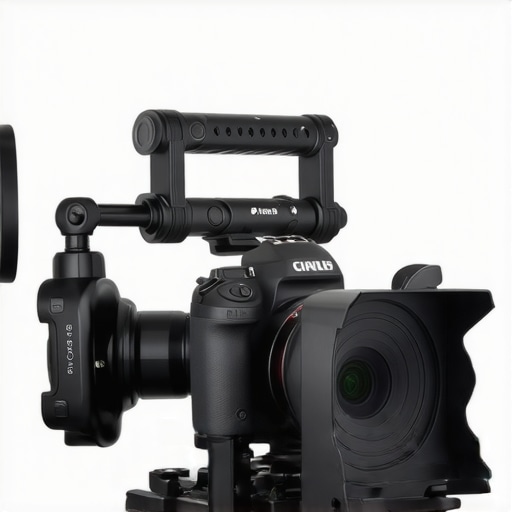
Ultimate Guide to Top Handle & Rig Accessories for Custom Camera Support
Ever been in the middle of a shoot, and your camera rig feels more like a burden than a tool? I’ve been there—struggling with shaky shots, awkward angles, and a rig that just won’t cooperate. It’s frustrating, and honestly, it can kill your creative flow. The lightbulb moment for me was realizing that my gear’s support system wasn’t optimized. A well-chosen top handle and rig accessories can transform your filmmaking experience, making it smoother, more stable, and far more enjoyable.
Why Your Camera Support System Can Make or Break Your Shots
When I first started, I underestimated how much the right accessories could impact my footage. I thought a basic rig was enough—until I faced shaky handheld shots that made my footage unwatchable. That’s when I discovered the importance of customizing my support gear to suit my style and needs. The right top handle, grips, or shoulder rig can provide the stability you need, without sacrificing maneuverability. Plus, they make your setup more ergonomic, reducing fatigue during those long shooting days.
Have You Faced This Problem?
If your camera rig feels clunky or your shots are inconsistent, you’re not alone. Many filmmakers make the mistake of sticking with generic gear that doesn’t support their workflow. Early on, I bought a one-size-fits-all rig, thinking it would do the job. Spoiler: it didn’t. That mistake taught me that investing in the right accessories isn’t just about convenience—it’s about quality and control. Want to learn how to avoid this pitfall? Keep reading, because I’ll walk you through selecting the best top handle and rig accessories for your setup.
Choose the Right Support Components for Your Camera Rig
Start by assessing your shooting style and equipment. For handheld shooting, a sturdy top handle like the top handle provides better grip and control. If you often switch between handheld and tripod shots, consider a versatile rig with quick-release features. I once swapped out a generic handle for a specialized carbon fiber top handle during a documentary shoot — the difference in comfort and stability was night and day, allowing me to capture smooth footage even in tight spaces.
Evaluate Compatibility and Material
Ensure your chosen accessories fit your camera’s size and weight. Metal components like aluminum or magnesium offer durability and a premium feel, but plastic parts can be lighter and more affordable. During a recent project, I used a lightweight magnesium top handle that didn’t add unnecessary bulk but still supported my heavy cinema camera — this balance kept my rig manageable during long shoots.
Optimize Your Rig Setup for Stability and Comfort
Proper placement of accessories matters. Attach your top handle at a balanced point to prevent skewed weight distribution. Use rubber or foam grips to reduce fatigue. I once set up my rig with a handle slightly off-center, which caused wrist strain after a few hours. Adjusting it to a central position improved comfort and allowed me to shoot for longer periods without discomfort.
Use Additional Rig Accessories for Customization
Expand your setup with accessories like side grips, monitor mounts, or battery plates. These additions let you tailor your rig for specific shots. For instance, adding a side grip helped me stabilize low-angle shots during an urban shoot, giving me more control over framing. Always check the compatibility of these accessories with your main rig to avoid surprises during setup. For more ideas, explore the best rig accessories list to enhance your filming experience.
Test and Refine Your Setup
Once assembled, test your rig in different scenarios. Walk around, simulate shots, and note any wobbling or discomfort. I once spent a day adjusting my top handle height and tightening screws—what seemed minor made a big difference in shot stability. Adjusting your setup regularly ensures your gear supports your evolving style and project requirements.
Remember Ergonomics Matter
Don’t ignore comfort. An ergonomic rig reduces fatigue and improves shot quality. I recommend trying different handle positions and grips until you find what feels natural. Proper support translates to sharper footage and less strain on your body, especially during long shoots.
Leverage Expert Tips for Seamless Integration
For deeper insights, consult resources like ultimate guides and support system tips. These can provide advanced techniques to optimize your rig further, ensuring your gear complements your workflow perfectly.
Many videographers and filmmakers operate under misconceptions about camera support gear, which can hinder their progress and lead to costly mistakes. Let’s dig deeper into the most pervasive myths and reveal the hidden nuances that can elevate your filmmaking skills.
Why Cheap Support Gear Might Be Costing You More
It’s tempting to opt for budget-friendly supports like generic rigs or plastic handles, but this often results in shaky footage and discomfort during long shoots. The myth that all support gear is equal ignores the importance of material quality and engineering. In reality, investing in high-quality components like aluminum or magnesium top handles can provide greater durability and stability, which are crucial for professional results. As noted in expert discussions, the right support system not only enhances shot stability but also reduces fatigue, allowing you to focus on your creative process rather than fighting your gear.
Advanced Filmmaking: How do support systems influence cinematic storytelling?
For advanced users, support gear isn’t just about holding the camera; it’s a storytelling tool. Properly balanced rigs enable smooth, controlled movements that can evoke emotion or emphasize critical scenes. A common mistake is neglecting the importance of weight distribution and ergonomics, which can cause micro-shakes or discomfort that distract viewers. By mastering the nuances of your rig setup, you can achieve a cinematic quality that rivals professional productions. For in-depth advice, check out this guide.
Beware the Trap of Overloading Your Rig
Many filmmakers believe that adding more accessories—like extra monitors, lights, or batteries—will make their setup more versatile. The reality is, overloading your support system can compromise stability and make handling cumbersome. It’s a classic trap: the desire for flexibility versus the need for balance. I’ve seen setups where an overloaded rig caused wobbling or even damage to the gear. The key is to prioritize essential accessories and ensure your support system can handle the added weight without losing stability. Use this resource to choose the right accessories for your needs.
Getting the Most Out of Your Rig Requires Thoughtful Customization
Another misconception is that a one-size-fits-all rig will serve all shooting scenarios. In truth, customization is vital. Supporting a camera for a documentary shoot differs from a narrative film, and your rig should reflect those needs. For example, a lightweight carbon fiber top handle might be perfect for handheld run-and-gun filming, while a heavier, more rigid handle might be better for controlled studio shots. Taking the time to adjust and tailor your system can make a significant difference in shot quality and comfort. For detailed customization strategies, explore this article.
Have you ever fallen into this trap? Let me know in the comments. Remember, the right support system isn’t just an accessory; it’s an essential part of your filmmaking arsenal, and understanding these hidden nuances can be the difference between amateur and professional results.
Investing in high-quality camera support gear is just the beginning; maintaining it properly ensures longevity and consistent performance. Over time, dirt, dust, and wear can compromise your equipment’s stability and safety. To keep your rig functioning optimally, regular inspection and cleaning are crucial. I personally schedule monthly checkups, inspecting all connection points, tightening screws, and wiping down components with a soft, lint-free cloth. This routine prevents issues before they escalate and keeps your gear ready for every shoot.
How do I maintain my camera support system over time?
One of my favorite maintenance practices is using a specialized lubricant for moving parts. For example, applying a few drops of silicone-based lubricant to the joints of my top handle and rig articulations helps maintain smooth operation. Be cautious to avoid over-lubricating, as excess can attract dust. Additionally, I recommend storing your support gear in a padded case that protects against impact and environmental factors. Proper storage prevents corrosion and mechanical damage, especially when traveling between locations.
Tools I recommend for upkeep
To keep your support system in top shape, I rely on a set of precise tools. A small Phillips screwdriver set allows me to tighten or replace screws quickly. I also use a microfiber cloth for cleaning metal surfaces, and a can of compressed air helps remove dust from hard-to-reach areas. For lubrication, I prefer a silicone spray designed for camera gear, which I apply sparingly to pivot points. These tools are affordable but essential for preserving the integrity of your support system.
Future of support gear maintenance
Looking ahead, I believe innovations like self-lubricating materials and modular components will make maintenance even easier. Some brands are now experimenting with corrosion-resistant alloys and quick-release mechanisms that simplify adjustments without tools. Staying updated with these advancements can save you time and keep your rig performing flawlessly. To explore the latest in modular support systems, check out this resource.
Don’t forget to test after maintenance
After cleaning and making adjustments, always test your rig in a controlled environment. Shake it gently, simulate typical shots, and look for any wobbling or looseness. This step confirms that your maintenance was successful and that your gear is ready for the next shoot. Remember, a well-maintained rig not only enhances stability but also reduces the risk of equipment failure in critical moments. Make it a habit to incorporate these maintenance routines into your workflow, and your camera support system will reward you with years of reliable service.
The Hardest Lesson I Learned About Camera Rigs
One of the toughest lessons I faced was realizing that even the most expensive camera gear can fall flat without proper support. I once invested in a high-end camera but used cheap support accessories, leading to shaky shots and fatigue. That experience taught me that quality support gear is an investment, not an expense. It’s the foundation that allows your creative vision to shine without distraction.
3 Myths About Camera Rigs That Held Me Back
Myth one: All top handles are created equal. Not true—material and design matter. Myth two: Overloading your rig makes it more versatile. Actually, it compromises stability and handling. Myth three: Support gear is just for stabilization. In reality, well-chosen accessories improve ergonomics and can even influence your storytelling by enabling smooth, cinematic movements.
What Experts Won’t Tell You About Filmmaking Support Gear
Many professionals keep quiet about how crucial proper weight distribution and ergonomics are. It’s not just about attaching accessories; it’s about balancing your entire setup. When I learned to adjust my rig for optimal comfort and stability, my footage improved dramatically. The secret? Think of support gear as an extension of your artistic intent, not just a tool.
Curated Resources to Elevate Your Filmmaking
For those serious about perfecting their camera support system, I highly recommend exploring this comprehensive guide. It covers advanced techniques and product reviews that help you build a rig tailored to your style. Additionally, check out support system tips for expert insights on customization. Lastly, don’t overlook the best accessories list, which offers top picks to refine your setup.
Your Next Step Toward Cinematic Mastery
Now is the perfect time to revisit and refine your camera support system. Remember, this isn’t just about stability—it’s about empowering your storytelling and making every shot count. Take the time to experiment, adjust, and invest in quality gear that elevates your craft. Your future films will thank you for it.


This article hits home for me, especially the point about balancing support gear for comfort and stability. I remember my early shoots where I overloaded my rig with too many accessories, thinking it would make me more versatile. Instead, I struggled with handling and ended up with shaky footage. It’s clear now that streamlining my setup and focusing on essential accessories makes a huge difference. What’s been your experience with balancing the amount of gear on your support system? Do you prioritize lightweight options or more robust, high-end components for stability?