6 Tested Cable Management Methods for 2026 Camera Cages
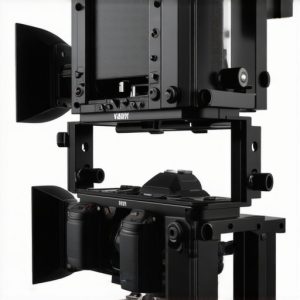
I’ll never forget the moment on set when my top handle wobbled, and suddenly, my monitor slipped. Frustration bubbled up—an all-too-familiar feeling for many filmmakers tackling rig setups. It was a lightbulb moment that revealed just how vital effective cable management is, especially with the advanced gear of 2026. I realized that without reliable methods, those minor mishaps can quickly escalate, ruining shots and increasing workflow stress.
Why Cable Management Can Make or Break Your Shooting Day
Managing cables isn’t just about keeping things neat; it’s about ensuring safety, protecting your gear, and maintaining smooth operation during demanding shoots. Poor cable handling can lead to accidental disconnections, port damage, or worse—injury on set. I’ve learned the hard way that a tangled mess can cost me precious filming time and even expensive repairs.
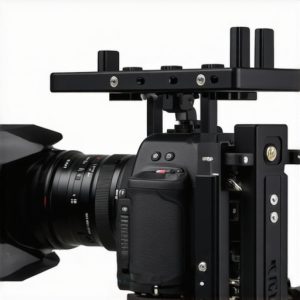
With the rapid evolution of camera cages and rigs in 2026, the importance of tested, reliable management methods grows clearer. Advanced accessories like rugged clamps and offset plates aren’t just upgrades—they’re essential tools for professional integrity. As someone who’s made the mistake of neglecting proper cable routing early in my career, I can attest that the right techniques can save you hours.
Does Your Rig Feel Like a Tangle Trap?
If you’ve ever faced the annoyance of cables slipping, top handles wobbling, or ports getting damaged, you’re not alone. These issues are common, but you can prevent them by applying proven methods. For example, using rugged cable clamps has transformed my setup reliability. Curious if you’re overlooking simple fixes? It might be time to revisit your cable routing strategies to keep your gear secure and functional.
Today, I’ll guide you through six tested cable management methods—trusted techniques I personally swear by—that will keep your camera setup tidy, safe, and ready to perform under pressure. Whether you’re just starting with your 2026 rig or looking to refine your setup, these tips will serve as your toolkit for professional-grade results.
Secure Your Cables with Rugged Clamps
Start by attaching rugged cable clamps to your cage or rig frame. Use them to anchor cables close to their connectors, preventing strain. I once secured my HDMI cable with clamps near the port; during a hectic shoot, it stayed firmly in place despite vigorous movement, saving me from a scramble to rewire.
Wrap Cables Tightly and Neatly
Use velcro straps or spiral wraps to coil excess cable length. Think of it as organizing a garden hose — coiled neatly, it’s less likely to tangle and easier to manage. On a recent shoot, I used velcro wraps to bundle five cables together, which made quick adjustments quick and prevented accidental yanks that could have unplugged vital gear.
Route Cables Along the Rig Frame
Follow the shape of your camera rig, threading cables along edges and under crossbars to hide them from view and reduce movement. Imagine your rig as a skeleton; cables should follow its natural contours for stability. I learned this while prepping a setup with a shoulder rig; running cables along the tubing kept them from swinging and snagging, especially during handheld shots.
Use Cable Risers and Offset Plates
Implement offset baseplates and risers to lift or reposition connectors, avoiding undue stress on ports. For instance, lifting a cable over a quick-release plate minimized bending and shielded fragile connectors from accidental pulls. During a recent filming session, this simple tweak prevented a costly port replacement and kept my workflow smooth.
Implement Strategic Cable Loops
Create gentle loops in cables, preventing tension when the rig moves. Think of it as giving cables a little slack to breathe; too tight, and they suffer under tension. I added a small loop near my top handle, which absorbed jerks during rapid movements, and I noticed fewer disconnections during dynamic shots.
Double-Check for Tight Security
After routing, verify that all cables are firmly secured, with no loose ends. Gently tug each cable to ensure it won’t slip. Once, I skipped this step post-setup and paid the price when a loose HDMI ended up disconnected mid-shoot. Regular checks prevent unexpected failures and ensure continuous operation.
Regularly Review and Adjust
Cable management isn’t a one-and-done task. As you add accessories or change setups, revisit your cable layout. During a long shoot, I found a cable slipping from its clamp, risking damage. Reassessing and rerouting in real-time kept my rig safe and functional—and reminded me how vital ongoing maintenance is to professional production.
While many filmmakers enthusiastically invest in top-tier rig accessories like shoulder rigs, camera cages, and top handles, there’s a surprising amount of misunderstanding surrounding their actual function and use. Let’s dig deeper into some nuanced pitfalls that even seasoned shooters often overlook, and how these can subtly sabotage your production quality.
One prevailing myth is that adding more accessories inherently improves stability and workflow. In reality, overloading your rig with every available attachment can introduce imbalance and complexity, leading to fatigue and slower setups. For example, stacking multiple grips or mounting too many accessories without proper distribution can shift the center of gravity, causing discomfort during prolonged shoots. To avoid this, focus on essential accessories that serve a purpose, such as a well-chosen rig upgrade that enhances your specific shooting style.
Another common mistake is assuming all accessories are compatible out-of-the-box. Many users experience frustration when top handles or cages don’t fit precisely, leading to wobble or the need for makeshift fixes. This is often a sign that the accessory wasn’t designed with the specific rig model or industry standards in mind. For instance, improperly secured handles can cause twisted or uneven footage, especially under dynamic conditions. To prevent this, always verify compatibility and consider professional tips for optimizing your rig tailored to your gear.
What Advanced Filmmakers Get Wrong About Assembly Techniques?
– An overlooked aspect is the importance of proper mounting techniques to ensure robustness and flexibility. Over-tightening screws or using incompatible mounting hardware can damage your equipment or introduce instability. According to industry experts, employing compatible and high-quality hardware, such as NATO rails and dampening mounts, significantly extends gear durability and performance. Neglecting these nuances might seem minor but can lead to costly repairs and lost footage.
Additionally, many filmmakers underestimate the value of balancing accessories for ergonomic comfort and shot stability. For example, inadequate counterweights on a shoulder rig not only cause back pain but also diminish camera control. Implementing simple solutions like offset baseplates can make a dramatic difference in achieving smooth, steady shots while reducing fatigue.
Finally, avoid letting the allure of new gadgets distract from fundamental principles of rig setup. Remember, the goal is seamless integration and balanced ergonomics, not just adding more gear. An overly complicated rig hampers creativity and can cause technical issues like casting shadows or obstructing vital controls. So, prioritize quality, compatibility, and proper distribution over sheer quantity. Have you ever fallen into this trap? Let me know in the comments and share your experiences!
Tools That Keep Your Rig Running Smoothly
Investing in the right tools is crucial for maintaining a reliable setup. I highly recommend a quality torque screwdriver, like the 4 Tougher Thumb Screws. They prevent over-tightening, which can damage your accessories while ensuring secure fittings. Additionally, a set of precision Allen wrenches helps you fine-tune your cage and handle connections, ensuring everything stays aligned during long shoots.
Electricians’ cable testers are invaluable for verifying port integrity after extensive use. I routinely check my HDMI and SDI ports with a tester similar to the shielded port clamps. This proactive approach prevents unexpected disconnections mid-recording, saving time and avoiding costly repairs.
Software Solutions for Longevity and Performance
Leveraging firmware updates from accessory manufacturers can extend your gear’s lifespan and optimize performance. For example, manufacturers often release firmware patches that fix compatibility issues with newer cameras or rigs. Regularly check the manufacturer’s website or subscribe to newsletters to stay informed. Also, using configuration tools like the Expert Tips for Perfect Shots can help you fine-tune your setup remotely, reducing setup time and increasing shot stability.
Long-Term Care What You Need to Know
Maintaining your gear over time isn’t just cleaning; it involves a schedule of inspections and replacements. I recommend a monthly checkup of all moving parts, ensuring screws are tight and no wear occurs. Applying a protective silicone lubricant, specifically designed for optical and mechanical parts, can prevent rust and ensure smooth operation. The Pro Shoulder Rig Fixes explain how to prevent corrosion in harsh shooting environments.
Services and Resources That Make a Difference
Don’t hesitate to reach out to the professionals. The contact page provides access to expert advice on maintaining and upgrading your rig. Engaging with a community of fellow filmmakers also provides practical insights for troubleshooting and optimizing your setup.
How Do I Keep My Camera Rig Working Well Over Time? Share Your Experience
One effective method I personally swear by is routinely replacing worn-out screws with high-grade stainless steel fasteners. This simple step can prevent unwanted wobbling or accidental detachment during intense shoots. Also, consider implementing a regular cleaning routine with a soft lens brush and isopropyl alcohol to keep connectors free of dust and debris. Incorporating these practices has consistently improved my rig’s durability and performance, and I encourage you to try one of these strategies today to see the difference for yourself.
Lessons the Hard Way: My Rig Accessories Wake-Up Call
One of the most valuable lessons I learned about rig accessories is the importance of simplicity and compatibility. I once tried to upgrade my camera cage with every shiny new component, only to realize that overloading my setup led to imbalance and wobble, compromising shot stability. Now, I focus on essential, well-matched accessories, understanding that quality trumps quantity.
Another insight came from neglecting regular inspection. Small cracks in my top handle or loose screws in my shoulder rig seemed insignificant until they caused sudden equipment failure during a crucial shoot. Timely maintenance and cautious assembly have become my go-to strategies for durability and safety.
Finally, I discovered that ergonomic balance isn’t just about comfort—it’s about groundbreaking shot quality. Adjusting counterweights and properly routing cables transformed my handheld footage from shaky to cinema-grade, proving that attention to setup details pays off in professional output.
Gear Wisdom That Keeps My Rig in Top Shape
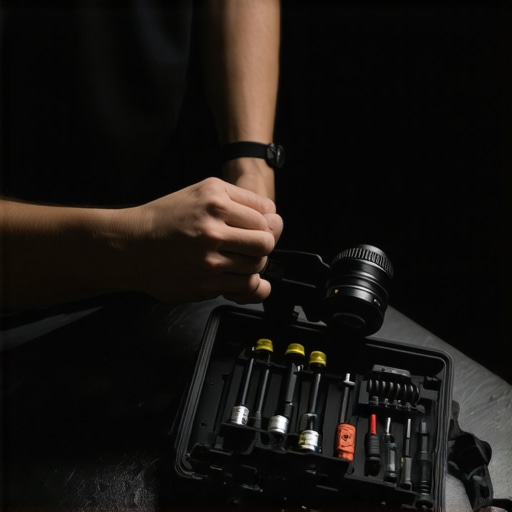
Among the tools I trust, a quality torque screwdriver is indispensable. It prevents overtightening that can damage mounts, ensuring my accessories stay secure without risking stress fractures. Similarly, a set of precision Allen wrenches allows me to fine-tune every connection, maintaining optimal rigidity and flexibility.
For verifying port integrity, I rely on electricians’ cable testers, which save me from unexpected disconnections mid-shoot. Coupled with firmware updates from manufacturer sites, these tools extend my gear’s lifespan while boosting performance. Staying proactive with regular checks and updates has helped me avoid costly repairs and downtime.
Educational resources also play a key role; I regularly consult expert guides and community forums, which offer practical, field-tested advice. From mastering anti-vibration baseplates to choosing the best offset plates, these insights are essential for evolving with filmmaking technology.
Inspired to Elevate Your Rig Game
The journey to a flawless camera setup is ongoing, and each upgrade or fix adds to your craftsmanship. Remember, a well-managed rig with secure cables and balanced accessories not only preserves your gear but elevates your storytelling. Don’t be discouraged by setbacks—every tweak brings you closer to cinematic excellence.
What’s the one cable management tip or rig modification that transformed your filming experience? Share your story below—I’d love to learn from your successes!
.

![4 Cooling Cage Mods to Stop 2026 Mirrorless Overheating [Tested]](https://rigs.creatorrigreviews.com/wp-content/uploads/2026/04/4-Cooling-Cage-Mods-to-Stop-2026-Mirrorless-Overheating-Tested-300x300.jpeg)