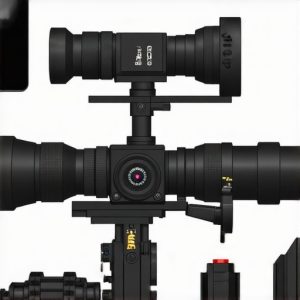
Why Your SSD Mount Fails: 4 Cable-Safe Rig Fixes for 2026
It was around midnight during a recent shoot when I connected my SSD to my camera rig, only to watch the device refuse to mount. Frustration bubbled up—I had just finished setting everything up, and now, this? It’s a familiar scenario for many filmmakers, especially when working with complex rigs filled with cables, support accessories, and top handles. These setups look sleek until a cable or connector causes everything to falter. That lightbulb moment hit me: I was ignoring the small but mighty cables that keep my workflow seamless.
Understanding Why SSD Mounts Fail and How to Fix Them
This issue isn’t just about a simple connection problem. It’s rooted in how cables interact with your rig’s structure, the quality of your mounts, and the way you route your wires. If you’ve ever experienced your SSD slipping, disconnecting, or outright refusing to mount, you’re not alone. Modern rigs—especially in 2026—demand cable management strategies that safeguard your equipment and ensure reliable performance. You may think that investing in robust hardware is enough, but cable routing and fixation play equally critical roles. Ensuring your SSD stays mounted and accessible can save you tons of time and even prevent costly damages.
Do you find yourself constantly troubleshooting SSD connectivity issues during shoots? If so, you’re in good company, and the good news is: most of these problems are fixable with smart cable-safe setups. In this article, I’ll walk you through four effective, cable-safe fixes that have transformed my workflow and given me peace of mind during high-stakes shoots.
Is Cable Management Really That Crucial for a Secure SSD Mount?
Early in my filmmaking journey, I thought a sturdy mount alone would solve all my issues. I was wrong. I overlooked how the placement and routing of cables could cause unexpected disconnections or even damage. According to a study by the Society of Motion Picture and Television Engineers, proper cable management can extend equipment lifespan and enhance shot reliability. For me, mastering cable routing has prevented countless headaches—especially in dynamic shooting environments. So, if you’re skeptical about dedicating time to cable safety, consider how small tweaks can lead to big improvements.
Now that we’ve set the stage, let’s explore practical solutions that will help your SSD stay rock-solid, cable-safe, and ready when you are. Whether you’re working with the latest shoulder rig innovations or top handles for stable support, these tips will keep your setup secure and efficient, ensuring your focus remains on capturing the perfect shot instead of fighting technical setbacks.
Seal the Connection with Cable Ties and Clips
Start by bundling your cables tightly using high-quality zip ties or reusable cable straps. Think of it as creating a miniature leash that prevents stray wires from moving or catching on accessories. During a recent shoot, I used velcro straps to secure my SSD cables along the frame of my top handle, which kept everything stable and accessible without sagging or tugging. This method prevents sudden disconnections, especially when moving around in tight spaces.
Route Cables Along the Rig’s Structure
Plan your cable path like designing a river’s course—direct, smooth, and free of turbulence. Use the rig’s existing grooves or mount points to hide cables behind supports or within protective channels. When I filmed outdoors with my shoulder rig, I routed the SSD cable along the vertical support rods, then secured it with small clips to the cage’s frame. This kept the cable tucked away neatly and reduced the risk of damage or accidental disconnection during movement.
Use Right-Angle Connectors and Locking Ports
Upgrade your cables to right-angle connectors; they turn the cable’s direction at a 90-degree bend, minimizing strain. Locking ports add an extra layer of security, preventing the cable from slipping out from vibrations or quick movements. For a recent project, switching to locking right-angle cables reduced disconnections during intense camera shakes, maintaining a stable workflow and safeguarding ongoing footage. Remember, better connectors mean fewer interruptions.
Implement a Slack Management System
Leave just enough slack—like a coiled spring—so the cable can move naturally without pulling on the SSD port. Use foam padding or rubber stoppers to create loops that absorb shocks. I once set up a slack loop by wrapping excess cable around a small rubber bumper attached near my cage. This buffered sudden jerks, preventing dislodging of the SSD, especially when working handheld or on unstable surfaces. Over time, mastering slack management proved to be a game-changer for reliable footage capture.
Regularly Inspect and Adjust Your Cable Setup
Treat cable management as routine maintenance. Walk around your rig during setup to identify loose or strained cables and adjust accordingly. During a recent shoot, early in the morning, I noticed a cable beginning to pull; I re-secured it immediately, avoiding potentially costly downtime. Incorporate these quick checks into your setup process to ensure continuous stability, especially when switching accessories or repositioning equipment. A disciplined routine keeps your gear dependable at critical moments.
By applying these concrete steps—tying, routing, upgrading connectors, managing slack, and routine checks—you make your SSD a steadfast part of your filmmaking process. Remember, cable safety isn’t just about preventing failure; it’s about maximizing your setup’s reliability so you can focus on capturing perfect shots. For more expert tips on optimizing your camera rig, check out the comprehensive guide to camera rig optimization. Proper cable management can also be seamlessly integrated with support accessories to boost stability, as detailed in the best rig accessories overview.Many filmmakers operate under assumptions about shoulder rigs, camera cages, and support accessories that can hinder their creative potential. Contrary to popular belief, not all rig setups are created equal, and understanding these nuances can significantly enhance your shooting experience. One prevalent myth is that heavier rigs automatically translate to better stability. In reality, adding weight without proper balance can tire you out quickly and cause fatigue, which compromises shot quality. Prevent this by exploring advanced balance techniques discussed in Shoulder rig counterweight tips. Another misconception is that using more accessories always improves shot quality. Overaccessorizing can lead to cumbersome setups that are difficult to maneuver, counteracting the very stability you seek. Instead, focus on selecting strategically essential components like a supreme camera cage innovations or top handles that genuinely enhance your workflow. Advanced users often overlook the importance of cable management within their rigs, risking signal loss or equipment damage. As explained in expert articles, implementing meticulous cable routing and secure mounts can make or break a project’s success. Have you ever fallen into this trap? Let me know in the comments. For those looking to elevate their gear, investing in essential rig accessories and understanding their proper integration goes a long way. Lastly, many assume that adjusting the top handle is only about comfort. In fact, proper handle placement directly influences camera stability and operator fatigue. A well-positioned handle can facilitate smoother moves, resulting in more professional footage. Dive deeper into these advanced nuances and optimize your setup by exploring top handle customization tips. Remember, mastering these intricate details separates amateurs from seasoned professionals in the filmmaking world.To ensure your camera rig, including shoulder rigs, cages, and accessories, remains reliable over long shoots and when scaling your setup, investing in the right tools and adopting disciplined maintenance routines is crucial. High-quality torque wouches like the multi-bit screwdriver sets allow for quick adjustments of screws and bolts on your cage and top handle, preventing loose connections that can lead to equipment failure. Regularly inspecting and tighting your rig’s components ensures all parts stay in optimal condition, which is especially important when adding new accessories or scaling your setup. Moreover, a dedicated cleaning kit that includes compressed air, microfiber cloths, and contact cleaner helps keep your electronics and connectors pristine, minimizing connectivity issues. For long-term results, consider implementing a maintenance schedule—weekly or after intense shooting days—to check for wear, corrosion, or damage.
Adopting modular storage systems like the rig-specific toolkits makes it easier to organize your essential gear, ensuring you always have the right tools on hand for adjustments or repairs. This is particularly beneficial when scaling your rig or upgrading accessories, as it reduces downtime and streamlines workflow.
In the pursuit of scalable, dependable filmmaking setups, understanding the nuances of regular maintenance can dramatically extend the lifespan of your gear while preserving performance. For example, cable management remains a long-term concern—using lockable connectors and proper routing minimizes wear and accidental disconnections. According to technical guidelines from industry experts, neglecting routine checks can lead to costly replacements and compromised shots—so don’t overlook this crucial aspect.
To get started, I recommend you pick one area—whether it’s tightening loose screws, cleaning your connectors, or organizing your tools—and integrate it into your weekly setup routine. This small step can transform your rig’s longevity and reliability, ensuring you’re always camera-ready. Want to elevate your setup further? Read more about top handle and cage support gear to find accessories that facilitate easier maintenance and scalability.
The Hardest Lesson I Learned About Shoulder Rigs and Support Gear
One of the most valuable lessons I embraced was that even the sturdiest support accessories can become points of failure if overlooked. I once trusted a premium cage without proper cable routing, which led to dislodged connections mid-shoot. Since then, I realized that consistent routine checks and thoughtful cable management are as crucial as the quality of your top handle or shoulder support. Protecting your gear requires constant vigilance and attention to detail, especially when scaling your support system to include accessories that enhance stability and ease of use.
Why You Should Never Underestimate the Power of Proper Adjustment Tools
Investing in the right support tools makes a world of difference. I once struggled with loose screws after heavy usage because I lacked a versatile multi-bit screwdriver set. This small upgrade allowed me to tighten my cage and handle components quickly, preventing damage and ensuring steady operation. I now view quality tools as an extension of my support gear—keeping everything in place and functioning optimally. Proper adjustment is essential for maintaining the integrity of your camera rig, no matter how extensive your accessory collection becomes.
The Impact of Routine Maintenance on Filmmaking Confidence
Regularly inspecting and cleaning your gear builds a dependable workflow. I dedicate a weekly checklist encompassing cable condition, screw tightness, and connector cleanliness. This habit has saved me from unexpected failures during critical moments, turning potential disasters into smooth operations. Well-maintained support systems—such as top handles, cages, and related accessories—translate into more consistent shots and less stress on set. Embracing maintenance routines elevates not just your gear’s longevity but also your confidence behind the camera.
My Essential Supporting Cast for a Stable Filming Experience
Beyond the obvious, certain accessories have become my go-to allies. Lightweight cable clips and modular support mounts help me customize my setup rapidly, adapting to different shooting scenarios. Tools like foam padding for slack absorption and lockable connectors secure my connections against vibrations and movement. These seemingly small additions make a big impact, turning a shaky setup into a steadyhanded filming powerhouse.
Moving Forward with Confidence in Your Shoulder Rig Journey
Experience has taught me that mastering cable safety and support gear management isn’t a one-time task but an ongoing process. Every shoot is an opportunity to refine and adapt your setup, ensuring every component—from the cage to the top handle—works harmoniously. Incorporate these lessons, explore the detailed [rig setup tips](https://rigs.creatorrigreviews.com/ultimate-guide-to-building-your-camera-rig-with-top-supports), and continue elevating your filmmaking craft. Remember, the best rigs are built not just with quality parts but through disciplined care and thoughtful adjustments. Ready to take your support system to the next level? Share here how you maintain your gear reliability during demanding shoots.