Ultimate Guide to Camera Cage & Rig Accessories for Professional Filmmaking
Ever been in the middle of a shoot, only to realize your camera rig feels more like a burden than a tool? I remember the first time I tried balancing my camera on a flimsy rig, only to have it wobble and shake like a leaf in the wind. It was frustrating, unprofessional, and honestly, a bit embarrassing. That lightbulb moment made me realize that a well-optimized camera cage and rig accessories aren’t just add-ons — they’re the backbone of smooth, cinematic shots.
Getting Serious About Your Camera Setup
Today, I want to share how I finally cracked the code on building a robust, customizable camera rig that elevates my filmmaking. Whether you’re shooting a quick YouTube video or a professional documentary, the right accessories can make or break your shot. I’ll guide you through the essentials that I’ve personally tested and trusted, so you don’t have to waste time and money on gear that doesn’t deliver.
Have you faced the problem of an unstable or clunky rig that hampers your creativity?
If yes, you’re not alone. I made the mistake early on of thinking more gear meant better shots. Turns out, it’s more about quality, balance, and compatibility. Learning which accessories truly support your shooting style saved me countless headaches and improved my footage significantly. For example, investing in a top-notch shoulder rig or a versatile handle can drastically improve your stability and comfort. Want to see the latest innovations? Check out top camera cage innovations that are transforming filmmaking today.
In this guide, I’ll help you identify the must-have accessories, avoid common pitfalls, and build a setup that’s tailored to your needs. Ready to upgrade your filmmaking game? Let’s dive into the practical steps that turn a flimsy rig into a steady, professional-grade tool that empowers your creativity.
Start with a Solid Foundation
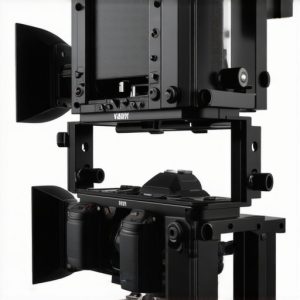
Before diving into fancy accessories, ensure your camera cage is sturdy and compatible with your gear. I once rushed into adding top handles and follow focus systems without verifying fit, only to find them wobbling or not fitting properly. Take the time to select a cage that supports your camera’s size and weight, and use a quality support system. For detailed insights on selecting the right cage, visit this comprehensive guide.
Balance Is Everything
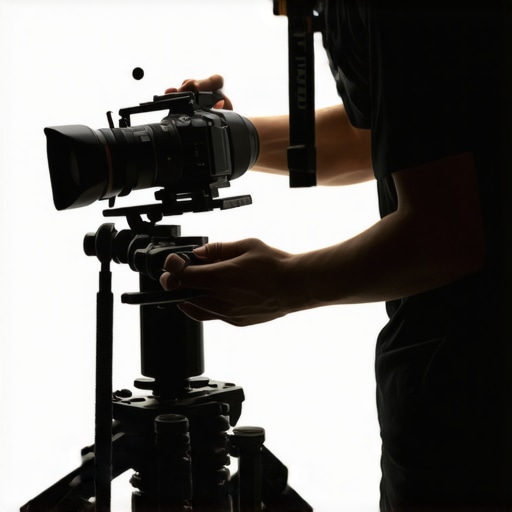
Think of your camera rig like a bicycle. If it’s not balanced, riding becomes a nightmare. I learned this the hard way during a shoot when my rig kept tilting forward because I hadn’t properly adjusted the counterweights. Use a quick-release plate and counterbalance weights to distribute the weight evenly. This not only improves stability but also reduces fatigue during long shoots. For expert tips, check this resource.
Invest in Essential Handles and Supports
Handles like the top handle or shoulder rigs are game-changers. I once used a cheap handle that caused my hand to slip, leading to shaky footage. Upgrading to a comfortable, textured handle made a visible difference. Attach a top handle for quick maneuvering and a shoulder rig for stability during handheld shots. For the best options, explore top shoulder rigs and top handle accessories.
Add Precision with Follow Focus and Matte Boxes
Focus control is critical. I once struggled with manual focus rings that were too stiff, wasting precious time on set. A good follow focus system offers smooth, precise control and reduces finger fatigue. Pair it with a matte box to block unwanted light and protect your lens. These accessories can seem small but profoundly impact shot quality. Learn more at this detailed guide.
Secure Cables and Power Sources
Nothing disrupts a shoot like a loose cable. Keep cables organized using clips or cable ties. I once had a power cable disconnect mid-shoot because I didn’t secure it properly, costing me time and footage. Use quick-release mounts and cable organizers to keep everything tidy. Additionally, consider portable power solutions like V-mount batteries for extended shoots. For more on setup optimization, visit this resource.
Test and Adjust Regularly
Once your rig is assembled, test it thoroughly. I spent an afternoon adjusting my setup, moving accessories around until the weight distribution felt perfect. Small tweaks can make a huge difference in stability and comfort. Record your adjustments so you can replicate the setup quickly on future shoots. For advanced tuning techniques, explore this article.
While many filmmakers focus on choosing the right accessories and balancing their rigs, they often miss a crucial aspect that can make or break their footage: the misconception that more gear automatically equals better stability and control. In reality, overloading your camera rig or relying on unnecessary accessories can introduce new problems, such as increased weight, poor balance, and even equipment failure.
Many believe that adding multiple accessories like an array of mounts, handles, and follow focus units will enhance their shooting capabilities. However, this can lead to the opposite effect, where the rig becomes cumbersome and difficult to handle. The key is understanding that quality over quantity truly matters. A well-chosen, lightweight set of accessories, strategically placed, can provide the stability and flexibility needed for professional results.
Another common myth involves the assumption that complex, high-end gear guarantees flawless shots. This isn’t always the case. In fact, a poorly maintained or incorrectly installed accessory can cause vibrations, misalignments, or even damage your camera. Regularly inspecting your gear and ensuring proper installation is vital. For example, a loose follow focus or poorly secured cage can introduce subtle but damaging jitters that ruin your footage. Always test your setup thoroughly before shooting and keep your equipment in top condition.
What advanced filmmakers should be cautious about when customizing their rigs
One often overlooked nuance is the importance of understanding your specific shooting style and environment. An accessory that works perfectly indoors might be a hindrance outdoors, especially in windy conditions. For instance, adding too many external microphones or lights can destabilize your rig or make it more prone to wind noise. Tailor your accessory choices to your typical shooting scenarios, and don’t fall for the trap of over-accessorizing without a clear purpose. For more insights on optimizing your setup, visit this comprehensive guide.
Additionally, many filmmakers underestimate the importance of proper weight distribution. An unbalanced rig not only causes fatigue but also compromises shot stability. Use counterweights and quick-release plates effectively to achieve a balanced setup. Remember, a balanced rig reduces the risk of accidental drops or damage, saving you time and money in the long run. Check out this resource for expert tips on balancing your camera system.
Have you ever fallen into this trap? Let me know in the comments. The more we share these insights, the better we all become at creating stunning, professional footage without unnecessary frustration.
Keeping your camera rig in top shape is crucial for consistent, professional results. Over time, even the best gear can suffer from wear and tear, misalignment, or accumulated dirt. Regular maintenance ensures your setup remains reliable and ready for your next shoot. One of my go-to routines involves inspecting all fasteners, cleaning lenses and mounts, and checking for any loose components. Investing in quality tools like a precision screwdriver set, microfiber cloths, and compressed air can make this process straightforward and effective. For example, I always keep a small toolkit on hand to tighten screws and replace worn parts promptly, preventing small issues from escalating into costly repairs. You might also consider a dedicated storage case with foam padding to protect your gear during transit, reducing the risk of damage. As technology advances, automated diagnostic tools and software updates are becoming more common, helping to identify potential issues before they impact your footage. Manufacturers like DJI and Canon frequently release firmware updates that improve stability and add features, so I recommend setting a regular schedule to check for updates and install them. Looking ahead, the trend is moving toward smarter, self-diagnosing gear that can alert you to problems via connected apps, saving time and frustration. For detailed advice on routine maintenance, visit this resource.
How do I maintain my camera rig over time?
Establishing a regular maintenance schedule is key. I recommend inspecting your rig before and after each shoot, paying special attention to mounting points, cables, and moving parts. Cleaning lenses and filters with a microfiber cloth prevents dust buildup that can affect image quality. Lubricating moving joints with a manufacturer-approved lubricant keeps them smooth and prevents rust. Additionally, storing your gear in a climate-controlled environment minimizes exposure to humidity, which can damage electronic components. Using protective cases with custom foam inserts helps prevent physical shocks during transport. It’s also wise to keep an eye on the firmware of your camera and accessories, as updates often fix bugs and improve performance. For advanced users, employing diagnostic tools like the DJI Ronin app or Canon’s EOS Utility can help monitor system health remotely. As I mentioned earlier, manufacturers are integrating smarter solutions, and I predict future rigs will include embedded sensors that automatically alert you to issues through dedicated apps. To stay ahead, consider subscribing to updates from your gear brands and participating in online forums where professionals share maintenance tips. Try implementing a bi-annual checkup routine, and you’ll find that your equipment remains dependable, saving you money and time in the long run.
Remember, the key to long-term success is consistency. Regular maintenance not only prolongs your gear’s lifespan but also ensures that your footage remains sharp, stable, and professional. If you’re interested in more details on optimizing your setup, explore this comprehensive guide. Keep your tools sharp, your gear clean, and your mind focused on creating stunning visuals — the rest will follow.
The Hardest Lesson I Learned About Camera Rigs
Early in my filmmaking journey, I believed that stacking more accessories would automatically improve stability. It took a frustrating shoot where my rig kept wobbling to realize that overloading was the real culprit. Less is often more—prioritize quality and balance over quantity to achieve professional results.
Why Proper Weight Distribution Changed My Approach
Adjusting the weight distribution on my rig was a game-changer. I used quick-release plates and counterweights to balance everything, which reduced fatigue and boosted stability. This simple step made my shots smoother and more consistent, proving that meticulous setup beats fancy gear every time.
My Secret to Reliable Maintenance
Regularly inspecting and maintaining my gear prevents costly surprises. I keep a dedicated toolkit for tightening screws and cleaning lenses, and I schedule bi-annual checkups. Staying proactive with maintenance ensures my camera rig remains dependable, helping me focus on capturing great footage rather than fixing gear mid-shoot.
Curated Gear That Transformed My Filmmaking
- SmallRig Camera Cage: Its sturdy design and compatibility make it my go-to foundation for any setup.
- Tilta Shoulder Rig: Provides comfort during long shoots, reducing fatigue and camera shake.
- DJI Ronin-S Gimbal: Smooths out complex shots and adds cinematic flair.
- V-mount Battery Packs: Ensure extended shooting without power worries.
Embrace the Future with Confidence
Building an effective camera rig isn’t about chasing the latest gadgets; it’s about understanding your workflow and optimizing your setup. The future of filmmaking will incorporate smarter, self-diagnosing gear that alerts you to issues before they happen. Stay curious, keep learning, and don’t be afraid to experiment—your best shots are yet to come.
What’s Your Next Step?
Have you ever struggled with balancing your camera rig or maintaining your equipment? Share your experiences below—I’d love to hear how you’ve improved your setup or what challenges you’re still facing.


![4 Cooling Cage Mods to Stop 2026 Mirrorless Overheating [Tested]](https://rigs.creatorrigreviews.com/wp-content/uploads/2026/04/4-Cooling-Cage-Mods-to-Stop-2026-Mirrorless-Overheating-Tested-300x300.jpeg)