How to Create a Custom Camera Cage & Shoulder Rig for Better Stability
Ever found yourself mid-shoot, camera in hand, feeling like a shaky mess instead of a steady professional? I’ve been there, frantically trying to stabilize my shots with makeshift solutions that only made things worse. That lightbulb moment hit me hard—why settle for less when I can craft my own rig tailored exactly to my needs? It’s a game-changer, and I want to share how you can do the same, transforming your filmmaking experience from frustrating to flawless.
Why Custom Rigging Matters More Than Ever
In the world of filmmaking, stability isn’t just a luxury; it’s a necessity. Whether you’re capturing a cinematic scene or just trying to nail that perfect shot for a vlog, shaky footage can ruin your hard work. The good news is, building a personalized camera cage and shoulder rig can dramatically improve your shot stability and overall comfort during long shoots. Plus, customizing means you get exactly what fits your camera and style, making your setup more efficient and reliable.
I remember early on making a critical mistake—trying to buy a one-size-fits-all rig. Turns out, that’s like wearing shoes two sizes too big. Not only was it uncomfortable, but it also hindered my mobility. Since then, I’ve learned that the key is understanding your specific needs and building from the ground up. This way, you get a setup that’s ergonomic, lightweight, and perfectly suited to your filming style.
Today, I’ll guide you through the process of creating your own custom camera cage and shoulder rig. We’ll cover everything from selecting the right materials to adding accessories that enhance stability and comfort. Trust me, once you see how tailored your rig can be, you’ll wonder why you ever settled for generic gear. Ready to take your filmmaking to the next level? Let’s dive in.
How a Custom Rig Boosts Your Filming Confidence
Having a rig that’s built around your camera and shooting style means fewer frustrations and more focus on your craft. It’s about making your equipment work for you, not the other way around. Plus, with the right support, you can shoot longer without fatigue—crucial for documentary work, interviews, or any project that demands stability over extended periods.
If you’re skeptical whether this is worth the effort, I get it. I was too at first. But the difference it made in my shots was undeniable. And the best part? Building your own rig isn’t as complicated as it sounds. It’s a rewarding project that pays off every time you press record.
Is Creating a Custom Camera Rig Actually Worth the Hype?
Initially, I thought I could just buy a ready-made rig and be done with it. My mistake? Underestimating how much a custom setup could improve my footage. It’s easy to fall into the trap of thinking you need the latest high-end gear. But the truth is, a well-made DIY rig can outperform many expensive commercial options. If you’re curious about the latest innovations, check out top camera cage innovations that are transforming filmmaking today.
So, have you ever faced shaky footage that ruined your shoot? Or struggled with an uncomfortable rig that made filming a chore? If yes, you’re not alone. But with the right approach, you can build a rig that’s custom-fit, stable, and a joy to use. Let’s get started on making your own professional-grade setup — your film deserves it!
Select Your Materials Carefully
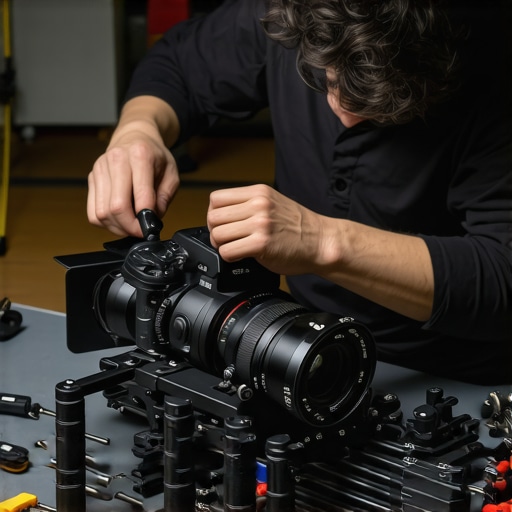
Start by choosing lightweight yet durable materials like aluminum or high-quality plastic for your rig components. I once grabbed some scrap aluminum from a local hardware store, thinking I could build my rig for cheap. It was a mess at first, but once I learned to select the right gauge and thickness, the rigidity improved dramatically. For detailed recommendations on accessories, check out best rig accessories for seamless video production.
Design Your Frame Like a Skeleton
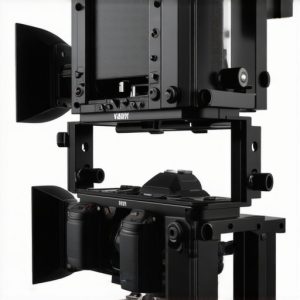
Imagine your rig as the skeleton supporting your camera. Sketch a basic frame that fits your camera size and shape. Use T-joints and quick-release plates for flexibility. I once spent hours trying to fit a generic cage onto my DSLR, but it was loose and unstable. Later, I customized a cage with modular parts, which fit snugly and felt natural to hold. This tailored approach made my shots steadier, especially during handheld shooting. For more tips, see build your perfect camera cage setup.
Adding Top Handles and Support Structures
Attaching top handles transforms your rig into an ergonomic extension of your arm. I used top handles that allowed me to maneuver easily and reduce fatigue. Position handles at comfortable angles to keep your wrist straight—think of it as steering a bicycle for smooth control. This setup not only stabilizes your shots but also minimizes strain during long shoots.
Mounting Accessories for Stability
Equip your rig with accessories like follow focus, matte box, and external monitors, but avoid overload. I learned this the hard way when my rig became top-heavy, causing shaky footage. Use essential rig accessories that balance weight and functionality. Secure everything tightly, and consider counterweights if necessary. This not only stabilizes your camera but also enhances your confidence on set.
Fine-Tune Your Setup for Comfort and Stability
Adjust the positioning of handles and accessories to fit your body. I once spent an afternoon tweaking my rig until it felt like a natural extension of my arm, which made a noticeable difference in shot steadiness. Use expert tips to optimize your setup, ensuring every component is aligned for maximum stability. Remember, the goal is to make your rig feel intuitive and balanced, so practice with it until it becomes second nature.
Test and Iterate
Before your shoot, test your rig in real conditions. I once set up everything perfectly in my workshop but found it wasn’t comfortable during actual filming. Adjust handle positions, add padding, or reinforce weak points. This iterative process ensures your rig supports your filming style and reduces fatigue. For additional insights, explore mastering camera rigs.
Building a custom rig takes patience, but the payoff is immense—crystal-clear shots with minimal shake, all tailored to your needs. Keep experimenting and refining, and soon you’ll have a support system that elevates your filmmaking to professional levels.
Many filmmakers jump into creating a custom camera rig with excitement, but there are nuanced pitfalls that can undermine your efforts. One of the most prevalent misconceptions is believing that more accessories automatically equate to better stability or professionalism. In reality, overloading your rig with unnecessary gear can lead to increased weight, imbalance, and even reduced shot quality. Instead, focus on selecting only essential accessories that complement your shooting style and workflow. For detailed guidance, explore essential rig accessories for enhanced stability.
Another common myth is that a heavier rig provides better stability. This is false; in fact, excessive weight can cause fatigue and unintended movement, especially during handheld shots. The goal should be to find a balance—using lightweight materials like aluminum or durable plastics—and incorporating counterweights only when necessary. Remember, lightweight and ergonomic design trump brute force for maintaining steady shots over long periods.
Advanced Tip: How Do You Fine-Tune for Professional Results?
The key lies in meticulous adjustment of handle placement, strap tension, and accessory positioning. Even minor misalignments can cause subtle shakes or discomfort, leading to shaky footage. Using expert optimization tips can elevate your setup from good to professional. Remember, the goal isn’t just stability—it’s about creating a rig that feels natural and effortless to operate. Have you ever fallen into this trap? Let me know in the comments.
Lastly, don’t assume that once your rig looks good, it’s ready for all shooting conditions. Environmental factors like uneven terrain or outdoor wind can challenge even the most well-built rigs. Incorporate quick adjustments and test your setup in real-world scenarios to identify weak points. This iterative process ensures your system remains reliable regardless of location or situation.
Building your own camera rig is an investment in your craft. Avoid these common mistakes, stay focused on essential design principles, and continually refine your setup. Your shots will improve, and your filmmaking confidence will soar. For more in-depth advice, visit mastering camera rigs.
Once you’ve invested time and effort into building your perfect camera rig, the next crucial step is ensuring it remains in top condition and continues to deliver professional results. Regular maintenance and the right tools are vital for longevity and optimal performance. In this post, I’ll share specific equipment I rely on and practical methods to keep your rig functioning flawlessly over time.
Invest in Quality Cleaning Supplies
Dust, fingerprints, and debris can quickly accumulate on your rig’s components, especially if you shoot outdoors frequently. I recommend keeping a set of microfiber cloths, compressed air, and gentle cleaning solutions designed for electronics. Personally, I use a microfiber cloth dampened with a 70% isopropyl alcohol solution for delicate parts like your camera cage and handles. These supplies prevent buildup that can cause corrosion or interfere with moving parts. Regular cleaning after each shoot keeps your gear looking professional and functioning smoothly. For detailed cleaning routines, check out essential rig accessories.
Lubricate Moving Parts Properly
Over time, hinges, joints, and quick-release mechanisms can become stiff or squeaky. I use a high-quality lubricant like Super Lube or a silicone-based spray sparingly on these parts. Applying just a tiny amount ensures smooth operation without attracting dust. Regular lubrication prevents wear and tear, maintaining the precise movement needed for camera adjustments. Remember, over-lubricating can attract dirt, so less is more. This simple maintenance step extends the lifespan of your support systems and keeps your setup agile during shoots.
Use Specific Storage Solutions
Proper storage is key to avoiding accidental damage. I keep my rig in a padded, hard-shell case with compartments tailored for each component. This prevents knocks and scratches when transporting gear. Additionally, I recommend anti-static bags for sensitive electronics like external monitors or wireless transmitters. Investing in a dedicated storage system not only prolongs the life of your equipment but also saves you time during setup and breakdown. For ideas on efficient storage, explore rig support systems.
Schedule Routine Inspections
Every few months, I conduct a thorough inspection of my rig. Check for loose screws, worn-out rubber grips, or damaged wires. Tighten bolts with a precision screwdriver, and replace any worn parts immediately. I also verify the stability of mounts and quick-release plates. Addressing small issues early prevents costly repairs and ensures your rig performs reliably on set. Keeping a maintenance log helps me track what’s been checked or replaced, adding an extra layer of reliability to my filmmaking process.
Stay Updated with Equipment Software
If your rig includes electronic components like wireless video transmitters or external monitors, firmware updates are crucial. Regularly visit the manufacturer’s website to download the latest software, which often includes bug fixes and performance improvements. I set reminders to check for updates quarterly to ensure my gear benefits from the latest advancements. Staying current with software updates can also unlock new features that enhance your filming experience.
Predicting Future Trends in Rig Maintenance
As technology advances, I believe integrated smart diagnostics will become standard, alerting users to potential issues before they happen. IoT-connected components could provide real-time health status reports, minimizing downtime. Embracing these innovations now will prepare you for a future where maintaining your rig is more automated and intuitive. To stay ahead, consider adopting modular components that are easier to replace or upgrade, ensuring your setup remains adaptable and cutting-edge.
How do I maintain my camera rig over time?
The key is consistency. Regular cleaning, lubrication, inspection, and utilizing quality storage solutions are fundamental. Incorporate routine checks into your workflow, and don’t overlook firmware updates for electronic parts. By investing in the right tools and establishing a maintenance schedule, you’ll prolong your rig’s lifespan and maintain peak performance, helping you achieve stable, professional shots every time. For expert tips on optimizing your camera rig, visit this guide.
Building your own camera rig isn’t just about saving money; it’s about unlocking a new level of control and stability that commercial gear often can’t match. My experience taught me that the most valuable lessons come from trial, error, and a willingness to innovate. From selecting lightweight materials to fine-tuning handle placement, each step reveals insights that transform your filmmaking approach.
The Hardest Lesson I Learned About Custom Rigs
One of the biggest mistakes I made was overloading my rig with unnecessary accessories, thinking more was better. It slowed me down and made my shots shaky. The truth is, simplicity and purpose drive stability. When I stripped down to only essential components and prioritized ergonomic design, my footage became noticeably smoother and my fatigue decreased. This taught me that less truly is more when it comes to support gear.
My Favorite Tools for Building and Maintaining Rigs
- Aluminum tubing — Lightweight yet durable, perfect for custom frames and supports. I trust it because it withstands rough handling and is easy to work with.
- Microfiber cloths and compressed air — Critical for keeping components clean and functioning smoothly. They’re my go-to for routine maintenance.
- High-quality lubricants — Silicone sprays like Super Lube keep joints moving effortlessly without attracting dirt. Regular lubrication prolongs the life of your setup.
- Hard-shell cases — Protect your investment with proper storage, especially when traveling between shoot locations. It keeps your gear pristine and ready to roll.
Embrace the Challenge and Elevate Your Filmmaking
Creating a custom camera rig is a journey filled with learning and growth. Your rig should be an extension of your creativity, not a hindrance. Every adjustment, every tweak, brings you closer to shots that are steady, natural, and professional. I encourage you to experiment boldly—your perfect setup is out there waiting. What’s the one feature you wish your current rig had? Share your thoughts below and let’s grow together in this craft!

![4 Cooling Cage Mods to Stop 2026 Mirrorless Overheating [Tested]](https://rigs.creatorrigreviews.com/wp-content/uploads/2026/04/4-Cooling-Cage-Mods-to-Stop-2026-Mirrorless-Overheating-Tested-300x300.jpeg)