Camera Rigs and Cages: The Ultimate Guide to Custom Support Systems
Have you ever been in the middle of a shoot, trying to get that perfect shot, only to realize your camera rig feels more like a burden than a support? I vividly remember the frustration of my first outdoor shoot—wobbly shots, shaky hands, and a rig that seemed to fight back more than support. It was a lightbulb moment for me: I didn’t need a one-size-fits-all solution; I needed a custom support system tailored to my needs.
Why Custom Camera Rigs Matter More Than Ever
Today, filmmaking demands flexibility and precision. Whether you’re behind a professional camera or just starting with a compact setup, knowing how to optimize your rig can make or break your shoot. A well-designed, personalized rig not only stabilizes your footage but also reduces fatigue and enhances your creative flow. So, how do you ensure your equipment serves you, rather than the other way around? That’s where mastering the art of custom support systems comes into play.
Are Support Systems Really Worth the Hassle?
Back when I first started, I believed that a basic rig was enough. Turns out, I was making a critical mistake—overlooking the importance of tailored accessories and ergonomic adjustments. In fact, according to industry experts, investing in quality support gear can improve shoot quality significantly and prevent injuries caused by prolonged strain (source). If you’re skeptical about whether a customized rig is worth the effort, ask yourself: have you ever fought with a cumbersome setup that made filming exhausting or compromised your shots? If so, you’re not alone. And the good news is, the solution is more accessible than you might think.
In this guide, I’ll walk you through practical tips to build a support system that fits your style and needs—so you can shoot confidently, comfortably, and creatively. Ready to take your filmmaking to the next level? Let’s dive into the essentials for designing your ideal camera rig setup, starting with understanding the core components that make support systems effective and adaptable.
Assemble Your Support Frame
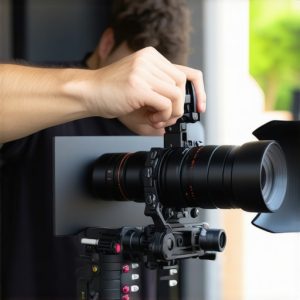
Start by selecting a robust camera cage that fits your gear and filmmaking style. Think of the cage as the skeleton of your support system—enclosing your camera securely while providing mounting points for accessories. For example, when I built my rig for a recent outdoor shoot, I chose a top-quality cage with multiple threaded holes, allowing me to attach handles, monitors, and microphones without cluttering the main frame. Ensure the cage isn’t overly bulky; it should be lightweight yet durable to prevent fatigue during long shoots. Check out [camera cage support accessories](https://rigs.creatorrigreviews.com/essential-support-gear-for-filmmakers-2025) to find components that fit your setup.
Customize with Handles and Supports
Add Top Handles for Flexibility
Attach a top handle to facilitate low-angle shots and quick reconfigurations. Think of the handle as the steering wheel; it gives you control and precision. I once used a high-quality top handle during a documentary shoot in tight interiors. It allowed me to maneuver smoothly while maintaining stability. When choosing a handle, consider ergonomics—look for features like non-slip grips and lightweight design. For specific guidance, review [top handle camera cage tips](https://rigs.creatorrigreviews.com/maximize-your-filmmaking-with-top-handle-camera-cage-tips-for-custom-support-gear).
Build Shoulder Stability
The shoulder rig acts as the backbone for handheld shots. It distributes weight evenly, reducing strain. To set this up, connect a shoulder pad with adjustable height to your cage or handle. I once spent a day filming a sports event, and the shoulder rig prevented fatigue, enabling me to shoot for hours comfortably. Focus on adjustable components—pads, counterweights, and quick-release mechanisms—so you can tailor the rig to your body and scene requirements. Explore [shoulder rig essentials](https://rigs.creatorrigreviews.com/essential-shoulder-rigs-for-professional-filmmaking-in-2025) for more insights.
Enhance Stability with Rig Accessories
Adding accessories like matte boxes, follow focus systems, and external monitors fortifies your support system. These components lock into your cage’s mounting points, creating a cohesive setup. For instance, integrating a follow focus allowed me to shift focus smoothly during a close-up shot—crucial for storytelling emphasis. Remember to balance your rig’s weight; overloading can cause instability or fatigue. Use [rig support accessories](https://rigs.creatorrigreviews.com/air-support-rig-accessories) that are compatible with your cage to optimize functions without adding unnecessary bulk.
Fine-Tune for Balance and Ergonomics
After assembling, test your rig with your camera attached. Adjust counterweights, handle positions, and grip angles until the rig feels natural and balanced. This step might seem tedious, but I’ve learned that spending extra time correcting minor imbalances results in smoother shots and less fatigue. Think of it like tuning a musical instrument—you want everything aligned for optimal performance. Use adjustable components thoroughly; this flexibility lets you adapt on the fly, especially in dynamic shooting environments. Check out [building your perfect camera cage rig](https://rigs.creatorrigreviews.com/build-your-perfect-camera-cage-rig-setup-with-top-handles-in-2025) for detailed setup strategies.
Many filmmakers believe that investing in the latest camera cage or shoulder rig automatically guarantees better footage and comfort. However, this is a misconception that can lead to costly mistakes. The truth is, many enthusiasts overlook the nuances that make support gear truly effective. For example, a popular myth is that heavier rigs always provide better stability. In reality, excessive weight can cause fatigue and reduce mobility, especially during long shoots (source). Understanding these subtleties helps you avoid the trap of assuming more gear equals better results.
Another frequent misconception is that a universal support system fits all shooting styles. While off-the-shelf rigs are tempting for quick setups, they rarely offer optimal ergonomics or flexibility. Customization is key, and even minor adjustments—like changing handle positions or adding counterweights—can significantly improve comfort and shot stability. However, some users fall into the trap of overloading their rigs with unnecessary accessories. This not only adds weight but also disrupts balance, making shots jittery and increasing fatigue. Choose accessories thoughtfully, focusing on those that enhance your specific needs (best rig accessories).
What Advanced Filmmakers Overlook When Building Support Systems
One often overlooked aspect is the importance of precise balance and ergonomics tailored to your shooting style. Advanced users forgo the idea that gear alone defines professionalism; instead, they focus on fine-tuning their rigs for optimal payload distribution. For instance, adjusting the center of gravity can dramatically improve handheld stability. Expert advice suggests that investing in adjustable components like quick-release plates and modular handles allows for real-time customization, which is crucial in dynamic environments (mastering camera rigs). Failure to consider these details can cause subtle strain or jitter, compromising high-end productions.
Beware of the trap where filmmakers believe that more expensive gear always equals superior performance. Instead, focus on how well your support system integrates with your techniques. Prioritize quality support accessories that complement your shooting style rather than inflate your setup with unnecessary equipment. Think of your gear as an extension of your craft; it should serve your vision, not overshadow it. To refine your rig further, explore detailed guides on customizing your setup, ensuring every component works harmoniously (optimizing your camera rig).
Remember, mastering support gear isn’t just about buying the latest; it’s about understanding and leveraging nuanced adjustments that elevate your filmmaking. Have you ever fallen into this trap? Let me know in the comments.
Keeping Your Support System in Peak Condition
Investing in high-quality camera cages, shoulder rigs, and accessories is just the beginning; maintaining them properly ensures longevity and optimal performance. Regular checks and a few strategic practices can save you time and money on repairs or replacements. I personally schedule monthly inspections of my rig components, focusing on welds, screws, and moving parts, to catch any signs of wear early. Simple routines like cleaning mounts with compressed air and applying lubricant to adjustable joints can significantly extend your gear’s lifespan.
One tool I swear by for upkeep is a dedicated multi-tool set with precision screwdrivers—having the right size and type makes routine adjustments quick while avoiding damage. For cleaning, I use soft microfiber cloths and isopropyl alcohol for sensitive surfaces, preventing buildup that can impair smooth operation. These small steps help me keep my gear responsive, especially during long shooting days where equipment fatigue can cause issues otherwise.
Future Trends in Support Gear Technologies
Looking ahead, innovations in lightweight materials and modular designs are set to revolutionize support accessories. Manufacturers are increasingly integrating smart features, such as built-in sensors for balancing and weight distribution feedback, which can connect via apps to provide real-time diagnostics. Such advancements will help filmmakers optimize rig configurations on the fly, enhancing shot stability and comfort. Staying abreast of these trends and adopting compatible components can give you a competitive edge in both efficiency and footage quality.
How do I maintain my rig over time for reliability?
Establishing a routine maintenance schedule is crucial. After each shoot, inspect all mounting points, fasteners, and moving parts for signs of loosening or corrosion. Apply appropriate lubricants to hinges or joints as recommended by the manufacturer—avoiding overapplication that can attract dust. Keep your accessories organized in padded cases to prevent accidental damage during transport. Additionally, check your support system’s compatibility with new components or upgrades by referring to trusted resources like this comprehensive guide—which details how ongoing maintenance and updates can significantly enhance your filmmaking experience.
If you haven’t already, try incorporating a maintenance checklist into your workflow. It’s a simple yet effective way to ensure your equipment remains reliable, saving you from unexpected downtime and costly repairs. Remember, the quality of your support gear directly impacts your shot stability and overall production quality—invest in its upkeep as much as you do in the gear itself. For tailored advice or specific product recommendations, don’t hesitate to reach out.
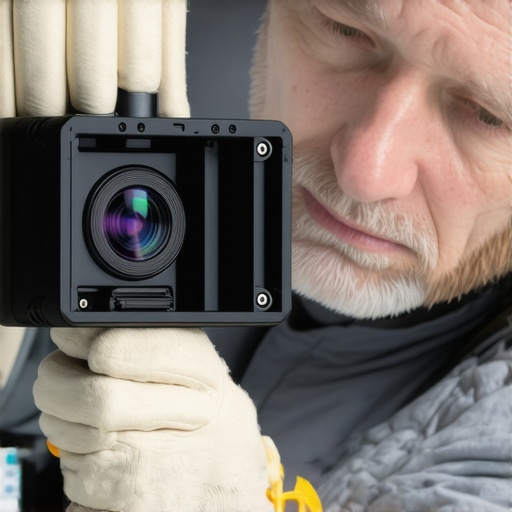
What I Wish I Knew in the Trenches of Filmmaking
- Every component matters more than the brand name: I once spent a fortune on a top-tier cage, only to realize that the way I customized handles and counterweights mattered more for my comfort and shot stability. Investing in quality is vital, but tailoring your setup makes all the difference.
- Balance outweighs weight: Heavy rigs might feel robust, but they can cripple your stamina over long shoots. Learning to distribute weight evenly and adjust handles for ergonomic comfort revolutionized my filming days.
- Flexibility trumps rigidity: Using modular accessories allowed me to adapt swiftly to changing scenes. Rigid setups can hinder creativity; modular gear empowers spontaneous shot choices.
- Maintenance is your silent partner: Regularly inspecting and caring for your rig prevents unexpected failures on set. A few minutes of upkeep saves hours of frustration.
- Listening to seasoned advice accelerates growth: Connecting with experienced filmmakers and reading expert guides, like those on [support systems](https://rigs.creatorrigreviews.com/build-your-support-system), helped me avoid costly mistakes and refine my craft faster.
My Essential Gear for Shooting Success
- Top Support Accessories – These versatile add-ons helped me fine-tune my rig for diverse shooting scenarios.
- Mastering Camera Rigs Guide – This comprehensive resource sharpened my understanding of setup nuances.
- Expert Tips for Perfect Shots – Practical advice on balancing and ergonomics elevated my filmmaking quality.
- Latest Camera Cages – Staying updated with innovations ensured my gear was both durable and lightweight, enhancing stability.
The Bold Step Forward Starts Now
Building a custom support system isn’t just technical; it’s a journey towards expressing your unique vision with confidence and ease. Every adjustment you make, from handle placement to rig balance, brings you closer to effortless storytelling. Embrace experimentation, learn from experience, and never underestimate the power of tailored gear to transform your filmmaking experience. Ready to elevate your support game and create shots that truly resonate? The world awaits your next masterpiece.
What’s been your biggest challenge when setting up your camera rig? Share your story below and let’s learn together.