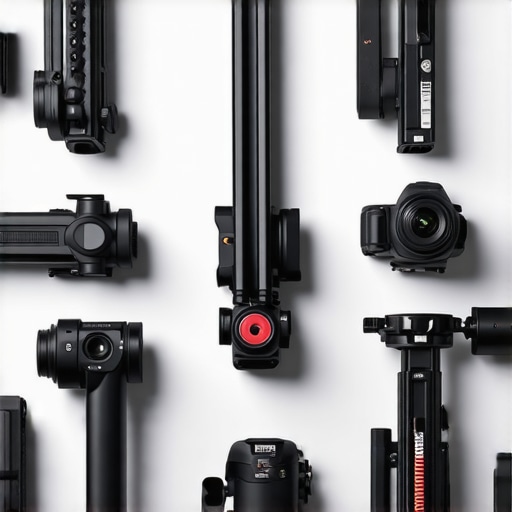
Camera Cage & Rig Accessories: Build Your Ultimate Support System
My First Encounter with Camera Rigs: A Moment of Inspiration
I’ll never forget the day I decided to upgrade my filming setup. I was tired of shaky shots and unstable footage, and that’s when I discovered the magic of camera cages and rig accessories. As I started experimenting, I felt a newfound confidence in my ability to create smooth, professional-looking videos. This journey transformed my approach to filmmaking and deepened my understanding of support systems.
Why Building a Support System Matters More Than You Think
When I first looked into camera support systems, I realized that a well-built rig isn’t just a bunch of parts; it’s the backbone of stable shots. I learned that investing in quality accessories like support cages, top handles, and shoulder rigs allows for better ergonomics and reduced fatigue during long shoots. Plus, these accessories open up endless creative possibilities, from mounting external monitors to attaching microphones.
How I Chose the Right Camera Cage & Rig Accessories for My Needs
Choosing the right accessories was overwhelming at first. I started by identifying my primary filming scenarios—whether handheld, tripod-based, or gimbal work. I found that a modular cage system, like those discussed in ultimate guide to camera cages, offered flexibility. I also prioritized ergonomic features, quick-release systems, and compatibility with my camera model. My goal was to build a support system that felt intuitive and reliable.
Can Rig Accessories Truly Elevate Your Filmmaking?
Absolutely. I’ve seen firsthand how rig accessories improve shot stability and ease of use. For example, a sturdy top handle provides better control, while shoulder rigs distribute weight evenly, preventing fatigue. According to a recent article I read on top handle and shoulder rig tips, choosing the right accessories can be the difference between amateur and professional footage. They also enable quick adjustments, saving me valuable time on set.
What Are the Essential Accessories I Should Invest In First?
If you’re just starting, I recommend focusing on a quality camera cage, a versatile top handle, and a comfortable shoulder rig. These form the foundation of a solid support system. From there, you can add external monitors, microphones, or specialized rig extensions based on your projects. Remember, the key is to build gradually and choose accessories that complement your filming style. For more detailed advice, check out essential rig accessories tips.
I’d love to hear your experiences with rig accessories! Share your journey in the comments or explore more helpful tips through our contact page.
Understanding the Nuances of Rig Customization: How Fine-Tuning Elevates Filmmaking Precision
One of the most underestimated aspects of professional filmmaking is the meticulous customization of camera rigs. As an enthusiast or seasoned professional, you know that a generic setup rarely meets the nuanced demands of diverse shooting environments. Fine-tuning your rig involves adjusting weight distribution, balancing accessories, and selecting modular components that cater specifically to your shooting style. This targeted approach not only enhances stability but also reduces fatigue, enabling longer shooting sessions without compromising on shot quality.
The Role of Advanced Rig Accessories in Creative Flexibility
Beyond the basics, the integration of advanced accessories like motorized follow focus systems, intelligent mounting brackets, and multi-axis stabilization units can transform your filmmaking experience. These tools offer unmatched precision and control, allowing for cinematic shots that were once only achievable with high-end equipment. For instance, incorporating a motorized focus puller can enable seamless focus transitions, essential for dynamic scenes. Exploring options such as those highlighted in top camera cage innovations provides insight into how these accessories can be seamlessly integrated into your rig for optimal performance.
Why Are Ergonomic Design and User Comfort Critical?
While technical features are vital, the ergonomic design of your rig plays a crucial role in long-term usability. A well-balanced rig reduces strain on your arms, shoulders, and back, allowing for more precise framing and smoother camera movements. Features like adjustable grip positions, lightweight materials, and customizable support options contribute significantly to comfort. As the industry evolves, manufacturers are prioritizing ergonomic innovations, making rigs more adaptable to individual needs. For comprehensive guidance on ergonomic support, visit essential shoulder rigs and learn how to optimize your setup for maximum comfort and stability.
Are There Hidden Costs or Pitfalls in Rig Upgrades That Filmmakers Should Watch For?
Investing in high-end rig components undoubtedly enhances your shooting capabilities, but it’s essential to remain aware of potential pitfalls. Over-customization can lead to cluttered setups that are difficult to manage or transport. Additionally, some accessories may not be compatible with existing equipment, leading to unnecessary expenses. It’s also easy to fall into the trap of constantly chasing the latest gear without mastering your current setup. A strategic approach involves assessing your specific needs, prioritizing versatile and modular components, and gradually expanding your rig. For expert advice and reviews on reliable accessories, explore rig accessories customization.
To deepen your understanding, I recommend reading about practical setup configurations and real-world case studies that demonstrate successful rig integrations. Sharing your experiences and asking questions can be invaluable—so don’t hesitate to comment below or reach out through our contact page. For more insights on building a professional-grade rig tailored to your filmmaking style, browse our detailed guides and product reviews on mastering camera rigs in 2025.
Mastering the Art of Rig Fine-Tuning: A Personal Reflection
Over the years, I’ve come to realize that the true power of a camera rig isn’t just in its initial setup but in how you personalize and fine-tune it for each shooting scenario. My journey began with a generic support system, but as I gained more experience, I learned that subtle adjustments—like balancing the weight distribution or choosing the right modular components—can make a profound difference in the quality of my shots. This meticulous approach requires patience and a keen eye, but the results are often worth the effort.
Can Advanced Accessories Really Transform Creative Flexibility?
Absolutely. Integrating sophisticated tools like motorized follow focus systems or multi-axis stabilization units has opened new creative horizons for me. These accessories allow for cinematic shots that once seemed out of reach for independent filmmakers. For example, using a motorized focus puller during dynamic scenes has enabled me to achieve seamless focus transitions, adding a professional touch to my videos. According to a recent review I read on top camera cage innovations, these advancements are becoming more accessible and user-friendly, making them essential tools for serious creators.
How Do Ergonomic Considerations Influence Long-Term Shooting Sessions?
From my personal experience, ergonomic design is often overlooked but is critical for sustained productivity. A well-balanced rig reduces fatigue, allowing me to focus longer and shoot more effectively. Features like adjustable grip positions and lightweight materials have made a noticeable difference in my comfort levels. As the industry continues to innovate, I see more manufacturers prioritizing user comfort, which ultimately enhances the quality of footage produced. For comprehensive insights, I recommend exploring essential shoulder rigs that emphasize ergonomic design.
What Hidden Costs Should Filmmakers Be Aware Of When Upgrading Rigs?
In my experience, while investing in high-end accessories can elevate your filmmaking, it’s easy to fall into the trap of over-customization or incompatible gear. I’ve learned to prioritize modular components that can grow with my needs, rather than chasing every new release. Sometimes, adding too many accessories can clutter your setup or make transportation cumbersome. A strategic, phased approach—focusing on versatile, high-quality pieces—has helped me avoid unnecessary expenses. For in-depth advice, I often turn to rig accessories customization guides to navigate these challenges.
If you’re passionate about refining your rig setup, I encourage you to share your experiences or ask questions—your insights might inspire others on their filmmaking journey. Feel free to explore more about building your ideal camera rig through our contact page, or dive into our detailed guides on mastering camera rigs in 2025.
The Art of Rig Fine-Tuning: Elevating Cinematic Precision
My evolution as a filmmaker has been deeply intertwined with the subtle art of rig fine-tuning. While initial setups provided a solid foundation, I quickly realized that the real mastery lies in customizing every aspect of my support system to suit specific shooting scenarios. This meticulous process involves adjusting weight distribution for optimal balance, selecting modular components that adapt seamlessly to various environments, and fine-tuning ergonomic features to reduce fatigue during extended shoots.
For example, I often employ adjustable counterweights to balance heavier lenses or accessories, ensuring smooth camera movements without strain. This level of personalization not only enhances shot stability but also significantly prolongs my shooting stamina. Industry insights, such as those detailed in rig accessories customization guides, emphasize that precision in rig setup is a differentiator between amateur and professional cinematography.
Harnessing Advanced Accessories for Creative Flexibility
Integrating sophisticated tools like motorized follow focus systems, multi-axis stabilization units, and intelligent mounting brackets has revolutionized my creative process. These accessories facilitate cinematic shots with unprecedented control and fluidity. For instance, a motorized focus puller allows me to execute seamless focus transitions during dynamic scenes, elevating the storytelling impact.
According to a comprehensive review from top camera cage innovations, such advanced accessories are becoming more accessible and user-friendly, enabling independent filmmakers to achieve professional-grade results. The key is understanding how to seamlessly incorporate these tools into your rig, optimizing both function and comfort.
Why Ergonomic Design Is a Game Changer in Long Shoot Durations
From personal experience, ergonomic considerations are often underestimated yet are vital for maintaining performance over long filming sessions. A well-balanced rig with adjustable grips and lightweight materials reduces physical strain, allowing for steadier shots and less fatigue. Features like customizable support options and quick-adjust mechanisms have made a tangible difference in my workflow, enabling me to focus entirely on capturing the perfect shot.
As manufacturers continue to prioritize user comfort, exploring options like ergonomic shoulder rigs can greatly enhance your shooting endurance. Investing in a rig that aligns with your ergonomic needs ensures not only better footage but also a healthier filmmaking process.
Are There Hidden Costs and Pitfalls in Advanced Rig Customization?
While elevating your rig with high-end accessories can yield impressive results, I’ve learned that over-customization can lead to cluttered setups and compatibility issues. For example, adding numerous accessories without considering their integration can complicate transportation and setup, ultimately hindering efficiency.
Furthermore, chasing the latest gear without mastering your current setup risks diminishing returns. A measured, strategic approach—focusing on versatile, modular components—is essential. I often consult rig accessories guides to navigate these challenges effectively.
If you’re committed to refining your rig mastery, I invite you to share your experiences or ask questions. Your insights can inspire others on their filmmaking journey. Feel free to explore more advanced tips and personalized strategies through our contact page or delve into detailed guides on mastering camera rigs in 2025.
Things I Wish I Knew Earlier (or You Might Find Surprising)
The Power of Modularity
One thing I wish I had understood sooner is how crucial modular design is. Building a support system that can adapt to different shooting styles has saved me countless headaches. I used to invest in fixed setups, only to outgrow them quickly. Now, I focus on versatile rigs that can be reconfigured easily, making my workflow smoother and more flexible.
Balance Over Weight
Early on, I thought heavier rigs meant more stability. Turns out, proper balance is what truly stabilizes shots. Learning to fine-tune weight distribution, especially with adjustable counterweights, transformed my filming quality. It’s a subtle art but one that pays off immensely in shot precision.
Invest in Ergonomics
Comfort should never be overlooked. I used to endure long shoots with discomfort, which affected my creativity. Upgrading to ergonomic support rigs and adjustable grips has extended my shooting stamina and improved my focus. Ergonomics isn’t just a luxury; it’s a necessity for professional results.
Compatibility Matters
Buying accessories without checking compatibility can lead to wasted money. I’ve learned to research thoroughly and prioritize high-quality, adaptable components. This approach has kept my setup efficient and future-proof, saving me from frequent upgrades.
The Hidden Cost of Over-Customization
While I love customizing my rig, I’ve realized overdoing it can clutter your setup and complicate transport. Focus on essentials first, then expand thoughtfully. Modular accessories that serve multiple purposes are your best friends in this regard.
Resources I’ve Come to Trust Over Time
- Top Camera Cage Innovations: This resource offers detailed reviews on the latest support cages, helping me choose the right modular options. It’s a go-to for understanding what’s new in the industry and how to incorporate these into my rig.
- Rig Support Systems Guide: An in-depth guide that helped me grasp the fundamentals of support system design, emphasizing stability and ergonomics. Perfect for both beginners and seasoned filmmakers.
- Essential Rig Accessories Tips: Practical advice on selecting accessories that enhance stability and flexibility. It’s like having a personal consultant for rig setup.
- Mastering Camera Rigs in 2025: A comprehensive overview of modern rig configurations and future trends, inspiring me to stay updated with evolving technology.
Parting Thoughts from My Perspective
Reflecting on my journey, I realize that mastering rig customization is a continuous process. Building a support system tailored to your unique needs can elevate your filmmaking from amateur to professional. The key is to stay curious, invest wisely, and prioritize ergonomics and compatibility. If this resonates with you, I’d love to hear your experiences or tips. Sharing our stories helps us all grow as creators. Feel free to drop your thoughts in the comments or explore more about optimizing your setup through our contact page. Happy filming!”},

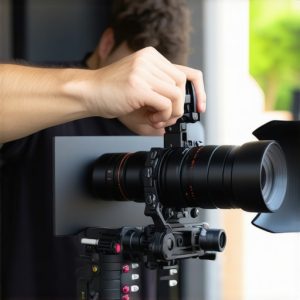
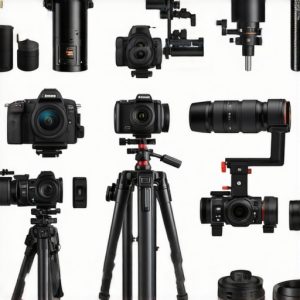
Reading this post really resonated with my own journey into rigging. I started with a basic cage setup, but as I gained confidence, I realized how much fine-tuning and selecting the right accessories can drastically improve shot stability and comfort. The point about modular rigs is so important—flexibility has saved me from a lot of headaches, especially when switching between different shooting styles or environments. One challenge I’ve faced is balancing heavier lenses without compromising mobility. I’ve found that using adjustable counterweights and proper ergonomic support makes a huge difference, but I’m curious—what are some advanced techniques or tools you’ve found effective for balancing especially awkward setups? Would love to hear others’ tips on maintaining smooth, steady shots during complex shoots. It’s amazing how much of a difference the right support system can make in elevating your filmmaking quality.
This post really highlights how essential a customizable rig is for growing filmmakers. I completely agree that initial setups often feel limiting until you start to fine-tune and add accessories that match your shooting style. I remember struggling with balancing a heavier lens on a gimbal, which made me realize the importance of proper weight distribution and using counterweights effectively. One technique I’ve found helpful is adding adjustable counterweights towards the rear of the rig to offset the weight of heavier front-mounted lenses, which significantly improves stability and reduces fatigue during long takes.
Beyond weights, I’ve also started experimenting with modular multi-axis stabilization platforms that allow for more fluid movements without sacrificing control. What advanced tools or techniques have you or other readers found effective for balancing or stabilizing complex setups, especially when working with heavy or uneven gear? Would love to learn more about innovative solutions that can help us achieve smooth, professional footage in challenging circumstances.
This post really resonates with my experiences as well. I started out with simple support equipment, but once I invested in a modular cage system and ergonomic accessories, the quality of my footage improved noticeably. I especially agree about fine-tuning rig setups for different shooting scenarios; it’s a game-changer for stability and comfort during long shoots. I’ve been experimenting with adjustable counterweights that can be repositioned easily for different lenses, which has made a significant difference. One challenge I still face is balancing very awkward or custom-built setups, especially when using large lenses or accessories that shift the center of gravity unexpectedly. Has anyone here found reliable tools or techniques for balancing extremely uneven or makeshift configurations? I’d love to hear about innovative solutions or best practices that could help us all achieve smoother, more professional shots regardless of the gear complexity.
This article really hits home for me, especially the part about the importance of fine-tuning your support system for different shooting conditions. I’ve often struggled with balancing heavier front-facing lenses, which can throw off stability and cause fatigue over long shoots. Like many, I started with a basic cage and top handle, but as I gained experience, I realized how crucial modularity and precise weight distribution are for achieving smooth footage. One approach I’ve found effective is using adjustable counterweights that I can reposition based on the lens and accessories I’m working with—this flexibility has noticeably improved my control and reduced fatigue.
I’m curious, has anyone experimented with balancing mounts or innovative accessories like counterweight kits that are easy to fine-tune on the fly? Also, what’s been your most effective process for ensuring your rig stays balanced without adding bulk? It would be great to hear tips from those who have mastered complex setups—sharing our experiences could help all of us bring more professionalism to our shots.