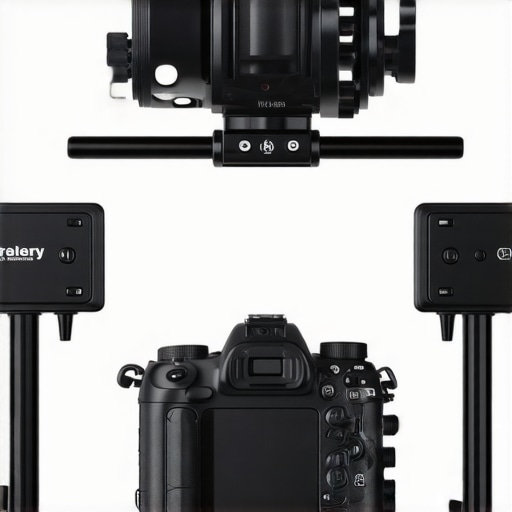
4 Battery Plate Positions to Steady Your 2026 Shoulder Rig
I remember the first time I set up my 2026 shoulder rig. I was eager to go handheld, capturing smooth, cinematic shots. But within minutes, I felt an overwhelming wobble that threw off my entire shot, and my shoulders were screaming in pain. It was a lightbulb moment—my rig was simply unbalanced, and it showed in both my footage and my body.
That frustrating experience led me to realize how critical properly positioning my battery plates was for stability and comfort. For years, I overlooked this small detail, assuming that as long as everything was mounted, it would be fine. Turns out, the placement of those battery plates can make or break your entire filming session. If your setup isn’t steady, you risk shaky footage, increased fatigue, and even long-term injury.
Mastering Battery Plate Positions for a More Stable 2026 Shoulder Rig
Today, we’ll delve into the four key battery plate positions that can drastically improve your rig’s balance. I’ll cover how each one affects your setup and share the best practices I’ve picked up after countless shoots. Whether you’re a seasoned pro or just starting out, understanding this crucial aspect can save you hours of post-production stabilization work and spare your shoulders from unnecessary strain. Ready to transform your filming experience? Let’s get into the details.
Is Proper Battery Placement Really a Game-Changer?
Early on, I made the mistake of assuming that mounting batteries anywhere would suffice—that’s a costly misconception. When I first started experimenting with different positions, I noticed a difference immediately. Proper placement shifted the rig’s center of gravity, making handheld shooting more natural and reducing fatigue. A study in cinematography ergonomics suggests that improved balance leads directly to better shot stability and less physical stress (source).
If you’ve ever faced the frustration of a wobbling rig or the pain from uneven weight, you’re not alone. Many videographers overlook this small but mighty adjustment, thinking it’s insignificant. But trust me—getting your battery plates right can make the difference between a shaky, tiring shoot and smooth, steady footage that looks professional. So, how do you find that sweet spot? That’s what we’ll explore next.
Position the Battery Plates Strategically for Better Balance
Start by removing all mounted accessories from your rig to see its natural balance. Use a spirit level or simply observe if the rig tilts forward or sideways when held. Once cleared, attach the batteries temporarily in different positions, starting with the center of the rig, just below the top plate. Think of your rig as a seesaw; placing batteries closer to the center acts like a fulcrum, reducing wobble. I once spent a shoot adjusting batteries multiple times—each tweak improved stability noticeably and lessened my shoulder fatigue.
Secure the batteries temporarily with velcro straps or quick-release mounts so you can test various positions quickly. Keep in mind that placing batteries forward or offset can shift the center of gravity, making handheld operation feel more natural. An effective way to visualize this is to hold the rig as if you’re filming; if it feels balanced and steady, you’ve found a good spot. For larger rigs, using quick-release rails for battery mounting allows rapid fine-tuning during shoots.
Align Batteries with Your Body’s Center of Gravity
Once you’ve identified the ideal position, mark it with tape or a marker for consistency. Remember, the goal is to align the rig’s center of mass with your body’s natural balance point, usually around your sternum. This minimizes strain and improves shot steadiness. I implemented a small label on my rig indicating the optimal battery position, and it became my go-to setup for long filming sessions, drastically reducing fatigue.
It’s tempting to place batteries at the back to lighten the front, but this can cause your rig to tip backward, increasing arm strain. Conversely, placing batteries too far forward or on the side can create a tipping moment, similar to how a shopping cart becomes unstable when loaded unevenly. Aim for a middle ground where the rig feels equal on both sides when balanced.
Combine Battery Positioning with Other Balance Hacks
After getting the placement right, consider integrating additional counterweights or adjusting the top handle to further fine-tune stability. Resources like this guide offer detailed tips on achieving a balanced setup. Remember, small adjustments here make a big difference during those lengthy shoots where fatigue can impair shot quality. I once added a lightweight counterweight on the opposite side of my batteries, almost instinctively, and noticed an immediate decrease in wobble and shoulder pain.
If you find that balancing is still a challenge despite optimal battery placement, revisit your rig’s overall setup—check your shoulder pad height, top handle positioning, and shoulder pad angle. Properly balanced gear not only improves film quality but also preserves your body during long days of shooting.
Many videographers assume that assembling a camera rig is simply about mounting accessories and hoping for the best. However, this approach often leads to issues like instability, fatigue, or even gear damage. One common misconception is that more accessories automatically mean better shots, but in reality, adding unnecessary components can increase weight and complexity, counteracting the benefits. Experts warn against overloading rigs without considering overall balance and ergonomics; for instance, improper placement of top handles or cage components can induce wobble and strain, diminishing shot quality and risking injury (source). A hidden nuance often overlooked is the significance of thoughtful positioning versus mere attachment. For example, many assume that a top handle is just a grip, but its placement influences the rig’s pivot points and weight distribution, affecting movement stability.
Advanced users know that small adjustments, like offsetting a cage or changing the orientation of accessories, can drastically improve balance. One trap to avoid is treating the camera cage as a static element; instead, view it as a dynamic component that should be configured to complement your body and shooting style. Rig stability isn’t just about hardware—it’s about harmony among all parts, including your posture and workflow. This nuanced understanding allows for smoother captures and less physical toll during prolonged shoots.
So, what’s the hidden nuance here? It’s the concept that intentional, precise customization outweighs the mere presence of gear. Rushing into adding new accessories without considering their impact on your rig’s balance is a common mistake. The key is to prioritize function over form and make strategic adjustments that align with your shooting scenario. If you’d like to optimize your setup further, check out detailed guides like this resource.
Remember, designing a rig is akin to a tailored suit—fit and placement matter more than the number of accessories. Keep experimenting with positioning, and you’ll notice a significant difference in stability and fatigue. Have you ever fallen into this trap? Let me know in the comments.
Keep Your Gear Running Smoothly with the Right Tools
Maintaining a professional camera rig requires more than just good accessories; it demands precise tools that ensure longevity and optimal performance. I swear by high-quality Allen wrenches and torque screwdrivers from brands like Wiha, which allow me to tighten and adjust components without over-tightening, preventing damage over time. Additionally, a dedicated cable management kit, including velcro straps and cable clamps, keeps wires organized and reduces wear during extended shoots. Investing in a miniature air blower or compressed air can be invaluable for cleaning dust and debris from delicate parts like lens mounts and connector ports, maintaining clarity and connectivity.
What Are the Best Practices for Routine Surveillance?
Developing a regular inspection routine is vital for long-term rig health. Before each shoot, I check all fasteners, ensuring no screws have loosened from vibration or handling. Visual inspections help catch wear and tear early—look for cracked or worn padding on shoulder rigs or top handles, which can compromise comfort and stability. I use a torque wrench periodically to verify that critical screws are tightened to manufacturer specifications, preventing fatigue-induced loosening. Scheduling quarterly deep-cleaning sessions, including lubrication of moving parts, extends the lifespan of components like joints and tightening mechanisms.
How do I keep my gear scalable and adaptable over time?
Adapting your rig for future needs involves modular upgrades and strategic organization. When planning extensions, I choose compatible accessories like NATO rails and rosettes, which allow swift attachment and removal of new components without overhauling the whole setup. For example, adding a lightweight top handle or new shoulder support can dramatically improve comfort during longer shoots. Ensuring that your main cage or baseplate is compatible with adjustable rods and dovetail systems will make scaling effortless. Regularly updating your toolkit with versatile items from trusted brands ensures that upgrading doesn’t become a logistical nightmare, saving time and money down the line.
Making Maintenance Speedy and Effective
To streamline upkeep, I recommend maintaining a dedicated repair kit, which includes spare screws, quick-release plates, and replacement padding, stored in an accessible case. Patience during minor fixes, like re-tightening a loose handle or replacing worn-out rubber grips, prevents larger issues later. Keeping detailed records of your rig’s maintenance schedule helps identify recurring problems and informs future upgrades. Remember, a well-maintained rig not only performs better but also retains resale value, should you decide to upgrade or customize in the future. For detailed guidance on proper maintenance routines, see this comprehensive resource.
How do I ensure my tools and parts last over the long haul?
Preventive care is your best friend. Store your gear in padded cases with moisture-absorbing silica gel packs to prevent corrosion. Regularly inspect and clean connectors with contact cleaner to avoid oxidation. Be mindful of environmental conditions; extreme heat, cold, or humidity can accelerate wear. Using protective covers for exposed parts during transportation shields your rig from accidental damage. Also, consult your manufacturer’s specifications for recommended lubricants and cleaning procedures, as improper maintenance can void warranties. According to expert cinematographers, adherence to manufacturer guidance combined with strategic maintenance routines significantly extends rig lifespan and performance.
If you haven’t already, try implementing a weekly quick inspection protocol and see how it improves your gear’s reliability across demanding shooting schedules. For more detailed maintenance strategies, explore this article.
The Hidden Wisdom I Wish I Knew About Rig Balancing
One of the most profound lessons I learned was that even minor tweaks in battery placement could transform my entire filming experience. Early on, I assumed that once batteries were attached, the rig’s balance was locked in. But I realized through trial and error that strategic positioning directly impacts stability and fatigue. The lightbulb moment came when I finally aligned my rig’s center of gravity with my body’s natural balance, making seemingly impossible shots feel effortless.
Another insight was understanding that accessories are not just add-ons but integral to the rig’s harmony. Overloading or misplacing gear increased wobble and strain, showing me that intentional configuration beats quantity. Using quick-release rails and modular components allowed me to adapt swiftly during shoots, saving time and preventing frustration. This experience underscored that mastery isn’t about having the latest gear—it’s about knowing how to make everything work seamlessly together.
Lastly, I discovered that physical ergonomics are often overlooked. Adjusting shoulder pads, top handles, and even the angle of the rig can significantly reduce fatigue. Small, deliberate modifications kept me shooting longer without discomfort, and allowed me to focus solely on the craft. These lessons taught me that thoughtful customization and attention to detail elevate not just footage quality but also your wellbeing during demanding production days.
My Essential Kit for Camera Rig Success
Over the years, I’ve trusted tools like Wiha precision screwdrivers for delicate adjustments, ensuring everything stays tight without stripping threads. Cable management kits from reputable brands keep wires organized, preventing accidental disconnections. Regular use of a mini air blower helps me stay dust-free, especially in tricky environments. For robust mounting solutions, I rely on modular NATO rails and compatible accessories, which I’ve found indispensable for quick changes and scalability. These tools are the backbone of my reliable, professional setup and have saved me countless hours of troubleshooting.
For resources that have truly shaped my approach, I recommend exploring in-depth guides on [mastering camera rigs](https://rigs.creatorrigreviews.com/mastering-camera-rigs-how-to-enhance-your-filming-setup-in-2025). They offer comprehensive insights that go beyond basics, emphasizing long-term maintenance and ergonomic tweaks. Books on cinematography ergonomics have also enriched my understanding, helping me prioritize health alongside shot quality. Additionally, staying connected with community forums and expert blogs provides fresh ideas and solutions tailored to evolving gear and shooting styles.
Your Turn to Take Control and Shine
Now that you’ve uncovered some of my personal experiences and the tools I swear by, it’s your move. Remember, optimizing your camera rig isn’t about chasing perfection but about making thoughtful adjustments that serve your style and health. The more you learn and experiment, the more natural and effortless your shots will become. So, why not start today by revisiting your battery placement or exploring new accessories that complement your setup? Your filmmaking journey deserves this attention to detail. Ready to elevate your craft and shoot with newfound confidence? Let’s keep pushing boundaries together—share your thoughts or questions below, and let’s grow as a community.
,


![How to Balance a 20lb Shoulder Rig Without Back Pain [2026]](https://rigs.creatorrigreviews.com/wp-content/uploads/2026/03/How-to-Balance-a-20lb-Shoulder-Rig-Without-Back-Pain-2026-300x300.jpeg)