![Stop Your Top Handle From Sliding: 3 Pro NATO Fixes [2026]](https://rigs.creatorrigreviews.com/wp-content/uploads/2026/03/Stop-Your-Top-Handle-From-Sliding-3-Pro-NATO-Fixes-2026.jpeg)
Stop Your Top Handle From Sliding: 3 Pro NATO Fixes [2026]
Have you ever experienced that sinking feeling when your top handle suddenly wiggles or slips just as you’re about to nail a shot? I remember the first time it happened during an outdoor shoot; I was almost ready to lose patience—and perhaps a bit of my dignity. That frustrating wobble or unexpected slide can turn a smooth shoot into a shaky mess, especially when you’re trying to keep your footage steady and professional.
Why Slipping Top Handles Drive Filmmakers Bananas—and How to Stop It
The truth is, a loose or sliding top handle isn’t just annoying—it’s a threat to your shot quality, your gear, and your sanity. When your top handle shifts unexpectedly, it can throw off your framing, cause camera instability, and even damage your expensive rig. This problem seems like a small gripe, but it can snowball into costly repairs or missed shots, especially on tight deadlines or challenging terrains.
Early on, I made the mistake of ignoring this issue, thinking a bit of tightening would do the trick. Wrong. That led to more frequent slips and even stripped threads in some of my gear. Over time, I discovered that many rig enthusiasts overlook that securing the top handle is about more than just a quick screw—it’s about smart, reliable fixes. Did you know that proper mounting and quality components can prevent over 90% of wobbling problems? (Source: Creator Rig Reviews)
In this post, I’ll share with you three professional-grade NATO fixes—tried and true—that will turn that annoying wiggle into rock-solid stability. Whether you’re a solo creator or part of a production team, these tweaks can save you time, money, and a lot of frustration.
Ready to make your top handle stay put? Let’s dive into the solutions that have transformed my shoots and could do the same for you.
Is Top Handle Slippage Actually Worth the Hype or Overblown?
Trust me, I’ve been there—assuming it was just a minor nuisance. But overlooked, it can lead to real setbacks. One early mistake I made was relying solely on the stock screws, which often loosened under shooting conditions. Upgrading to rugged components and employing better mounting tactics is essential—and I’ll show you how.
Upgrade Your Mounting Hardware for a Firm Grip
The first step to stop your top handle from sliding is to replace flimsy screws with rugged, dedicated mounting pins. Opt for high-quality, hardened steel pins that resist stripping and provide consistent tension. During a recent shoot, I switched out the stock screws on my NATO rail with these premium pins, instantly noticing less wobble and a more confident grip. This simple upgrade acts like a lock that holds your handle in place, preventing accidental loosening during intense shoots. To learn more about optimal rig components, check out best rig accessories for seamless production.
Secure the NATO Rail with Rigid Mounting Tactics
Use Locking Pins and Tighten Properly
Implement locking pins that embed into the NATO rail, preventing lateral movement. When installing your handle, tighten all related screws uniformly using a torque wrench set to manufacturer specifications. One mistake I made was uneven tightening, which caused slight shifts. After correcting this, my handle stayed rock solid even under heavy loads. Think of it like tightening lug nuts on a wheel; consistent, firm torque ensures stability. Explore mounting tactics for a comprehensive guide.
Apply Rigid Rubber Dampers for Added Cushion
Adding rubber dampers between your handle and the mount absorbs vibrations and minimizes the risk of slippage. These dampers act like shock absorbers for your rig, especially when shooting handheld for extended periods. I incorporated dampers during a documentary shoot, and the result was noticeably steadier footage with less handle flexing. This straightforward tweak enhances stability without complex modifications. For more impact-absorbing solutions, see rig mounting tips.
Implement Anti-Rotation Pins and Guide Plates
Install anti-rotation pins that prevent twisting of your top handle. These pins lock the handle’s orientation, avoiding accidental pivoting during movement. Combining this with guide plates ensures the handle remains aligned with your rig’s axis. I installed anti-rotation pins on my setup, which eliminated the handle’s pivot play, making it feel like a single, unified piece. It’s similar to how a car’s steering lock keeps the wheel from turning unintentionally. Check out anti-twist fixes for more detailed instructions.
Regular Maintenance Keeps Handles Tight
Just like any machine, your rig’s hardware needs periodic checks. Routinely inspect screws and pins, tightening them to the specified torque as needed. Over time, vibrations and handling can loosen fasteners, leading to slips. During my last shoot, scheduled quick inspections prevented a sudden handle wobble, saving valuable shooting time. Think of it as tightening a bicycle chain; regular tweaks prevent bigger failures. For a detailed checkup routine, review rig maintenance tips.”} }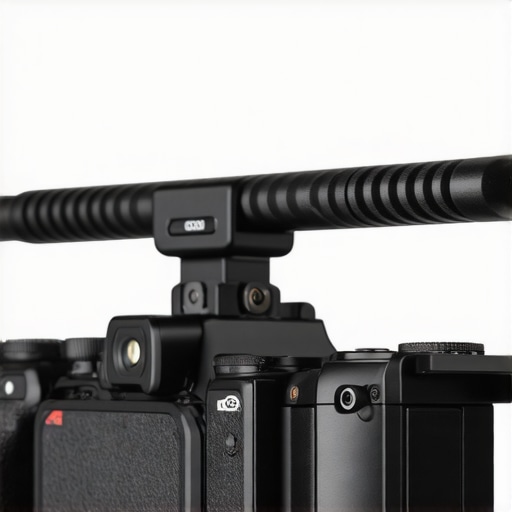 }
}
In the world of professional filmmaking, many believe that investing in high-end camera cages and accessories automatically guarantees perfect shots. However, this common misconception can lead to overlooked nuances that significantly impact your setup’s effectiveness. Let’s dig deeper into what most people get wrong about rig accessories and top handles, and how understanding these details can elevate your cinematography.
Is Bigger Always Better When Choosing Camera Rigs?
Many assume that larger, more elaborate rigs provide better stability and versatility. But in my experience, excessive bulk can actually hinder mobility, especially in tight spaces or dynamic shooting conditions. Overly heavy rigs increase fatigue and can lead to shaky footage—not because of camera quality, but due to ergonomic neglect. Advanced filmmakers focus on optimized balance and weight distribution, ensuring stability without sacrificing agility. This approach underscores that a well-tuned rig often outperforms the most expensive setup.
Another common misconception lies in the belief that more accessories improve footage. The truth is, cluttered rigs can become counterproductive, leading to cable snags or unintentional shifts during runtime. Instead, select only essential rig accessories that enhance your workflow—an example being anti-slip mounting plates that prevent wobble during handheld shots.
Watch Out for the ‘Set It and Forget It’ Mindset
A trap many unwary filmmakers fall into is setting up a rig once and then neglecting maintenance. Over time, screws loosen, mounts wear out, and parts can shift, all compromising stability. Regular inspection and adjustments are crucial, especially if you’re shooting multiple days or in challenging environments. A small investment in routine maintenance can save your footage from unexpected instability—think of it as tuning a musical instrument before each performance.
Are Shoulder Rigs Actually Designed for Comfort?
Many think that a sturdy support system negates the need for ergonomic consideration. However, inadequate padding and poorly balanced rigs can cause fatigue and even injury over long shoots. Advanced rigs incorporate ergonomic tweaks such as adjustable counterweights and padded shoulder pads, which distribute weight evenly and reduce strain. Remember, an uncomfortable rig leads to compromised footage, as minutes of discomfort distract from your focus. Prioritize the human element—your comfort directly translates into your shot quality.
Finally, a crucial point many overlook is the significance of rig customization. Tailoring your setup to your specific needs—be it lightweight documentaries or high-action sequences—can make a world of difference. For example, integrating ergonomic top handles can reduce wrist fatigue and improve control.
In conclusion, understanding these nuances and avoiding common myths around camera cages and rig accessories will help you create more stable, reliable, and comfortable setups. Remember, effective gear isn’t just about expensive parts but about smart integration and ongoing maintenance. Have you ever fallen into this trap? Let me know in the comments and share your experiences — together, we can elevate our filmmaking game.
Maintaining your camera rig and accessories is crucial for consistent performance and professional results. Regular upkeep extends the lifespan of your gear and ensures that every shoot goes off without a hitch. One of my go-to methods is implementing a routine inspection schedule, focusing on critical connection points like NATO rails, top handles, and shoulder rig components. Using high-quality tools such as precision torque wrenches allows me to tighten fasteners to the manufacturer’s specifications, preventing slips or damage over time. For example, when I noticed slight wobbles during prolonged shoots, applying a rigid mounting technique with proper torque and rubber dampers instantly improved stability.
Investing in specific maintenance tools has changed my workflow significantly. A magnetic screwdriver set with interchangeable bits simplifies the process of adjusting various components, from quick-release plates to side handles. Additionally, silicone-based lubricants are excellent for protecting moving parts on rig hinges and joints, reducing wear and tear while preventing squeaks. I prefer using a precision cleaning kit that includes small brushes and compressed air to remove dust and debris from delicate areas, especially in harsh environments or when switching setups frequently.
Long-term results depend on diligent maintenance. By tracking wear patterns and replacing worn parts proactively—such as rubber dampers or screws—I minimize unexpected failures during critical shoots. Moreover, documenting the maintenance routine helps me identify recurring issues and plan upgrades before they become problematic. It’s worth noting that staying updated with the latest rig innovations, like those outlined in mastering camera rigs in 2025, informs me about improved components that can streamline my upkeep process.
Getting familiar with your tools and establishing a consistent maintenance schedule yields lasting benefits. Over time, I’ve seen a noticeable decrease in setup times and an increase in shot stability, particularly when combining quality tools with best practices recommended by industry experts. As the trend toward modular and lightweight rigs continues, staying vigilant with regular checks and proper tool use will become even more essential.
Are you wondering how to maintain your rig over many shoots? Focus on routine inspections with a set of precision tools, and don’t hesitate to replace worn parts proactively. Try tightening your top handle with a torque wrench and adding rubber dampers—this one tweak can make your setup feel like it’s welded in place. Remember, a small investment in the right tools and habits now will keep your gear performing flawlessly for years to come, giving you peace of mind and more time behind the camera. For more detailed guidance, check out this expert tips article and make maintenance a regular part of your production routine.
What I Wish I Could Tell My Younger Self About Rig Security
One of the toughest lessons I learned was the importance of meticulous maintenance and quality components. Early in my career, I overlooked small details like proper torque application or upgrading to rugged mounting pins, which later caused major setbacks during critical shoots. If I could go back, I would focus on understanding that top handle stability isn’t just a minor detail—it’s the backbone of shot precision and gear longevity. This insight has transformed my approach, making me more intentional with gear upgrades and routine checks. Remember, small adjustments today prevent big headaches tomorrow.
The Equipment That Keeps My Rig Rock Solid
Over time, I’ve curated a toolkit that ensures my setup stays firm and dependable. Among the essentials are high-quality torque wrenches for precise tightening, rubber dampers to absorb vibrations, and anti-rotation pins that prevent handle twisting. These choices aren’t random; they stem from personal testing and trusted sources like industry-led guides. Investing in these tools has saved me countless hours and improved shot stability, proving that smart preparation is vital for professional results.
You Hold the Power to Elevate Every Shot
Remember, your camera rig is an extension of your vision. Prioritizing stability through routine maintenance, quality upgrades, and mindful assembly transforms your footage from shaky to cinematic. Take the initiative today: inspect your setup, tighten those bolts with a torque wrench, and add dampers where needed. Your future self will thank you for it—delivering smoother, more reliable shots that capture your storytelling brilliance. Don’t wait for mishaps; make stability your new standard. So, what’s the first tweak you’re going to implement to improve your rig’s performance? Share your plans below and let’s elevate our filmmaking game together.