
4 Carbon Fiber Rig Upgrades to Slash Your 2026 Build Weight
I remember the first time I lugged my bulky camera setup onto a long shoot. My shoulders ached within the first hour, and by the end of the day, I was so exhausted I barely had energy to review footage. That lightbulb moment hit me hard: my rig was too heavy. No amount of skill could compensate for the fatigue and strain it caused, especially during those marathon shoots. Over time, I realized that the secret to sustainable, comfortable filming might just lie in upgrade materials — specifically, switching to carbon fiber where it counts.
Why Cutting Weight Matters More Than Ever in 2026
Film crews are tightening budgets, and portability is king. Lighter rigs mean less fatigue, faster setup, and fewer injuries. Plus, with newer, more compact shooting styles gaining popularity, your gear needs to keep pace without becoming a burden. According to recent research from the Motion Picture Association, reducing equipment weight by just 10% can significantly improve on-set efficiency and safety. But the question is, how do you make that leap from traditional materials to high-performance carbon fiber upgrades?
Throughout my journey, I’ve learned that embracing carbon fiber components isn’t just about reducing weight — it’s also about enhancing durability and sleekness. Today, I’ll share four proven upgrades that helped me cut down the weight of my rig to a manageable, shoulder-friendly level. If you’ve been battling shoulder fatigue, stubbornly heavy gear, or just want a leaner setup, stick around. We’ll go beyond just theory and dive into actionable solutions that you can apply right now.
Will These Upgrades Really Make a Difference?
I’ll be honest: I’ve made mistakes early on, like replacing a fake carbon fiber top handle with a cheap knockoff. The weight savings were negligible, and the low-quality material made it even more frustrating. That’s why I emphasize investing in genuine, well-designed carbon fiber parts — the difference is night and day. Ready to see how these upgrades can transform your shooting experience? Let’s get started.
Swap Heavier Parts for Carbon Fiber Components
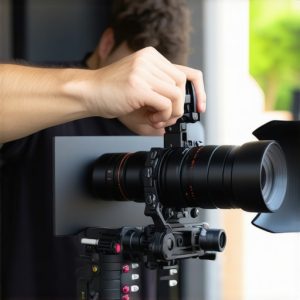
Start by identifying the heaviest parts of your rig—typically the top handle, shoulder support, and camera cage. For example, during my personal overhaul, I replaced my standard aluminum top handle with a genuine carbon fiber version. This change instantly cut weight without sacrificing strength. When choosing replacements, always verify the authenticity of the carbon fiber to ensure durability; cheap knockoffs often lack resilience. Use the top manufacturers and avoid low-quality imports that may save money but fail under stress. For detailed options on top handles, check top handle accessories.”} , Many filmmakers believe that upgrading to carbon fiber or adding more accessories automatically enhances stability and ease of use. However, this isn’t always the case. A frequent misconception is that heavier gear means better quality, but in reality, excessive weight can lead to fatigue and shaky footage, especially during long shoots. Choosing the right balance of lightweight, durable components is crucial—overloading your rig with unnecessary accessories might complicate setup and introduce instability rather than solving it. An often-overlooked detail is the attachment method; poor mounting can cause parts to slip or sway, undermining the entire setup’s reliability. For advanced filmmakers, understanding the nuances of rig design—like the importance of proper weight distribution and secure mounting—is essential. According to industry experts, even minor misalignments can degrade image quality over time. To learn how to optimize your gear, visit our guide on mastering camera rigs. Additionally, some believe that more accessories equate to more stability, but every added piece can increase complexity and potential points of failure. The key lies in selecting purpose-built components that complement each other seamlessly. Have you ever fallen into this trap? Let me know in the comments. Remember, the goal is a balanced, lightweight, and reliable setup that elevates your cinematography, not just piling on the latest gadgets.
Once you’ve upgraded to lightweight, durable components, maintaining your camera rig becomes essential to ensure longevity and consistent performance. I recommend establishing a regular maintenance routine, starting with inspecting all fasteners and mounting points after each shoot. Loosened screws or worn-out mounts can compromise stability and safety; therefore, tightening and replacing parts proactively is vital. Using a comprehensive toolkit tailored for camera gear, including precision screwdrivers, allen wrenches, and lint-free cloths, makes upkeep straightforward. I personally rely on the iFixit Toolkit because of its high-quality drivers and anti-static brushes—perfect for delicate electronics and gear components. Additionally, applying a light lubricant like silicone spray on moving parts prevents rust and ensures smooth operation over time. For cleaning, avoid harsh chemicals; instead, use a soft microfiber cloth and mild cleaning solution to remove dust and fingerprints.
In the future, I predict that integrated smart sensors in rig components will monitor wear and prompt maintenance alerts, which could drastically reduce downtime and accidental damage. Staying updated with these innovations could give you a significant edge in reliability and efficiency.
How do I maintain my camera rig to last for years?
Maintaining your rig requires a combination of routine inspections, proper cleaning, and timely replacement of worn-out parts. Always refer to the manufacturer’s guidelines and consider documenting your maintenance schedule to track wear patterns. Investing in a quality storage case and using anti-corrosion decals or silica gel packs can also prevent environmental damage. Remember, addressing issues early is often cheaper and easier than fixing damage caused by neglect. For detailed advice on the best practices, explore our article on mastering camera rig maintenance.
Another tip is to regularly check your rig accessories, such as top handles and shoulder supports, for signs of fatigue or deformation. Replacing damaged components promptly keeps your system secure and stable during demanding shoots. I especially recommend inspecting mounting points with a torque wrench to ensure they’re tightened to the recommended specifications. For example, checking the tightness of rosette joints can prevent slippage during critical shots. The key is consistency—adding these practices to your routine can save headaches and costly repairs down the line. Try implementing a weekly inspection protocol, and you’ll quickly notice improvements in both rig performance and confidence.
To dive deeper, consider utilizing specialized tools and techniques such as mounting tactics for stability or exploring new materials that enhance durability. Regular maintenance is a small investment that pays off in the long run, keeping your gear reliable and ready for every shoot. Remember, taking care of your rig isn’t just about preservation—it’s about elevating your entire filmmaking process to professional standards. So, grab that toolkit, schedule your monthly checkup, and give your camera setup the care it deserves.
Lessons I Wish I Had Learned Sooner About Building Lightweight Camera Rigs
- Less Is More: Early on, I thought piling on accessories was the best way to improve stability, but I soon realized that thoughtful, targeted upgrades—like high-quality carbon fiber components—deliver far more benefit with less weight, making my shoots more comfortable and efficient.
- Invest in Authentic Materials: Skimping on quality might save money initially, but cheap knockoffs quickly proved unreliable. Genuine carbon fiber parts have truly transformed my setup, offering durability that withstands demanding shoots and time.
- Balance Over Brute Force: No amount of extra gear can compensate for poor weight distribution. Fine-tuning the balance with strategic counterweights and ergonomic aids has turned my rig into a joy to operate, even during marathon days.
- Routine Maintenance Is Key: Regular checks and gentle upkeep—like tightening mounts and inspecting joints—prevent small issues from escalating into costly repairs, ensuring consistent performance for years to come.
- Stay Curious About Innovations: Embracing new materials and smart accessories pushes my filmmaking further. Exploring the latest in rig technology continually improves my craft and keeps me ahead in a competitive industry.
Unmissable Tools That Help Make It Happen
- Creator Rig’s Top Handle Accessories: Proven to dramatically reduce fatigue, these purpose-built handles enhance comfort and control, especially during extended shoots.
- iFixit Toolkit: This versatile set is my go-to for quick fixes and maintenance, ensuring my gear stays in prime condition with precision tools and anti-static brushes.
- High-Quality Carbon Fiber Components: Trusted brands like top manufacturers guarantee durability and performance, empowering me to craft lightweight rigs that endure heavy-duty filming.
- Supportive Articles on Rig Optimization: Resources such as mastering camera rigs offer advanced tips to refine your setup, ensuring every shot is as smooth and stable as possible.
Push Your Boundaries and Start Crafting Smarter Rigs Today
The future of filmmaking is lightweight, durable, and intelligently designed gear that elevates your storytelling. Take the insights shared, select your tools wisely, and embark on a path to more comfortable, reliable, and professional shoots. Remember, every great filmmaker started with small, thoughtful steps—your perfect rig is within reach, waiting for your next upgrade. So why wait? Dive into smart components, refine your technique, and make every shot count. How have your rig upgrades changed your workflow? Share your stories below and inspire fellow filmmakers to evolve their craft.

I completely relate to the fatigue from heavy camera rigs—long shoots can really take a toll on your body! Since I started investing in carbon fiber components, I’ve noticed a huge difference in manageability. The lightweight handle and support rigs not only reduce strain but also make my setup much quicker to get ready. It’s interesting how much subtle weight savings can improve overall stability, especially during those marathon days when every minute counts. I’ve also found that proper weight distribution plays a crucial role; balancing my rig with ergonomic counterweights has helped me avoid some of the shakiness I used to struggle with. For those considering a switch, I’d recommend focusing on authentic, high-quality materials rather than cheap knockoffs, which can end up costing more in the long run. Does anyone have tips on further optimizing weight distribution without sacrificing durability? Would love to hear your experiences on this.
Reading this post really resonated with me, especially the focus on lightweight upgrades like carbon fiber components. I switched over to carbon fiber for my rig earlier this year, mainly to reduce fatigue during long shoots, and the difference has been night and day. Not only has it lightened my setup significantly, but I’ve also noticed improved handling and stability, partly because the rigidity of carbon fiber helps with vibration dampening. However, one challenge I faced was finding authentic, high-quality parts—cheap knockoffs are tempting, but they can compromise durability and safety.
In my experience, the real key to optimizing weight distribution is not just swapping parts but also fine-tuning the balance of the entire rig. I’ve added some ergonomic counterweights close to the center of gravity, which really made a difference in reducing strain on my shoulders and arms. Have others tried different methods to achieve better weight distribution? For example, balancing the camera’s weight across the support system or customizing the placement of counterweights? Would love to hear different perspectives or tips that have worked in tough shooting conditions.
This post really struck a chord with me because I’ve been exploring lightweight upgrades for my own camera rig to improve comfort and efficiency. The emphasis on authentic carbon fiber components is vital; I’ve heard horror stories about cheap knockoffs that fail under stress, which can be costly in the long run. I recently replaced my bulky top handle with a genuine carbon fiber one, and the noticeable reduction in weight made long shoots much more manageable. What I find especially interesting is how proper weight distribution, combined with lightweight materials, can significantly reduce fatigue and improve footage stability.
In my experience, balancing the entire setup is a game-changer—adding ergonomic counterweights close to the center of gravity helps avoid strain and shaky footage during extended shoots. Has anyone experimented with specific placement strategies or different materials to optimize this balance? It seems that small tweaks, like redistributing weight or using purpose-built accessories, can make a big difference in handling and safety. I’d love to hear your approaches or suggestions—what have you all found most effective to keep rigs lightweight without sacrificing durability?