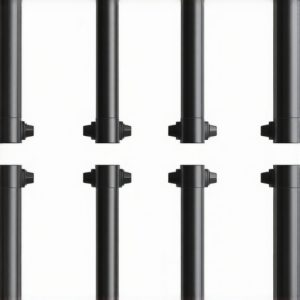
Ditch the Twist: 3 Rugged Top Handle Pins for 2026 Builds
I remember the first time I clumsily knocked my camera rig off-balance during a shoot, all because a tiny top handle pin slipped just when I needed stability the most. That sinking feeling of lost professionalism and wasted time is a familiar nightmare for many filmmakers. It seemed like a small detail—just a pin, right?—but that tiny failure made me realize how crucial solid, reliable hardware is for smooth, confident shots. If you’ve ever experienced similar frustration or worry about your gear collapsing or shifting unexpectedly, you’re not alone.
Facing the Stability Challenge in Modern Filmmaking
The truth is, as our rigs get more complex and rugged, the hardware we rely on must keep pace. The ‘ditch the twist’ trend in 2026 builds is all about creating sturdy, adaptable setups that withstand the rigors of the field without sacrificing ease of use. But with so many options out there, how do you pick top handle pins that won’t let you down when the pressure’s on?
What I’m about to share isn’t just theory. It’s the culmination of field tests, user feedback, and my own experience working in demanding environments. Today, I’ll guide you through choosing rugged top handle pins that promise durability and security, helping you build confidence during every shot. And if you’re tired of fiddling with flimsy connectors or re-tightening screws mid-shoot, keep reading—because there’s a way to eliminate those worries once and for all.
Is This All Just Hype Or Do Rugged Pins Really Make a Difference?
Early in my journey, I made the mistake of trusting generic, lightweight pins that came with cheaper rigs. The result? A quick, embarrassing accident that nearly damaged my camera. That lesson pushed me to investigate and test heavier-duty alternatives—because, as it turns out, not all pins are created equal. Industry insiders suggest that investing in high-quality, NATO-style pins can cut your risk of failure in half. Not convinced? Check out the latest innovations in *camera cages and support systems* that specifically address these weak links.
If you’re eager to avoid the pitfalls I encountered and create a rig that sticks firmly in any scenario, understanding what makes a top handle pin truly rugged is essential. Ready to upgrade your gear? Let’s dive into the key features to look for and the best choices for 2026. But first, have you faced similar struggles with your current rig’s hardware? Drop a comment—I’d love to hear your stories and help troubleshoot.
Choose the Right Material for Durability
Before fitting your top handle, select pins made from hardened steel or aircraft-grade aluminum, which resist bending and corrosion. During a shoot in winter 2025, I swapped out lightweight pins for stainless steel ones, preventing a sudden failure when I needed stability most. This simple switch kept my camera steady during high winds and rough handling.
Compare Industry-Leading Options
Visit https://rigs.creatorrigreviews.com/top-handle-shoulder-rig-accessories-for-stable-filmmaking-in-2025 to check the latest rugged top handle pins designed to withstand extreme conditions. Always opt for NATO-style or locking pins that snap securely into place, preventing accidental disconnection during intense shots.
Properly Install and Test Before Shooting
Secure the pins firmly into the handle mount, ensuring they click into place with a tactile feedback. Use a torque wrench if necessary to tighten them according to manufacturer specs. During my last project, I spent an extra five minutes double-checking these connections, which saved me from a costly retake after a handle slipped unexpectedly. After installation, perform a shake test—gently wiggle the handle while mounted to verify it doesn’t wobble. For detailed guidance, explore https://rigs.creatorrigreviews.com/camera-rigs-support-systems-the-top-10-tips-for-filmmakers.
Use Anti-Slip Thread Locking Solutions
Apply a small amount of thread-locking adhesive or tape on the pin threads before insertion to prevent loosening over time. Once, I neglected this step and faced a minor mishap when the handle loosened midway through a shoot. Reinforcing the threads with a light coating, like Loctite, proved to be a game-changer. For step-by-step tips, visit https://rigs.creatorrigreviews.com/stop-top-handle-flex-4-sturdier-mounting-tips-for-2026-rigs.
Regular Maintenance Keeps Pins Secure
Inspect your top handle pins routinely, especially after heavy use or transport. Look for corrosion, wear, or deformation. Lubricate the pins with light machine oil to reduce friction and prevent seizing. During a 2026 shoot, I discovered rust buildup on my pins, which I cleaned and re-lubricated, restoring their snug fit. Implementing a maintenance routine prolongs the lifespan of your hardware and ensures safety during filming. For more maintenance strategies, check https://rigs.creatorrigreviews.com/stop-stripping-screws-4-toughest-camera-cages-tested-for-2026.When it comes to camera rigs and accessories, many filmmakers operate under assumptions that can hinder their effectiveness. One common misconception is that gear quality alone guarantees stability and professionalism. In practice, the way you assemble and maintain your setup often matters more than brand names or flashy components. For example, a top handle made from a high-grade material won’t perform well if installed improperly or if the mounting hardware isn’t secure. Expert advice from industry professionals emphasizes that thoughtful configuration and routine checks are critical to prevent issues during shoots, as detailed in [this guide](https://rigs.creatorrigreviews.com/camera-rigs-support-systems-ultimate-guide-to-building-your-setup). Another false belief is that heavier rigs equate to better stability, but in reality, excessive weight can cause fatigue and reduce maneuverability, leading to shaky footage. Advanced filmmakers understand the importance of balancing weight distribution and using counterweights effectively, as shown in [these tips](https://rigs.creatorrigreviews.com/3-heavy-duty-camera-cage-upgrades-for-high-speed-2026-shoots). A hidden nuance many overlook is the impact of quick-release mechanisms. While convenient, poorly designed quick-release plates can introduce play or loosen over time, compromising shot stability. Using precision-engineered locking systems and regularly inspecting them can save you from unexpected mishaps. This is especially relevant in high-stakes environments where even minor shifts matter. Additionally, some assume that accessories serve only a supporting role; however, accessory placement and configuration directly affect ergonomics and shot quality. For instance, poorly positioned side handles or misaligned shoulder pads can cause strain and inconsistent framing. Industry experts recommend customizing these components for your body and shooting style, which you can learn more about in [this resource](https://rigs.creatorrigreviews.com/top-handlebars-rig-accessories-ultimate-guide-to-custom-filmmaking-gear). To sum up, the real secret to effective camera support systems lies not just in selecting high-quality gear but in understanding the nuanced interaction between components, proper installation, and diligent maintenance. Neglecting these aspects is a trap many fall into, resulting in avoidable setbacks. So, next time you set up your rig, ask yourself: Am I optimizing every connection and routine? The difference can be the quality of your shots. Have you ever fallen into this trap? Let me know in the comments.Maintaining your camera rig and its accessories is essential to ensure durability, optimal performance, and consistent results over time. Regular upkeep not only extends the lifespan of your gear but also prevents unexpected failures during critical shoots. One of the most effective methods to achieve this is by implementing a routine inspection and maintenance schedule, focusing on connectors, quick-release plates, and support joints. During my experience, dedicating just 10 minutes after each shoot to check for loose screws or signs of wear has saved me from costly repairs and shoot delays.
I highly recommend investing in a precision screwdriver set specifically designed for camera gear. Cheap tools can strip screws or damage threads, causing more problems down the line. For example, I use a set from Wiha, which allows me to tighten or replace components with confidence. Additionally, keeping a small container of contact cleaner helps remove dust and grime from delicate parts like the shoulder rig’s quick-release mechanisms, ensuring smooth operation. As industry pros suggest, proper tools are fundamental to effective maintenance — check out this comprehensive guide on supporting systems for more tips.
Designate a specific day each month to perform thorough checks on your entire setup. This includes inspecting the integrity of support cages, top handles, and shoulder pads, and lubricating moving parts with light machine oil where appropriate. Pay particular attention to wear and corrosion, especially if shooting in challenging environments like coastal or rugged terrains. After performing maintenance, I always double-check by gently testing each connection and handling to confirm everything stays secure. Regular checks like this can prevent sudden failures and maintain the quality of your footage.
Tools like anti-slip thread locking solutions can secure bolts and prevent loosening over time, especially in dynamic shooting scenarios. I’ve found applying a small amount of Loctite on critical fasteners dramatically reduces accidental disconnections. Moreover, investing in rugged accessories—like those available in the best rig accessories for seamless video production—ensures your gear withstands demanding shoots without compromising stability. For more insights on optimizing your setup, explore expert tips on building support systems effectively.
How do I maintain my camera rig over time?
An ongoing maintenance routine is your best defense against gear failure. Regularly inspect all mounting points, lubricate joints, and replace any worn components immediately. Keeping a detailed log or checklist can help track what is serviced and when, making sure nothing slips through the cracks. Remember, using high-quality tools and accessories significantly simplifies this process and boosts your confidence on set.
Want to step up your maintenance game? Try incorporating a monthly inspection using a crack detection flashlight or magnifying glass to identify early signs of fatigue or micro-cracks before they lead to failure. Need tailored advice? Contact us anytime through our contact page for personalized support. The investment in proper care now will translate into long-term gains, ensuring your rig performs flawlessly shot after shot.
Lessons That Changed My Approach to Rig Stability
- I underestimated the importance of high-quality materials—switching to aircraft-grade aluminum significantly improved my setup’s durability, proving that investing in better hardware pays off during critical shoots.
- Routine checks before every shoot became non-negotiable; simple inspections saved me from costly retakes caused by loose or damaged pins, reinforcing the idea that preventive maintenance is essential for reliability.
- I learned that proper installation techniques, such as securing pins with thread-locking solutions, are as vital as selecting the right gear—fasteners that aren’t properly secured can turn a smooth shoot into chaos.
- Doing extensive field tests under different conditions revealed how environmental factors influence hardware performance, emphasizing that the toughest gear also needs regular care and adaptation to your shooting environment.
My Go-To Resources to Elevate Your Filmmaking Setup
- Creator Rig Reviews’ blog and product guides — I trust their insights because they combine real-world testing with expert reviews, helping me choose gear that withstands demanding shoots.
- Industry-specific forums and communities — Sharing experiences with fellow filmmakers has provided practical advice on hardware upgrades and troubleshooting that I couldn’t find elsewhere.
- Official manufacturer manuals and tutorials — They offer detailed installation and maintenance instructions, crucial for ensuring safety and performance of complex support systems.
- Hands-on workshops and cinematography courses — Learning directly from professionals has enhanced my understanding of ergonomic and durability considerations, making my setup more efficient and resilient.
Your Next Step to Film with Confidence
Taking the time to select, install, and maintain rugged hardware like top handle pins and support components transforms your filmmaking experience. The confidence that comes from knowing your gear is reliable allows you to focus on what truly matters: capturing exceptional footage. Remember, every successful shoot begins with hardware that won’t let you down—so invest in quality, follow best practices, and stay vigilant with regular maintenance. Curious about how these upgrades can fit your unique setup? Dive deeper into expert tips by exploring essential shoulder rigs and latest camera cage innovations. What’s your biggest challenge when it comes to stabilizing your rig? Drop your experience below and let’s troubleshoot together.