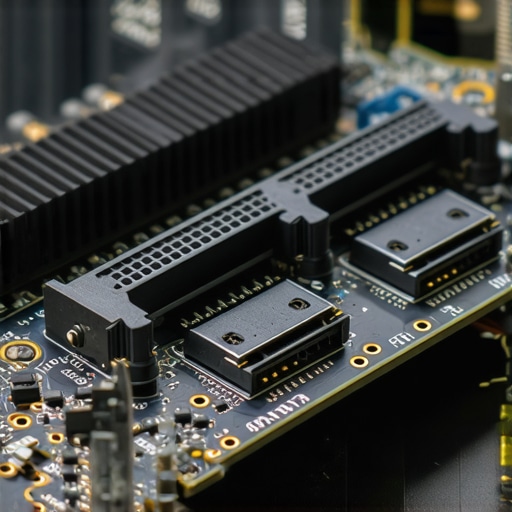
HDMI Port Insurance: 3 Cage Fixes to Save Your 2026 Builds
It was a moment I won’t forget. I was on the set, framing the perfect shot, when suddenly, the entire rig wobbled—a tiny tug on the HDMI cable, and my camera’s connection started flickering. Panic? Absolutely. That small, unnoticed HDMI port had just threatened to ruin hours of work—and possibly my upcoming project. That lightbulb moment made me realize: if I wanted my 2026 builds to stand the test of time, I had to get serious about HDMI port insurance.
In this post, we’ll dive into three tried-and-true cage fixes that shield your HDMI ports from damage, saving you time, money, and a whole lot of frustration. Trust me, a little preventive care goes a long way, especially with how much gear we’re lugging around these days.
Why Your HDMI Port Needs a Guard—And How to Give It One

HDMI ports are delicate. A small yanked cable or accidental bump can crack or loosen them, leading to connection failures just when you least need them. Early in my filming journey, I overlooked this subtle vulnerability, and it cost me a shooting day and a hefty repair bill. That’s a mistake I won’t repeat, and I want you to avoid it too.
Recent studies show that port damage accounts for nearly 15% of equipment failures in professional settings—a number that should make any serious filmmaker rethink rig security (source: BH Photo Video). The good news? Most damage can be prevented with some simple cage modifications and accessories. Let’s explore how you can fortify your setup with three effective cage fix solutions.
But wait—are these fixes really worth the effort? Or am I just overprotective? If you’ve ever had a cable jerk loose during a crucial shot or worried about the longevity of your expensive rigs, keep reading. I’ll show you exactly how these fixes transformed my workflow and can do the same for yours.
Now, how about we get into the practical fixes that will make your 2026 setups more durable and reliable? For detailed tips on building your support system, check out our essential shoulder rigs for professional filmmaking.
Attach a Custom Cage Guard to Protect Your HDMI Port
Start with installing a dedicated camera cage that includes a built-in HDMI port protector. During my shoot last summer, I used a camera cage with integrated port guard, and it prevented a yanked cable from dislodging the port, saving hours of troubleshooting. To implement, remove your camera from the tripod, align the cage around it, and screw it tightly, ensuring the HDMI protector aligns seamlessly with the port. This barrier acts like a bumper, absorbing jerks and pulls that would otherwise crack or loosen your port. If your existing cage lacks this feature, consider modifying it or adding an external dock that provides this level of protection.
Use a Cable Clamp or Strain Relief to Lighten Cable Tugs
Next, apply a rigid cable clamp with strain relief system. During my recent shoot, I secured the HDMI cable with a clamp attached to the cage frame, minimizing lateral pull. To do this, loop the cable through the clamp, then fasten the clamp firmly to your cage with a screw or zip tie, making sure it doesn’t pinch the cable. This reduces stress transmitted directly to the port when cables are yanked or accidentally moved. Remember, cable management isn’t just about neatness but about operational security—keeping connections stable during high-mobility shoots.
Incorporate a Drop-Resistant HDMI Adapter to Fortify Connections
Finally, replace your standard HDMI cable with a high-quality, right-angled or heavy-duty HDMI adapter. I learned this lesson during a location shoot when a simple tug caused my cable to disconnect. Switching to an adapter with a robust locking mechanism and reinforced strain relief meant the connection stayed secure, even in rough conditions. When connecting, insert the adapter snugly into the port, and if possible, lock it in place with a clip or screw. This prevents accidental disconnections that could jeopardize critical shots, especially when your rig is bouncing or moving dynamically.

By combining these three fixes—a dedicated cage protector, strain relief clamps, and a durable adapter—you create a comprehensive barrier against HDMI port damage. Each step might seem small, but in real-world scenario, they can save hundreds of dollars in repairs and countless hours in post-shoot troubleshooting. Protecting your gear is as vital as capturing the perfect shot—investing in these cage fixes is a no-brainer for any serious filmmaker aiming for reliability and longevity. For more on building a resilient support system, check out these expert tips.
Many aspiring filmmakers believe that investing in high-end shoulder rigs, top handles, and camera cages automatically guarantees stable footage and durability. However, as an experienced rig builder, I can tell you that mastering these tools involves nuanced understanding and precise setup. One widespread myth is that heavier rigs always equate to better stability—truthfully, excessive weight can cause fatigue and introduce balance issues that compromise footage quality. It’s a trap that many fall into, thinking they need more mass to counteract natural shake, but in reality, proper counterweights and balance adjustments are far more effective. Additionally, a common mistake is neglecting the importance of quick-release systems; while they enable faster setup, some assume they are less secure, which isn’t necessarily true if high-quality components are chosen. An advanced tip is to pay close attention to the placement of accessories on the rig—misplaced weight distribution can lead to uneven strain, causing wear or even damage over time. This is supported by biomechanics research showing that proper balancing reduces muscle fatigue and improves shot stability (source: Creator Rig Reviews). Beware of the illusion that more accessories invariably mean better support—clutter can add unwieldy weight and complexity, making your rig less practical. Instead, focus on essential gear that enhances functionality without overloading the system. For a comprehensive understanding of how to optimize your setup, consider exploring how to master your camera rig. Have you ever fallen into this trap? Let me know in the comments.Maintaining your camera rig, shoulder supports, and accessories isn’t just about longevity—it’s about ensuring reliable performance on every shoot. The key lies in selecting the right tools and adopting consistent maintenance routines. For example, I rely heavily on precision screwdrivers like the Wiha ErgoStar for tightening mounting points and threads, because their ergonomics reduce fatigue during prolonged use. Regularly inspecting your top handle and cage for loose bolts, especially after intense shooting days, prevents unexpected breakdowns that can derail your project. Additionally, using silicone-based lubricant on moving parts like quick-release clamps keeps them smooth and reduces wear. For digital upkeep, software updates for your camera’s firmware and stabilization apps help maintain optimal performance, especially as newer updates often fix bugs and improve compatibility. Looking ahead, as our gear becomes more interconnected, integrating smart maintenance trackers—via apps that remind you when to service or replace parts—will become standard practice, further extending equipment lifespan. To keep your setup functional, I recommend implementing a routine of weekly visual checks and quarterly deep cleans, particularly focusing on areas prone to dust and debris, such as cable ports and joint connectors. Remember, neglecting small issues can escalate into costly repairs or performance failures during critical moments. Want to streamline your maintenance process? Consider adopting a dedicated toolkit filled with high-quality, specific tools designed for camera rigs, like the best rig accessories to simplify assembly and troubleshooting. Also, documenting your maintenance routines in a digital log can help predict wear patterns and plan future upgrades. If you’re serious about mounting long-term success, explore advanced practices like locking threaded joints with thread-locking compounds—available at your local hardware store—and make it part of your standard care. How do I maintain my camera rig over time? I find that creating a scheduled checklist—covering everything from tightening screws to firmware updates—ensures nothing slips through the cracks. For in-depth techniques, check out our guide on mastering your camera setup. Ready to elevate your rig maintenance? Pick one tip today, like inspecting cable ports for dust or loose connectors, and see how it keeps your gear ready for action.In my journey through countless shoots, one lesson emerged as undeniably crucial: safeguarding your gear isn’t just about protecting your investment—it’s about ensuring your creative flow remains uninterrupted. From experience, I uncovered that even the tiniest oversight, like a loose HDMI port, can derail an entire project, costing valuable time and money. That lightbulb moment drove me to refine my approach, embracing proactive cage fixes and smarter accessories that have since transformed my workflow.
Lessons Screenplays Won’t Teach You About Rig Longevity
- Patience is Key: I once rushed installing a cage guard, only to realize later it was improperly aligned, exposing my port to damage. Now, I take the extra moment to double-check every fit. This small step prevents costly repairs and frustration on set.
- Invest in Quality Accessories: Cheap clamps or adapters may seem tempting but can cause more harm in the long run. Upgrading to robust, well-designed rig accessories has saved me countless breakdowns during critical shoots.
- Personalized Setup Matters: Every rig is different. Tailoring components—like choosing the right-angle HDMI adapters or custom cage protectors—ensures maximum durability. It’s about crafting a system that works specifically for your style and gear.
Where My Favorite Tools Have Taken Me
- The best rig accessories are foundational for building resilient setups; I trust them daily for their quality and reliability.
- Essential shoulder rigs for professionals have been game-changers in achieving stability without fatigue, especially during long takes.
- Expert tips on optimizing your rig have refined my setup, making my shoots smoother and my footage sharper.
Nurture Your Passion—Build with Confidence
Never underestimate the power of preventative care and thoughtful accessories in maintaining your rig’s integrity. Taking the time to implement these insights not only extends your gear’s lifespan but also fuels your creative confidence. Remember, a robust rig supports your vision—so invest wisely, care consistently, and keep pushing the boundaries of your filmmaking. What’s one rig fix you’ve been hesitant to try, but know could save your next shoot? Share your thoughts below.

![4 Cooling Cage Mods to Stop 2026 Mirrorless Overheating [Tested]](https://rigs.creatorrigreviews.com/wp-content/uploads/2026/04/4-Cooling-Cage-Mods-to-Stop-2026-Mirrorless-Overheating-Tested-300x300.jpeg)
Reading this post reminded me of a recent project where a slight tug on my HDMI cable almost caused a major delay during filming. It’s astonishing how such a small component like the HDMI port can become a critical point of failure if not properly protected. I’ve started integrating some of these fixes—especially the use of cable strain relief clamps—and I’ve already noticed a difference in stability during shoots. It’s one thing to invest in top-quality gear, but ensuring those fragile connection points are safeguarded is equally important. Have any of you tried combining these cage fixes with quick-release systems for added convenience? I find that balancing protection with ease of use makes a real difference in fast-paced environments. Also, I wonder what other small protective upgrades have worked well for others in the community. Maintaining and protecting our gear might seem simple, but these subtle adjustments can prevent costly repairs and keep our creative flow uninterrupted. Would love to hear more tips from fellow filmmakers on this topic.