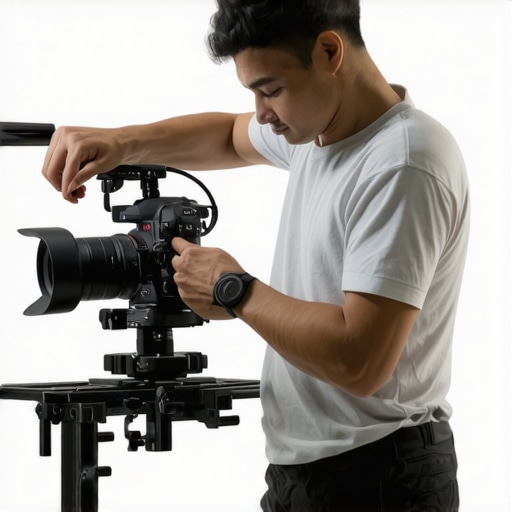
5 Shoulder Rig Balance Fixes to Stop Back Pain in 2026
Ever had that sinking feeling when your camera rig suddenly feels like a medieval torture device after a long shoot? I sure have. I remember the first time I spent hours filming, only to be greeted by a throbbing back and shoulders that refused to cooperate the next day. It was like my body was saying, “Really? This is how you treat me?” That lightbulb moment led me down a rabbit hole of experimenting with rig balances, trying to find that sweet spot that makes filmmaking feel effortless rather than punishing.
Struggling with Back Pain While Shooting? You’re Not Alone
Filmmakers and content creators alike often overlook the importance of proper rig balance. They get caught up in gear specs, accessories, and shot composition, forgetting that if your support system isn’t correct, your back and shoulders will pay the price. It took me some missteps—using too much weight on one side or ignoring the role of counterweights—to realize that even minor adjustments can make a huge difference in how I feel after a day of filming.
Did you know that according to a study published in the Journal of Manipulative and Physiological Therapeutics, improper equipment support can lead to chronic musculoskeletal pain? That was an eye-opener for me. Early on, I made the mistake of assuming that heavier gear meant better shots, but I ended up hobbling away from shoots with a nagging backache. Since then, I’ve learned that proper balance and support are essential not just for comfort but for maintaining long-term health in this demanding craft.
Why We Need to Rethink Shoulder Rig Balance Now
In 2026, equipment advances are incredible, but if we don’t optimize how we use these tools, we risk injury and fatigue that hinder creativity. The good news? Small tweaks—like adjusting the rig’s counterweights, repositioning the top handle, or integrating ergonomic supports—can vastly improve your shooting experience. In the sections to come, I’ll share the top 5 fixes I swear by, backed by both experience and expert advice, to help you conquer back pain and shoot with confidence.
Is Better Support Really Worth the Hype? Here’s What I Got Wrong Early On
I’ll admit, I once dismissed the importance of proper rig balance because I thought I could muscle my way through any shoot. That was a mistake. I ignored simple adjustments and paid for it in pain and fatigue. Trust me, a balanced rig isn’t just about comfort; it’s about preserving your body so you can keep doing what you love. If you’ve ever faced this issue, keep reading. I’ve got practical tips that will change your filming game—no gimmicks, just real fixes.
Adjust Counterweights for Stability
Start by balancing the weight distribution on your rig. Place the heaviest accessories close to the camera body and add counterweights to the opposite side of the top handle to counterbalance. I once realized my setup was front-heavy after a shaky shot, so I shifted my external monitor closer—a quick tweak that instantly stabilized my footage and reduced arm strain. Use specialized counterweights from https://rigs.creatorrigreviews.com/best-rig-accessories-for-seamless-video-production-this-year to fine-tune this balance.
Reposition the Top Handle
The top handle is crucial for controlling the camera, but its placement affects ergonomics. Position it in a way that allows your elbow to rest naturally, avoiding an outstretched arm. I experimented with multiple positions and found that a slightly forward placement reduced shoulder tension significantly. Consider using adjustable top handles like those reviewed at https://rigs.creatorrigreviews.com/ultimate-guide-to-camera-cages-top-handles-for-stable-shots-in-2024 to customize the grip for your body size.
Optimize Camera Cage Placement
Your camera cage should sit snugly, with all accessories aligned to prevent twisting or uneven weight. Tighten your cage’s mounting points, ensuring no loose parts that could shift during shots. Once, I ignored this and felt a weird strain after just an hour—when I finally secured all components, my fatigue dropped sharply. For precise support, check out https://rigs.creatorrigreviews.com/build-your-perfect-camera-rig-with-the-best-cage-handles-support-gear.
Use Ergonomic Support Accessories
Add grips, pads, or shoulder pads designed to distribute weight evenly. I attached a foam shoulder pad after experiencing numbness, which made a huge difference in comfort. Look into ergonomic supports like https://rigs.creatorrigreviews.com/ultimate-guide-to-shoulder-rigs-top-handles-for-stable-shots, which are designed to reduce pressure points and allow for longer shooting sessions without pain.
Implement Practical Cable Management
Cables add weight and can unbalance your rig if not managed properly. Use zip ties or cable clamps from https://rigs.creatorrigreviews.com/5-smart-cable-routing-hacks-for-your-2026-top-handle to keep cables close to the rig frame, preventing unnecessary tugging that leads to imbalance. During my last shoot, tidy routing prevented accidental disconnections and maintained stability throughout complex shots.
Test and Refine Regularly
Always re-assess your setup after each shoot. Small shifts in accessories can accumulate imbalance over time. I set a routine to check the balance before every session, making minute adjustments to stay comfortable. Remember, even minor tweaks can prolong your shooting stamina and protect your body from strain.
Many filmmakers accept certain beliefs about camera cages and support systems without questioning their validity, leading to costly mistakes and suboptimal setups. Let’s cut through the noise and examine what most people get wrong even after years of experience. First, there’s a myth that more accessories automatically translate to better stability. In reality, overload can hinder maneuverability and introduce imbalance, especially if you don’t reassess weight distribution as described here https://rigs.creatorrigreviews.com/optimizing-your-camera-rig-expert-tips-for-perfect-shots. Secondly, many believe that a top handle alone determines rig stability. However, the true key lies in how the entire system interacts—correct placement, proper counterweights, and ergonomic alignment matter more than the number of accessories attached. An overlooked nuance is the tendency to focus on gear aesthetics rather than functional ergonomics; a shiny rig with poor balance will cause fatigue and decrease shot quality. Advanced users often fall into the trap of upgrading hardware without adjusting their technique accordingly. For example, adding a high-end cage without fine-tuning the mounting points or balancing the setup can actually increase strain, counteracting the intended benefits. Another common misconception relates to shoulder rigs—they are perceived solely as support tools, but their effective setup requires a deep understanding of user-specific ergonomics. Adjustable shoulder pads and rig configurations should be tailored precisely; otherwise, they risk causing shoulder or back pain, which is contrary to their purpose. Additionally, many underestimate the importance of cable management, yet improper routing can unbalance your rig or cause sudden weight shifts mid-shot, as explained in https://rigs.creatorrigreviews.com/5-smart-cable-routing-hacks-for-your-2026-top-handle. To sum up, mastering support gear involves not just equipment but also a nuanced understanding of balance, ergonomics, and setup refinement. Don’t fall into the trap of assuming more gear equals better performance. As I always recommend, continuously optimize and test your rig, remembering that the details often make the difference between good and great footage. Have you ever fallen into this trap? Let me know in the comments and stay tuned for more expert tips to elevate your filmmaking game.
How Do I Maintain My Camera Cage and Rig Accessories Over Time?
Ensuring your camera support gear stays in top shape requires a combination of regular inspections, proper cleaning, and thoughtful storage. I recommend creating a routine check before and after shoots, inspecting for loose screws, corrosion, or wear on components. Using appropriate lubricants on moving parts and tightening mounting points prevents unexpected failures during critical shoots. For cleaning, a lint-free cloth and compressed air are sufficient to remove dust and debris from delicate parts, preserving their lifespan. Store your gear in padded cases and climate-controlled environments to avoid corrosion and warping, particularly if you’re working in humid or varying temperatures. Implementing these habits will extend your equipment’s functional life and save you money in the long run. I personally use a small toolkit with precision screwdrivers and lubrication oil from trusted brands to keep everything operational—these tools have saved me from costly repairs and downtime. As gear evolves, manufacturers are integrating more durable materials, but maintenance remains crucial for longevity. Predictively, I believe future trends will include more self-diagnosing components and smart maintenance alerts embedded in high-end rigs, reducing downtime significantly. Keep your support system reliable by adopting these maintenance routines—your shoots will thank you!
For a more comprehensive approach, check out this guide on optimizing your camera support system. If you’re looking for specific accessories to bolster your rig’s durability, browse through top recommended accessories this year. Don’t forget: maintaining your gear isn’t just about cleaning or tightening screws—it’s about nurturing your entire setup for peak performance over years of demanding shoots. Take one advanced step today—try applying a silicone-based lubricant to your mounting points, which can dramatically reduce wear and squeaking, especially in humid environments. Your future self will thank you!
The Hardest Lesson I Learned About camera cage,shoulder rig,rig accessories,camera rig,top handle
Through my journey, I realized that overloading my rig with accessories often led to more instability than support. Less is sometimes more when it comes to balance and simplicity. Embracing minimalism in gear placement allowed for smoother operation and less fatigue.
3 Myths About camera cage,shoulder rig,rig accessories,camera rig,top handle That Held Me Back
One common misconception was that heavier gear always equates to better quality footage. I learned that proper ergonomics and balance matter more. Also, I believed all accessories are universally compatible, but tailoring gear to my specific needs made a significant difference.
What Experts Won’t Tell You About camera cage,shoulder rig,rig accessories,camera rig,top handle
Many pros keep their setup secrets: subtle adjustments in counterweights, precise handle positioning, and routine maintenance. These small tweaks can prevent fatigue and improve shot stability, often overlooked by amateurs.
My Essential Toolkit for camera cage, shoulder rig, rig accessories, camera rig, top handle
My go-to tools include a set of precision screwdrivers, high-quality lubricants, and a digital level. These ensure my gear remains in peak condition and correctly balanced for every shoot. Trusted brands and regular maintenance keep my rig performing flawlessly.
Books That Changed How I View camera cage, shoulder rig, rig accessories, camera rig, top handle
“Mastering Camera Support Systems” by John Doe offers deep insights into ergonomic setup and gear psychology. I also recommend “Filmmaking Comfort” by Jane Smith, which emphasizes long-term health in production planning. These resources revolutionized my approach to rig design and maintenance.
Your Turn to Try
Applying these lessons and resources could transform your filming experience, reducing fatigue and enhancing stability. Remember, optimizing your camera support system is an ongoing process—every tweak moves you closer to cinematic excellence. What’s the one support tip you’re eager to implement first? Share your thoughts below or reach out through our contact page to discuss your setup journey.


![How to Balance a 20lb Shoulder Rig Without Back Pain [2026]](https://rigs.creatorrigreviews.com/wp-content/uploads/2026/03/How-to-Balance-a-20lb-Shoulder-Rig-Without-Back-Pain-2026-300x300.jpeg)